Are Cats Vengeful or Vindictive? Vet-Verified Facts About Feline Behavior


In this article
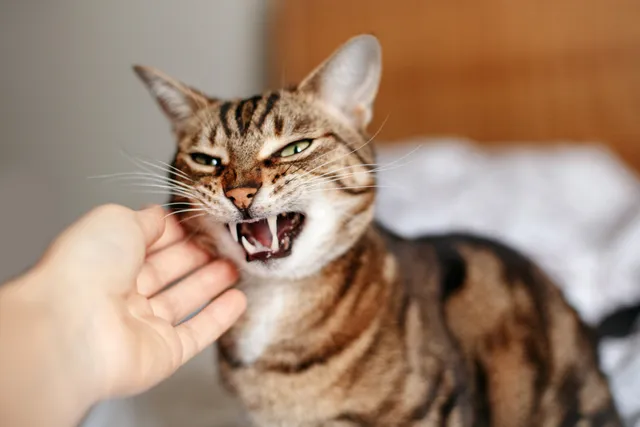
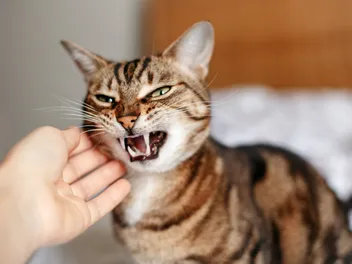
Cats have an unjustified reputation for holding a grudge. Perhaps it seems like you get the cold shoulder whenever you've been away or when you accidentally step on their tail. But are cats spiteful? Are they even capable of this behavior?
They aren’t. Cats do have short- and long-term memory and are capable of remembering a variety of events, people, and experiences that are important to them. They are less likely to remember minor issues to be fearful about if they are short-lived, lack intensity, and do not repeat themselves. But if a cat repeatedly experiences some kind of abuse or a negative experience, they will remember and create associations of such experiences with a certain person, event, or location, and they will most likely try to avoid them.
In short, you may think that you have a spiteful cat, but they are not vengeful or vindictive the way humans can be. They are however capable of remembering mistreatment.
In this article, we examine how a cat remembers things and whether they are capable of acting out of vengeance.
Note:

Are Cats Vindictive?
We humans love to anthropomorphize animals. There are plenty of videos out there that showcase cats at their best and worst behaviors, including seemingly doing things out of spite.
Cats do tend to let us know in no uncertain terms when they aren’t happy about something. Much of their behavior is determined by their temperament, previous experiences, the effect of stress and illness, and their relationships with their owners.
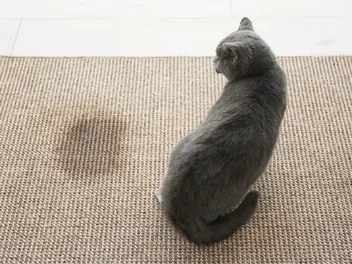
However, if your cat urinates on your shoes or your bed, don’t assume that this is some kind of vindictive lashing out because you were late giving them their breakfast. In fact, it is most likely a health or behavioral issue that’s unrelated to anything remotely spiteful.
That said, if a cat is exposed to repeated abuse, this is something that they will remember and have a response to, usually by avoidance. Cats will gravitate toward someone who cares for them and feeds them over someone who mistreated them particularly repeatedly. This kind of self-preservation helps keep them safe in the long run.

A Cat’s Short-Term Memory
Short-term memory, known as working memory, is what one might remember for only a short period, typically for 30 seconds or less. For example, we use short-term memory for remembering the name of someone we have just met.
A 2007 study found that cats can utilize their short-term memory for up to 10 minutes when faced with remembering the size and location of an obstacle. Basically, your cat will remember something like being startled when you dropped your phone, but only for a short period.
As long as the cat isn’t traumatized by something, they will only remember the event for a few minutes and forget about it quickly afterward.
A Cat’s Long-Term Memory
Seeking vengeance is dependent on long-term memory. Your long-term memories are based on the information that you keep beyond the short term. This can be as simple as what you ate for lunch yesterday or as complex as your childhood memories.
As for cats, how long they remember something depends on how strong the emotional connection is to the memory. It’s what enables cats to find their way home and avoid something dangerous, such as a dog or a specific person.
Survival instincts involve how well a cat can access their short- and long-term memories. If a cat encounters an aggressive dog on one street, they know not to go down that street again. A cat will not hold a grudge based on a memory, though. They will only react as a way to keep themselves safe.


When Your Cat Is Fearful or Anxious
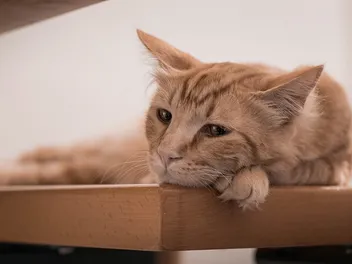
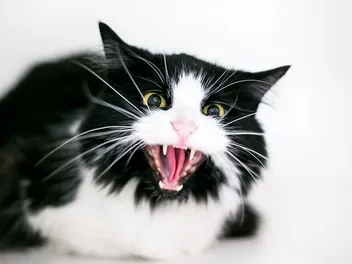
Some cats are naturally nervous and more easily stressed, and it doesn’t take too much to upset or anger them. This is why it’s essential to understand what will bother your own pet. Learning your cat’s body language can help you become a more understanding cat parent.
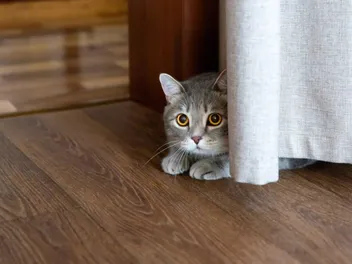
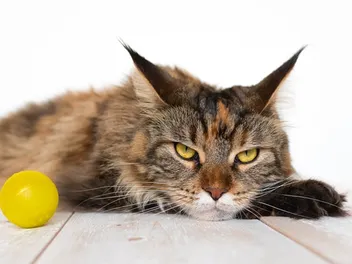
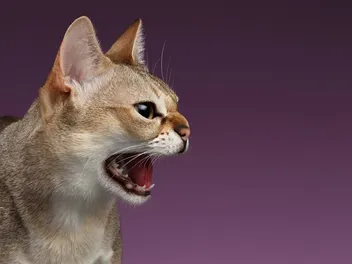
Visual signs that your cat is stressed, anxious, or fearful include:
Cats have also been known to purr when angry or scared, which is thought to be a form of self-soothing. If your cat is showing any of these signs, it’s best to leave them alone and try and identify the cause of their stress, so it can be eliminated.
What Makes Cats Stressed or Scared?
You usually know when your cat is scared or anxious if their behavior changes moments after an event. However, if your cat seems upset or fearful around a certain family member or is stressed out in general, you’ll need to understand why so you can learn from it and reduce the cause of their stress.
Obviously, some things are out of your control, such as moving to a new house or introducing a baby or new pet to the household. Most cats don’t love change, so if anything out of the ordinary has occurred in the home, it can potentially trigger some anxiety in a cat.
Other reasons that your cat might be stressed, anxious, or frustrated include:
It’s important to note cats usually show very subtle signs of being stressed, which may exacerbate if left unaddressed. They may lead to changes in their behavior, appetite, level of affection, toileting habits, and more. Cats that suffer from anxiety will have more issues with changes in the routine and household.
This requires a great deal of patience on your part and the ability to predict potentially stressful events, and then take action to minimize and prevent issues. Check out these 12 vet-approved tips and speak to a vet about the best option to manage your cat’s stress.
Tips for Dealing With a Stressed Cat
The most important thing that you can do is to understand the triggers so you can minimize them and give your cat space if they want it. If they are hiding under your bed, do not attempt to pull them out. Just keep things as quiet as possible, and let them come out when they’re ready. When your cat does emerge, speak to them in a calm and friendly voice, and keep your face neutral and relaxed.
Slow blinking is a way that you can let your cat know that they can trust you. While your cat is looking at you, slowly close your eyes, keep them closed for about 2 seconds, and then open them. When your cat slow blinks at you, they are letting you know that they trust you because closing their eyes, even for a moment, makes them vulnerable. Slow blinking at your cat tells them that you trust them.
However, if your cat is not coming out of hiding for hours, or they have not eaten anything in a day, seem painful or lethargic, or is showing any signs of illness or abnormal behavior, they should be checked out by a veterinarian immediately.
Helping Anxious Cats in the Long Term
If you have an anxious and stressed cat, there are steps that you can take to make them more confident in their environment:
- Spend quality time playing with your cat (several 15-minute play sessions a day are important).
- Artificial pheromones like Feliway can help stressed cats.
- Avoid using strong scents in the home.
- Try to prevent loud noises.
- Cat enrichment is paramount (cat trees, toys, and scratching posts can help).
- Encourage mental stimulation and physical exercise through interactive games and food puzzles.
- Stick to a familiar and predictable routine (especially around meals).
- Ensure they have their own resources, such as beds, bowls, toys, and litter boxes, that they do not need to share with other cats in the home.
- Keep their resting area quiet and free of other pets and children.
If your cat still seems anxious, you should speak to a vet. Some medications can help an anxious cat, but you can also try consulting with an animal behaviorist.
Conclusion
Cats are definitely capable of remembering bad things, but they don’t exactly hold a grudge. Undesired behavior is usually an indication that something else is going on, whether that be a health problem, anxiety, stress, or fear.
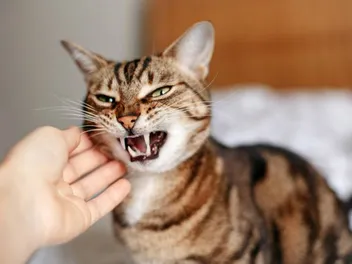
So, if you accidentally step on your cat’s paw, they aren’t going to pee on your shoes. If your cat’s behavior has changed or they are doing something that annoys you, they are not being vindictive, and this is more likely a sign of an underlying medical issue or stress that requires veterinary attention. That said, if you step on their tail and they swat you in return, that’s a direct response to you, but they will let it go too soon and definitively not be thinking about how to get back to you tomorrow.
Speak to a vet if you’re ever concerned about your cat, and remember to treat your cat with love and it will be reciprocated!
Sources
Featured Image Credit: KristiBlokhin, Shutterstock
Expert cat care, straight to your inbox
News, insights, and useful advice, delivered to you.

No spam — unsubscribe anytime.
By signing up, you agree to our Terms & Conditions and Privacy & Cookies Policy.
How useful was this post?
Click a star to rate. You can leave written feedback afterwards. (We read all feedback.)
Kathryn was a librarian in a previous lifetime and is currently a pet writer. When she was a child, she hoped to work in ZOOs or with wildlife in some way, thanks to her all-consuming love for animals. Sadly, she's not strong in the sciences, so she fills her days with researching and writing about all kinds of animals and spends time playing with her adorable but very naughty tabby cat, Bella. Kathryn is hoping to add to her family in the near future – maybe another cat and a dog.