6 Reasons Your Cat Kneads and Purrs: Vet-Approved Facts


Cats knead for various reasons, from showing affection to soothing themselves, and nothing beats being on the receiving end of sweet kitty affection! Holding your cat while they knead and purr can make all your human worries vanish into thin air. You are not alone if you have ever wondered why your cat does these adorable things. Read on for a rundown on the reasons why cats knead and purr.

The 6 Typical Reasons Why Cats Knead and Purr
1. Normal Kitten Behavior
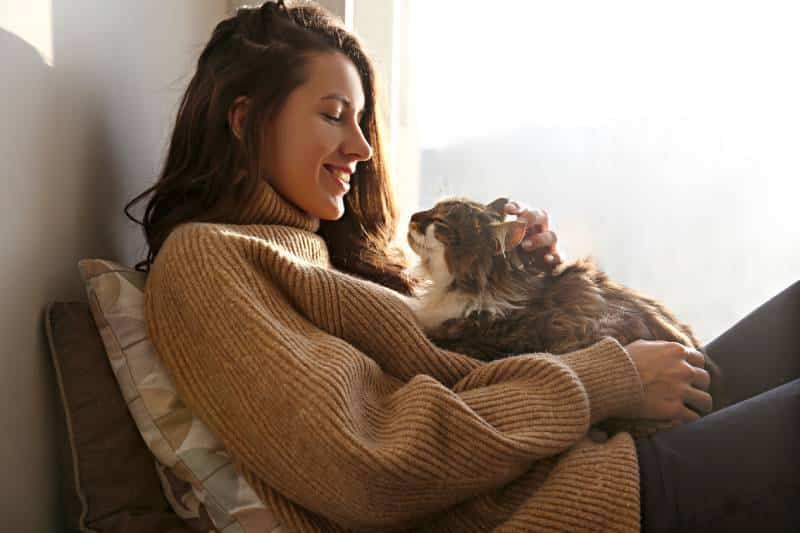
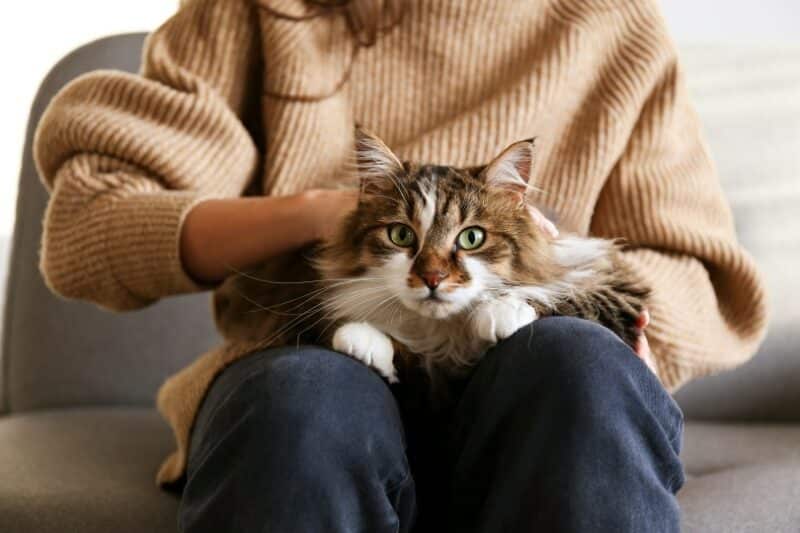
Kittens knead their mother's mammary glands to stimulate the milk flow, and they may grow to associate kneading with the deep comfort of nursing. The action of kneading provides adult cats with the same feeling of contentment. Grown cats tend to knead when they are around a special person that makes them feel safe and loved.
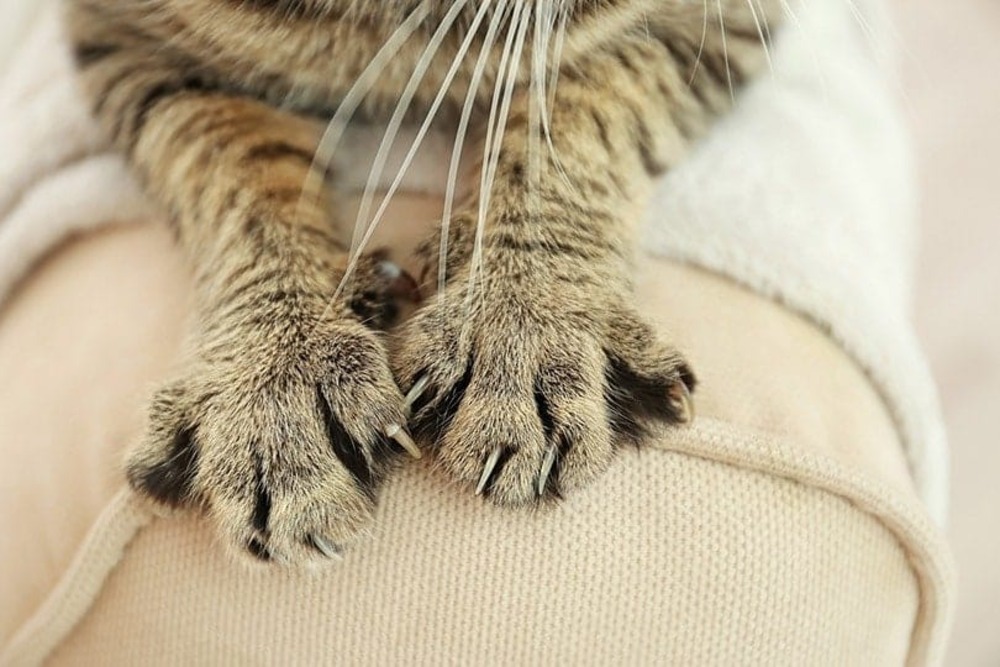
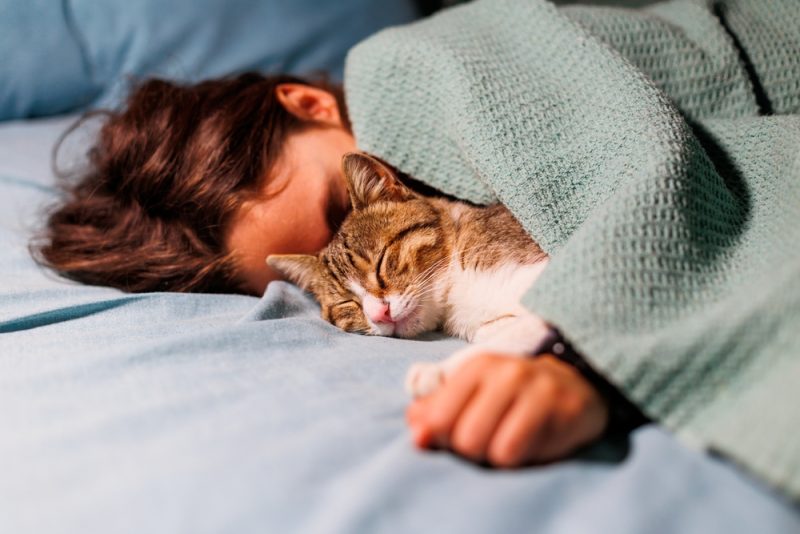
They will often knead their human's chest, side, or lap. Sometimes they will knead a favorite object like a blanket or stuffed animal close to their owner. Nothing makes a kitty happier than being allowed to knead on their trusty blanket while being held by their favorite person. Interestingly, every cat has a particular way of kneading. Some use claws, and others don't. Some go at it with all four paws, while others stick to their front two!

2. A Sign of Affection
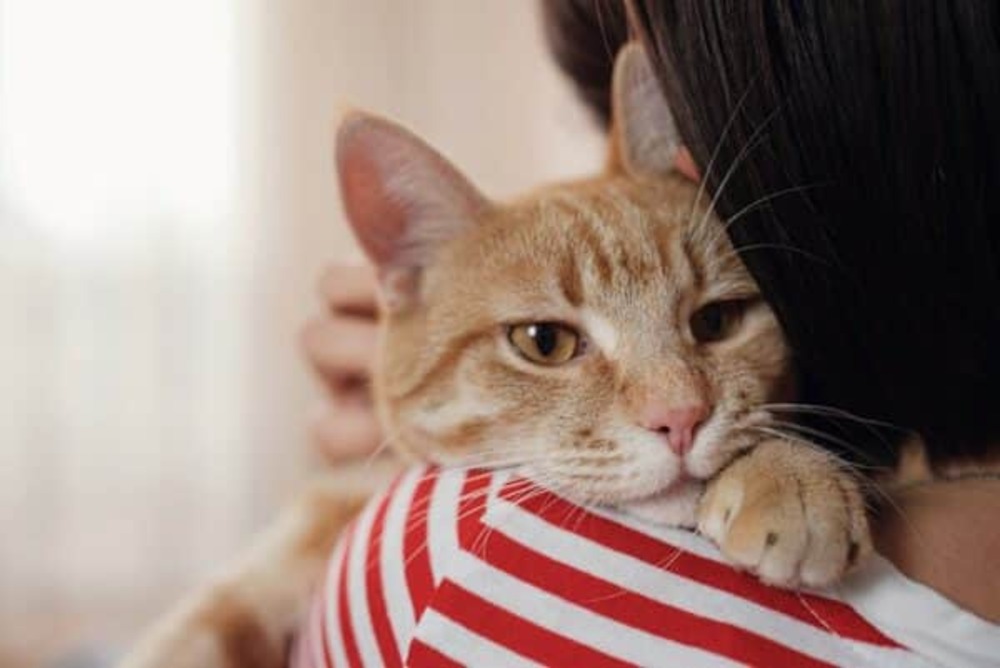
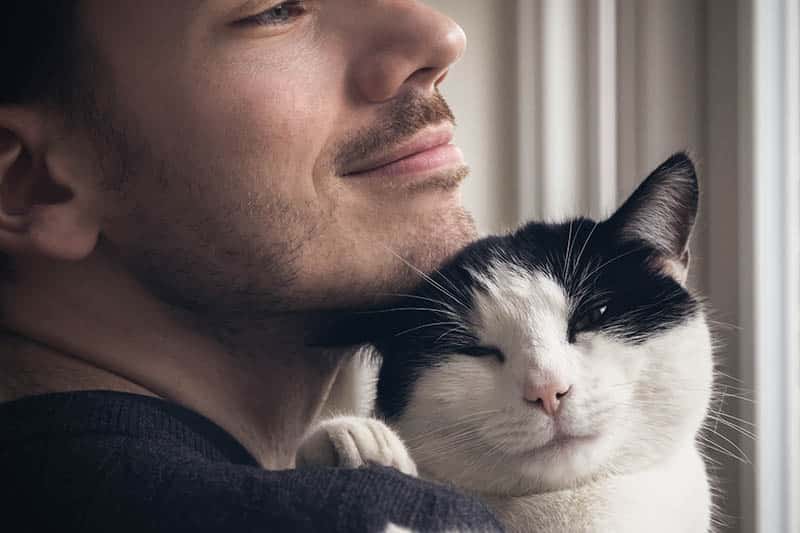
Cats bond deeply with their humans, and kneading is one of the most common ways for cats to show their human companions how much they're loved. When a cat jumps on your lap and decides to knead, it's not just because the activity reminds them of the warm love they received from their mother, but it's also because they feel love and contentment when close to you!
Of course, it's not much fun to be on the receiving end when your feline kneads using their claws! If your kitty likes to extend those claws all the way while losing themselves in dreamy adoration, consider keeping a blanket or sweater close to the locations where your cat likes to knead.
3. A Convenient Way of Stretching
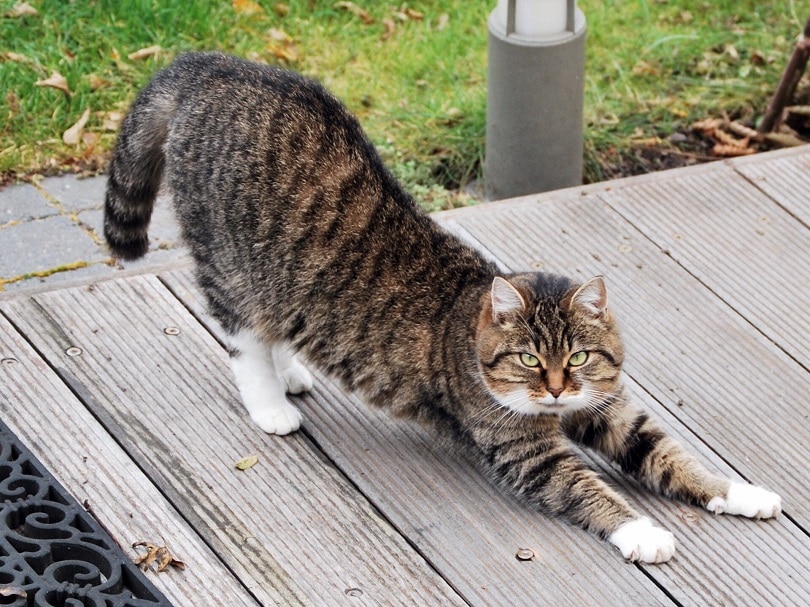
Cats love to stretch, and for some reason understood only by kitties, they particularly love to stretch after a good workout with a scratching post. If your pet has a scratching post or some other sort of scratching toy, you'll often see them go to town with their claws and then knead at the end of their session to relax and stretch out their tight legs and paws. You'll also often see cats kneading the area where they're planning to take a nap. In the wild, cats knead tall grass to tamp it down and create a soft place for a snooze. Lions, tigers, and other big cats also knead; it's a deeply ingrained instinct shared by almost all cats, big and small.

4. Marking Their Territory
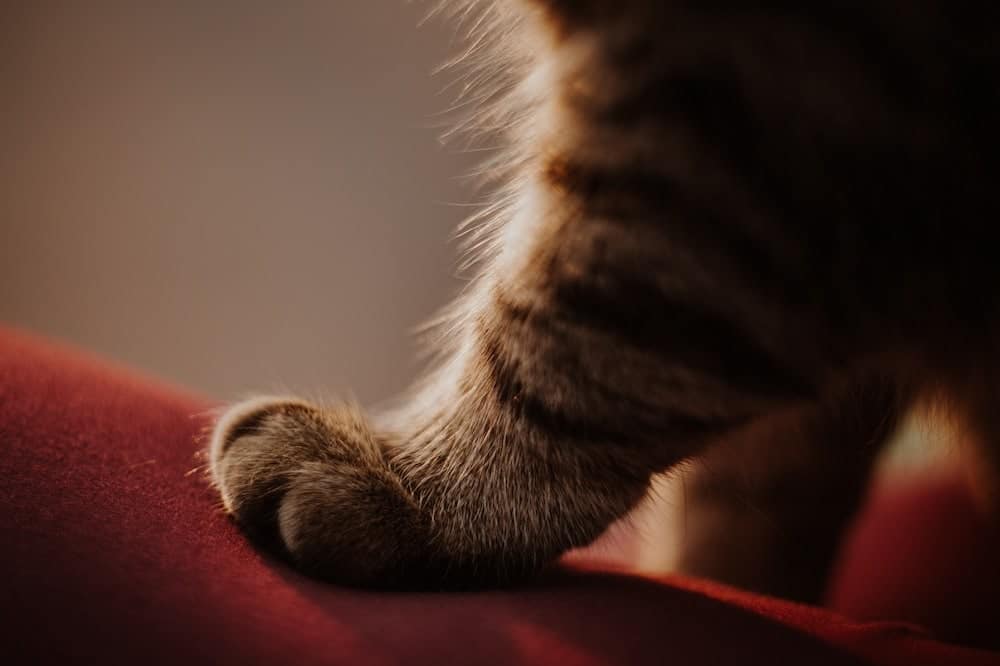
Cats have amazing paws! Not only are they full of nerve endings that make it possible for them to do amazing things like balance on tiny edges, but cat paws also are packed full of scent glands. When a cat kneads, they're also introducing their scent to whatever they're touching, which can be an essential way of marking what's theirs in multi-animal households.
If you live with more than one cat or a cat and a dog and see your cat kneading on their favorite chair, they're most likely telling the other four-legged household members to find somewhere else to hang out. Also, when your cat kneads any part of you, they mark you as theirs with their scent.
5. Mating Behavior
When a female cat goes into heat, it means she's fertile. Female cats that haven't been spayed provide several clues to let you and potential mates know they’re in heat. They often begin to vocalize excessively and become needy, wanting tons of attention.
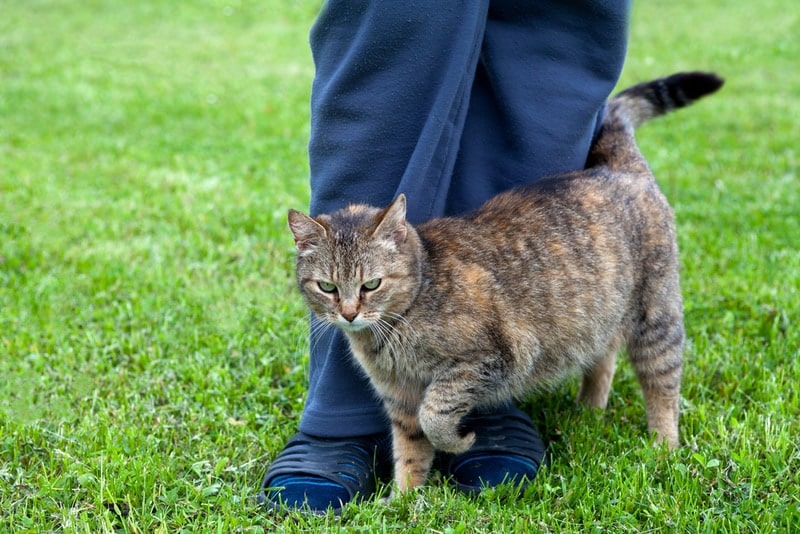
They'll also attempt to escape so they can come into contact with mates. Frequently, they'll rub against just about everything, including you and anything else they can get close to. It's a way of spreading pheromones that let male cats know they're in heat. Because a cat's paws have scent glands, queens in heat will often knead in addition to rubbing against things.
You can generally tell the difference between simple kneading and head rubbing as opposed to behavior related to estrus by the very specific tail position female cats display when looking to mate.
Final Thoughts
Cats knead and purr to show affection and soothe themselves. When a cat snuggles up to you, pat yourself on the back and congratulate yourself on being a great buddy to your cat!
Related Read: Why Does My Cat Knead Me?
Featured Image Credit: Victoria Emerson, Pexels

Expert cat care, straight to your inbox
Vet-reviewed advice, behavior tips, and the best of Catster. Free, and you can unsubscribe anytime.
By signing up, you agree to our Terms & Conditions and Privacy & Cookies Policy.
Lorre Luther is a writer who is firmly convinced that cats are smarter than humans. She left her law career in the United States and moved to the Netherlands to follow her dream of becoming a writer. Lorre currently lives in Rotterdam, she enjoys traveling and greatly appreciates the beauty of nature. Lorre has a spot for animals and admires the intelligence of cats.
Join the conversation
Ask a question, share your story, or send private feedback.