Colorpoint Shorthair Cat Breed Info, Pictures, Temperament & Traits
In this article
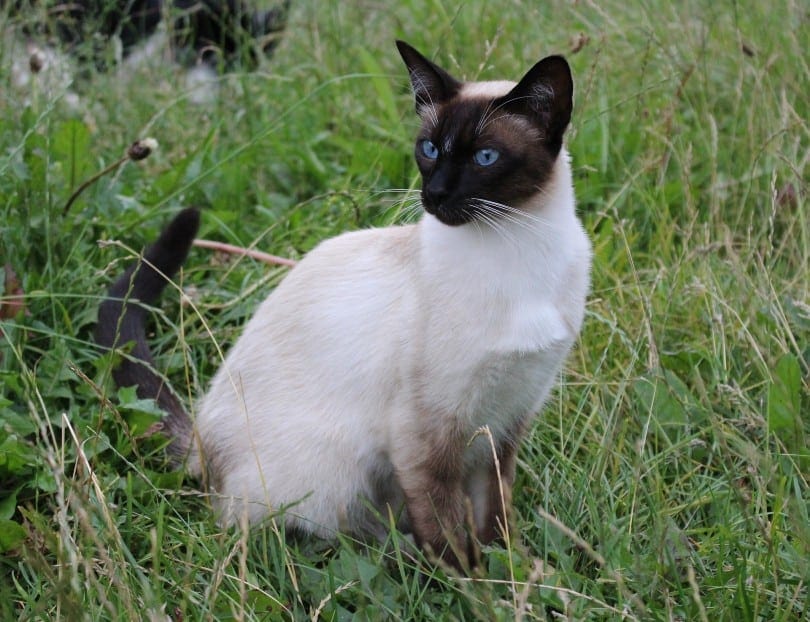
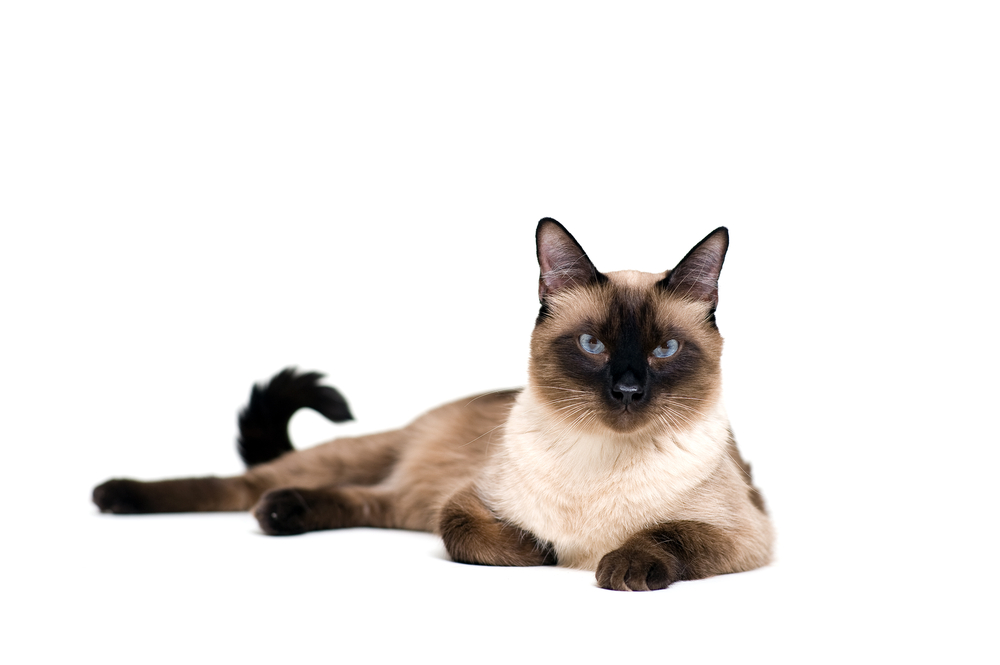
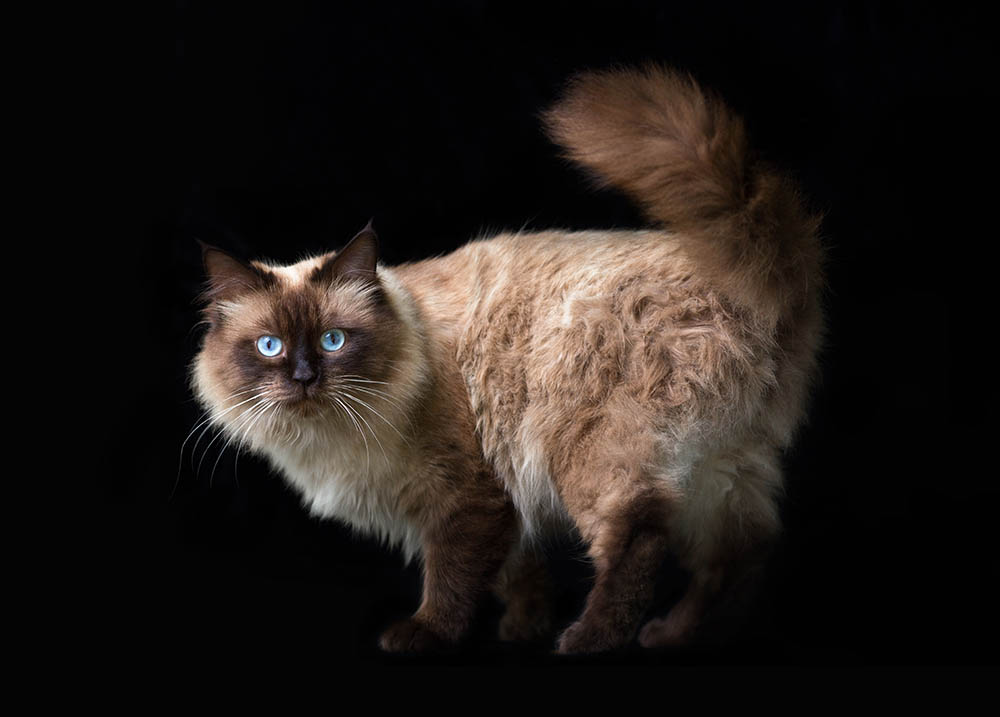
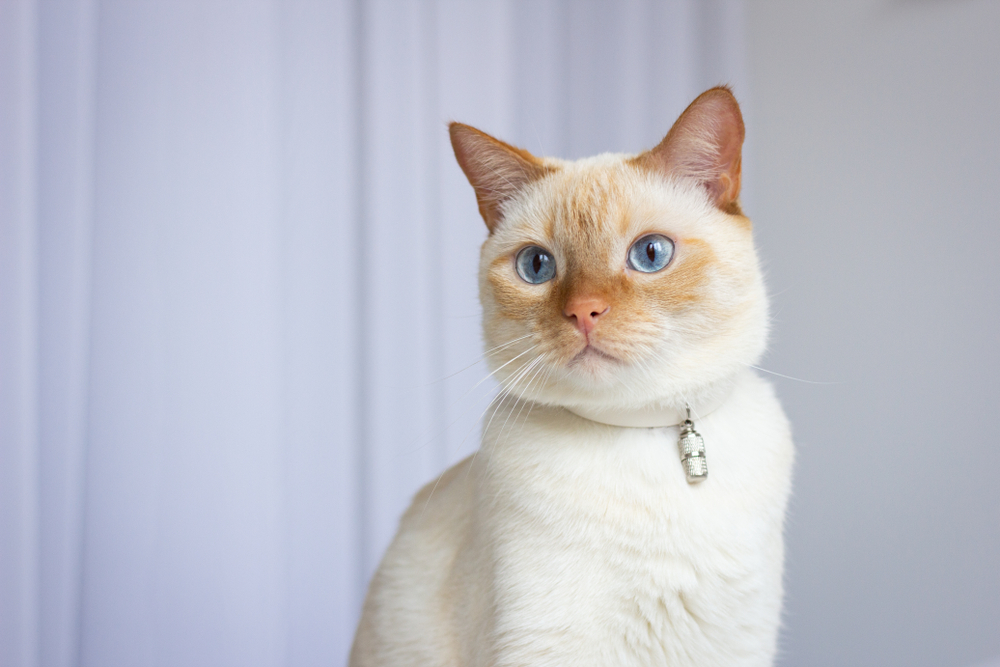
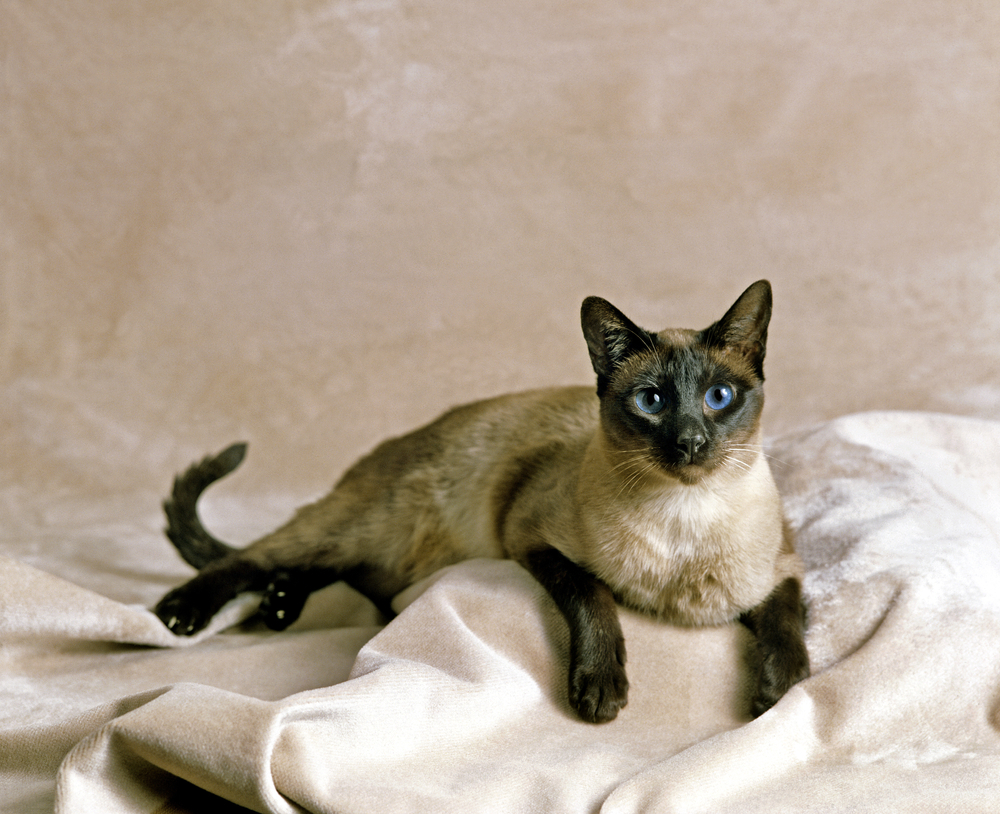
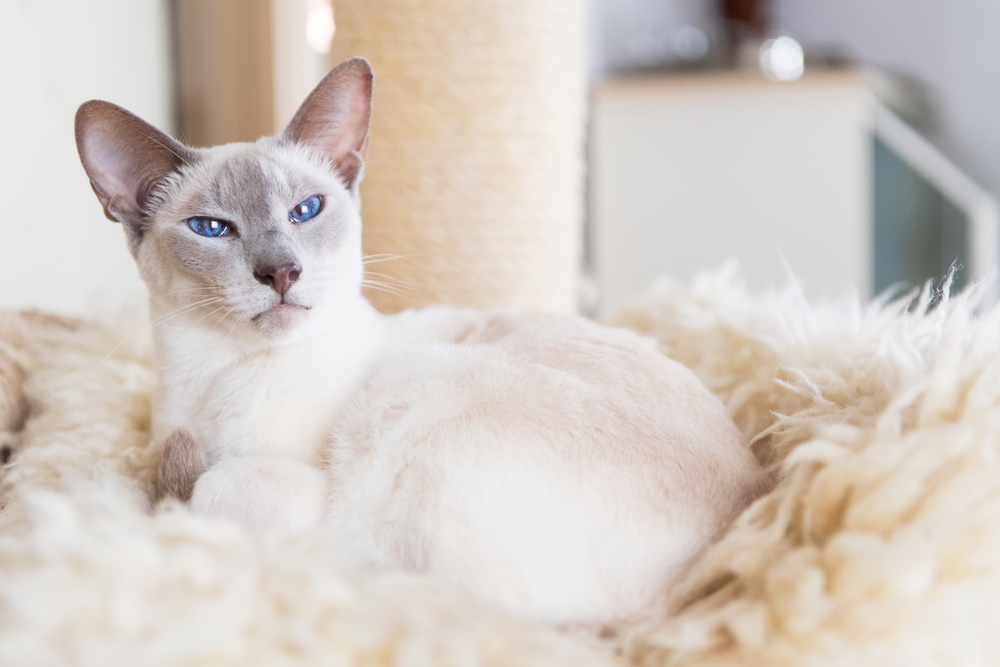
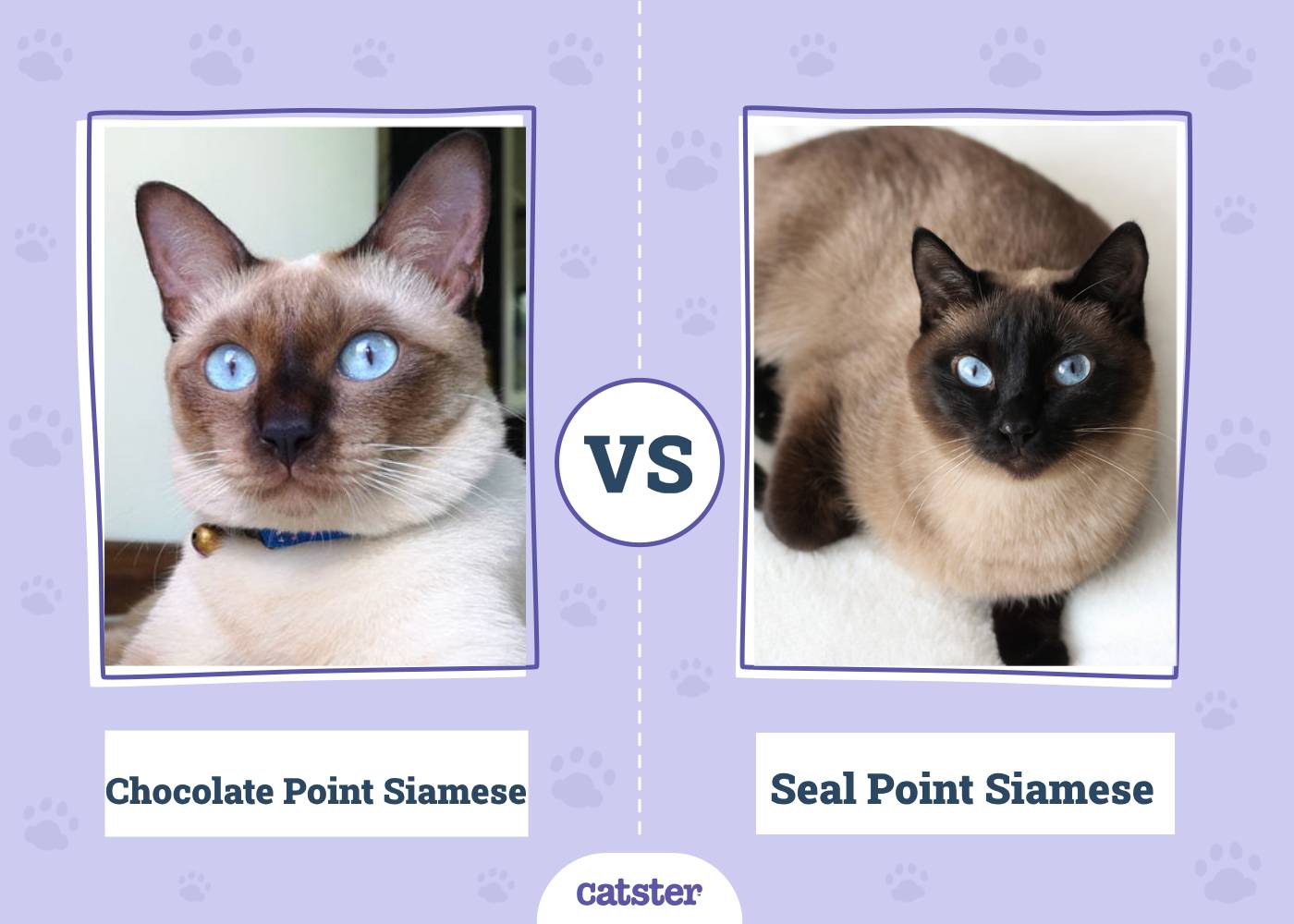
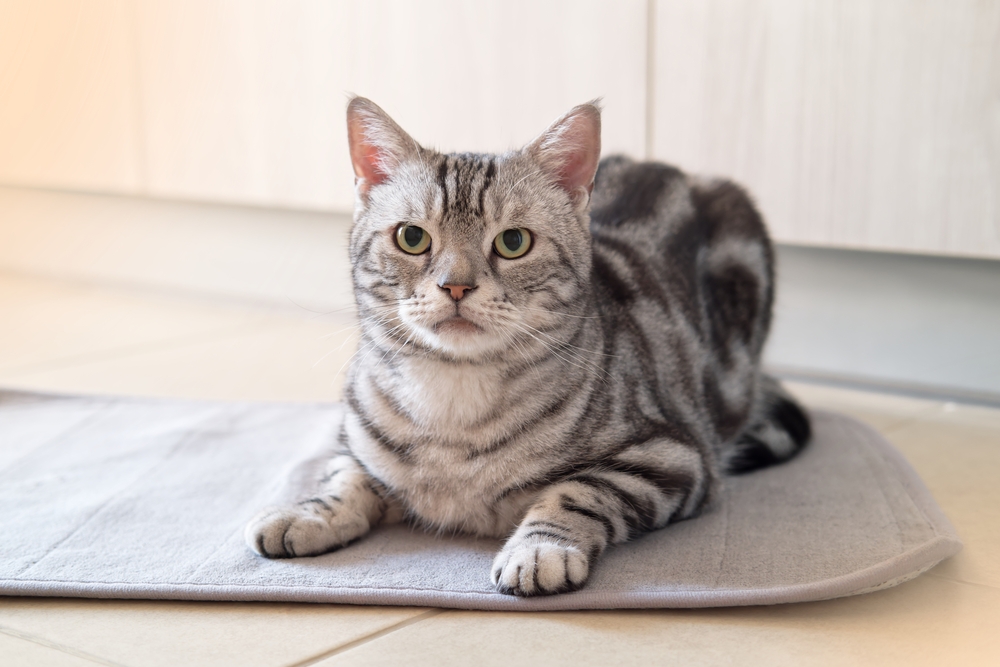
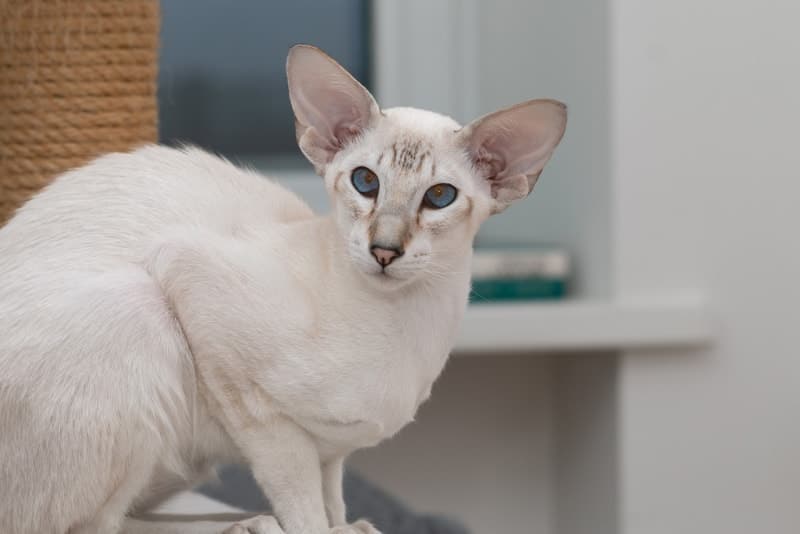
The Colorpoint Shorthair is a Siamese cat of a different, non-traditional color. The breed was developed in an attempt to create a Siamese Cat with more color variations than the traditional seal, chocolate, blue, and lilac colors that are accepted among Siamese. Breeders crossed a Seal Point Siamese with American Shorthair, and the breed slowly developed into 16 different pointed colors and patterns.
Breed Overview
Height:
Weight:
Lifespan:
Colors:
Suitable for:
Temperament:
As you’d imagine, these cats are similar to their Siamese cousins in appearance and personality. They are outgoing, affectionate, and playful cats known for their vocalization and tendency to “talk” to their owners when they want attention. They love to be around their owners and are often described as needy; they adore attention and do not enjoy being left at home alone.
If the Colorpoint Shorthair sounds like the breed for you, keep reading below for an in-depth look at this gorgeous breed.
Colorpoint Shorthair Characteristics

Colorpoint Shorthair Kittens

Before bringing home a Colorpoint Shorthair, it’s worth mentioning that they are incredibly vocal and will cry when they want food or attention and then continue afterward to say thank you! This vocalization is constant and overwhelming for some owners, so you should be prepared for a vocal pet before bringing one home.
They can also be fairly demanding of attention and don’t enjoy being left alone for long periods, and you should take that into careful consideration if you are away from home frequently. The Colorpoint Shorthair shares many traits with Siamese Cats, so keeping with the advice of Siamese owners, you may consider bringing home a pair to keep each other company.
Temperament & Intelligence of the Colorpoint Shorthair 🧠
The Colorpoint Shorthair is a playful, highly intelligent, and exceedingly friendly breed. They are affectionate cats that, like their Siamese cousins, love nothing more than to be close to their owners. They are highly attention-seeking and have a real need for human interaction, and this can lead to destructive behavior if they are left alone for extended periods. They can become attached to one owner, and while they are generally friendly toward family members, this can lead to possessive and jealous behavior at times.
They are curious cats that love to explore their surroundings and can often be found perched high up in the home to observe the activities around the home. These cats are playful and energetic, and this, combined with their friendly and outgoing nature, makes them a great family pet. They love to interact and play with their family with toys and balls and will benefit greatly from having another Shorthair to keep them company.
While these cats are energetic and playful, they adore being on their owner's lap, too. They love to be cuddled up with their owners in soft blankets and are known to sleep on the bed with their human parents.
Are These Cats Good for Families? 👪
Colorpoint Shorthairs are ideal family cats. They love to play, are gentle with children, and are extremely affectionate, making them a great addition to any family. They are a fairly needy and attention-seeking breed, so they do not enjoy being left at home alone for extended periods.
Does This Breed Get Along With Other Pets? 🐶🐱
Colorpoint Shorthairs are friendly and outgoing cats that get along great with other cats, especially with other Colorpoint Shorthairs. They are generally okay with the family dog, but early socialization and proper introductions are essential. These cats are expert ratters, which is ideal for homes with rodent problems but may be an issue if the rodent is your beloved pet!


Things to Know When Owning a Colorpoint Shorthair
Food & Diet Requirements 🐡
Colorpoint Shorthairs are long, lean, medium-sized cats. If not fed carefully, these cats can swiftly get overweight or become obese, which can lead to a host of health issues, like heart disease, diabetes, and exacerbated joint issues due to the added weight. That is why we advise against free feeding and too many snacks.
Your Colorpoint's diet should consist of high-quality dry food with at least a 40% protein content, and this should be from animal sources like chicken or fish. This will give them the essential amino acids and vitamins needed to thrive. Steer clear from foods with protein sources from vegetables since they are not readily absorbed.
We recommend splitting their daily meals into two and mixing up their food for added variety. Add in quality wet food or lean meats occasionally, and avoid foods with filler ingredients. These are often made up of grains, and as cats are obligate carnivores, these will cause digestive tract issues and possibly lead to excess weight gain.
Exercise 🐈
The Colorpoint Shorthair is moderately active and doesn’t need a huge amount of exercise. This is made far easier if they have a playmate, as they will be exerting much of their energy with their pal. A climbing tree is a great idea, especially if your Shorthair stays indoors. They love to be up high, and the tree and a few toys should be more than enough to keep them adequately exercised.
The intelligence and curiosity of these cats make them adore puzzle games and interactive play toys, and purchasing these extras is well worth the money.

Training 🧶
Colorpoint Shorthairs are intelligent animals that are usually easy to train. By beginning training early, you’ll save yourself time in the future correcting bad habits, and you can begin basic command training and house training as soon as you bring your kitten home. These cats can be trained to perform tricks and are known to play fetch.
Grooming ✂️
Colorpoint Shorthairs have a short, glossy coat that is a breeze to keep properly groomed and maintained. They are low-shedding cats, so brushing once or twice a week is perfectly adequate to remove any dead hair or dirt build-up.
Brushing also helps keep your cat’s coat smooth and healthy by distributing its natural oils. The only other things to be aware of are to consistently check their ears for any redness or signs of infection and to make sure they have a scratching post to keep their claws short and trim.
Health and Conditions 🏥
Colorpoint Shorthairs have a fairly long lifespan, especially when kept indoors, but they are prone to several genetic health disorders. These include many of the disorders common in their close cousins, the Siamese. These include the following:
Amyloidosis. This disease is characterized by the deposit of amyloid proteins outside of the cells in various organs. This disorder may eventually lead to tissue and organ failure and high blood pressure. Protruding sternum, also commonly referred to as “funnel chest,” is a disorder typically caused by a birth defect and may result in breathing issues.
Colorpoint cats are also prone to various eye issues, including crossed eyes, retinal degeneration, and progressive retinal atrophy. In addition to this, there are reports from owners that these cats have hypersensitivity toward some vaccines, so be sure your vet is aware of this.
Male vs. Female
While the differences between male and female Colorpoint Shorthairs are primarily anecdotal, it is still an essential factor to consider when deciding to bring home a kitten. Males are typically more affectionate and sociable and love all the attention they can get.
They are known for attaching themselves firmly to one owner, but this is pretty common among females, just less so. Males also tend to be more playful than females and are always up for a play session, which they’ll make you aware of with their unique vocalizations!
While males and females have a few distinctive traits, it’s important to note that every cat has a unique character and personality, which is affected by their upbringing and environment more than their sex.

3 Little-Known Facts About the Colorpoint Shorthair
1. Colorpoint Shorthairs are not always considered a separate breed
According to the Cat Fanciers Association, the Colorpoint Shorthair has been considered a separate breed since the early 1960s. However, that is not always the case. Some breeders consider the breed a different color variation of the Siamese because the two are so closely related, and The International Cat Association does not recognize Shorthairs as a separate breed.
The breed is also known by different names in different parts of the world and is referred to as Himalayans in Europe, for example.
2. They come in 16 different color variations
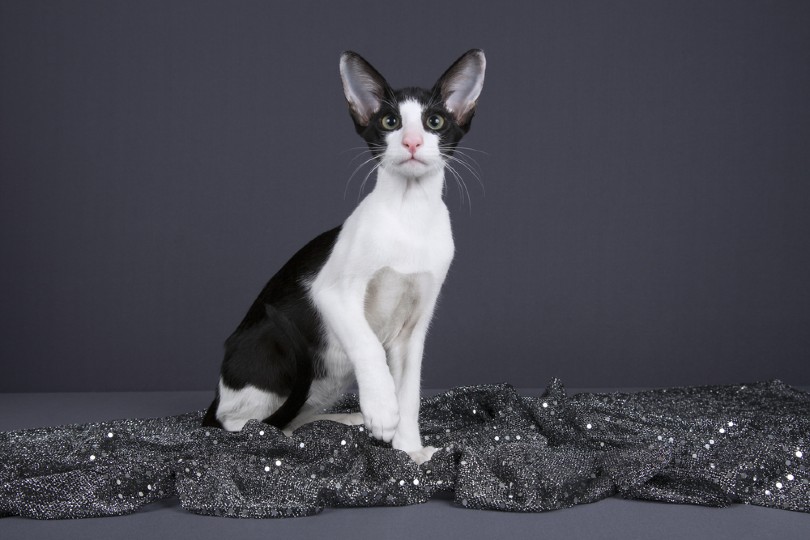
As a close cousin of the Colorpoint Shorthair, the Siamese is recognized in only four colors, which is largely why the Colorpoint Shorthair was developed, to allow for more color variations. The Colorpoint Shorthair has 16 accepted variations, including solid color points, like red and cream; lynx points, including seal lynx point, chocolate lynx point, and blue lynx point; and parti-color points, like seal-tortie point, chocolate-tortie point, and lilac-cream point.
3. They are uniquely vocal cats
As most Colorpoint owners will tell you, these cats are highly vocal and will use their vocalizations to get your attention and whatever they want. This can be a real concern for owners living in apartments or small homes, as these vocalizations can become incessant. These cats are known to be capable of over 100 unique vocalizations, which is far more than most other cat breeds.

Final Thoughts
The Colorpoint Shorthair is the close cousin of the Siamese and shares several physical and temperamental traits with the breed. These cats love attention, affection, and interaction and will make it known by their loud and unique vocalizations. They make ideal family cats because they are outgoing and social and make fast friends with new faces.
Colorpoint Shorthairs do not enjoy being alone for extended periods, so we recommend getting them a friend if you are away frequently. They are easy to care for and groom, and as long as you are okay with a lot of crying, they make an ideal family cat!
Featured Image Credit: Vladimir Gudvin, Shutterstock

Expert cat care, straight to your inbox
Vet-reviewed advice, behavior tips, and the best of Catster. Free, and you can unsubscribe anytime.
By signing up, you agree to our Terms & Conditions and Privacy & Cookies Policy.

Christian started writing for a local newspaper as a teenager, and he's been involved in the publishing industry for most of his adult life. Combining his love of writing with a passion for animals, he is currently the Director of Editorial at Pangolia and the Editor-in-Chief at Catster.
Christian lives in the Philippines with his wife, son, and four rescue cats: Trixie, Chloe, Sparky, and Chopper.
Join the conversation
Ask a question, share your story, or send private feedback.