Do Cats Pee Blood When Stressed? Vet-Reviewed Causes For Blood In Urine


In this article
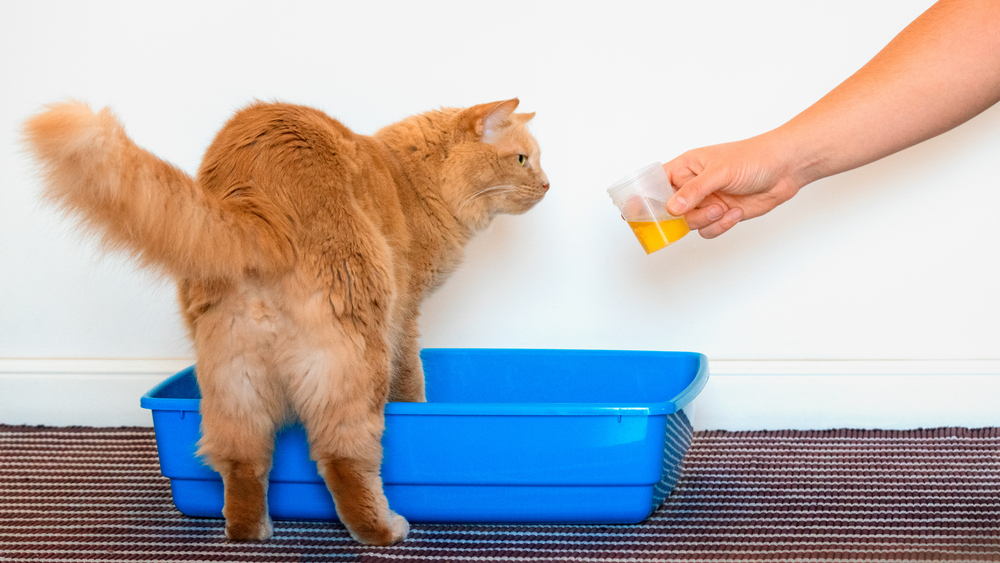
Any health problem that affects your four-legged friend is cause for concern, especially if it seems like your cat is peeing blood. The presence of blood in the urine is called hematuria, and it can be caused by various underlying medical conditions, ranging from a bladder or kidney infection to inflammation induced by stress 1. Some conditions may be more severe than others, which is why you should take your cat to the vet as soon as you notice traces of blood in their litter box.
Here is a brief overview of the possible reasons for the presence of blood in your feline companion's urine.

The 6 Causes for Blood in Urine
1. Feline Idiopathic Cystitis (FIC)
FIC, or Pandora syndrome, occurs when a cat's kidneys or bladder become inflamed for no clear reason. This is not caused by bacteria, viruses, cancer, or injury, but it is a reason for blood in a cat's urine. The exact cause is unknown, but factors like stress, hormones, infections, anxiety, diet, and genetics may be involved. Both male and female cats can be affected.
The main goal of treatment for FIC is to reduce stress, as it is a significant trigger for this condition. Treatment includes fluids, painkillers, and medications to provide relief to the cat. However, even with treatment, blood in the urine may persist.
2. Feline Lower Urinary Tract Infections (UTIs)
Feline UTIs are bacterial infections affecting the bladder and urethra, usually caused by bacteria like Escherichia coli. Unlike with dogs, UTIs are not that common in cats. However, they may present similar signs, such as frequent and painful urination, straining, and blood in the urine. Various factors contribute to these infections, including urinary stones, weakened immune systems, and diseases like diabetes. Diagnosis involves a veterinary examination and urinalysis, with antibiotics being the typical treatment.
3. Kidney Infection
One reason that your cat might have blood in their urine is a condition called pyelonephritis, which is a kidney infection that can be caused by bacteria from the urinary tract moving up to the kidneys. Kidney or ureteral stones are possible factors that lead to this problem by blocking normal urine flow.
4. Trauma
Whether it’s inflammation or injury to the kidneys or ureters, trauma can result in blood appearing in the urine. This happens because the delicate tissues in the urinary tract can get damaged during an injury, leading to bleeding.

5. Bladder Stones
Bladder stones and crystals are tiny solid particles that can form in a cat's urine when there's a large amount of waste in it. These particles start as crystals that can only be seen under a microscope, but they can grow over time and form stones. These stones or crystals can appear in different parts of the urinary system, such as the kidneys, bladder, or the tube connecting the bladder to the outside (urethra). If these stones block the flow of urine, it can lead to kidney problems, and if it's a complete blockage (called urethral obstruction), it becomes a life-threatening issue that needs immediate veterinary attention.
6. Urinary Tract Tumors
A urinary tract tumor is a type of cancer caused by uncontrolled cell growth in the urinary system. It can affect the kidneys, ureters, bladder, and urethra. Transitional cell carcinoma is the main type. Besides blood in the urine, these tumors can cause signs similar to UTIs, such as difficulty urinating and frequent urination.
What Should You Do If You See Blood in Your Cat’s Pee?
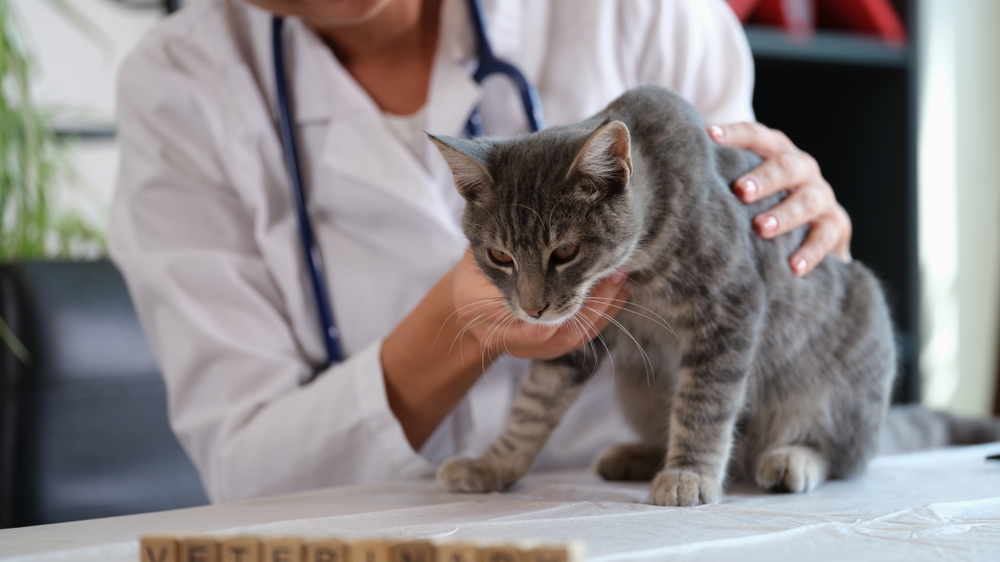
If you notice bright red, orange, or brownish blood in your cat's litter box or if the urine has blood clots, you should take your cat to the veterinarian for a thorough examination. They will perform various tests, including urine tests, blood tests, imaging studies, and perhaps fine needle aspirates of any suspicious areas. Treatment for blood in a cat's urine depends on the underlying problem and may include antibiotics for infections, dietary changes to prevent crystals from forming, surgery for bladder stones, and other recommended treatments by your veterinarian.

How Can You Prevent Blood in Your Cat’s Pee?
While it may be impossible to prevent your cat from having blood in their pee, there are things that you can do at home to at least help manage your cat’s stress. Here are simple ways to decrease your feline friend's anxiety:
- If you have more than one cat in your household, provide each cat with a quiet area with raised perches to retreat when they feel overwhelmed, with separate food and water bowls. Aim for one litter box per cat and ideally, one more. Keep beds and litter boxes away from high-traffic areas of your home.
- Cats suffering from urinary tract inflammation may benefit from specialized, veterinarian-formulated foods. Consider varying their diet by adding a canned food to their dry kibble, as it will have a higher moisture content.
- Since good hydration helps reduce the concentration of urine, thus minimizing the formation of crystals and stones, speak to a vet about ways to add more moisture to their food. Adding additional water bowls and fountains may be helpful, but offering more wet food may be even better.
Although preventing blood in your cat's urine is not guaranteed, these tips can help their overall well-being.
Conclusion
If you notice blood in your cat's urine, it's not something to ignore, as it could signal a serious health problem. That's why it's best to take your cat to the vet right away, so they can run tests and begin treatment to get your feline friend back on track.
Sources
Featured Image Credit: Andriy-Blokhin, Shutterstock

Expert cat care, straight to your inbox
Vet-reviewed advice, behavior tips, and the best of Catster. Free, and you can unsubscribe anytime.
By signing up, you agree to our Terms & Conditions and Privacy & Cookies Policy.
Genevieve is both a biologist and a science writer, driven by her deep love for capuchin monkeys, pumas, and kangaroos. Her dedication to wildlife has taken her across the globe, from Bolivia and Guatemala to Canada and Australia, working and volunteering at various rehabilitation centers. As a Canadian living in Argentina, Genevieve starts her days with horses and cows greeting her from the plains outside her home office. She is the proud parent of three rescued dogs—Lemmy, Nala, and Pochi—and an energetic kitten named Furiosa. The opportunity to share her passion and expertise in animal care brings her great satisfaction.
Join the conversation
Ask a question, share your story, or send private feedback.