Pandora’s Syndrome in Cats: Causes, Signs & Treatment (Vet Answer)

Have you ever been stressed for a long time, and as a result of this had a bad skin break out or picked up a head cold? In many ways, cats aren’t too different to us. Chronic stress leads to many illnesses in people and cats alike.
Pandora’s Syndrome refers to a complex and challenging disease in cats, presumed to be related to chronic stress. Cats suffering from Pandora’s Syndrome have a long list of potential signs related to many different body systems. The urinary system is the most commonly involved. For this reason, Pandora’s Syndrome was previously referred to as “feline lower urinary tract disease” or “feline urological syndrome”, and stress or anxiety was believed to be one of the main causes of the urinary issues.
However, new research suggests that many other organs in cats are affected by chronic stress, including the heart, the digestive system, the respiratory tract, and even the skin. This article will explain Pandora’s Syndrome in cats—what’s behind the name, why it matters, and what can be done to improve their overall well-being.

Where Does the Name Originate?
In Greek mythology, Pandora opened a box that led to many complicated problems. The more we research cats, the more it seems that stress potentially plays a role in many of the poorly understood feline health problems.
Previously, many other names were given to the urinary issues associated with stress. Recently, a leading veterinarian in the field named Dr. C.A. Tony Buffington, proposed the name Pandora’s Syndrome, after years of research revealed that stress or anxiety was potentially affecting much more than just a cat’s bladder.

What Is Pandora’s Syndrome in Cats?
Pandora’s Syndrome is an “umbrella” term used to describe cats with many diseases, potentially all stemming from chronic stress. These cats are in a constant state of “fight or flight”, and cannot appropriately control their stress response. This may be the result of maternal stress during pregnancy or early trauma experienced by the kitten; genetics and stressful home environments likely also play a role. As a result of chronic stress, these cats develop “co-morbidities”. This term describes the presence of two or more different diseases at the same time. For example, the cat may have respiratory illness such as cat flu, while also having difficulty urinating due to an inflamed bladder. Or, they may have early heart disease and diabetes. Whatever the situation, stress is believed to be a key driver for all of the problems.
What Are the Signs of Pandora’s Syndrome in Cats?
This depends on which body system is involved. The most commonly involved body system is the urogenital or urinary system. Signs include:
- Straining to urinate
- Passing small amounts of urine
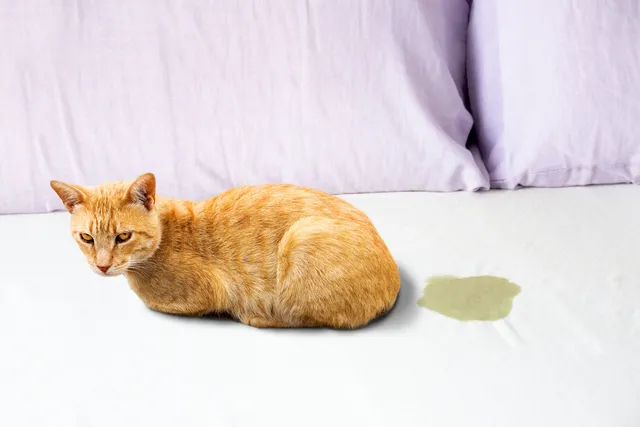
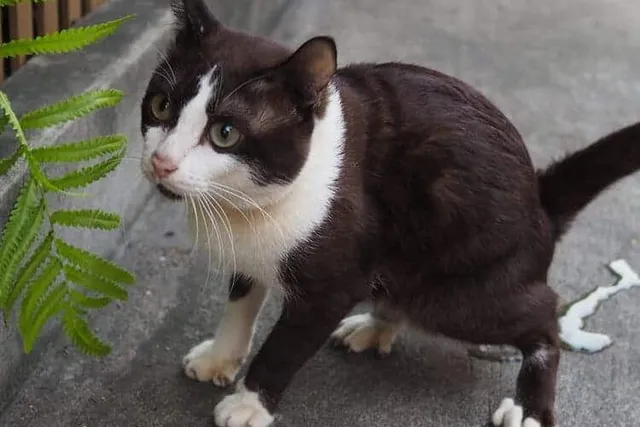
- Urinating in abnormal locations
- Frequenting the litter tray
- Vocalizing while urinating
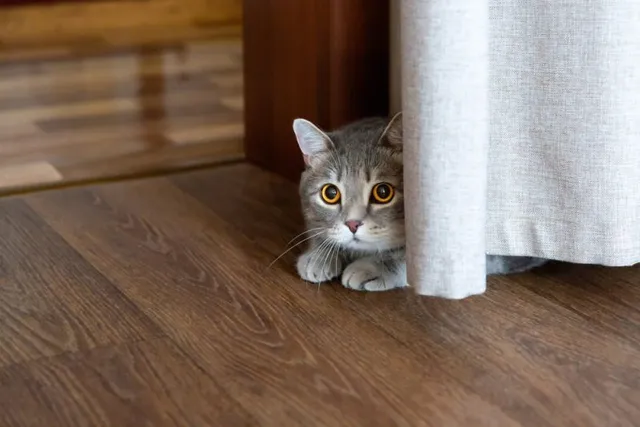
Behaviorally, affected cats are often excessively hiding, showing aggression, eating indiscriminately, and over-grooming. Other body systems can be involved, resulting in dental disease, heart disease, upper respiratory infections, diabetes, and chin acne.
It is worth mentioning that most signs of Pandora’s Syndrome “wax and wane”, meaning they are observed, then seem to subside, then manifest again, and this cycle tends to repeat itself. Regardless, any of the above signs warrant a trip to your veterinarian. Pandora Syndrome is a diagnosis of exclusion, so bladder stones, urinary crystals, and infections need to be ruled out, first.
What Are the Causes of Pandora’s Syndrome in Cats?
At this stage, no single cause has been identified. There are a few theories as to why cats develop Pandora’s Syndrome:
- Stress in utero. The mother of affected cats may have had illness or stress during pregnancy.
- Stress in early life. Affected cats may have been abandoned, injured, or sick in their early days and weeks as a kitten, resulting in chronic stress when mature.
- Genetics. Genetics may play a role, though more research is required.
- Home environment. Multi-cat households lacking routine, quiet, food bowls, litter trays, and companionship may predispose a cat to Pandora’s Syndrome.

How Do I Care for a Cat with Pandora’s Syndrome?
Managing Pandora’s Syndrome often involves a combination of at-home changes to give the cat more control of their space, and appropriate medications to lower their stress threshold.
Environmental Modification
A full discussion of environmental modification is beyond the scope of this article, however, in short, cats should feel safe and comfortable in their home environment. Some rules of thumb are included below:
- Every cat should have a hiding place
- Every cat should have adequate social time with its owners
- No cat should feel overly threatened by other cats or dogs in the house
- Every cat should be able to eat in peace
- There should be a food bowl and litter tray for each cat in the house, plus one “spare”. For example, a household with three cats should have four water bowls and litter trays.
- Every cat should have stimulation in the form of toys
- Similar to people, cats tend to like routine
Medications
Many affected cats benefit from anti-anxiety medications. The purpose of these is not to sedate the cat but to “take the edge off” or lower their stress threshold. Many options are available, such as gabapentin and alprazolam. These medications are considered off-label, meaning they must be discussed with, and prescribed by, a veterinarian.

Frequently Asked Questions
How Is Pandora’s Syndrome Diagnosed?
There is no definitive test to diagnose Pandora’s Syndrome. A diagnosis may be reached based on a history of the cat’s life, an assessment of their home environment, consideration of the signs they are showing, and the exclusion of other diseases.
What Is the Prognosis for Cats with Pandora’s Syndrome?
With appropriate home modification and medication, most cats have a good prognosis. The bigger concern may be that cats with Pandora’s Syndrome experience a poor quality of life if left untreated.
Conclusion
Pandora’s Syndrome is a tricky and often frustrating feline disease driven primarily by chronic stress. Stress has many detrimental effects on the body. In cats, this most commonly results in urinary issues, though heart disease, skin disease, dental disease, and respiratory disease may also be linked to Pandora’s Syndrome. While more research is required, there are many steps that can be taken to reduce anxiety and improve affected cats’ quality of life.
Sources
Featured Image Credit: New Africa, Shutterstock
Expert cat care, straight to your inbox
News, insights, and useful advice, delivered to you.

No spam — unsubscribe anytime.
By signing up, you agree to our Terms & Conditions and Privacy & Cookies Policy.
How useful was this post?
Click a star to rate. You can leave written feedback afterwards. (We read all feedback.)
Dr. Joe Mallat DVM (Veterinarian)
Joe is a veterinarian from Sydney, Australia. When he's not at his office, he enjoys cooking, exercising, and exploring the wilderness in Australia. He has worked for 2 years at a mixed-species practice on the mid-north coast of New South Wales, treating animals of all sizes. His areas of particular interest include internal medicine, wound management and oncology. Joe's love for the profession comes not only from helping cats, but also from helping their parents and working with wonderful teams of people.
Joe completed his Bachelor of Veterinary Biology and Doctor of Veterinary Medicine at the University of Sydney in 2020.