Cancer in Cats: Signs, Types, Causes & Care Guide (Vet Answer)

In this article
Cancer is a word used to describe diseases in which cells of the body become abnormal and multiply without control. It is a dreaded word—no owner wishes to hear it in reference to their cat, and no vet wishes to make the diagnosis. Unfortunately, cancer is relatively common in cats, particularly as they get older. It can take many forms and carry a variable prognosis; while some are highly aggressive or malignant, others can be cured.
This article will explore what signs can be “red flags” for feline cancer, as well as the common types of cancer in cats and what can be done about it.

What Is Cancer in Cats?
Cancer occurs when cell division—which normally happens in a controlled fashion in the body—becomes unregulated. This usually results in lumps or growths, though sometimes they are not visible to the naked eye (they may be deep in the skin, or inside one of the body cavities). Benign tumors do not spread through the body or invade surrounding tissues. Cancer, on the other hand, is more likely to spread through the body via the lymphatic system or bloodstream.
This, coupled with the aggressive nature of cell replication, generally makes cancer harder to treat than benign tumors. Most cancers occur for unknown reasons, presumed to be linked to changes in the cell cycle that occur with age. Some cancers have a known genetic, viral, or environmental link.

What Are the Signs of Cancer in Cats?
The signs of cancer in cats are highly variable. Remember, cancer can affect any tissue in the body, so there are no signs that automatically suggest cancer. In general terms, cancer is more likely to affect older cats than younger cats. The initial signs of cancer are vague and non-specific—think of things like lethargy, reduced appetite, or weight loss.
Other more specific signs will depend on your cat, the type of cancer, how aggressive it is, and the site in the body affected by cancer. The below table summarizes the major organ systems affected by cancer in cats, as well as the accompanying signs to watch for.
Note that while some are obvious (such as a growth or lump), others are more subtle (such as weight loss or vomiting).
| Cancer location in the body | Associated signs of cancer |
| Skin | Lumps, growths, swellings, ulcers |
| White blood cells (lymphoma) | Highly variable (weight loss, lethargy) |
| Mammary glands (breast tissue) | Firm lumps/nodules on the belly, sometimes ulcerated |
| Mouth (oral cavity) | Reduced appetite, redness, ulcers, bad breath, swelling |
| Digestive tract (stomach/intestines) | Vomiting, diarrhea, reduced appetite, weight loss |

What Types of Cancer Are Common in Cats?
Cats can be affected by a long list of cancers—so long that we can’t list them all here. Carcinomas are cancers arising from skin cells; in cats, a nasty cancer called squamous cell carcinoma is relatively common, especially around the face in white-coated cats. Sarcomas are cancers that arise from connective tissue. Lymphoma is the most common form of cancer in cats. It arises from abnormal division of lymphocytes, which are cells the body uses to prevent infection (found in lymph glands). Lymphoma can affect the digestive tract, kidneys, eyes, spleen, brain, and several other organs. A brief list of the most common feline cancers is included below:
- Lymphoma
- Squamous cell carcinoma
- Soft tissue sarcoma
- Basal cell tumor
- Mast cell tumor
- Mammary carcinoma
- Fibrosarcoma
- Osteosarcoma

What Causes Cancer in Cats?
It’s normal to feel overwhelmed when your cat is diagnosed with cancer. You might be left wondering why it happened, and what you could have done to prevent it. It will take time to come to terms with the disease and its diagnosis. In the vast majority of cases, the cause of cancer remains unknown. It is likely due to the inevitable “wear-and-tear” of DNA with age, and mutations to the cell cycle that we can’t control. And for most cancers, there remains nothing we can do to prevent them.
We do know that cats affected by Feline Leukemia Virus (FeLV) and Feline Immunodeficiency Virus (FIV/Feline AIDS) are much more likely to develop lymphoma. It seems that the viral infection triggers abnormal cell division. Additionally, certain breeds of cats are more prone to some cancers, and pale-coated cats that sunbathe are at greater risk of skin cancers. Diet and obesity may play a role, though more research needs to be done.

How Do I Care for a Cat with Cancer?
Many treatment options exist for feline cancers. Veterinary medicine has advanced significantly, and veterinary oncologists (cancer specialists) are becoming more available. There are three main treatment options for feline cancer:
- Surgery. Many cancers require some form of surgery to remove the growth or lump.
- Chemotherapy. Medications can be given to slow or inhibit the abnormal division of cancer cells.
- Radiation therapy. This uses beams of intense energy (X-rays) to kill cancer cells.
It’s important to mention that while the above treatment options are available, it doesn’t mean you must take an aggressive treatment approach for your cat. You may decide, due to your cat’s age, temperament, and prognosis, that it is kinder not to pursue treatment. Vets will always be understanding and accommodating of this.

Five Important Feline Cancer Facts
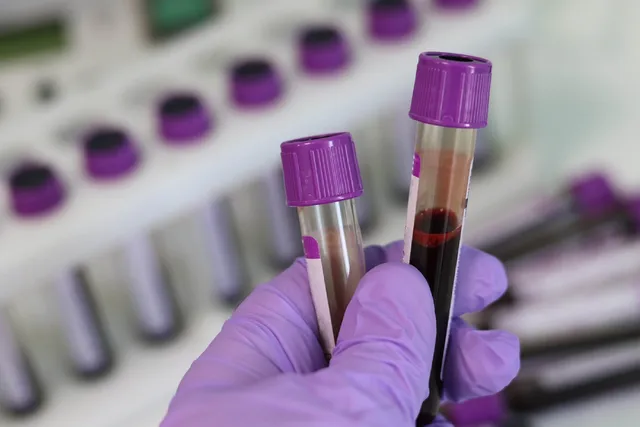
- Diagnosis can be difficult. A combination of tests is often required to diagnose cancer, including blood tests, imaging, and biopsies. While some cancers are obvious in their nature and can be suspected without the above tests, other cancers are more “hidden” and will not show up so quickly.
- Early detection is the key. The earlier cancer is discovered, the better your cat’s prognosis. It is easier to treat cancer that hasn’t invaded other tissues or spread to other organs. This emphasizes the importance of prompt veterinary visits if you’ve noticed something wrong.
- Some cancers are very treatable. Several skin cancers can be cured with surgical removal. Even some nasty internal cancers can be cured with aggressive chemotherapy protocols. Cancer is not necessarily the end of the line.
- Cats tolerate chemotherapy very well. Chemotherapy is known for the significant and negative side effects it produces in people. This is not the same for cats; most have no side effects at all. Hair loss does not occur.
- Vomiting is not normal in cats. Many cancers will have vague signs early on. Vomiting is one of those signs; while some cats vomit due to benign causes, vomiting can also be a warning sign for more sinister diseases. It is never normal, and we recommend arranging a vet visit if your cat vomits regularly.
Conclusion
While feline cancer is unfortunately common, there are multiple effective treatment options. Be on the lookout for anything uncommon and arrange veterinary visits if anything concerns you. Annual blood tests are also a good idea.
See Also:
Mouth Cancer in Cats: Vet-Reviewed Signs & When to Euthanize
Squamous Cell Carcinoma in Cats: Causes, Signs & Treatments (Vet Answer)
Sources
Featured Image Credit: Libre, Shutterstock
Expert cat care, straight to your inbox
News, insights, and useful advice, delivered to you.

No spam — unsubscribe anytime.
By signing up, you agree to our Terms & Conditions and Privacy & Cookies Policy.
How useful was this post?
Click a star to rate. You can leave written feedback afterwards. (We read all feedback.)
Dr. Joe Mallat DVM (Veterinarian)
Joe is a veterinarian from Sydney, Australia. When he's not at his office, he enjoys cooking, exercising, and exploring the wilderness in Australia. He has worked for 2 years at a mixed-species practice on the mid-north coast of New South Wales, treating animals of all sizes. His areas of particular interest include internal medicine, wound management and oncology. Joe's love for the profession comes not only from helping cats, but also from helping their parents and working with wonderful teams of people.
Joe completed his Bachelor of Veterinary Biology and Doctor of Veterinary Medicine at the University of Sydney in 2020.