Why Is My Cat Peeing Outside the Litter Box? 7 Possible Vet-Approved Reasons


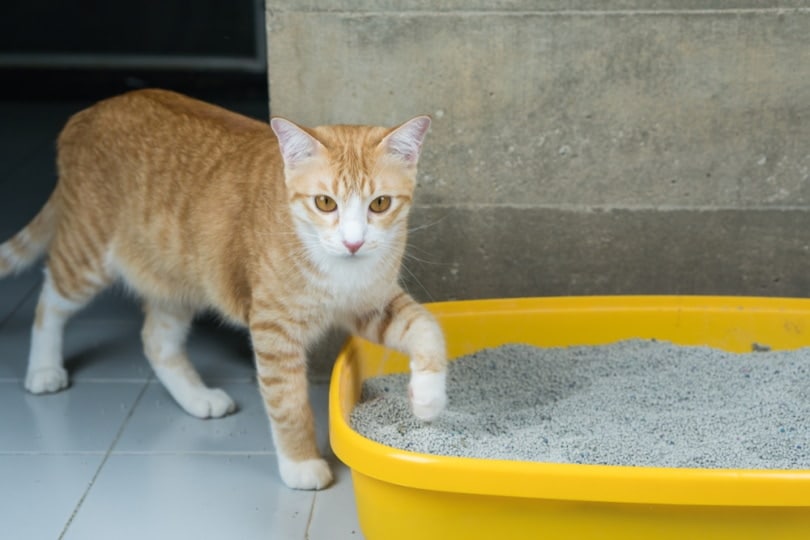
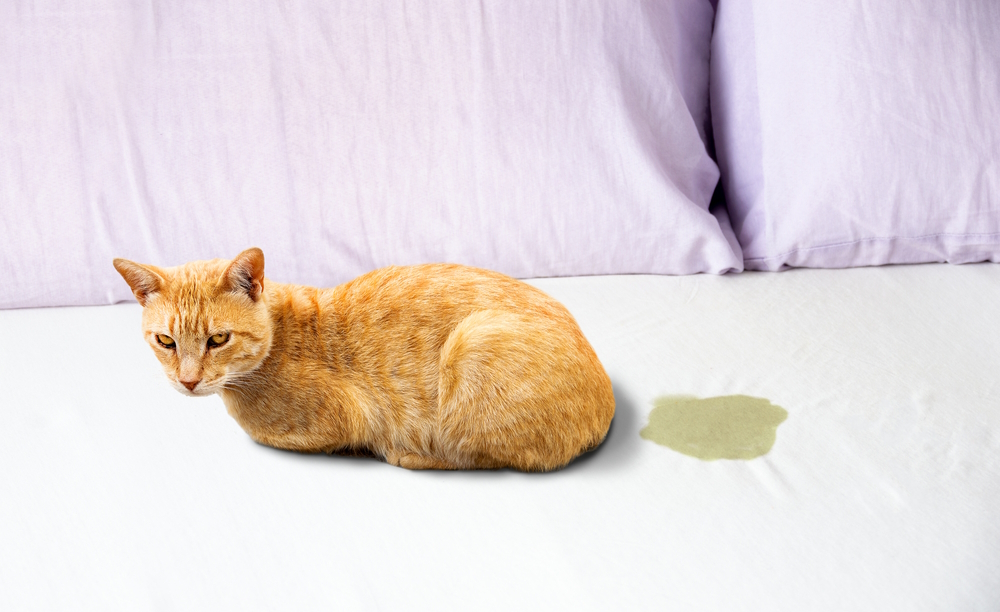
Cat pee is not a pleasant odor, even when it’s safely contained in a litter box. However, when a cat starts urinating in inappropriate locations, the situation escalates. Inappropriate urination is a common reason that cats are surrendered to animal shelters, so it’s vital to figure out what’s going on fast. Here are seven possible reasons why your cat could be peeing outside the litter box and what you can do to correct the problem.
If your cat is peeing outside of their litter box or they are frequently stepping in and out of the box, straining, crying, passing very little or no urine, or having blood in urine, they need to see the vet urgently, as urinary blockage is possible. This condition can be life-threatening, leading to a bladder rupture or kidney failure.

The 7 Possible Reasons Your Cat Is Peeing Outside the Litter Box
1. Previous Urine Smells

| Problem type | Behavioral |
| Requires medical treatment | No |
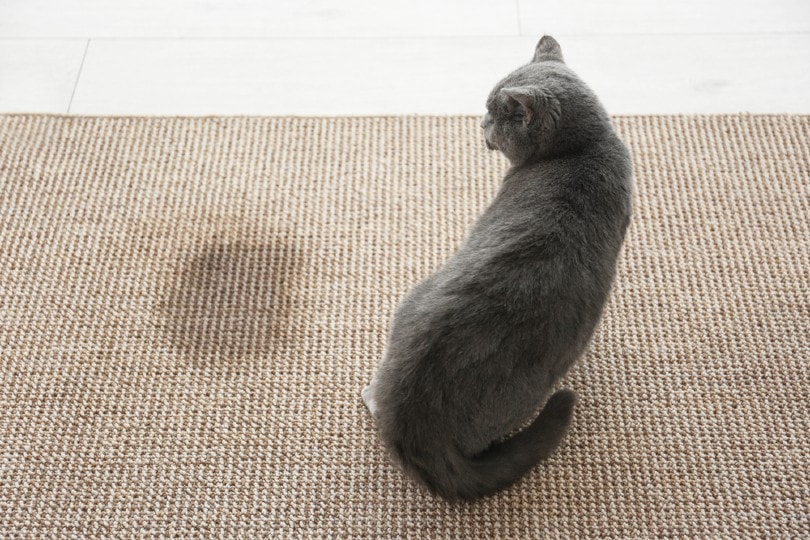
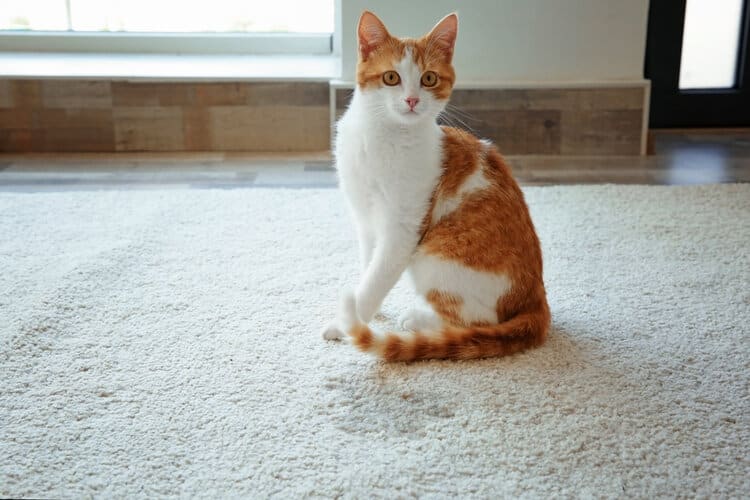
Cats have an instinct to urinate in the same place they have previously. If they are peeing outside the box, it could be because they smell old urine left over from a previous accident. It doesn’t have to be their accident, either. If you move into a new home and find that your cat is suddenly peeing outside the box, it could be because they smell odors left by a previous feline inhabitant.
Cats have much more sensitive noses than humans, so just because you can’t smell any urine in the house doesn’t mean it isn’t there.
How To Solve The Problem
Our Favorite Enzyme Cleaner
The Hepper Advanced Bio-Enzyme Pet Stain & Odor Eliminator Spray is our favorite enzyme cleaner out there. It permanently removes even the very worst kitty stains and smells, leaving your home fresh and clean! Click here to learn more about this amazing product and get yourself a bottle.

- ADVANCED ENZYMATIC CLEANER - Penetrates the most stubborn smells and stains at the deepest molecular levels to dissolve any pet mess you encounter and lift it away at the source.
- FOR ANY MESS, ON ANY SURFACE - This pet odor eliminator cleans your carpets, floors, furniture, fabrics, and more. Whether it's urine, feces, vomit, or drool, you can erase all foul spots and smells!
- FRESH, NATURAL ODOR - Our unique formulation doesn't rely on dangerous or unpleasant chemical fragrances to get the job done. We eradicate smells and stains, not just cover them up.
At Catster, we’ve admired Hepper for many years, and decided to take a controlling ownership interest so that we could benefit from the outstanding products of this cool cat company!
2. Medical Issues
| Problem type | Medical |
| Requires medical treatment | Yes, urgently |
Many different medical issues can cause your cat to pee outside the litter box. Frequently, peeing outside the box is a sign of urinary problems, including inflammation, infection, bladder crystals and stones, urethral spasms, and more, all known as feline lower urinary tract disease or FLUTD. All of these urinary issues are very painful for your cat and may lead to a urinary blockage, which is fatal if left untreated.
Signs of FLUTD in cats
Cats suffering from arthritis or another painful condition may find that they can’t climb into the litter box to pee like they used to. Any disease that causes your cat to drink and urinate excessively may also result in accidents because the kitty can’t get to the box in time. Examples of these conditions include diabetes, kidney disease, and hyperthyroidism.
How To Solve The Problem
3. The Box Is Dirty
| Problem type | Behavioral |
| Requires medical treatment | No |
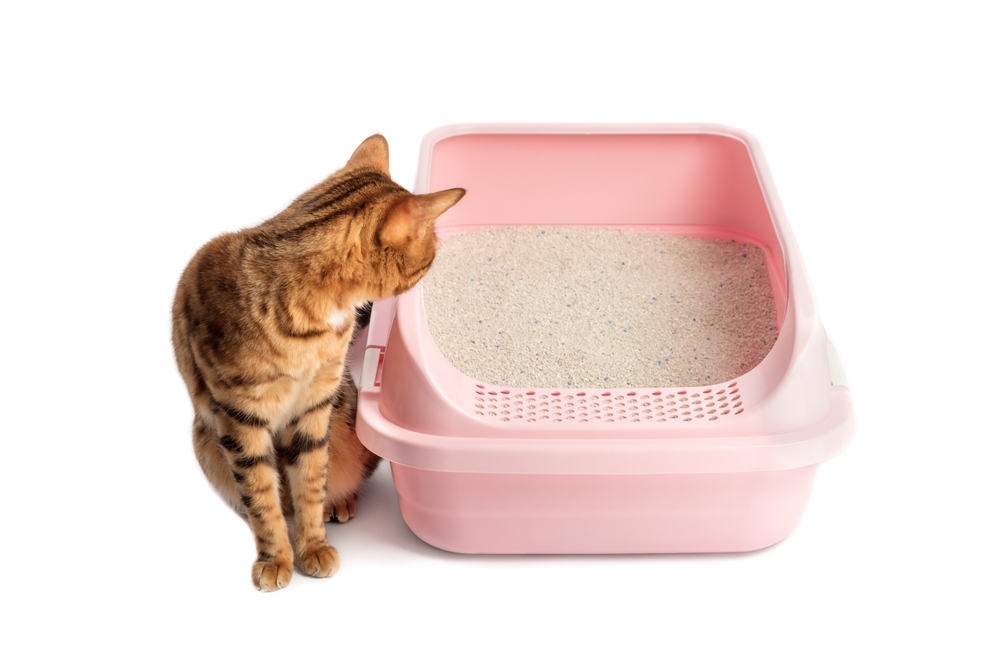
Many cats choose to go outside the litter box because they feel it is too dirty. Some cats aren’t as particular about using only a clean litter box, and it can get easy to slack off on cleaning it. Generally, you should aim to scoop the box at least once per day, ideally twice, especially if you have a picky cat. Another option is to invest in a self-cleaning litter box, but make sure it doesn’t make the problem worse by scaring your cat and making them avoid the box even more.
How To Solve The Problem
4. Dislikes the Litter

| Problem type | Behavioral |
| Requires medical treatment | No |
Cats can also avoid the litter box because they don’t like the texture or smell of the litter itself. Cat litter is available in more types than ever as manufacturers try to balance concerns over dust and allergens with effective odor control. However, the only product reviewer that matters is the cat in this case.
Typically, an unscented, clumping litter is well-tolerated by most cats. Once you find a brand your cat likes, be consistent and stick with it. Sudden litter changes can also resurrect the problem of peeing outside the litter box.
How To Solve The Problem
5. Dislikes the Litter Box
| Problem type | Behavioral |
| Requires medical treatment | No |
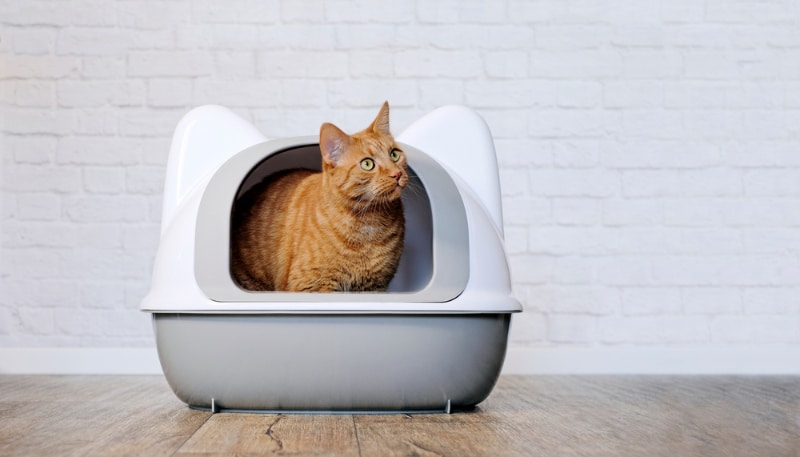
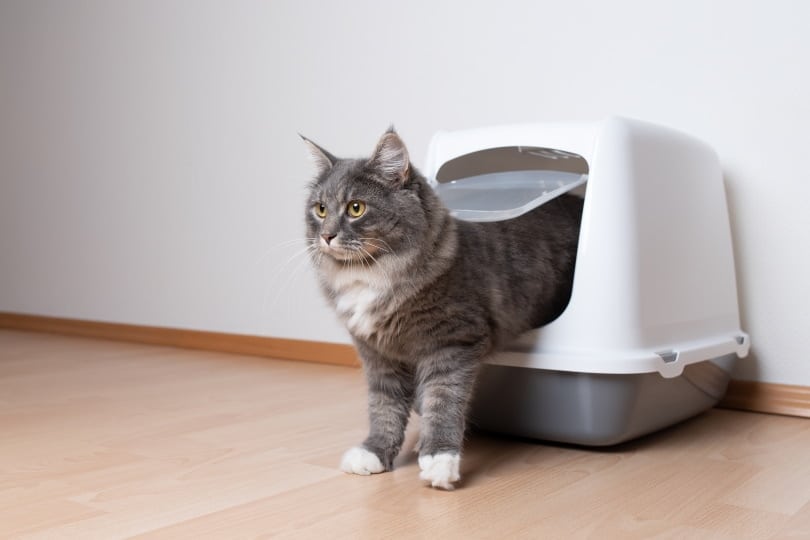
Cats may urinate outside the litter box because they object to either the location of the box itself. The litter box needs to be large enough for the cat to feel comfortable using it. Some cats don’t like covered boxes, while others don’t mind. The noise and motion of automatic litter boxes may frighten nervous kitties. Cats may also avoid litter boxes placed in high-traffic areas or near noisy appliances such as washing machines.
Others may shun box locations that make them feel trapped when peeing based on their survival instincts.
How To Solve The Problem
6. Territorial Squabbles

| Problem type | Behavioral |
| Requires medical treatment | Sometimes |
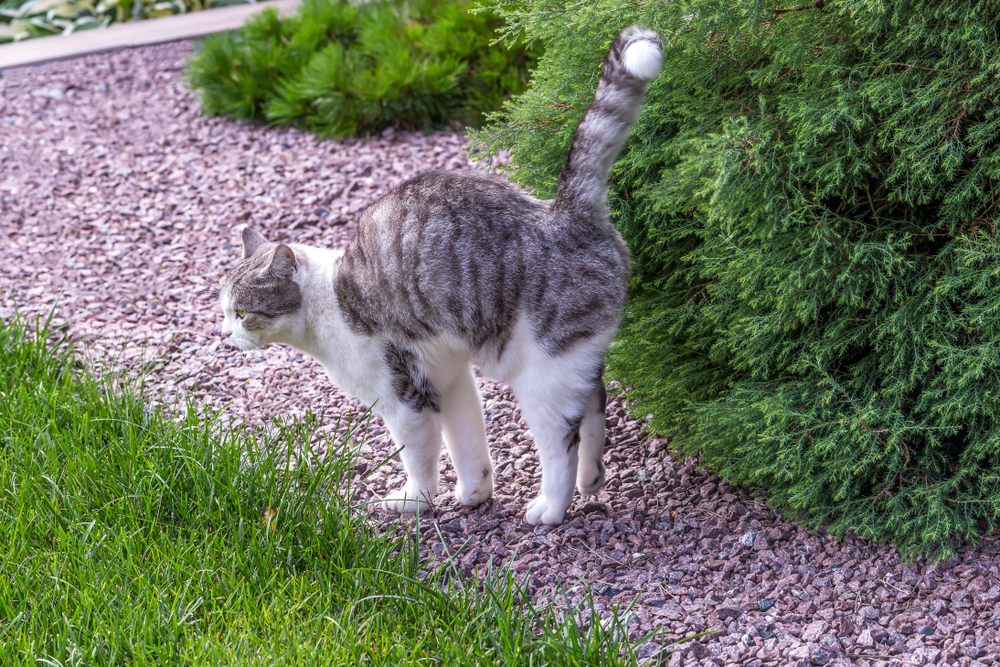
A more complicated reason your cat pees outside the litter box is that they are having territorial clashes with another kitty in the house. Cats are territorial animals by nature, with an instinct to claim property and possessions for their own. If you’ve recently added a new cat to the house, either animal could be peeing outside the box as a signal to the other to stay away.
If one cat has already “claimed” the litter boxes, they may bully the other by leaving their scent and marking, preventing proper use of the box.
How To Solve The Problem
7. Stress

| Problem type | Behavioral |
| Requires medical treatment | Sometimes |
A frequent and frustrating cause of peeing outside the litter box is stress. Cats can become stressed for multiple reasons, leading to inappropriate urination. Common stressors include a new person (roommate, baby, significant other) coming to live in the house or the addition of a new pet. Cats may also become stressed by guests, home repairs, stray cats hanging around outside, or loud construction taking place nearby.
Figuring out what is bothering a cat can be complicated and sometimes requires a veterinarian’s help to solve.
How To Solve The Problem

Is Peeing Outside the Box an Emergency Medical Situation?
Sometimes, your cat peeing outside the litter box is a genuine emergency medical situation, particularly if combined with signs of FLUTD we discussed. As we learned from our list, peeing outside the box can also be a sign of stress or a behavioral concern. Some behavioral problems require medical intervention but typically not on an emergency basis.
However, some medical causes of peeing outside the box can result in an emergency if they are not treated promptly. Male cats, especially young ones, can become blocked and unable to urinate at all as a result of a urinary tract condition or even from stress. Not peeing at all is a life-threatening situation that requires immediate veterinary care.
Bladder stones can become lodged in the urinary tract, and they can affect male and female cats. Untreated diabetes can lead to life-threatening chemical imbalances in the cat’s body, and kidney disease can progress to the point that the cat’s kidneys don’t work at all, leading to a build-up of toxins in the body.

Conclusion
Dealing with a cat urinating outside the litter box can be messy, smelly, and frustrating for us as cat parents, but it is often painful and distressing for your cat as well. Never punish your cat for this behavior, as they are doing it because of an illness, pain, or stress, trying to tell you something is wrong. As we discussed, peeing outside the box can occur from circumstances out of your cat’s control, and punishing them is confusing and unfair. It will also likely damage the bond between you and your cat.
Before your frustrations reach a boiling point, don’t hesitate to reach out to your veterinarian or a veterinary behaviorist for help. If your cat is showing signs of FLUTD or is unable to pass urine, they need to see the emergency vet immediately.
You Might Also Be Interested In:
Sources
Why is My Cat Peeing Outside of the Litter Box? Is this an Emergency?
Chronic Kidney Disease | Cornell University College of Veterinary Medicine.
Feline Behavior Problems: House Soiling | Cornell University College of Veterinary Medicine
Cat Behavior Problems - House Soiling | VCA Animal Hospital.
Inappropriate Elimination Disorders in Cats | VCA Animal Hospitals
Feline Behavior Problems: House Soiling | Cornell University College of Veterinary Medicine
Featured Image Credit: jamesjoong, Shutterstock

Expert cat care, straight to your inbox
Vet-reviewed advice, behavior tips, and the best of Catster. Free, and you can unsubscribe anytime.
By signing up, you agree to our Terms & Conditions and Privacy & Cookies Policy.
Elizabeth Gray is a lifelong lover of all creatures great and small. She got her first cat at 5 years old and at 14, she started working for her local veterinarian. Elizabeth spent more than 20 years working as a veterinary nurse before stepping away to become a stay-at-home mom to her daughter. Now, she is excited to share her hard-earned knowledge (literally--she has scars) with our readers. Elizabeth lives in Iowa with her family, including her two fur kids, Linnard, a husky mix and Algernon, the worldʻs most patient cat. When not writing, she enjoys reading, watching all sports, and spending time outdoors with her family.
Join the conversation
Ask a question, share your story, or send private feedback.