Cat Peeing Over the Edge of the Litter Box? Vet Verified Reasons & Solutions


In this article
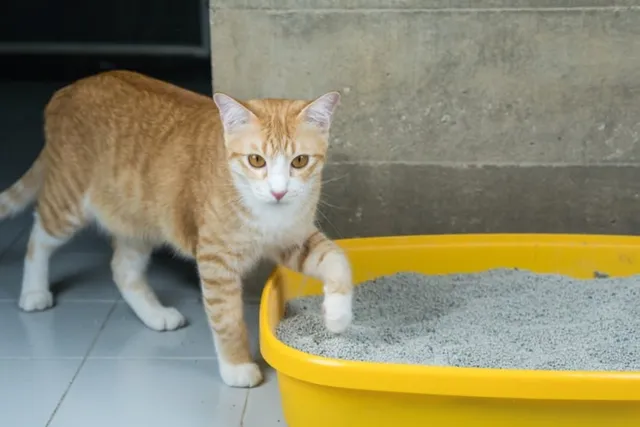
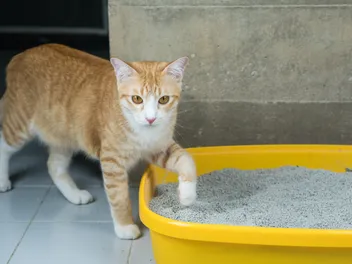
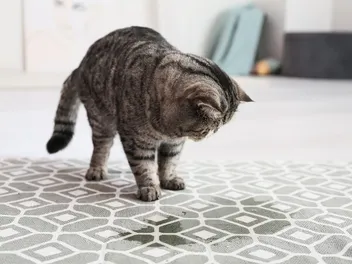
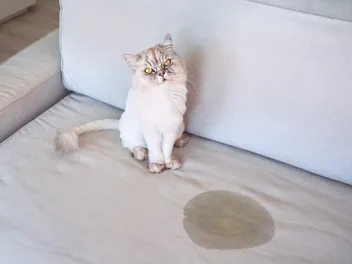
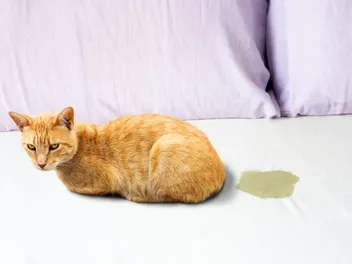
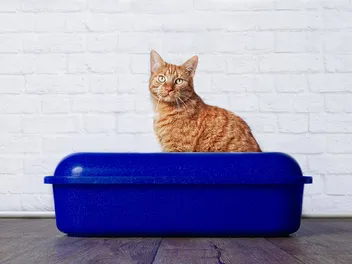
Cats have a particular set of toilet habits that they absolutely must keep up. If they are put off at all, it might irritate them and make more of a mess for you to clean. All kinds of poor behaviors can manifest from an unhappy kitty, and one of them can be incredibly confusing. You see your cat go into their litter box, so you know that they are still using it. But then, instead of peeing into the litter, they pee just over the edge of the litter box. You are confounded!
Cats are highly sensitive creatures, so there are many reasons that they might be doing this. We cover a few of the most common ones. We also give you seven excellent strategies that you can use to prevent your cat from peeing outside the litter box continuously.

The 4 Reasons Your Cat Is Peeing Over the Edge of the Litter Box
Cats are mysterious creatures, and it can be difficult to precisely sort out their problem. Here are common reasons that your cat will get in their litter box and still not use it.
1. Medical Issues
You should always start by assuming that there could be something wrong with your cat, and a change in their behavior is a warning for you. Perhaps your cat is no longer able to squat like they used to—maybe they feel pain when they try. They might be doing it because they cannot get positioned in the litter box on time.
Arthritis is a predominant medical issue that your cat might be experiencing that is stopping them from squatting down all the way. They might need medication to make the pain more manageable and move similarly to how they used to. Another common medical issue is a urinary infection. This can cause a sudden urgency for the bathroom that your cat didn’t expect. They might make it to the box but not have enough time to get into the correct position.
Diabetes, kidney failure, or a damaging urinary obstruction can also be at fault for your cat’s poor behavior.

2. Stress or Territorialism
Another factor of your cat’s new bathroom routine could be additional stressors in their lives. If you have recently made changes or they have only recently moved in, they might feel more stress than usual and be less interested in their bathroom habits.
Another factor that is less passive but may come from a similar place is if they have begun to feel the need to protect their territory. This feeling often occurs in response to bringing a new animal into the house, especially another cat. Peeing around the box could be them trying to do their business while simultaneously saying, “This is my space.”
3. Issues With the Box
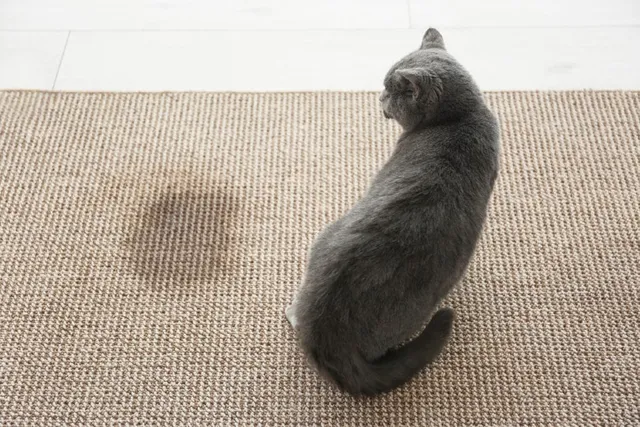
The litter box could also be the cause of all the nasty stains on the floor. Your cat’s litter box needs to be kept in pristine condition for them to want to continue using it. If you allow the litter box to become too dirty, they will deem it unacceptable. They might not be able to find a satisfyingly clean space to do their business, so they decide that outside of the box simply makes more sense.
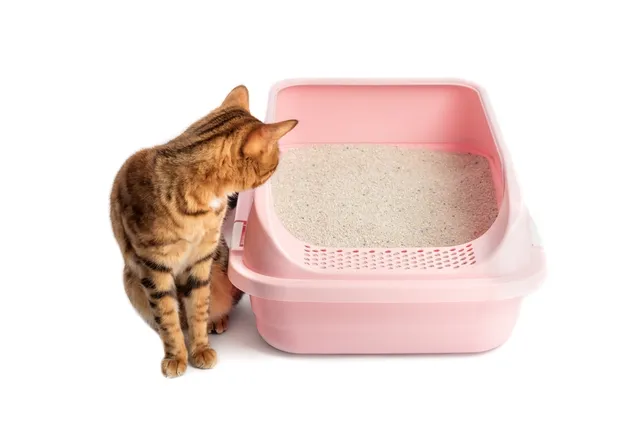
There could be other issues with the litter box. It could be too small for them to move around in and properly situate themselves. The box might not have high enough walls for the way that they usually like to pee. Have you changed anything about the litter box recently? If you have changed the kind of litter that you generally use, this might be your cat’s way of telling you that they are not a fan.
Some cats are sensitive to the types of textures that they feel underneath them. If they don’t like the feeling of the litter under their feet, they will want to get out of there as quickly as possible. That could mean not even taking the time to squat.
Cleaning up after our pets is not the most enjoyable part of owning them. Despite keeping a clean litterbox, cat odors and stains may still exist around the house. Sometimes, even the best litter box setup needs extra help. If you're tired of dealing with bad smells from litter boxes, Hepper Advanced Bio-Enzyme Pet Stain & Odor Eliminator Spray can help with the worst pet stains and smells. Additionally, the Advanced Bio-Enzyme Cat Litter Deodorizer neutralizes odors upon contact.
Our Favorite Products
| Image | Product | Details | |
|---|---|---|---|

|
Hepper Advanced Bio-Enzyme Pet Stain & Odor Eliminator Spray |
|
Check Price |

|
Advanced Bio-Enzyme Cat Litter Deodorizer |
|
Check Price |
At Catster, we’ve admired Hepper for many years and decided to take a controlling ownership interest so that we could benefit from the outstanding designs of this cool cat company!
4. Spraying
Finally, it is best to figure out precisely what kind of behavior you are dealing with if you want to fix it. A cat that is spraying instead of simply missing the sides or not squatting down is an entirely different situation.
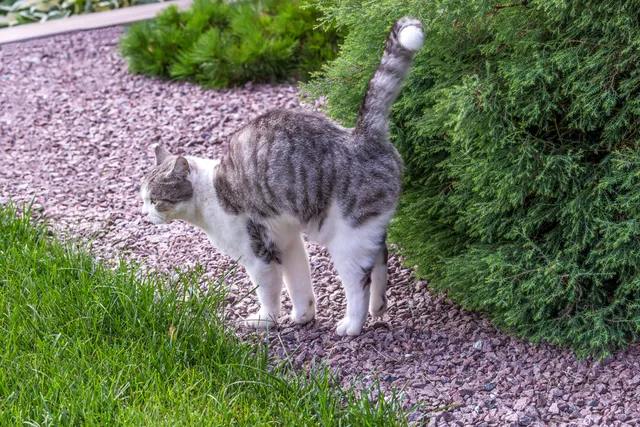
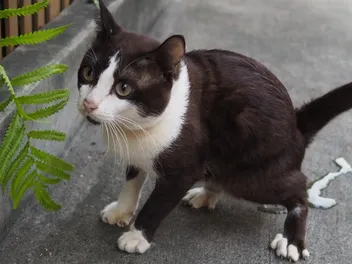
Check to see if your cat has been peeing around the home, not just around the litter box. Vertical peeing is often a sign of spraying, and your cat could be trying to tell you that they are dealing with distinct emotions. This behavior could also play into their territorial dominance.

How to Stop Your Cat Peeing Over the Edge of the Litter Box
Whatever the reason for your cat’s poor behavior, most of us won’t be able to handle pee on the floors for long while they try to work something out. Here are the best ways to solve it. If you know what might be causing the behavioral change, it can help you figure out the solution much quicker.
1. Take Them to the Vet
Start by assuming that your kitty is suffering from something. Often, if they are ill, it is not the option that you want to consider last. Take them to the vet for a quick checkup, and tell them about the recent behavior change. Doing this is especially helpful when they start to advance in age since many dangerous illnesses are more likely to manifest the older the animal is.
2. Fix Any Recent Litter Box Changes
If you have made any changes to their litter box situation and noticed a difference in their behavior shortly after, it is best to try and change back. This is most likely the cause of your cat’s angst. If you have purchased a new box, try to find a different one that more closely resembles the shape and size of the previous one. Aesthetics don’t matter to your partially color-blind cat. They only care about usability.
3. Provide Them With a Personal Litter Box
If you have recently adopted another cat or adopted two cats simultaneously that were strangers, they need their own litter boxes. While this can be tricky if you don’t have much interior space, it is better than having to clean pee off the floor every day. A cat’s litter box is one of its most personal areas. If they have to share it with another animal, they will likely try marking it repeatedly to let the other cat know that they should find somewhere else to go.
Any resulting action from the next cat will not be good for you. They will either submit to their house partner and find somewhere else in your home to use the bathroom, or they will begin to mark around the litter box in a war on the territory. Instead, give each cat a litter box, and preferably place them in separate parts of the home.

4. Get Them a Box With a Larger Interior Area
If you have a kitten and they are growing up, you might not realize how much more space they need as an adult than when they were younger. If your cat cannot turn around or dig in the litter to find a “safe space,” they will be less likely to do it well. If they don’t have enough space, they probably won’t be able to squat comfortably and will only be able to squeeze themselves in to pee over the edge. It is easy enough to try out a larger litter box.
5. Get a Box With Higher Sides
One of the more apparent solutions is to get a box with higher sides. If your cat isn’t able or simply doesn’t care to squat on the litter, then you need to get them a box with high enough sides to accommodate their bathroom preferences.

6. Put a Cover Over the Top of the Box
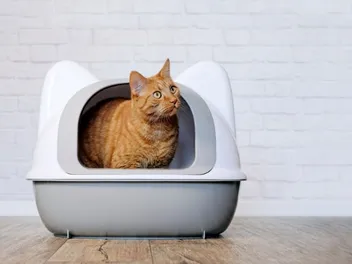
Another option is to get the kind of litter box with full sides leading up to a lid. You can find these for sale at pet stores, or you can make your own from a plastic storage tub. This way, no matter how high up they pee, it can never go over the edge.
But if your cat begins to face so that they pee out the door of the container litter box, it might be time to try something new again. Using that plastic storage tub, cut a hole in the top of the box so that they must climb down into it to use their box. They will be completely enclosed and not have the opportunity to angle in odd ways.
7. Put Down Floor Mats
Our final option is to put down floor mats around your cat’s litter box. It is best to use this as a last resort since it still leads to poor smells and extra cleaning around their box. It might be necessary, though, if using a box with higher sides does not work and your cat refuses to use a box with a lid over the top.
Although cats are tricky creatures to figure out, it is best to work with them because they cannot talk to us to communicate their worries and fears. It could be a medical problem or pure laziness, but paying attention to your cat is one of the best ways to determine what they need from you.

Conclusion
We hope this article helped shed light on what might be going on with your cat and why they are peeing over the side of the litter box. It is not a pleasant situation to be in! Good luck with getting to the bottom of the problem and resolving it.
Related Reads:
Featured Image Credit: Mila Naumova, Shutterstock
Expert cat care, straight to your inbox
News, insights, and useful advice, delivered to you.

No spam — unsubscribe anytime.
By signing up, you agree to our Terms & Conditions and Privacy & Cookies Policy.
How useful was this post?
Click a star to rate. You can leave written feedback afterwards. (We read all feedback.)
Christian started writing for a local newspaper as a teenager, and he's been involved in the publishing industry for most of his adult life. Combining his love of writing with a passion for animals, he is currently the Director of Editorial at Pangolia and the Editor-in-Chief at Catster.
Christian lives in the Philippines with his wife, son, and four rescue cats: Trixie, Chloe, Sparky, and Chopper.