How To Litter Train An Older Cat: 12 Vet-Approved Steps


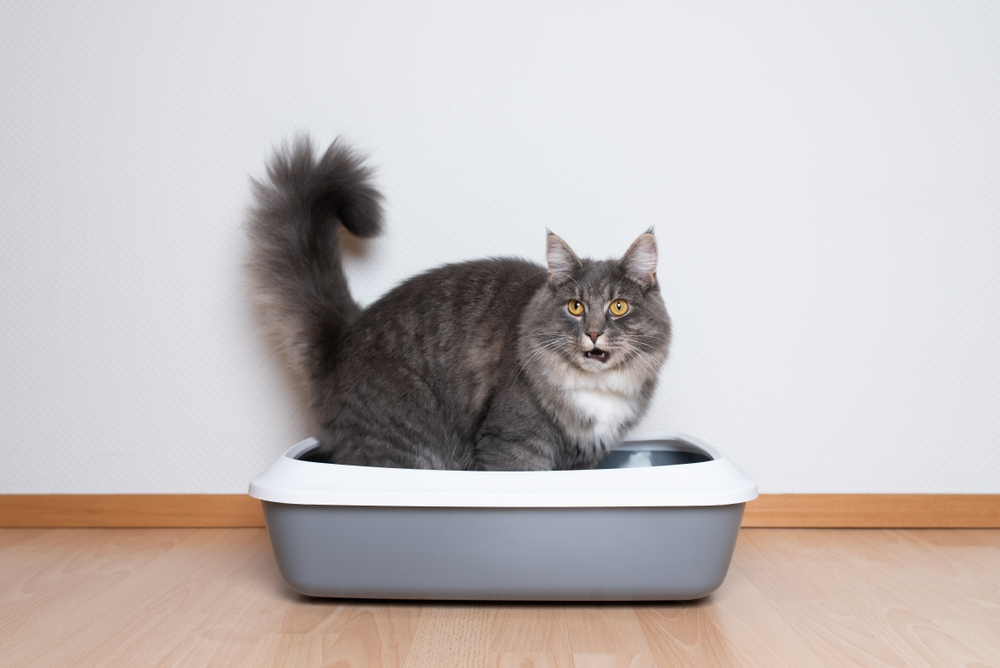
If you have an older outdoor cat who needs to start living inside, you may be wondering if it’s possible to train them to use the bathroom indoors. They can learn to use the litter box, but it requires a bit of planning, time, and patience.
Before getting started, you’ll need to purchase a few essentials, such as a litter box, scoop, and litter. There are also a few details to consider like where your cat should stay while they’re learning to use their litter box. Keep reading for a step-by-step guide to litter training an older cat.

The 12 Steps to Litter Train an Older Cat
1. Clean Up Accidents Quickly and Properly
Tackle any accidents that occur on your floors or furniture as quickly as possible to prevent your cat from being attracted to the same area for a repeat performance. You can use an enzymatic cleaner to ensure the area is odor-free.
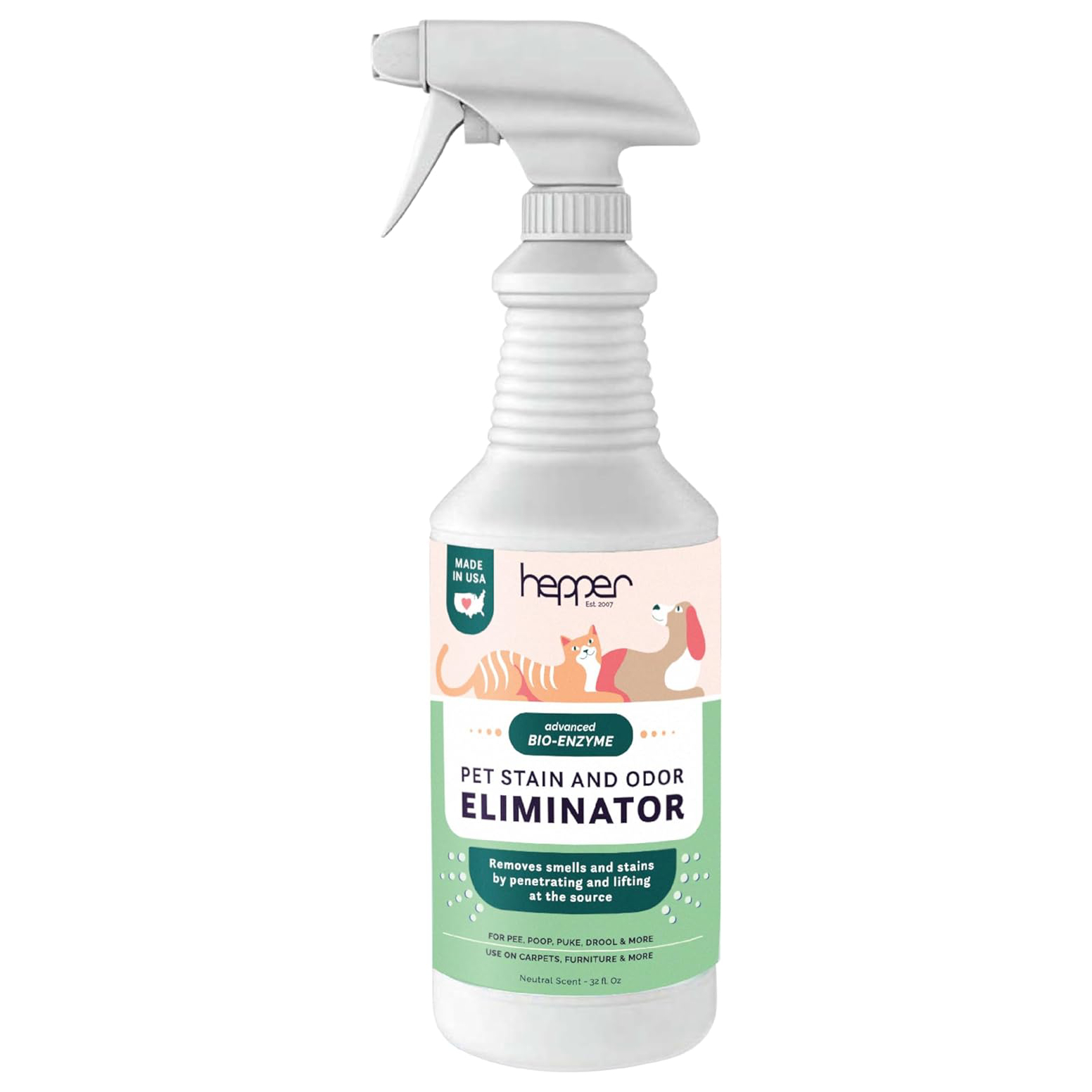
Combating tough cat litter smells is an ongoing battle for pet parents but luckily, there are products out there designed to help! Two products that significantly reduce odors are the Hepper Litter Additive and the Hepper Enzyme Spray.
| Image | Product | Details | |
|---|---|---|---|
|
Hepper Advanced Bio-Enzyme Pet Stain & Odor Eliminator Spray |
|
Check Price |

|
Advanced Bio-Enzyme Cat Litter Deodorizer |
|
Check Price |
At Catster, we’ve admired Hepper for many years and decided to take a controlling ownership interest so that we could benefit from the outstanding designs of this cool cat company!
2. Choose the Right Litter Box

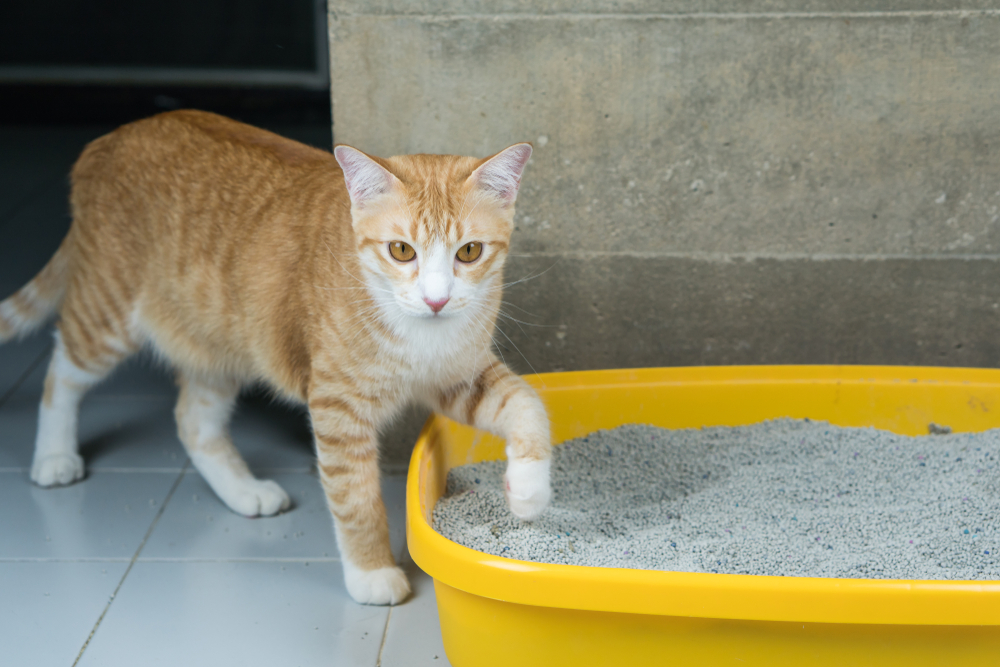
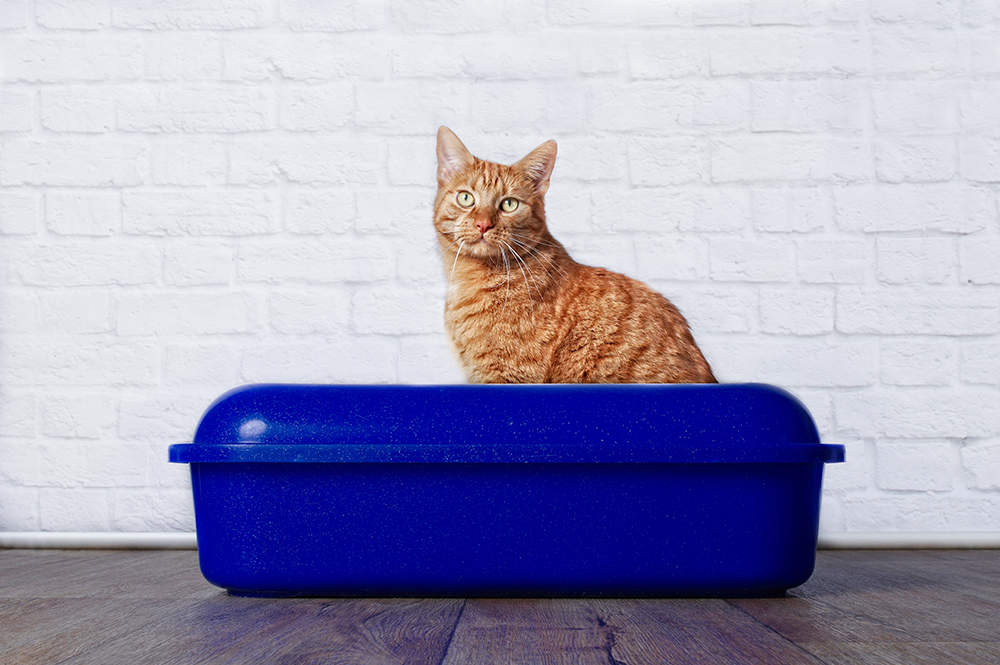
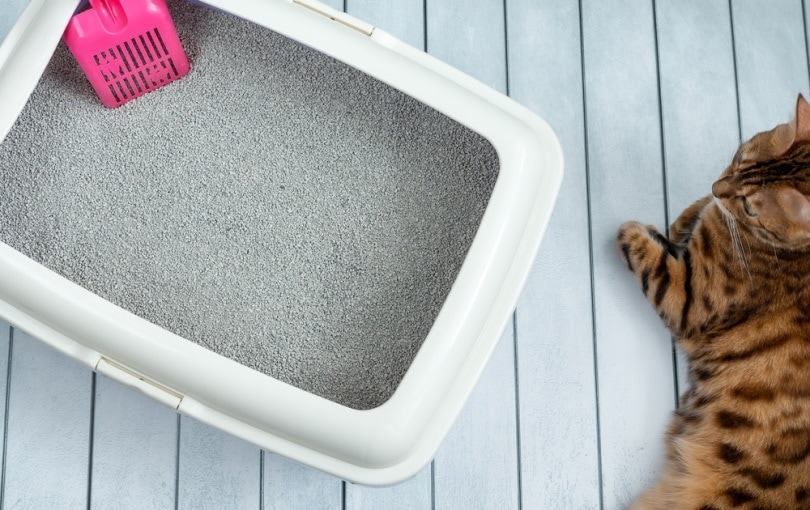
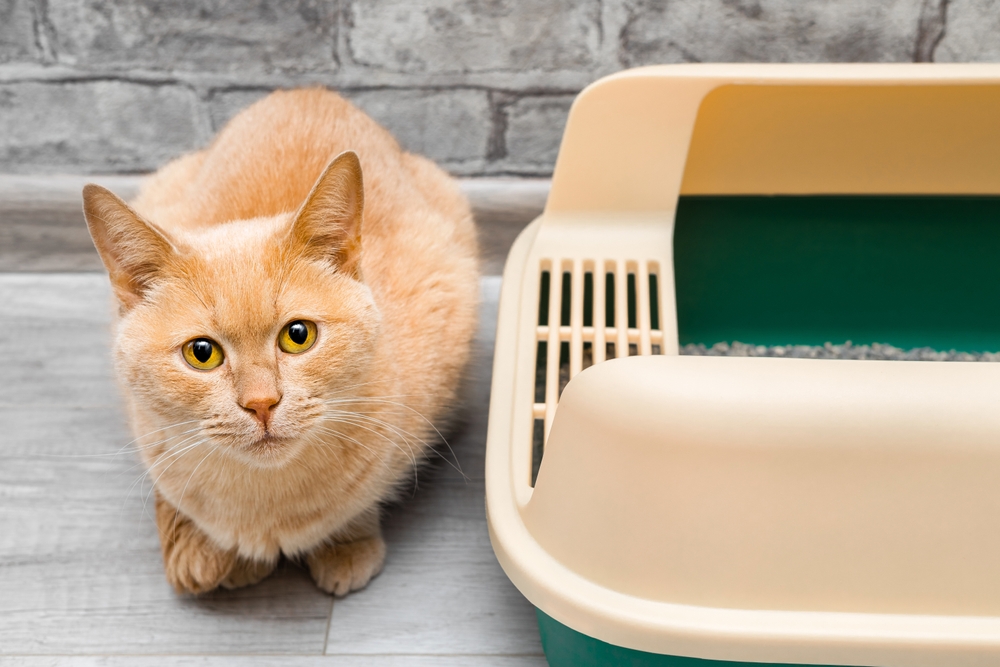
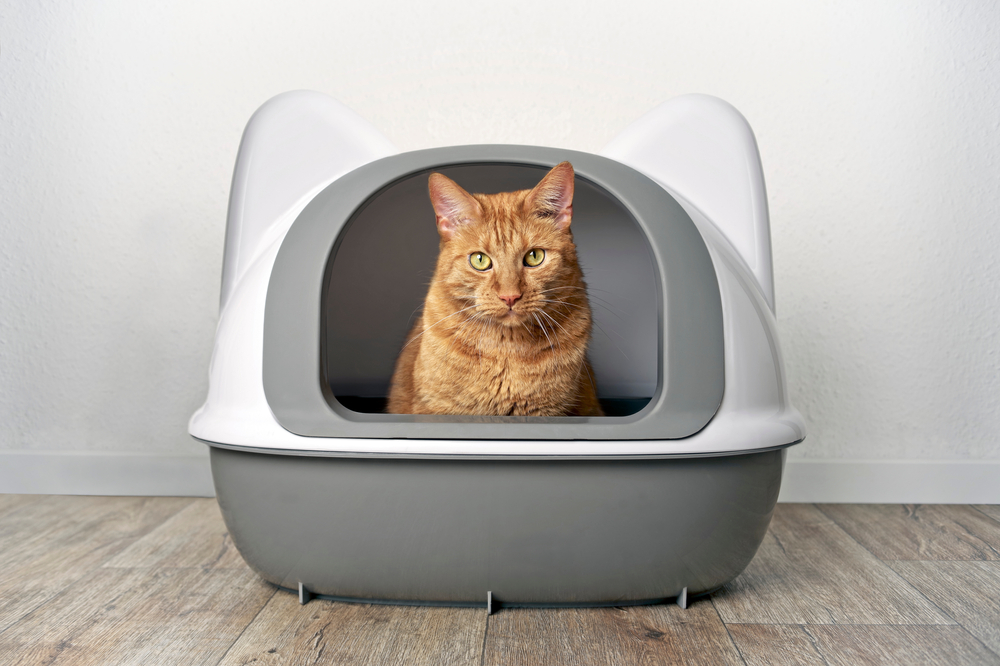
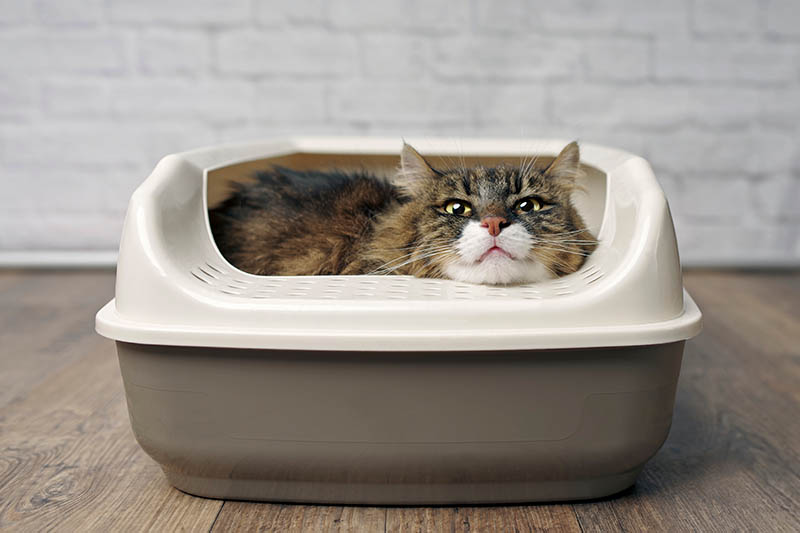
It’s best to buy a large, open litter box for your outdoor cat. Enclosed litter boxes make it difficult for cats to see what’s happening around them, making them uncomfortable.
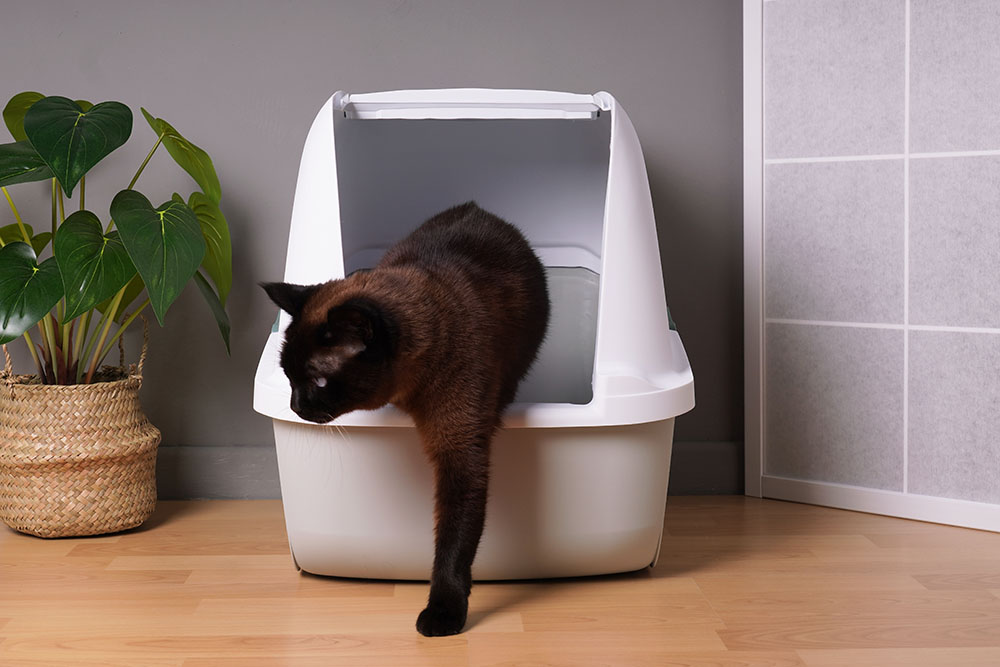
They also retain odors, and cats are inclined to avoid stinky litter boxes. However, your cat may prefer a box with a top. Models with at least one lowered side can make it easier for older cats with mobility problems to enter and exit.
3. Pick the Right Cat Litter
In the wild, cats like to use the bathroom in soft sand, and many house cats prefer litter that mimics this consistency. For that reason, some cats gravitate toward unscented, clumping litter.
You can try unscented litter initially since scented formulas typically feature strong fragrances that can irritate cats.
4. Consider Litter Depth and Avoid Liners

Although some cats may prefer more, 2 to 3 inches of litter is usually enough. Unless you’re using a litter that requires liners, it’s best to avoid them. They make it easy for the urine to pool at the bottom, which can cause problems by increasing odors.
5. Select the Right Location for Training
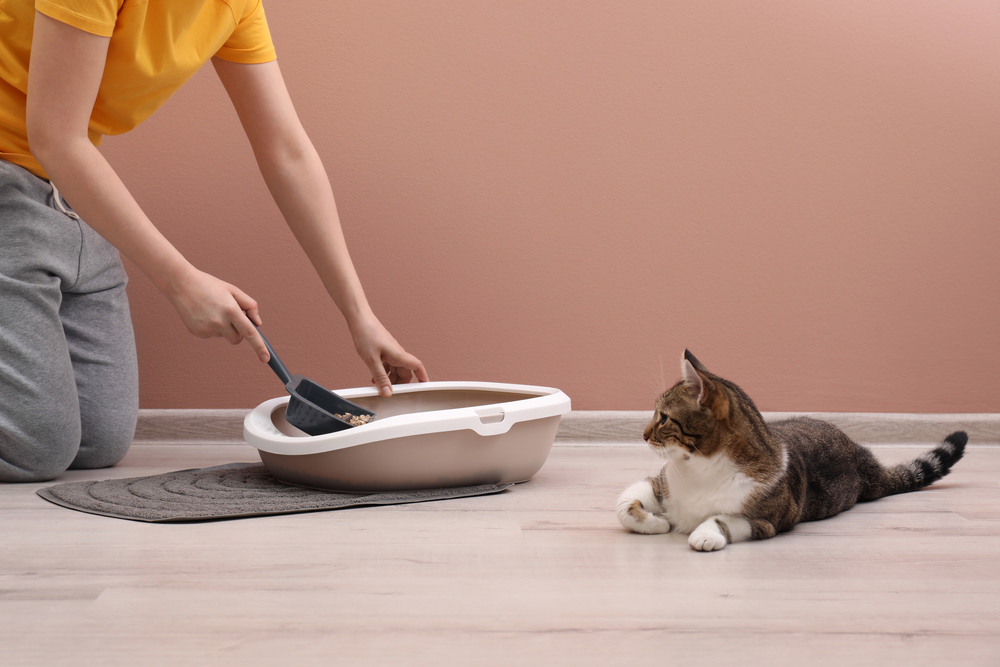
It may be helpful to close off some of the rooms in your home when your cat is getting the hang of using the litter box if they’ve never used the bathroom indoors. For instance, you can close the doors to the bedrooms and rooms with expensive flooring or furniture.
An outdoor cat may have a few accidents before they’re comfortable using the litter box.
6. Provide an Attractive Setup

If you decide to limit the areas your cat has access to during litter training, the space you provide should be comfortable and quiet. It should have enough room for them to nap, hang out, play, and generally enjoy adjusting to life as an indoor cat.
You can provide toys, a cat bed, food and water. However, you should place their litter box away from where they’ll be eating since most cats don’t like eating close to where they use the bathroom.
7. Let the Waste Sit — Just a Bit
Consider leaving it a short while before scooping your cat’s poop if they’ve never used a litter before. The scent will help them recognize what the litter box is for and make their next trip to the restroom a bit easier.
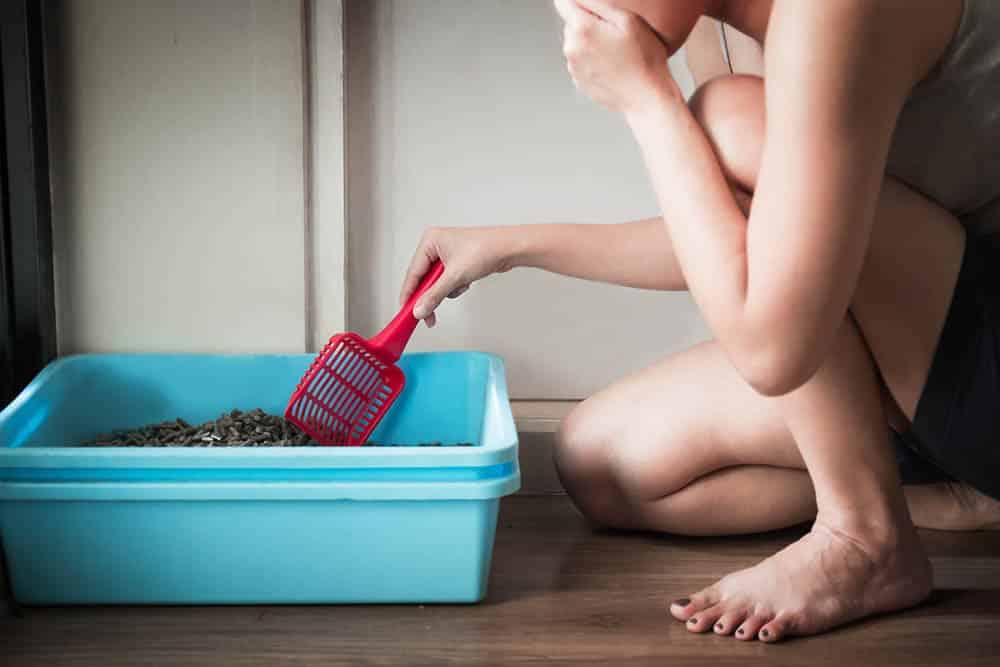
Once your cat starts using the litter box, switch to regular scooping to reduce odors and debris. Litter boxes need daily maintenance, or they risk becoming pungent, which is one of the reasons cats develop aversions and start using the bathroom in undesirable locations.
After dumping the old litter every week or two, you’ll need to wash your cat’s litter box. Water and dishwashing detergent are all that’s needed. For more cleaning power on tough stains, you can add a touch of vinegar and let it soak for a few minutes before rinsing thoroughly.
8. Be Prepared to Pivot

There’s no one-size-fits-all approach to creating the perfect litter box setup. Some felines are particular about how the litter box should smell, where it should be located, and whether it has a top or not. If your cat isn’t getting the hang of the process, consider making a few changes.
A different type of litter may be what your cat is looking for, or they may want more litter added. Be prepared to make adjustments until you discover what makes your cat happy.
9. Select the Right Location
Cats have preferences about where their litter boxes are set up, but it’s best to place the litter box in a quiet area away from noisy appliances, especially with anxious cats. The simple rule for the number of litter boxes you should have is: one box per cat plus one extra.
Older cats with mobility issues will especially benefit from having multiple litter boxes, and if you have a two-story house, you should have at least one on each floor. Select an area far away from where your cat eats and drinks, and where they won’t be surprised while relieving themselves.
10. Consider Pheromones

You can set up a pheromone diffuser in the area where your cat spends most of their time to provide a mellow and calming environment. It may help them feel more comfortable and calm, which can make them more likely to use the litter box.
11. Stay Positive
It takes a while for older outdoor cats to get to the point where they’re happily using their litter boxes, and accidents are part of the process. It’s important to stay positive throughout and to provide encouraging treats and cuddles. Treat your cat to a reward when they use the litter box, and avoid punishment when they have an accident.
However, if your cat is regularly urinating and defecating outside of the box, or they are showing any other signs of being unwell, you should get them checked out by your vet straight away.
12. Be Consistent
Cats are creatures of habit, and they can become stressed by changes in their environment. Once you’ve found a permanent location for your cat’s litter box, try not to move it.
If you want to use a different litter after your cat has mastered using the bathroom indoors, transition slowly by adding increasing amounts of the new brand to the old litter every time you change it.
Conclusion
Some outdoor cats must learn how to use litter boxes when they become older and need to transition to being indoor kitties. Although it requires some patience and trial and error on your part, older cats can get accustomed to using litter boxes.
Remember to stay positive and give your cat treats and praise to reward them for their litter box accomplishments.
Also see: Kitty Go Here Cat Litter Box Review
Sources
https://vcahospitals.com/know-your-pet/inappropriate-elimination-disorders-in-cats
https://www.vetstreet.com/pet-care/training/how-to-litterbox-train-an-outdoor-cat
https://www.petmd.com/cat/general-health/9-litter-box-mistakes-avoid
https://www.humanesociety.org/resources/how-help-your-cats-use-litter-box
featured Image Credit: Nils Jacobi, Shutterstock

Expert cat care, straight to your inbox
Vet-reviewed advice, behavior tips, and the best of Catster. Free, and you can unsubscribe anytime.
By signing up, you agree to our Terms & Conditions and Privacy & Cookies Policy.
Lorre Luther is a writer who is firmly convinced that cats are smarter than humans. She left her law career in the United States and moved to the Netherlands to follow her dream of becoming a writer. Lorre currently lives in Rotterdam, she enjoys traveling and greatly appreciates the beauty of nature. Lorre has a spot for animals and admires the intelligence of cats.
Join the conversation
Ask a question, share your story, or send private feedback.