Get

In Your Inbox

Catster is reader-supported. When you buy via links on our site, we may earn an affiliate commission at no cost to you. Learn more.

Is Your Cat Not Using the Litter Box? 6 Vet-Approved Causes

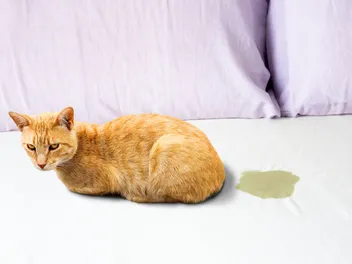
A kitten outside the litter box, looking embarrassed and ashamed.

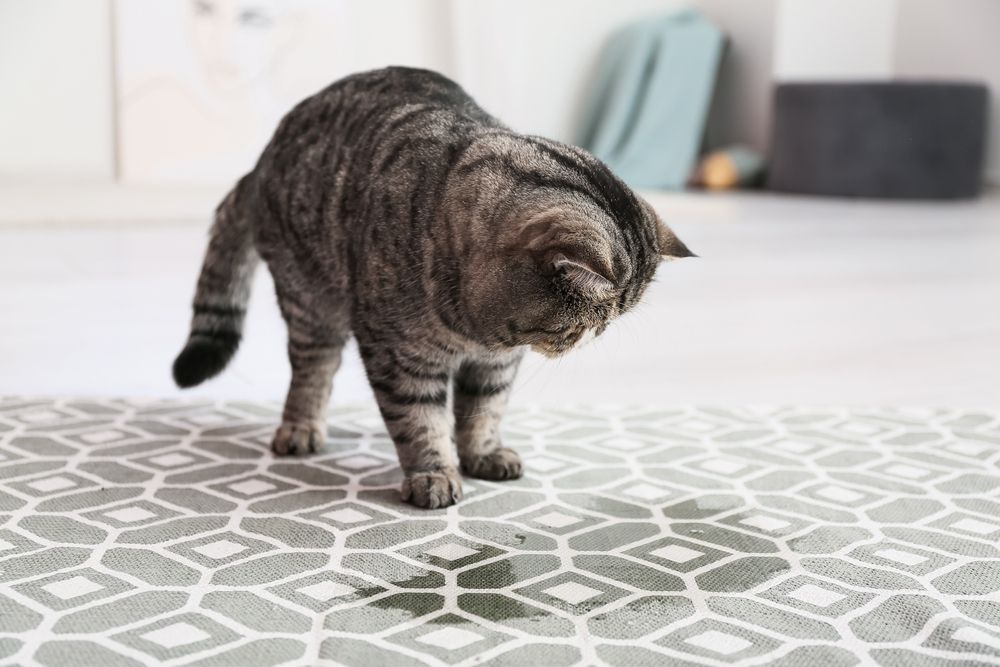
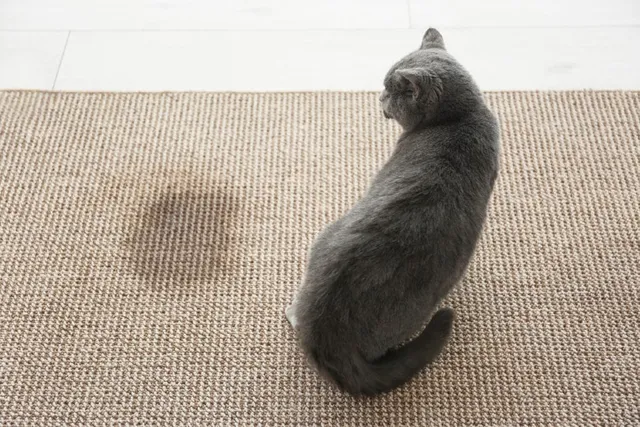
Is your cat not using the litter box? Use this checklist to see what problems are at play, as you need to take your cat to the vet. Most of these causes can be serious, and you should always suspect an underlying health issue first that should be ruled out by the vet. Afterward, you can explore the other potential causes, but only when your cat has had a clean bill of health.

Important Note:

If your cat is urinating frequently and passing only small amounts of urine at a time that may be blood-stained or red, or if they are in and out of the litter box, straining, meowing, struggling to defecate, or having diarrhea, they should be checked by your vet immediately. We cannot emphasize how serious urinary issues are, and they may indicate a blocked bladder, which is a life-threatening condition if left untreated or significantly delayed from the first onset of signs.

divider 1 paws

The 6 Possible Causes Why Your Cat Is Not Using the Litter Box

1. Medical Issues

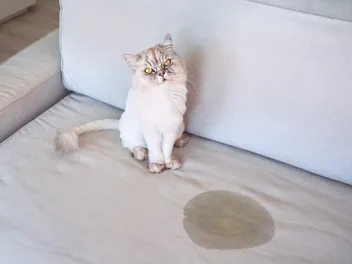
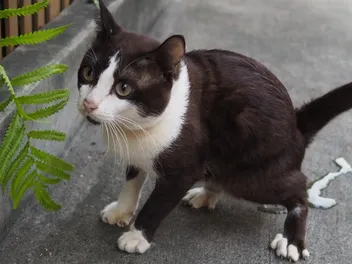
With a cat not using the litter box, you should get them checked out by your vet, as the most common cause may be an underlying health issue. They may be peeing or pooping outside of the litter box in strange places, or they may be straining to pass either urine or feces, leaving spots around the house, as well as in their litter box. 

Medical issues, like urinary tract disorders, commonly referred to as feline lower urinary tract disease (FLUTD), are a common — and serious — reason for a cat not using the litter box. This may be due to inflammation, presence of crystals or stones in the urinary bladder, urethral spasm, infection, urethral obstruction, infection, and more. All of these need urgent veterinary care, as they can result in urinary blockage which is fatal if left untreated. 

However, cats that are having issues with defecation, either constipation or diarrhea, may be going outside of their litter box due to the pain and urgency of the condition. Cats with injuries and older cats suffering with arthritis may struggle to get into their litter box and start to associate it with discomfort. They will need a different litter box to use comfortably, and your vet may advise painkillers and joint supplements.

Systemic and organ system disease, such as diabetes and kidney disease, that cause an increased thirst may also lead to cats peeing more often than normal and leaving spots around the house.

If your vet has ruled out these most common health issues, let’s look at other explanations for your feline choosing not to use their litter box.

If you need to speak with a vet but can't get to one, head over to PangoVet. It's an online service where you can talk to a vet online and get the advice you need for your pet — all at an affordable price!

PangoVet_Mention-in-Content for PangoVet2 save money


2. Litter Box Size

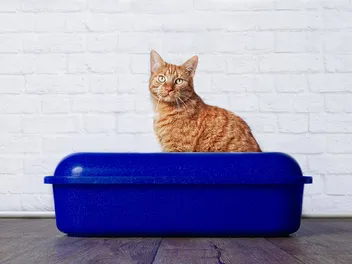
Ideally, your cat’s box should be large enough for them to comfortably turn around inside, without his body hanging over the side. You’ll need a smaller litter box for kittens and then bigger when they outgrow it. You’ll also need one with smaller sides for kittens and senior cats so they can get easily in and out of it.

A kitten looking surprised or confused in the litter box.
Photography © Astakhova | Getty Images.

3. Box Placement

A cat not using the litter box might have difficulty accessing the litter box, or they feel too vulnerable and exposed to other pets or people while using it. Place the litter box in a low-traffic area of your home but not somewhere difficult for your cat to reach. If you have a kitten or senior cat, put a box on every level of your home, so they can get to a box quickly and easily. 

If your kitten or cat still chooses to urinate or defecate outside of the box, try placing the box in that exact location in order to entice them to use it. Slowly move the box to a more desirable location, moving it very little every single day.


4. Litter Box or Litter Type

Just like us, cats have their own bathroom preferences and a cat not using the litter box might not like the type of litter or the type of litter box.

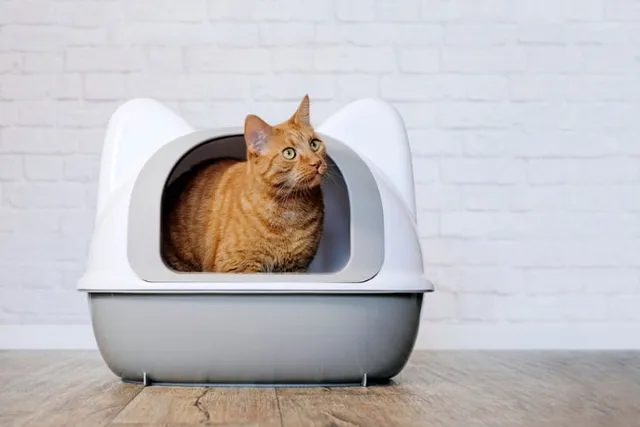
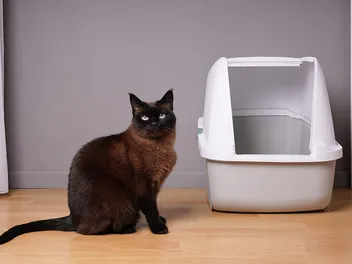
Some cats like a covered litter box and other cats prefer one that’s uncovered. There are many types of litter boxes out there, so try a variety of them and find out which one your cat prefers.

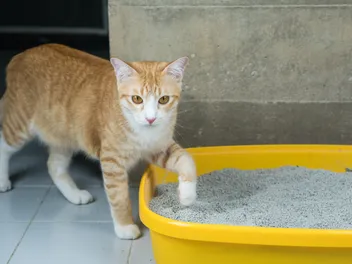
The same goes for litter. Cats can be quite particular about the type of litter they use. With all the choices, get several that work for you and your cat, and offer them in different litter boxes to see which one your cat prefers.

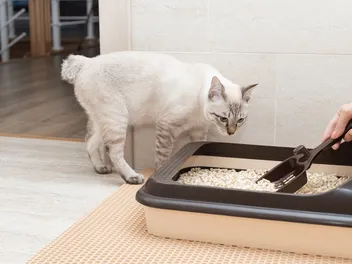
woman cleaning her pet cat's litter box
Image Credit: sandyman, Shutterstock


5. Stress

Household changes can quickly cause stress in your cat, and peeing outside of the litter box is commonly one of the first signs. Adding new people or pets to the household is a common cat stressor. 

Identifying the cause of stress and trying to minimize or eliminate it is the best option to battle stress in cats. If this is not possible, ensure that you provide them with plenty of safe hiding places, far from any noise, where they cannot be disturbed, and consider pheromone diffusers that may give your cat some reassurance during difficult times. Speak to your vet and a feline behaviorist about tips on managing stress in your kitty.


6. Not Enough Boxes or Not Clean Enough

If there aren’t enough boxes in a multi-cat household, or if they are not scooped often enough, your cats will find another, cleaner place to go. And I guarantee it won’t be a place you’ll like. Scoop your litter boxes often, at least twice a day, and offer the same number of boxes as you have cats and one extra, as a minimum.

divider 1 paws

Conclusion

As you can see, there are many reasons why cats may not use their litter box. Keep in mind that, despite it usually being a sign of urinary issues, sometimes, a problem with defecation or diarrhea or even pain due to arthritis, surgery, or injuries may lead to your cat finding other easier places to go to the toilet. 

It’s crucial that your vet rules out any underlying health issues, as urinary disorders may lead to a urinary blockage, meaning your cat cannot pee, and their bladder may rupture. This is life threatening if not treated urgently. There are other, less serious causes for cats not using their litter box, and it may be a question of identifying which one applies to your kitty. Your vet and a feline behaviorist may offer valuable help when dealing with this issue.

Read more about cat health and care:


Featured Photography ©ysbrandcosijn | Getty Images.

Want content like this delivered to you?

Sign Up For Our Newsletter

News, insights, expert advice, and everything cat

* By submitting, you agree to our Terms & Conditions and Privacy & Cookies Policy.


How useful was this post?

Click on a star to rate (you can leave written feedback after clicking submit)

Help us improve Catster for pet parents!

Your feedback really matters.

What did you like about this post? Also how can we improve it?

Join the conversation

2 Responses

  1. my cat is 11 years old. she has never liked using the litter box, but now that I live in a place with all carpet she refuses to use it. I pay a fortune to have the carpet shampooed twice a month and it's hard on the carpet. I've tried all kinds of litter, litter boxes, placing the box in different places, trying to train her and vet checks. nothing works. she's also a very mean cat, not letting anyone touch her but me and will not let me groom her. she's long haired so I have to have her shaved occasionally. this too is expensive because she has to be sedated. you may ask why do I keep her. no one else would put up with her. I love her and I never want anyone to be mean to her. I need help!!!!

    1. Hi Gloria, thank you for getting in touch. You may want to try one of those artificial turf dog potty pads; you never know, it may work for her! https://www.dogster.com/lifestyle/diy-indoor-dog-potty-plans
      If you have any specific questions or need personalized advice, please feel free to book a one-on-one call with one of our vets at www.pangovet.com. Thanks for loving your cat!

Leave a Reply

You’re very welcome to leave a comment or question. Please know that all comments must meet our community guidelines, and your email address will NOT be published. Let’s have a positive and constructive conversation.


Talk With A Vet Online

Peace of mind,
anywhere, anytime

Affordable vet advice

Do Bengal Cats Like to Cuddle? Vet-Reviewed Breed Preferences Explanation

Here at Catster, we take our cat cuddles very seriously, and if you want a cat who will cuddle you all day, we...

Can Cats Eat Scrambled Eggs? Vet-Verified Nutrition Facts & Info

There’s no better breakfast than some nicely cooked scrambled eggs and a couple of slices of toast. It’s simple, delicious, and nutritious. So,...

3 Homemade Pumpkin Cat Treat Recipes To Enjoy This Fall

Cats are obligate carnivores, meaning they need a meat-based diet. That said, there’s nothing wrong with treating your furry friend to a few...

6 Incredible Ashera Cat Facts You’ll Be Surprised to Learn

Having a gorgeous leopard stretching lazily in your living room upon waking from their nap—isn’t that an appealing thought? But for many obvious...

More related

Do Feral Cats Like Catnip? Vet-Approved Facts & FAQs

If you’ve ever watched a cat go crazy over catnip, you may be surprised to learn that some cats are completely indifferent to...

Tortoiseshell Cat Appreciation Day 2026: When & What Is It?

Tortoiseshell cats are beloved felines around the globe easily recognized by their distinctive appearance. A tortoiseshell cat is not a breed itself, but...

How Big Should A Litter Box Be? A Vet-Approved Guide

A litter box can seem trivial when preparing for your new cat to come home. However, your cat will use the box multiple...

Paddock Park Animal Care Center: Heroes of The Pet World

Veterinarians, vet technicians, practice managers, rescuers, behaviorists, nutritionists, trainers, volunteers, and other animal professionals are the backbone of pet ownership. Helping pets and...

Keep reading

Cat Airplane Ears: 4 Vet-Verified Reasons Why Cats Do This, Facts & FAQ

Cats are known for their quirky behaviors, but one that continues to baffle pet owners is when they have “airplane ears.” This seemingly strange behavior does have a purpose, and it’s not necessarily a good thing when your cat has...

Cat laying on the grass with airplane ears

Do Cats Lick Themselves to Get Your Scent Off? 3 Surprising Theories

Have you ever noticed your cat licking themself after being around you or right after you pet them? That’s because cats lick themselves as a way to keep clean and remove our scent from their fur. But why do cats...

cat licking itself

How Long Can a Cat Be in Labor? Vet-Approved Feline Birth Facts

Most veterinary professionals recommend getting your cat spayed or neutered to help control the feral cat population, reduce disease transmission between cats, and reduce the risk of health complications later in life. It can also help make it much easier...

pregnant cat on the ground

Can Cats Eat Fish Food? Vet-Approved Facts & Healthy Alternatives

Cats are inquisitive creatures, and if you’ve ever opened and handled fish food around your cats, you have likely noticed them take a genuine interest. Fish food is made primarily of fish and seafood meal, both of which are safe...

Catster_Can Cats Eat Fish Food_v1_Dec 4 2024

Is It Better to Have Two Cats (or More)? Vet-Verified Factors to Consider & Tips

Cats are some of the most misunderstood animals. Many ideas people have about them are anecdotal or based on folklore. We know that they are closer to their wild side, and many of their behaviors are instinctive, such as scratching...

two cats side by side each other

Raw Food Diet for Cats: Vet-Approved Pros & Cons

Choosing the proper diet for your cat is an incredibly difficult decision. You must balance your desire to give your cat what’s best and consider their finicky nature. Time and effort are also big considerations. Raw pet food is all...

raw cat food

Can Cats Eat Pringles? Vet-Reviewed Facts & FAQ

Does your cat come running every time you pop open a can of Pringles because he loves the funny-shaped potato chips? If you’re wondering if cats can eat Pringles, you should know that Pringles and other chips aren’t good for...

Can Cats Eat Pringles

How Far Apart Can Kittens Be Born? Vet Verified Facts

The amount of time a cat is in labor varies, but most kittens can be born between minutes to about an hour apart. Sometimes, mother cats can go into interrupted labor and stop straining between 24 to 36 hours before...

mother cat and its kittens