Right or Left? Do Cats Have a Dominant Paw? Vet-Reviewed Science & Info


We humans can get hung up on the strangest things! For example, only about 60 years ago, left-handed people were considered “sinister” (a term derived from a Latin word meaning “on the left side,” which was equated with evil).
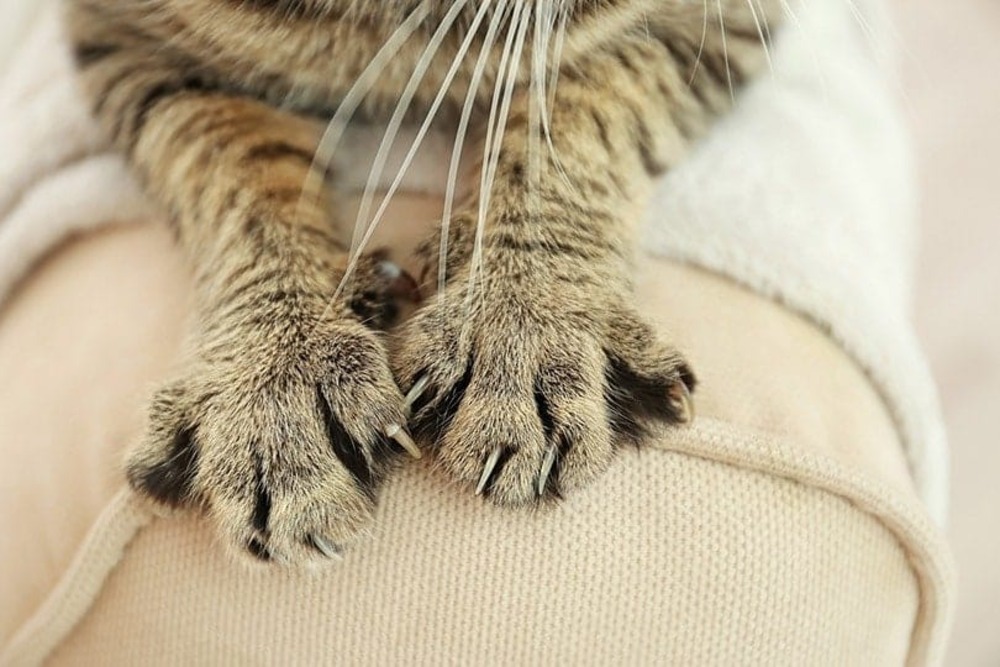
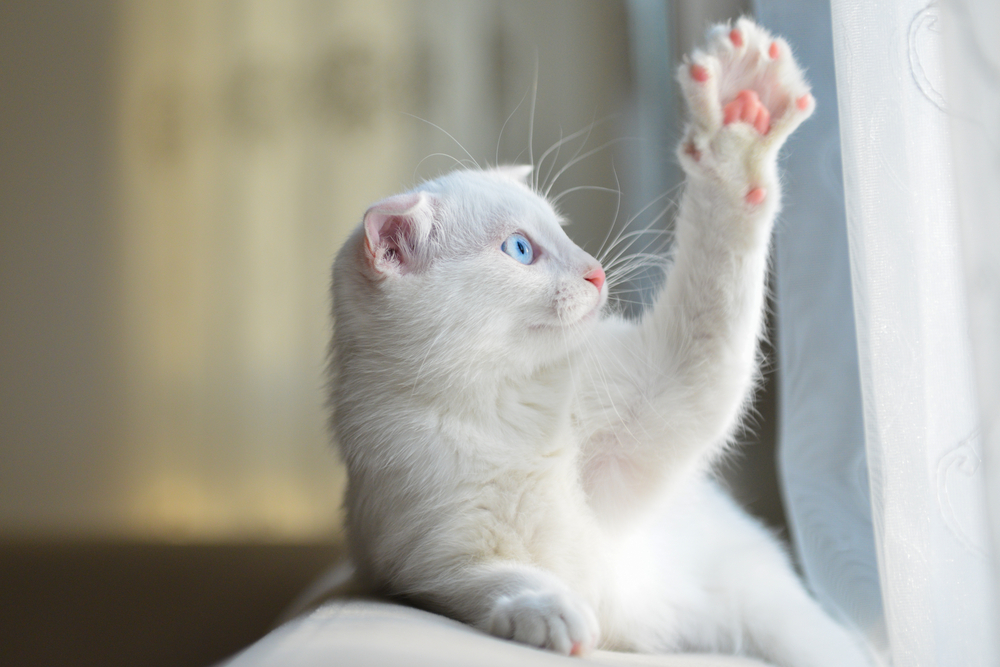
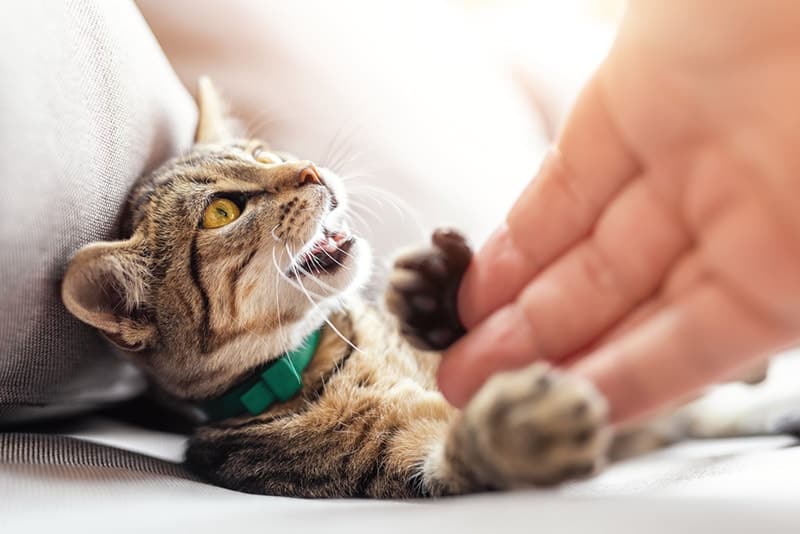
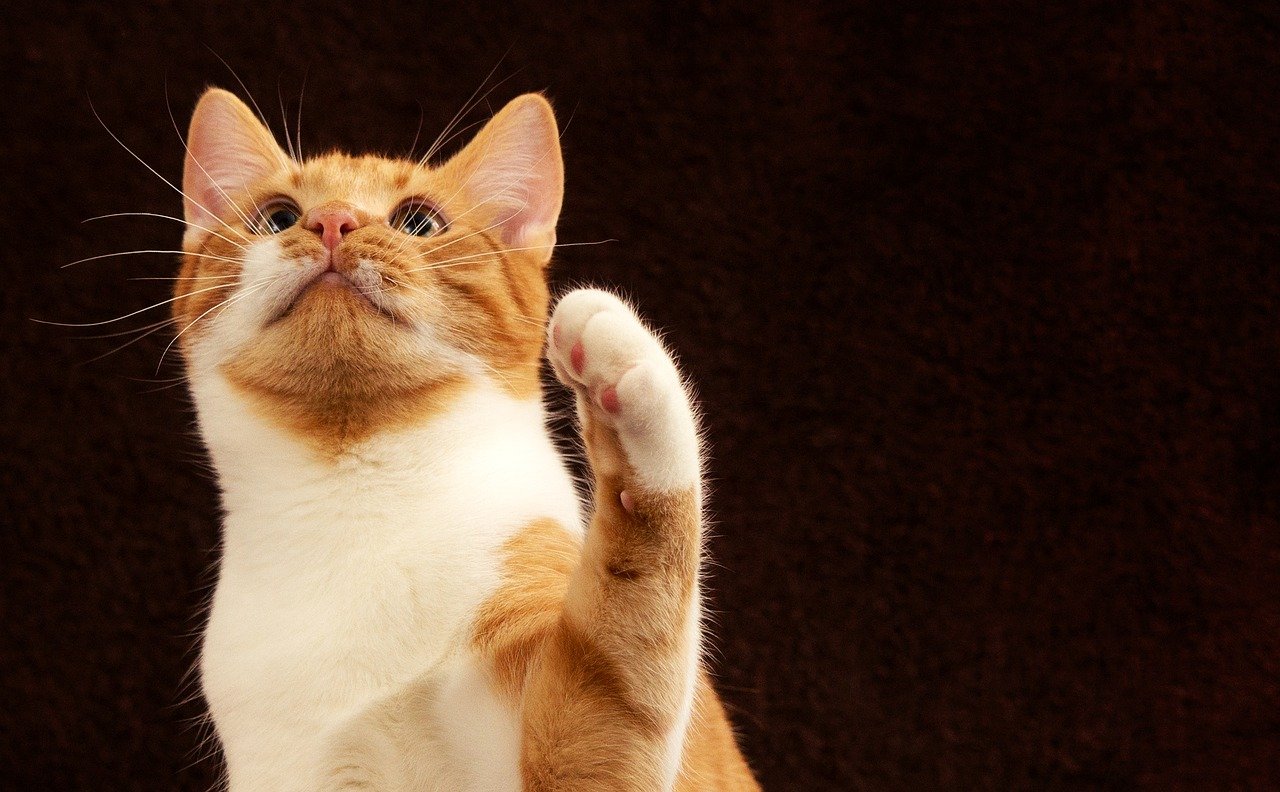
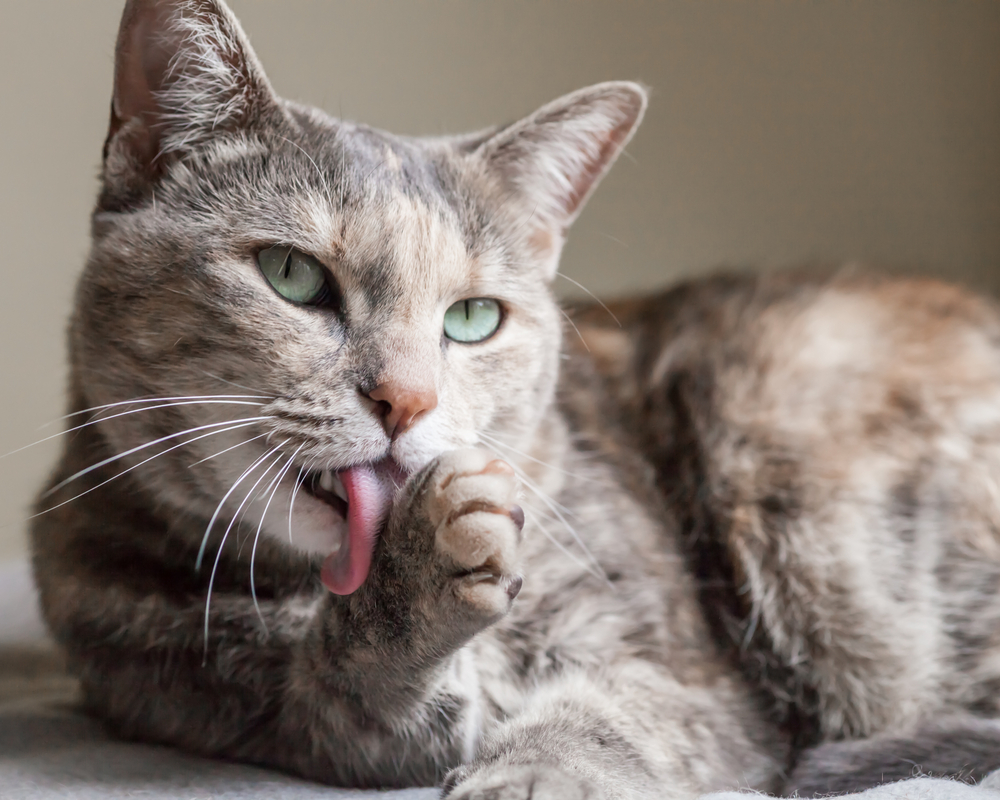
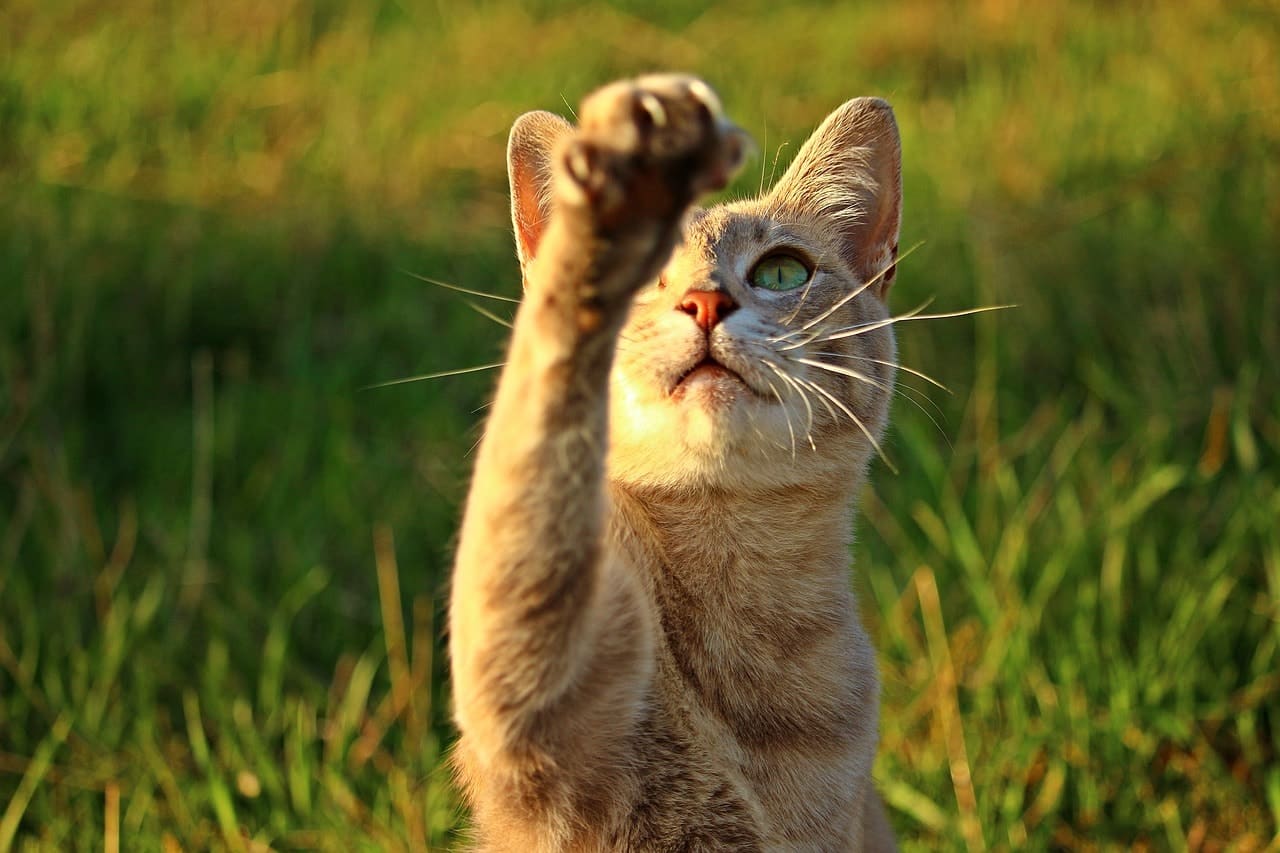
Lefties (also called southpaws) are in the minority, but have you ever wondered if cats, like humans, favor a left or right paw? While cats aren’t specifically right or left-handed the way that humans are, there is a tendency for them to favor one of their front paws.
Read on for more details about this physical trait, along with extra tidbits about cats and their paws!

Are Cats Left or Right Pawed?
The Study
Researchers from the Animal Behaviour Centre at Queen's University in Belfast conducted a study in 2018 that explored the laterality of 44 cats, 24 of which were male and 20 female.1 Laterality is when an animal prefers to use one paw over the other.
The cats were all fixed, ranged in age from 1 to 17, and were various breeds. The researchers studied cats in their homes rather than in a lab setting with the help of the cat owners, who monitored their cats throughout the course of their daily routines. This was to prevent stress for the cats, which would definitely have occurred if the entire study had been conducted in a “forced” or lab setting.
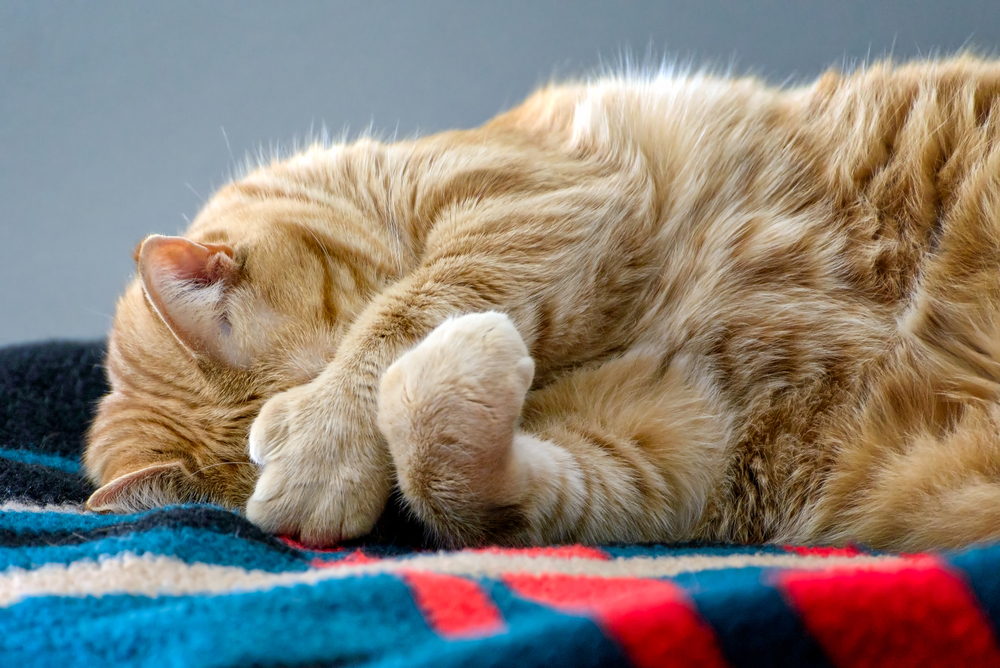
Emphasis was placed on which paw the cats used first when walking downstairs or stepping into the litter box and whether the cats preferred sleeping on one side or the other.
The cats were additionally tested briefly in a lab setting to retrieve treats from a food maze and a tower with holes.

The Results
The results showed that 73% of the cats had a clear preference as to which paw they used most when reaching for food. Around 70% of the cats tended to use the same paw when going downstairs, and 66% used the same paw when stepping into their litter boxes.
Interestingly, the female cats seemed to favor the right paw and the males the left paw. But the side that the cats slept on didn’t show any specific preference.
In another study, more cats were shown to be “left pawed” rather than “right pawed”2. However, this study didn’t factor in the sex of the cat in the observations.
What Does This Tell Us?
Dr. Deborah Wells, one of the researchers in the first study, feels that animals with a left-paw preference and those that don’t have a preference tend to be more “flighty” and more susceptible to stressful situations than animals that are right pawed.
The reasoning behind this is that the left side of the body is controlled by the right side of the brain and the right side by the left side of the brain. The left side of the brain processes positive emotions like excitement and happiness and focuses on familiar and non-stressful behavior. The right side of the brain responds to unfamiliar and emergency situations with an urge to escape. It additionally processes what are considered negative emotions like fear and sadness.
So, if a cat is right-pawed, they may tend to be more playful and self-assured, and left-pawed cats might be more aggressive or fearful.
Most of these results aligned with another, similar study conducted on dogs by the same team in 2017.
You Can Try It at Home
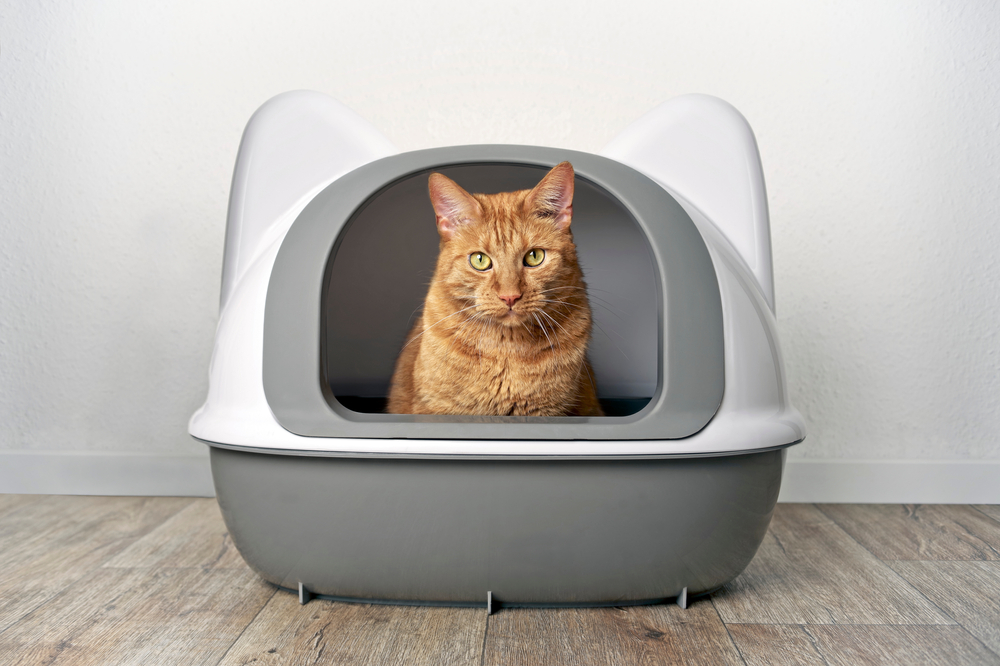
You can try the same kinds of experiments that the researchers conducted on your own cat. Watch your cat when they go into the litter box: Which paw do they use to enter?
Look at which paw they extend before going downstairs. You can even try using the treats trick. Put a few treats in a container, and watch which paw they use to retrieve them. Of course, you would need to repeat all these experiments multiple times so you will know beyond a shadow of a doubt if your cat is a righty or a lefty!
Final Thoughts
The study gave us more insight into our cats, but of course, more studies are needed. Also, this whole right vs. left preference is actually relevant with several other species! From apes and horses to even whales, all have shown a preference for one limb over the other.
There’s still a long way to go if we want to understand our cats better, which will involve a great deal of cat-watching. But that’s not such a bad thing!
Featured Image Credit: Pixabay

Expert cat care, straight to your inbox
Vet-reviewed advice, behavior tips, and the best of Catster. Free, and you can unsubscribe anytime.
By signing up, you agree to our Terms & Conditions and Privacy & Cookies Policy.
Kathryn was a librarian in a previous lifetime and is currently a pet writer. When she was a child, she hoped to work in ZOOs or with wildlife in some way, thanks to her all-consuming love for animals. Sadly, she's not strong in the sciences, so she fills her days with researching and writing about all kinds of animals and spends time playing with her adorable but very naughty tabby cat, Bella. Kathryn is hoping to add to her family in the near future – maybe another cat and a dog.
Join the conversation
Ask a question, share your story, or send private feedback.