Why Is My Cat Peeing on the Carpet & How to Stop It: 7 Vet-Approved Reasons


In this article
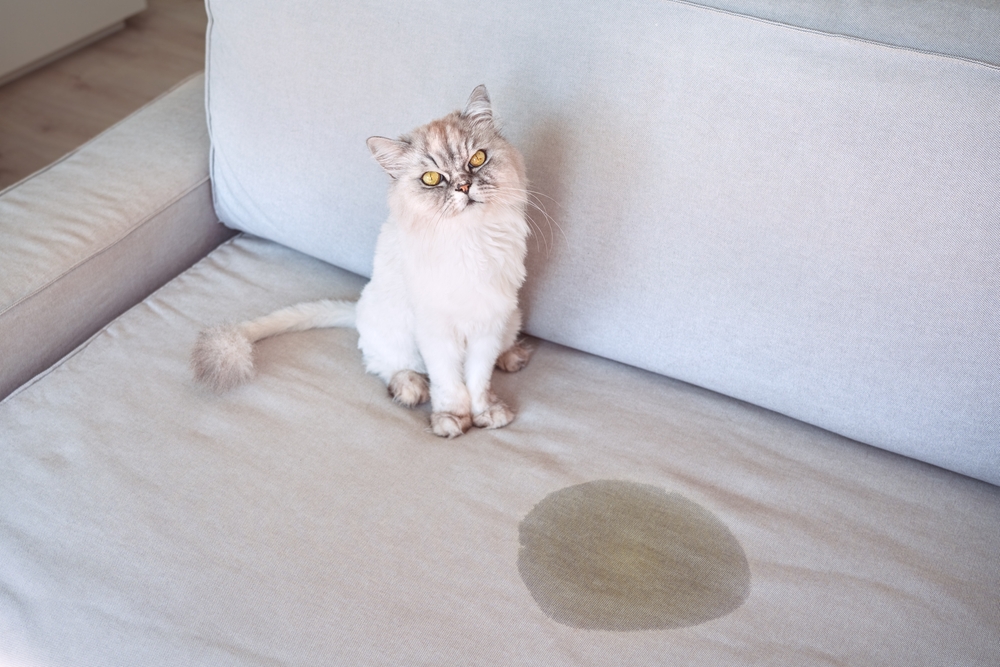
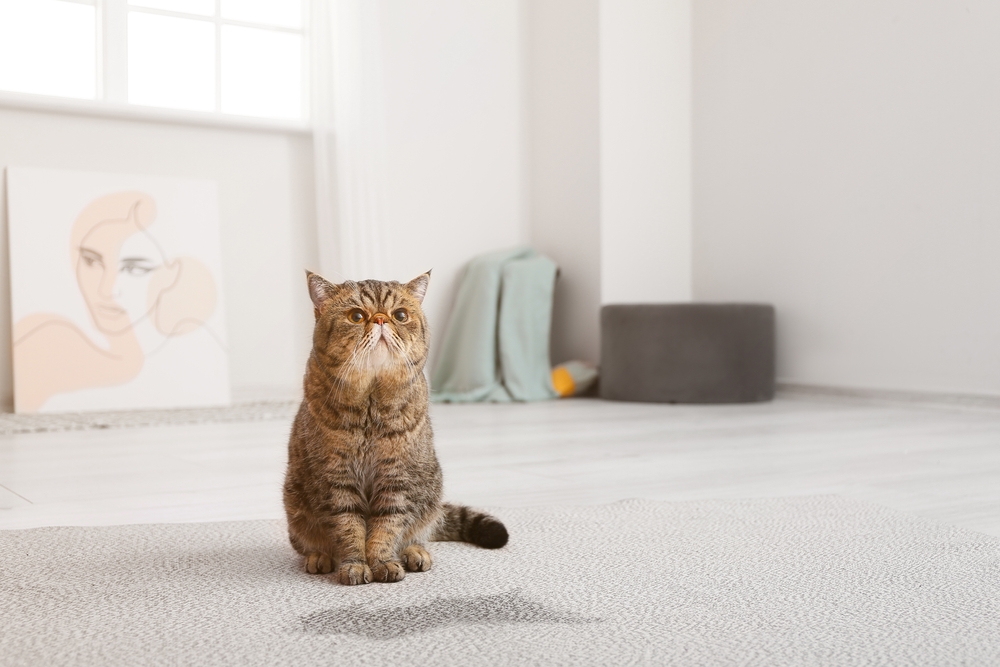
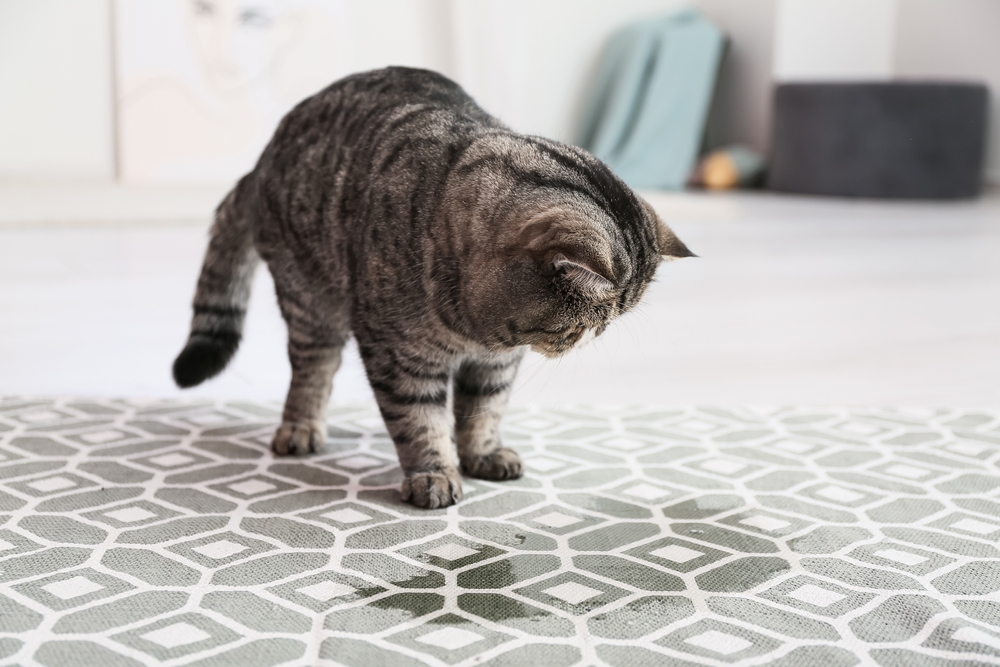
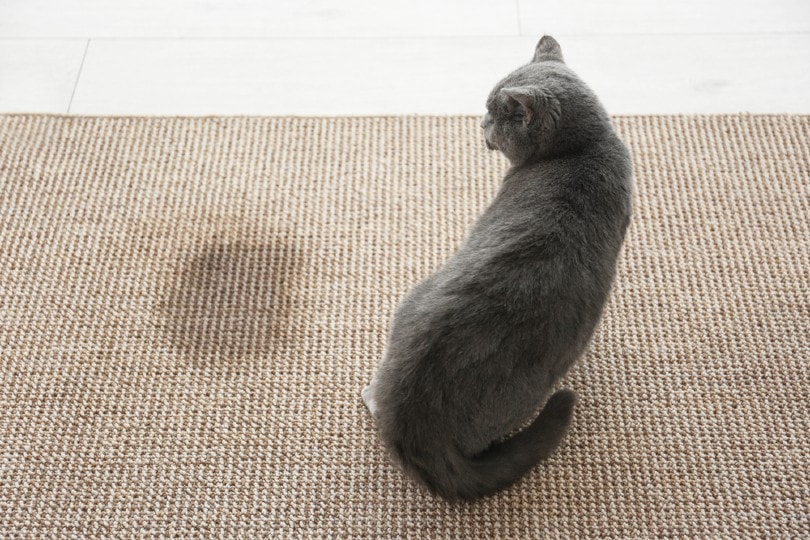
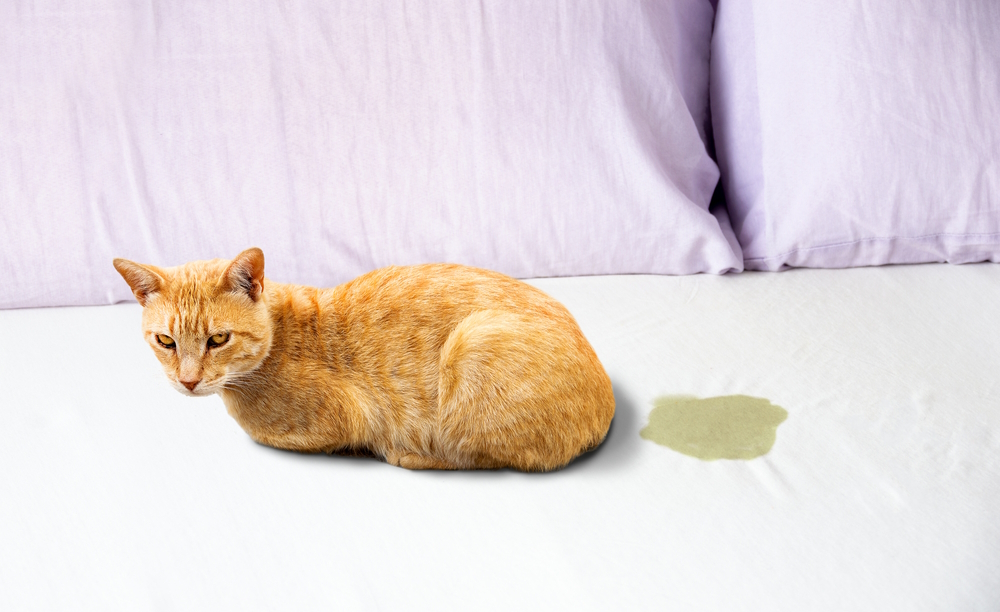
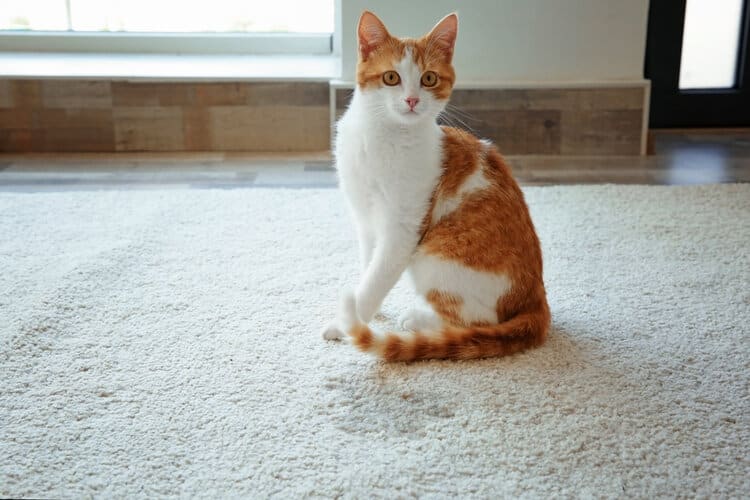
If your typically pristine and proper cat is suddenly ignoring their litter box and peeing all over your carpet, it can become a frustrating (and smelly) problem for cat parents. The strong odor and constant carpet cleaning can definitely take a toll . But in most cases, it also indicates an underlying and painful health problem for your cat that needs urgent veterinary attention.
But why is your cat peeing on the carpet and not in their litter box ? The reasons behind their need to pee on your carpet are usually medical but can also be behavioral or a sign of stress.
Here are seven reasons your cat is urinating on your carpet and how to stop it.

Effectively Cleaning Pet Messes
The first part of cat mess prevention is ensuring you are taking the time to properly clean any accidents so they don't return to the same spot - and that starts with investing in the right products! Of course, you'll want to opt for something safe first and foremost, to protect your feline's health, but secondly, you'll need a solution powerful enough to lift the toughest, stinkiest, most set-in stains. An enzyme cleaner is a great go-to option to do just that.
Our Favorite Enzyme Cleaner
The Hepper Advanced Bio-Enzyme Pet Stain & Odor Eliminator Spray is our favorite enzyme cleaner out there. It permanently removes even the very worst kitty stains and smells, leaving your home fresh and clean! Click here to learn more about this amazing product and get yourself a bottle.

- ADVANCED ENZYMATIC CLEANER - Penetrates the most stubborn smells and stains at the deepest molecular levels to dissolve any pet mess you encounter and lift it away at the source.
- FOR ANY MESS, ON ANY SURFACE - This pet odor eliminator cleans your carpets, floors, furniture, fabrics, and more. Whether it's urine, feces, vomit, or drool, you can erase all foul spots and smells!
- FRESH, NATURAL ODOR - Our unique formulation doesn't rely on dangerous or unpleasant chemical fragrances to get the job done. We eradicate smells and stains, not just cover them up.
At Catster, we’ve admired Hepper for many years, and decided to take a controlling ownership interest so that we could benefit from the outstanding products of this cool cat company!

The 7 Reasons Your Cat Is Peeing on the Carpet
1. Health Concerns
A peeing problem could be caused by health issues that lead to excessive urine production, such as kidney disease and diabetes, or a urinary tract disorder with the presence of urinary crystals, stones, inflammation, infection, or even a urinary blockage that is life-threatening. Additional medical issues may cause your cat discomfort when using the litter box. For example, older cats who suffer from arthritis may not be able to get into a box that has a cover or high side s d ue to their achy and stiff joints.
Until proven otherwise, always suspect a medical issue may be causing your cat to pee outside of their box. Cats will not pee on the carpet just to spite you; it's almost certainly a sign that something isn’t right, either with their health or emotional state.
Some of the common signs you may also notice are your cat straining, meowing when trying to pee, leaving puddles of urine outside of the litter box, passing very little or no urine, having blood in urine, refusing food or vomiting, and many more. All of these require an urgent appointment with your vet right away, who can then properly diagnose and treat the problem. Urinary blockage is a very serious condition, and your cat may develop kidney failure or a ruptured bladder, both of which can be fatal if not treated in time.
2. A Dirty Litter Box
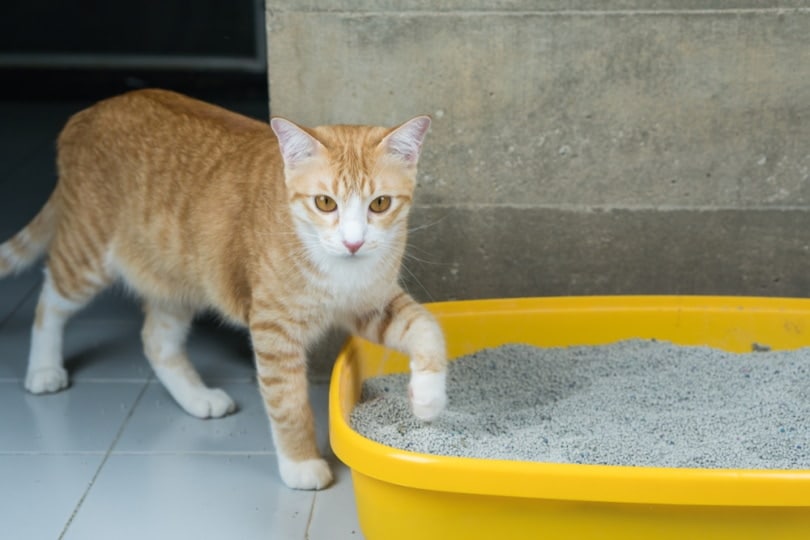
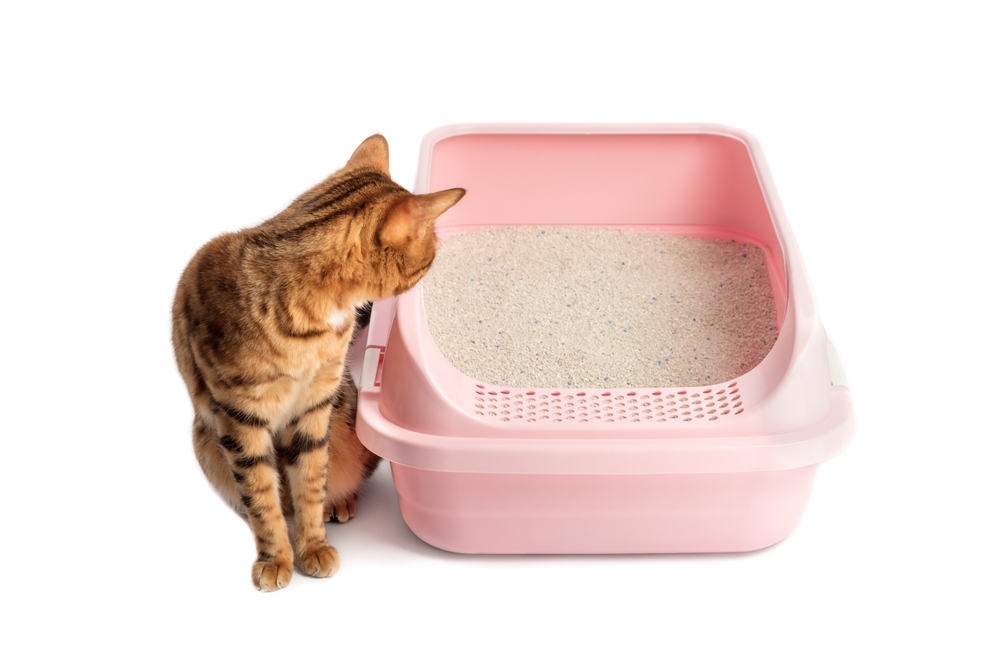
Cats are extremely particular when it comes to their toilets. If the litter box isn’t perfectly pristine, your feline may feel uncomfortable using it.
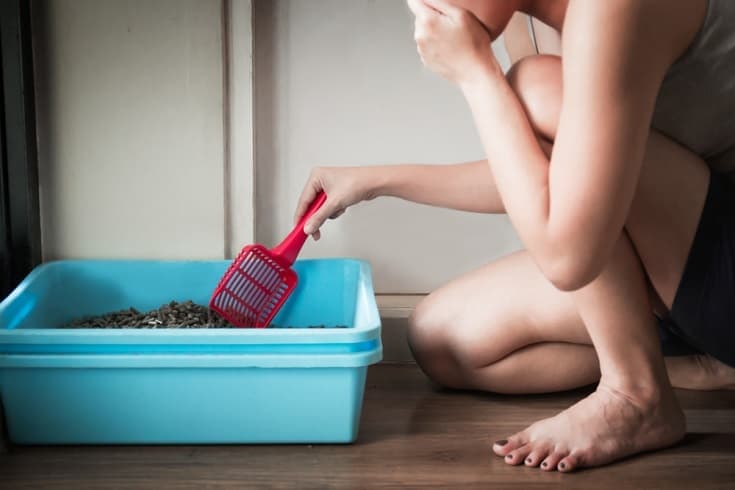
To keep your litter box clean, be sure to scoop the litter at least once a day. You may need to scoop it more if you live in a multi-cat household. Bear in mind that your cat’s sense of smell is a lot more sensitive than yours is. Even if the litter box looks clean, it may still smell like a hot mess to your cat. If you have more than one cat, they all need their own private litter box, plus at least one more, as they may not enjoy sharing boxes and other resources.
3. Stress and Anxiety
Your furry friend may be trying to tell you something by peeing on the carpet. They could be unhappy with another pet in the house and mark their territory to safeguard it from the other animals. They may even feel vulnerable and threatened to use the litter box in the presence of the other pet.
Always ensure that your kitty has a quiet and peaceful place that they can call all their own. This is especially true if you own dogs. All other animals and humans should respect the cat’s space.
4. The Litter Box Is Tough to Reach
Urinating outside of the box may be caused by something as simple as the placement of the litter box. If your cat is old, they may have a problem accessing the litter box, especially if it’s kept in the basement or on the second floor of your home.
The litter box should always be kept in an easy-to-reach but private area of the household. Despite your desire to keep the litter box accessible for cleaning, removing it from social areas and placing it somewhere quiet may make it more appealing to your feline friend. Moreover, if the litter box is near a machine that produces loud noises or vibrates, like a fridge or washing machine, your cat may not use it.
Try keeping the litter box near a secluded hallway, in a bathroom, or in a quiet office that has easy access to a garbage can. While it’s still easy for your cat to find, these areas will also offer him peace and privacy.
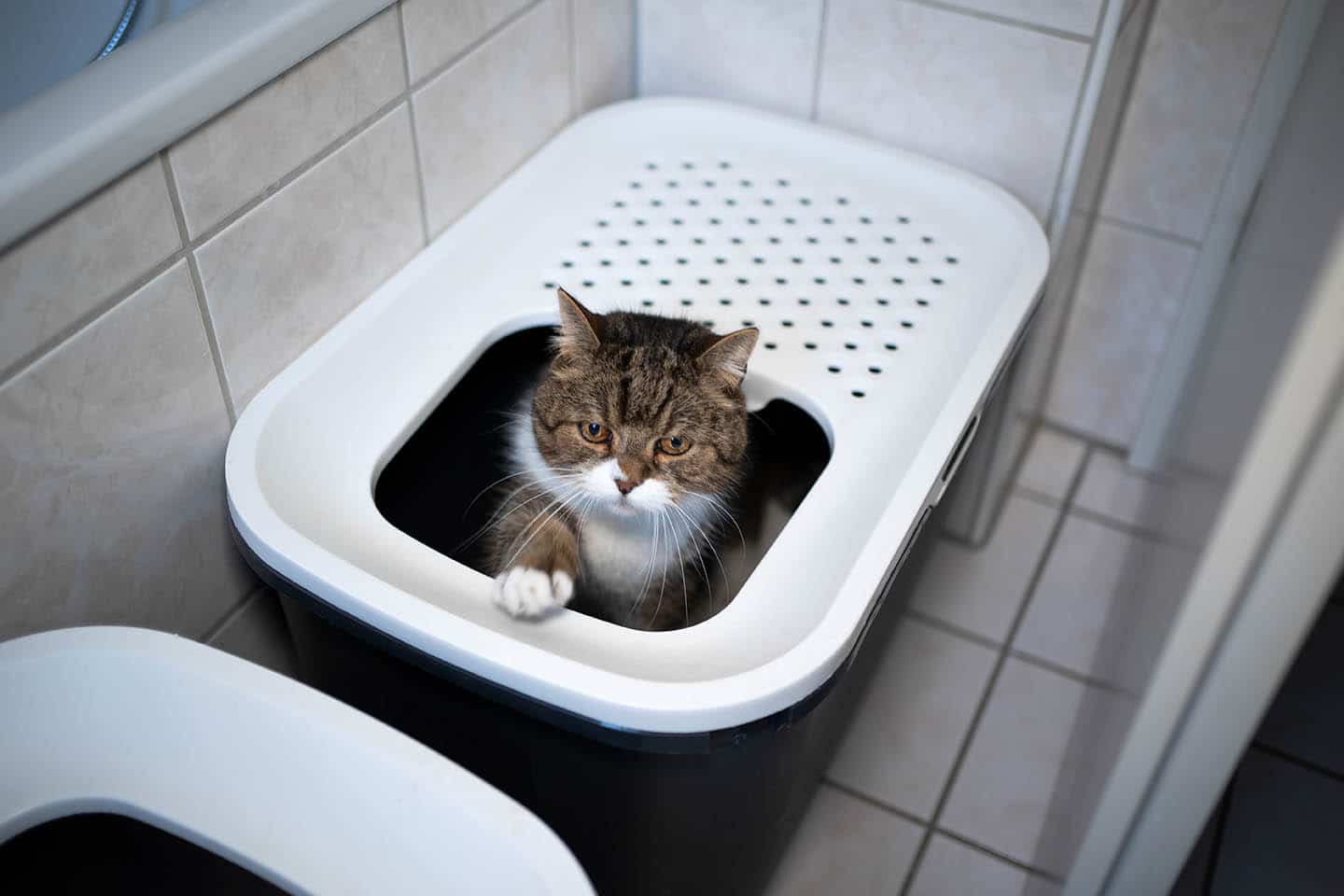
Litter boxes with high sides or those with a door on the top or a flap may also be difficult to reach for cats that struggle with mobility due to injuries, illness, or arthritis, and they will need an easy-to-enter box with low sides.
5. Too Many Animals in the House
Peeing on the carpet will generally happen more often in a multi-cat household. This is particularly true for homes where one cat bullies another one. Always have multiple litter boxes located in different areas of your home. The general rule is one litter box per cat plus one extra one, and this is the minimum. Each cat should have its bowls, toys, bed, and scratching post, although some may be better at sharing and more social. More private cats should have their safe and private hiding spot, and there should be enough room to allow the cats to interact with each other when they want, but also to have their privacy. Using pheromone diffusers may also help to relieve any tension and to provide reassurance for the cats.
6. Litter Type
While there are a variety of litters to choose from , not every type of litter is perfect for every cat. Litter should be clumping to reduce soiling and moisture, and you should find one with little dust so as not to cause respiratory problems for cats.
Try using a few different types of litter to see which one works best for your pet.
7. Marking Behavior
If you find pungent urine spots on your carpet, you may think your cat has urinated there. However, it's important to differentiate urinating from spraying. Cats urinate by squatting on a horizontal surface while spraying is done standing up with an erect tail on a vertical surface, using a very small amount of urine rich in pheromones.
If you have a male cat that isn’t neutered, he may be spraying and leaving his mark around the house, particularly if he is an indoor cat or can sense female cats in heat. Even female cats may spray urine, especially when in season, and neutering and spaying your cat is an efficient way to prevent this behavior from occurring. Speak to your vet about the best time to get it done. Other reasons cats will spray urine are related to stress and anxiety.

The Bottom Line on Litter Boxes
Your cat may be forgoing their litter box and using the carpet as a toilet for a number of reasons. Always suspect the problem may be of a medical nature and take your cat to a vet right away . If your cat has been given a clean bill of health, try to identify if there may be a behavioral, litter box location, or litter issue. Or try to determine if your entire cat is displaying marking behavior so you can start addressing it. Speak to your vet or a feline behaviorist if you cannot resolve the problem.
With time and appropriate management, your cat will start using the litter box once again . However, you still may want to thoroughly clean that pee on the carpet.
See also:
Sources
Featured Image Credit: Africa Studio, Shutterstock

Expert cat care, straight to your inbox
Vet-reviewed advice, behavior tips, and the best of Catster. Free, and you can unsubscribe anytime.
By signing up, you agree to our Terms & Conditions and Privacy & Cookies Policy.
Christian started writing for a local newspaper as a teenager, and he's been involved in the publishing industry for most of his adult life. Combining his love of writing with a passion for animals, he is currently the Director of Editorial at Pangolia and the Editor-in-Chief at Catster.
Christian lives in the Philippines with his wife, son, and four rescue cats: Trixie, Chloe, Sparky, and Chopper.
Join the conversation
Ask a question, share your story, or send private feedback.