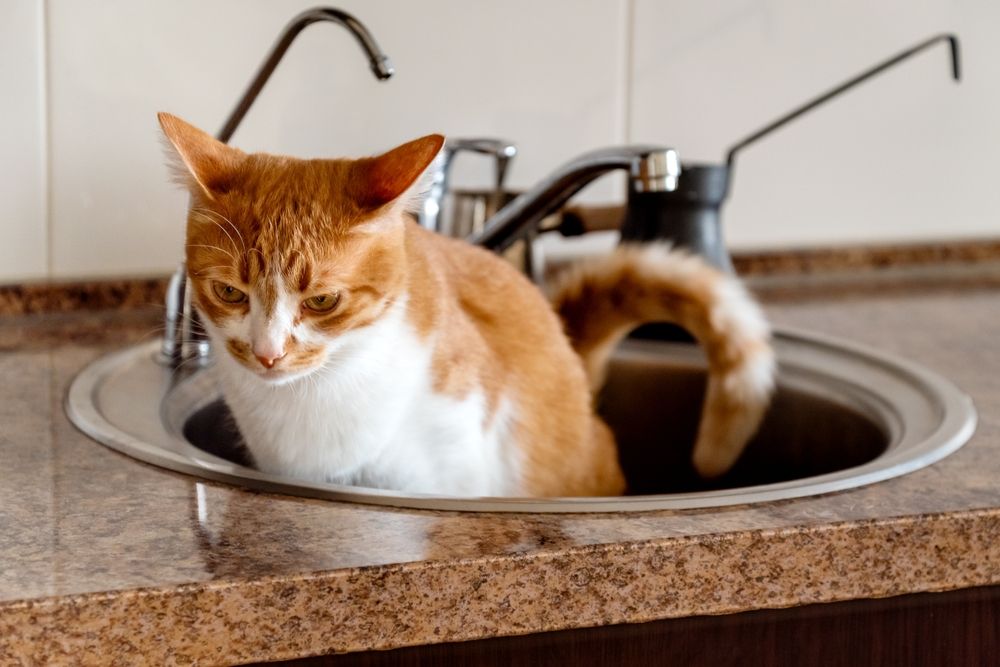
Cats Peeing in Sink or Bath Tub? 7 Ways to Stop it!


In this article
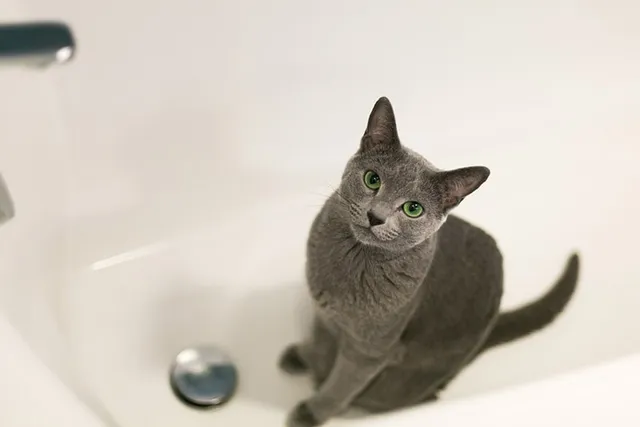
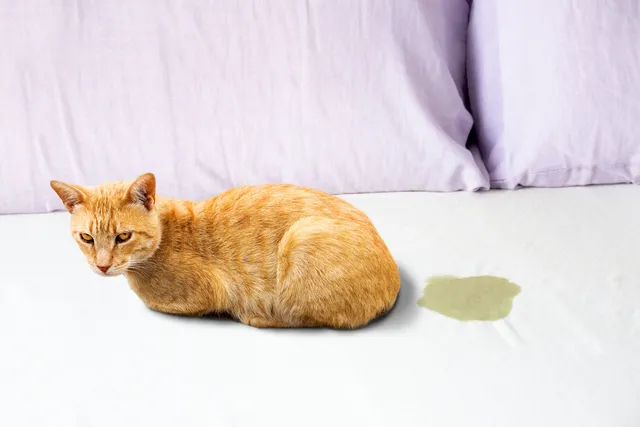
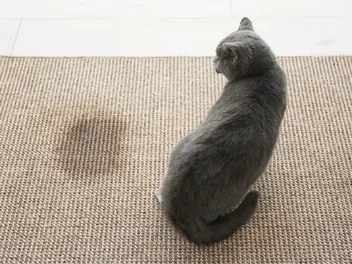
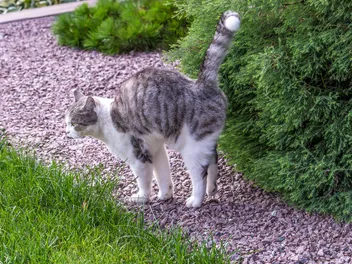
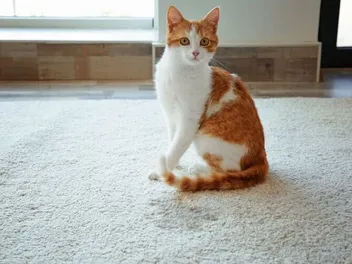
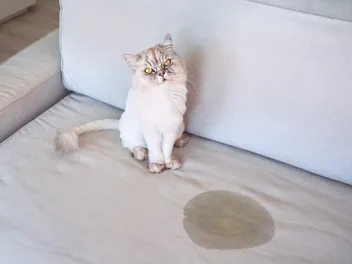
One of the easiest parts about owning a cat is that they naturally train themselves to use a litter box. But what if your cat’s having issues with peeing outside the box and is choosing the sink or tub instead? Fortunately, there are some techniques you can use to stop this behavior.
Before applying these tactics, you’ll need to determine the root cause. Sometimes, your cat's urination issues are not related to the location or design of the litter box. Therefore, making box corrections may do little to solve the problem.
So, in this article, we’ll go over the causes of your kitty’s incontinence, some techniques to help them get back in the litter box and a few quality products to help you along the way.

Why Is My Cat Peeing in the Sink and Bath Tub?
Determining why your cat is relieving themselves outside their box is crucial to getting them back to their normal routine. Treating the wrong cause can worsen the problem.

1. Litter Box Issues
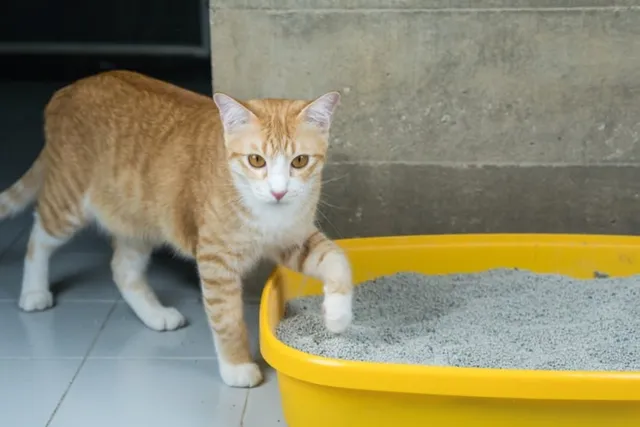
Sometimes, the biggest problem is your cat’s litter box. Cats are very particular about their bathroom. Sometimes, peeing in places other than their box is their way of telling you that there's something wrong with it.
For instance, you may need to clean it more often. Normally, once in the morning and once in the evening is sufficient for most cats. However, your feline friend may be a bit more particular. You may need to clean up after them each time they go, which can be a pain. However, switching to an automatic cleaning litter box such as ScoopFree Original Automatic Cat Litter Box may be the solution.
The litter can also be an issue. There are several types available, including clay, pine, paper, silica, and more! Finding the right one for your cat is simply a matter of trial and error. And lastly, the problem could be all about the location.
Like us, cats want their privacy! If their box is placed right out in the open, they might not want to use it, but they want to feel safe as well. Their litter box shouldn’t be placed in a spot with a lot of foot traffic. It could make your feline friend nervous and avoid using the box.
Cleaning up after our pets is not the most enjoyable part of owning them. Despite keeping a clean litterbox, cat odors and stains may still exist around the house. Sometimes, even the best litter box setup needs extra help. If you're tired of dealing with bad smells from litter boxes, Hepper Advanced Bio-Enzyme Pet Stain & Odor Eliminator Spray can help with the worst pet stains and smells. Additionally, the Advanced Bio-Enzyme Cat Litter Deodorizer neutralizes odors upon contact.
Our Favorite Products
| Image | Product | Details | |
|---|---|---|---|

|
Hepper Advanced Bio-Enzyme Pet Stain & Odor Eliminator Spray |
|
Check Price |

|
Advanced Bio-Enzyme Cat Litter Deodorizer |
|
Check Price |
At Catster, we’ve admired Hepper for many years and decided to take a controlling ownership interest so that we could benefit from the outstanding designs of this cool cat company!
2. Health Issues
Another key reason your cat may be relieving themselves outside of the litter box is their health issues. Peeing outside their box—particularly somewhere in front of you—may just be them trying to communicate that they’re having a problem.
Your cat may be experiencing various issues, including bladder stones, urinary tract infections, or cystitis. If there’s any concern that your cat’s urination complications are health-related, you need to take them to see their vet immediately. Don’t wait for the issue to get worse.
3. Behavioral Issues
Finally, your cat may be urinating outside of their box due to stress and anxiety. Changes in the environment or routine often bring this on, and some cats are much more sensitive to change. They're often the most difficult behaviors to correct and may test your patience. However, the behavioral changes may self-correct after your cat becomes more accustomed to the changes in their life.

The 7 Ways to Break Your Cat’s Unwanted Behaviors
Once you’ve identified the root cause of your cat’s urination issues, you can start to correct it.
1. Clean Your Cat’s Litter Box More Frequently
You might need to start cleaning your cat’s box more often. Cats just love a clean litter box! After all, they don’t want to shuffle around old droppings to find a clean place to relieve themselves.

2. Change the Litter Box
Your cat may be uncomfortable in their old litter box. They may have grown too large for it, or it's beginning to smell. Some litter boxes absorb odors over time.
Another issue may be that it's too open. However, a hooded litter box with a charcoal filter, like Nature’s Miracle Oval Hooded Litter Box, takes care of both problems.
3. Swap Out the Litter
Often, a new litter will solve the issue. Your cat may have grown averse to the scent or feel of the litter between their toes. The answer is normally as easy as swapping brands, scents, or types. Give it a try and see how they respond. Avoid buying in bulk until you know your cat’s preferred litter.

4. Put a Few Inches of Water in Your Sink or Bathtub
Now, this may seem silly, but putting a few inches of water in your sink and tub can be an excellent deterrent. Cats prefer a comfy place to do their business, and that doesn’t include standing in a puddle of water.
5. Relocate the Litter Box
It could just be that your cat's litter box is in the wrong spot. We recommend finding a nice, secluded place with plenty of privacy and clear lines of sight to keep a lookout for any intruders.

6. Add Another Litter Box (or Two)
You might consider adding another litter box or two around your home. Your cat may be having difficulty reaching their box, and your sink or tub may be the most appealing alternative. Putting a few more boxes around the house also helps you spread out cleanings by giving your cat more places to choose from.
7. Get Them to the Vet ASAP
If all else fails, there may be a medical issue with your kitty that requires professional veterinary help. Don’t hesitate to take them to the vet if you suspect something might be wrong.

Conquering Your Cat’s Pee Problem
Your cat might not come out and directly say why they use your sink or tub as a toilet, but the methods we discussed can help you determine why and get your cat back into their litter box. If your cat continues to avoid their litter box after your attempts to help them, contact your veterinarian for a full examination.
See also:
Featured Image Credit: GIOIA PHOTO, Shutterstock
Expert cat care, straight to your inbox
News, insights, and useful advice, delivered to you.

No spam — unsubscribe anytime.
By signing up, you agree to our Terms & Conditions and Privacy & Cookies Policy.
How useful was this post?
Click a star to rate. You can leave written feedback afterwards. (We read all feedback.)
Christian started writing for a local newspaper as a teenager, and he's been involved in the publishing industry for most of his adult life. Combining his love of writing with a passion for animals, he is currently the Director of Editorial at Pangolia and the Editor-in-Chief at Catster.
Christian lives in the Philippines with his wife, son, and four rescue cats: Trixie, Chloe, Sparky, and Chopper.