Why Is My Cat Missing the Litter Box? 11 Vet Reviewed Reasons & Advice


In this article
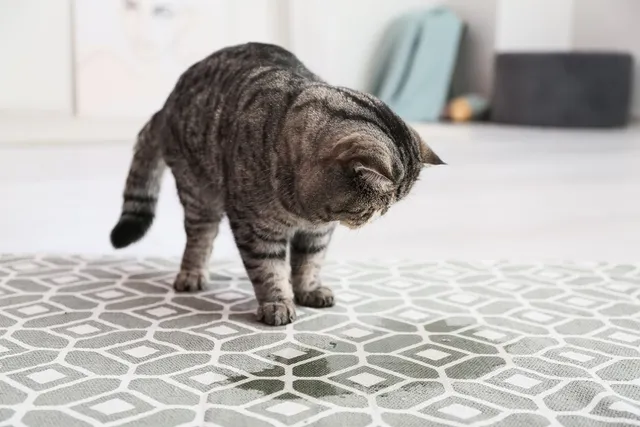
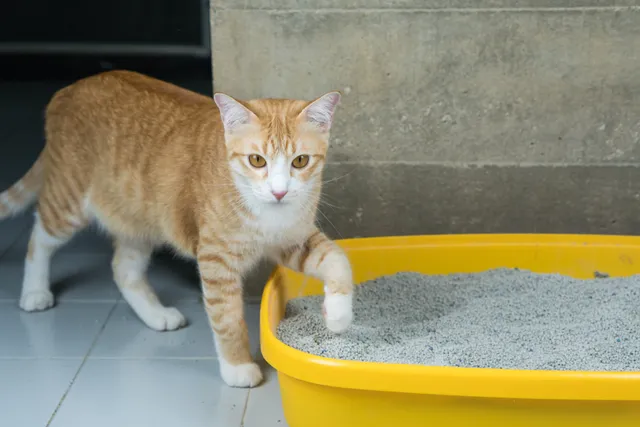
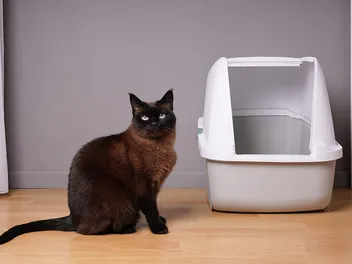
If your feline is missing the litter box, it can quickly become very annoying. You’ll have to clean around the litter box as well as clean out the litter box. It may even seem like your cat is missing the litter box on purpose!
There are tons of reasons your cat may be missing the litter box. Sometimes, you may be able to look at a list of reasons and figure it out. Other times, it may be much harder! It usually requires some trial and error to figure it out or it may require getting a veterinarian involved.

The 11 Reasons Why Your Cat is Missing the Litter Box
1. Litter Box Cleanliness
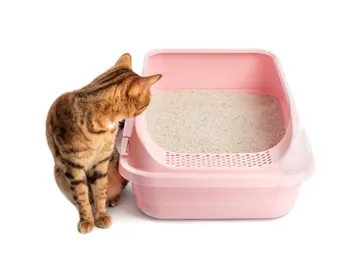
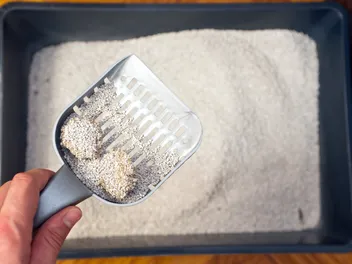
Cats are fastidious about their cleanliness. They may avoid a dirty litter box and go elsewhere, even if it is right outside the litter box. Even if the litter box has been scooped, it may still have a bad odor that your cat may not like. Be sure to scoop the box at least once a day, preferably more if you can, and completely dump and wash the box at least once a week.
Combating tough cat litter smells is an ongoing battle for pet parents but luckily, there are products out there designed to help! Two products that significantly reduce odors are the Hepper Litter Additive and the Hepper Enzyme Spray.
| Image | Product | Details | |
|---|---|---|---|

|
Hepper Advanced Bio-Enzyme Pet Stain & Odor Eliminator Spray |
|
Check Price |

|
Advanced Bio-Enzyme Cat Litter Deodorizer |
|
Check Price |
At Catster, we’ve admired Hepper for many years and decided to take a controlling ownership interest so that we could benefit from the outstanding designs of this cool cat company!
2. Litter Box Placement
Cats may avoid using the litter box if they don’t like the placement. Most cats will appreciate doing their business in peace and quiet. They may not want to use the litter box if it’s right in the middle of your home’s high traffic area. Instead, placing it in a quiet, out of the way spot may be more preferable.
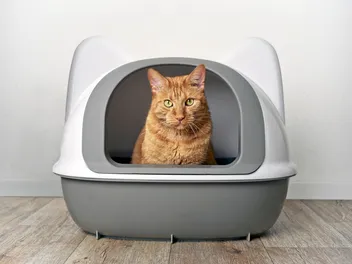
Some cats don’t like feeling trapped, so they may avoid using litter boxes with covers or high sides. They want to be able to see what’s going on around them, especially if you have other pets that may use this time to ambush them.
Cats often don’t like to eliminate near their food and water, either. Preferably, you should have the litter box and their food in completely different rooms. At the very least, put them on opposite sides of the room.
3. Litter Type and Texture
Some cats have preferences for specific litter types. They prefer a particular size, texture or even scent. Changing the litter suddenly may cause your cat to not use the litter box because they don’t like the new substrate.
Cats with very sensitive paws may be particularly sensitive to cat litter. They may not like litter with abrasive textures, for instance. However, any cat may decide that they don’t like a particular kind of litter for any reason.
4. Medical Issues
There are some medical reasons behind a cat not using their litter box. For some, it may be that pain and stiffness from arthritis or an injury prevents them from being able to climb into the box. For others, it could be that a urinary tract infection or case of diarrhea has made their need to go very urgent and they don’t have time to get to the box. Some cats may associate past negative experiences, such as a painful bowel movement or pain from a urinary stone, with using their litter box and choose to go elsewhere so that they won’t experience those feelings again.
Some older cats may also develop cognitive dysfunction as they age that can change their bathroom habits. They may either forget where the litter box is or be confused about how to use it.
See a vet if your cat’s litter box use suddenly changes or if you notice any other signs such as not eating, urinary frequently in small amounts, or crying when they try to go to the bathroom.

5. Stress and Anxiety
Cats don’t like change and can be very sensitive to anxiety. When anxious, they may not use the litter box as they once did, especially if they spend much of the time hiding. Any changes in the number of pets in the household, family members, or schedule can lead to litter box problems.
Your cat may also experience sudden anxiety due to a loud noise or similar cause. This may lead to the cat hiding and not using the litter box for a few hours, depending on how scared they become.
Often, sticking to a regular schedule and offering your cat a safe place can help decrease their stress and anxiety. However, cats that are particularly anxious or stressed about every little change may need to be evaluated by a vet. Your feline may need medication or behavioral training.
If you are curious or concerned about your cat's behavior or are looking for training tips, a vet can help.
6. Inadequate Number of Boxes
Occasionally, you may need to increase the number of boxes in your home. If you have multiple cats or a particularly big house, then you may need to increase the number of boxes so that your cat is always within close range to one and so multiple cats don’t have to share. A great rule of thumb is one litter box per cat, plus one extra. So, if you have two cats, three litter boxes are ideal.
7. Litter Box Size and Style
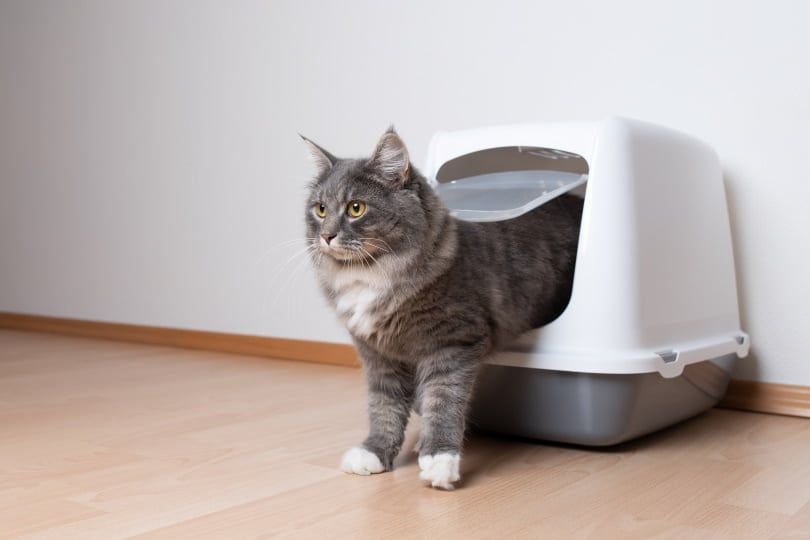
If the litter box is too small, your feline may have a hard time fitting in to use it correctly. Bigger cats need bigger litter boxes. Hooded litter boxes can be helpful in some cases. However, they may also be confining for some cats. Some felines simply do not like hooded litter boxes, so you’ll need to use one with an open top.
Cats may also decide that they don’t like any oddly shaped litter box. For instance, they may dislike litter boxes that are designed to fit into the corner of rooms. Some cats may have a hard time fitting into these square boxes. We highly recommend that you consider whether or not you’ve changed litter boxes lately and consider switching back if you have.

8. Territorial Marking
Cats may use urine to mark their territory, which typically is not inside the box. If their territory feels threatened, they’re even more likely to do this. Bringing new cats into the home or other stressors can cause this issue.
Sadly, stopping territorial marking is very difficult. You can try to adjust the cause of the stress, but this isn’t always possible. You may need to retrain your cat to use the litter box or consider neutering your feline, if intact, to reduce the hormonal causes of territorial markings.
9. Litter Box Aversion
Sometimes, cats suddenly develop an aversion to the litter box. Often, this is caused by something scary that happened to your feline while they were using the litter box. For instance, if your cat is startled or experiences pain while they are using the litter box, then they may avoid going back in it.
Sometimes, these aversions go away on their own. Other times, making changes to the litter box and re-training your cat may be necessary.
10. Inadequate Training
Your cat needs some training and guidance to use the litter box properly. While cats often do like to use the litter box and do it without much prompting, some do require more training than others. You should show your cat where it is and then treat and praise your cat whenever they use the litter box. Similarly, you may need to add more litter boxes or use one with very low sides if your cat is used to just going on the ground.
Kittens are easier to train than older cats. However, any cat can figure out how to use the litter box, even if they are older. While kittens are often trained when they are younger, stray cats or those that spent much of their life outside may not be.

11. Kittens
Very little kittens may make many mistakes before they figure out the litter box completely. In some cases, kittens just don’t make it to the box on time. You’ll just have to wait while they develop and figure out exactly how to use the box. It’s a process, even though kittens are pretty good at self-directing their training.
While a kitten having accidents can be annoying, it’s important to be patient and encourage them in their training.

Why Does My Cat Pee on the Floor but Use the Litter Box?
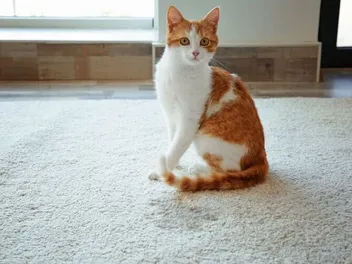
If your cat is peeing on the floor but still uses the litter box at other times, it can be frustrating and puzzling. That said, this behavior can be caused by many different underlying issues. The solution will depend largely on the reason for this strange behavior.
- Medical Issues: It’s critical to rule out underlying medical problems, first and foremost. If your cat has a UTI or other problem, their symptoms may feel worse at certain times. Therefore, they may only miss the litter box in specific situations.
- Cleanliness: Your feline may only like to use the litter box when it is very clean. As soon as it gets dirty, they may avoid using it—even if it looks pretty clean to you. They may want fresher litter, for instance. Be sure to clean your cat’s litter box properly to avoid this problem.
- Location: If your cat avoids the litter box at certain times of the day, it may be due to the location. If your home is busy at certain times of the day around the litter box, they may avoid the litter box at these points.
- Territorial Marking: If there are new pets in the house or outdoor cats around, your cat might be marking its territory by urinating on the floor. This behavior is more common in intact male cats, but spayed/neutered cats can also exhibit it. Your cat may only pee on the floor when being territorial. At other times, they may use the litter box like normal.
- Age-Related Issues: Cognitive decline and joint-related issues can cause your feline to avoid the litter box at certain times. For instance, they may not want to use it when their joints hurt or forget to use it at other times.
You should look truthfully at your litter box’s cleanliness and location. Start by ruling out health issues and age-related problems by seeing a vet. Then, try to rule out some of the other issues we mentioned. Hopefully, you’ll narrow down the potential cause to one or two in this manner.

Conclusion
Your cat may miss the litterbox for a variety of different reasons. They may be stressed or anxious about something, not like the location or type of litter box or they may be picky about the litter or cleanliness. Other kitties may have age- or medical-related issues that make them miss the litter box. Start by seeing a veterinarian to rule out some causes and then you may start experimenting with different locations, litters, or boxes until your cat is comfortable using the litter box again.
Related Read: Common Litter Box Issues & How to Fix Them
Featured Image Credit: Nils Jacobi, Shutterstock
Expert cat care, straight to your inbox
News, insights, and useful advice, delivered to you.

No spam — unsubscribe anytime.
By signing up, you agree to our Terms & Conditions and Privacy & Cookies Policy.
How useful was this post?
Click a star to rate. You can leave written feedback afterwards. (We read all feedback.)
Kristin is passionate about helping pet parents create a fulfilling life with their pets by informing them on the latest scientific research and helping them choose the best products for their pets. She currently resides in Tennessee with four dogs, three cats, two fish, and a lizard, though she has dreams of owning chickens one-day!