How to Tell If a Cat Has UTI (Urinary Tract Infection)? Vet-Reviewed Signs


Urinary tract infections (UTIs) are common in cats. They mainly occur when bacteria enter the urinary tract and go up to the bladder1. Once the bacteria reproduce and multiply, your cat can get a UTI.
UTIs can disrupt a cat’s daily life and be extremely painful and uncomfortable. They require veterinary care to resolve, so it’s important to identify the potential signs of UTIs so your cat can get treated right away.

The 5 Signs for How to Tell If a Cat Has an Urinary Tract Infection
1. Irregular Urinating
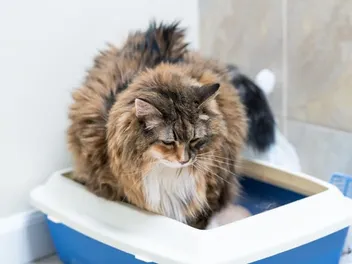
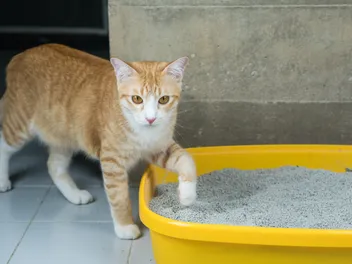
UTIs disrupt urination in several ways. A cat may start to show signs of pain and difficulty urinating. Some cats may yowl in pain whenever they urinate. They can start to urinate more frequently in small amounts, but some cats can also become unable to urinate at all. Please note that if your cat cannot urinate despite attempting to do so, you should treat it as a medical emergency and immediately take them to a veterinarian.
So, it’s important just to be mindful of your cat’s litter box habits, as this can help you detect any potential health issues your cat may develop.

2. Changes in Urine
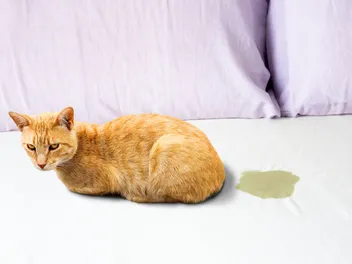
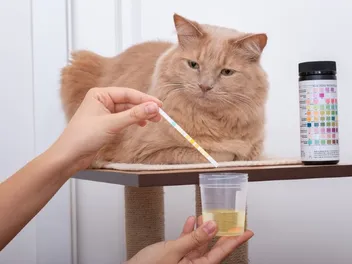
Along with changes in the frequency of your cat relieving themselves, you may see changes in the urine itself. Normal cat urine looks clear and pale yellow, and it smells like ammonia. Cats with a UTI can have urine that looks cloudy or darker. Some may also have blood in their urine. The smell will also be stronger than usual, and your cat litter may not be able to mask or deodorize it.
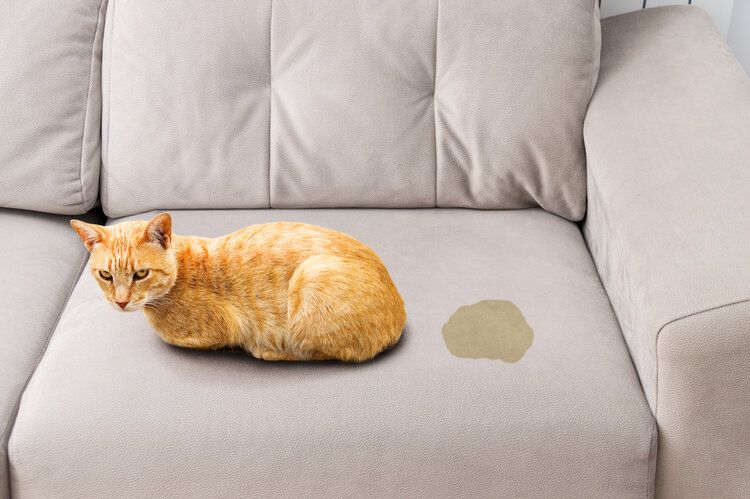
3. Urinating Outside of the Litter Box
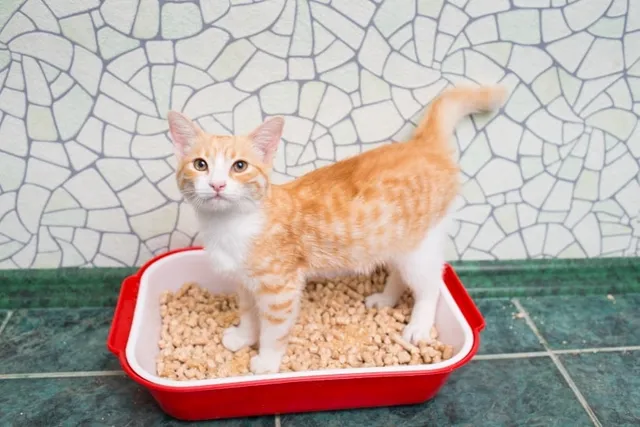
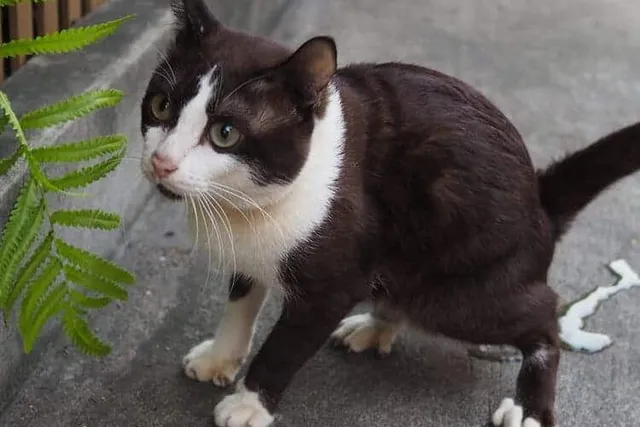
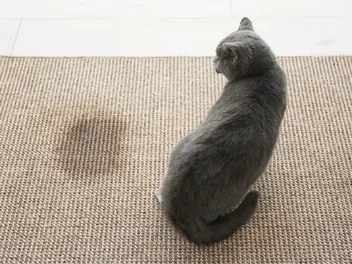
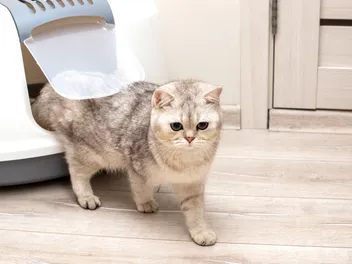
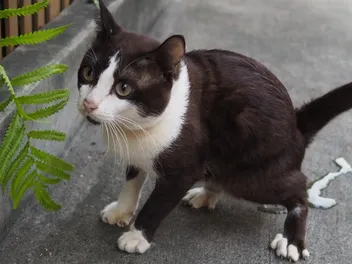
Cats may not be able to hold their bladder and end up urinating outside of the litter box. If your cat usually has tidy litter box habits and starts missing it, it’s a strong indicator that something is off.
You can try placing the litter box in areas that are more accessible. If your cat continues to urinate outside the litter box, it’s best to take them to your veterinarian to see if there are any medical causes for this change in behavior.
4. Drinking More Water
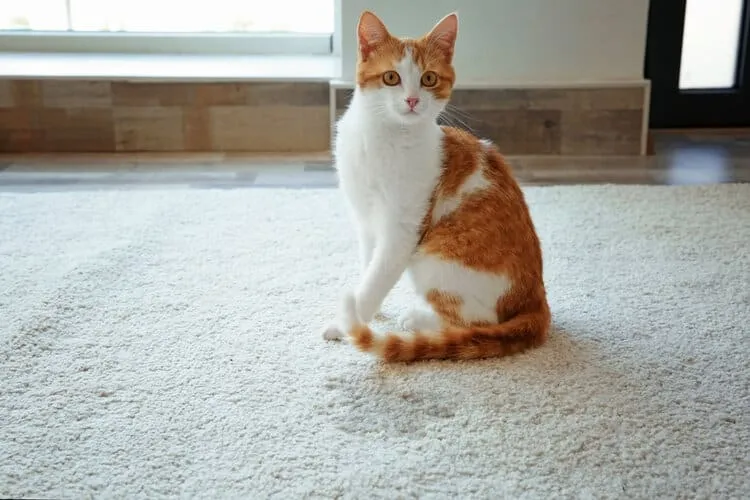
Cats may start to drink more water when they contract a UTI. Their bodies may feel the need to flush out their system, so they’ll drink more water to urinate. While drinking more water may encourage urinating, it’s still important to take your cat to the veterinarian for it to receive treatment. UTIs don’t resolve themselves, and veterinarians need to examine cats to make a proper diagnosis and administer the right treatment.
5. Excessive Licking of Genital Area
Cats naturally groom themselves by licking. However, grooming can get excessive, and compulsive grooming usually indicates an underlying issue. If you notice that your cat keeps licking near their genital area, they may have a UTI. The genital area may also be red, inflamed, or swollen and cause further irritation and pain for your cat.


Treatments for UTIs
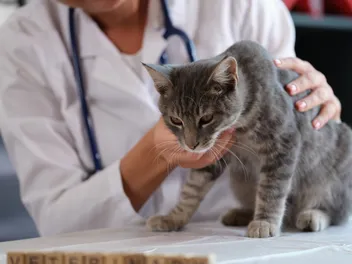
Veterinarians will typically conduct a full physical exam and complete urinalysis to determine if your cat has a UTI. Veterinarians can figure out what’s ailing your cat with an analysis of your cat’s management history, the physical exam they perform, and other diagnostic tests they recommend for your cat (such as blood tests and urine analysis).
Cats will often need to take antibiotics to fight urinary tract infections caused by bacteria. Some may also require fluid therapy. Sometimes, UTIs are accompanied by other urinary tract issues, such as bladder stones or an inflamed urinary bladder (known as cystitis). These conditions have their own management and treatment (including surgery). The inability to pass urine is treated as a medical emergency and will almost always necessitate having your cat hospitalized for stabilization, bladder evacuation, and recovery.

How to Prevent UTIs
Cats tend to be prone to UTIs because they don’t often drink a lot of water, so you can try to increase their water intake. It can be as simple as placing their water bowl in a quieter area or a more accessible space. Some cats may drink more water if you place multiple bowls around the house. A cat water fountain can help encourage cats to drink as they listen to the sound of flowing water. The sight of flowing water might also entice your cat to drink more water.
Keeping your cat’s litter box stations clean and sanitized is important. Make sure to change out cat litter and clean out the entire litter box regularly. If you have multiple cats, it can be helpful to add an extra litter box or two to keep them cleaner for longer.
Lastly, some cats may need a change in diet. It may be helpful to introduce your cat to wet food or broth to help them stay hydrated. Some prescription foods are specifically formulated to help cats that have recurring cases of UTIs. These types of food do require a veterinary prescription, so make sure to talk with your veterinarian to determine if this is the best course of action for your cat.
Conclusion
Cats are prone to UTIs, so it’s important to be aware of the signs. Any changes in your cat’s litter box habits and urine can indicate a UTI. It’s best to act fast because these infections can be very painful for cats, and there are some cases in which cats can have obstructions preventing them from being able to urinate. So, make sure to contact your veterinarian right away to get the proper treatment for your cat as soon as possible.
Related Reads:
Why Is My Cat Peeing Blood? Our Vet Explains Causes, Treatments & FAQ
Why Hasn’t My Cat’s UTI Cleared Up? 6 Possible Causes (Vet Answer)
Featured Image Credit: cunaplus, Shutterstock
Expert cat care, straight to your inbox
News, insights, and useful advice, delivered to you.

No spam — unsubscribe anytime.
By signing up, you agree to our Terms & Conditions and Privacy & Cookies Policy.
How useful was this post?
Click a star to rate. You can leave written feedback afterwards. (We read all feedback.)
Jessica is a freelance writer who spends most of her day researching and writing while her fluffy Cavapoo, Nora, naps beside her. She loves and appreciates pets and animals because there’s so much to learn from them, and they do so much for people. As a dog owner, she understands the special connection that pet owners form with their pets. She loves sharing helpful information that people can use to better understand their pets. When she’s not writing, you can find her walking dogs, tending to her plant babies, or drinking her nth cup of coffee.