Is Catnip Safe for Cats? Vet-Reviewed Facts & FAQ


In this article
If you use catnip to manage your cat’s anxiety, you’d know how beneficial this plant is. It is a popular herb that helps manage many behavioral changes in animals and humans. Catnip is safe for cats when administered in measured quantities. The plant does wonders in calming your feline and stabilizing their mood. That’s super helpful if your cat suffers from anxiety.
While catnip’s strong minty scent comes off as too strong for humans, felines actually love it. Many pet owners say their cats go crazy after smelling catnip. In fact, some felines start acting “high” or “drugged” after using this plant.
Let’s discover more about catnip to see if it’s safe for cats. We will also discuss the suitable administration method and dosage for felines to keep your furry friend in optimum health.

What Is Catnip?
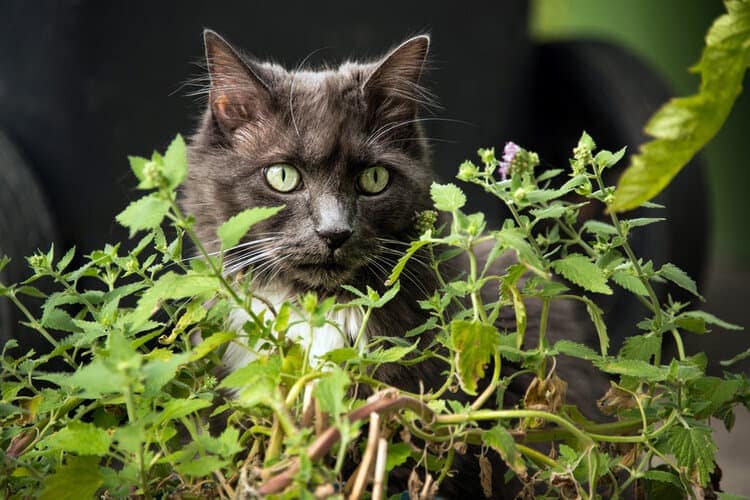
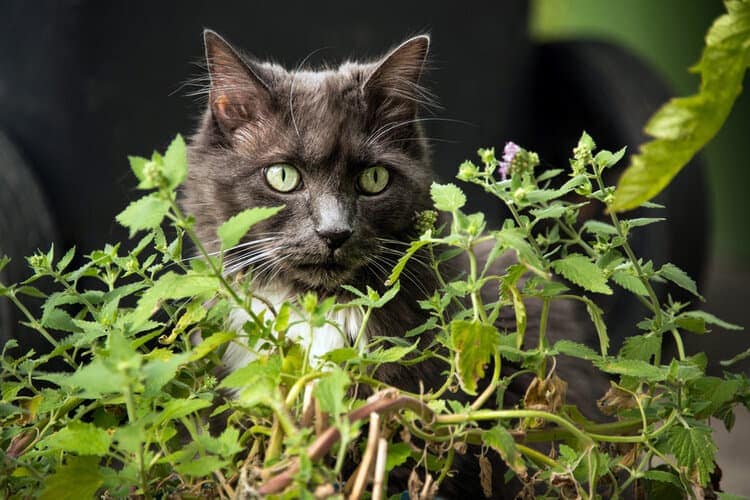
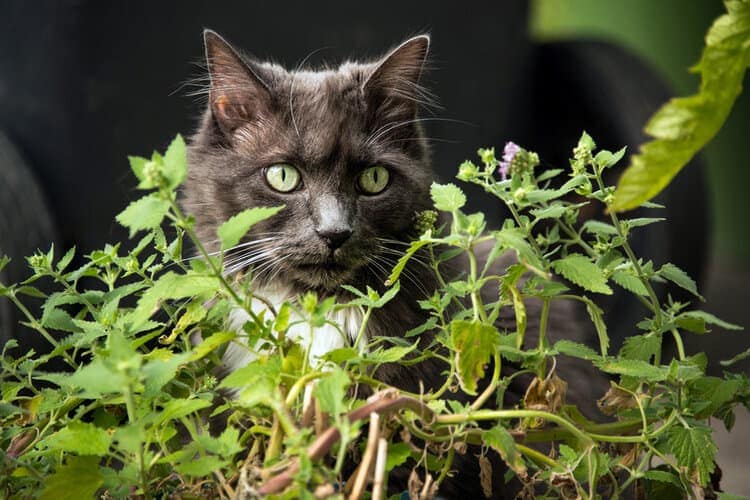
To know whether catnip is safe for cats, we should first learn about this plant and its history. Catnip, popular as Nepeta cataria, is a part of the mint family 1. It’s abundant in North America, characterized by lavender flowers and green, feather-like foliage.
For centuries, catnip has been famous for its euphoric effects. It is due to nepetalactone, an oil that treats many ailments, such as cough and cold. However, no scientific study has proven it true until recently.
Today, catnip is also found in many natural bug sprays. You can also grow the plant at home if you have sufficient space. When planting catnip indoors, keep it away from your cat’s reach or else they will smell the plant, go crazy, and nibble its leaves all at once!
Do Cats Love Catnip?
Cats naturally have strong instincts to detect nepetalactone of the catnip. Experts believe that nepetalactone acts like a cat pheromone connected with their mating requirements 2.
Cats love catnips! In fact, the plant’s nicknames—catmint and catwort—are also inspired by the likeliness of felines towards it 3.
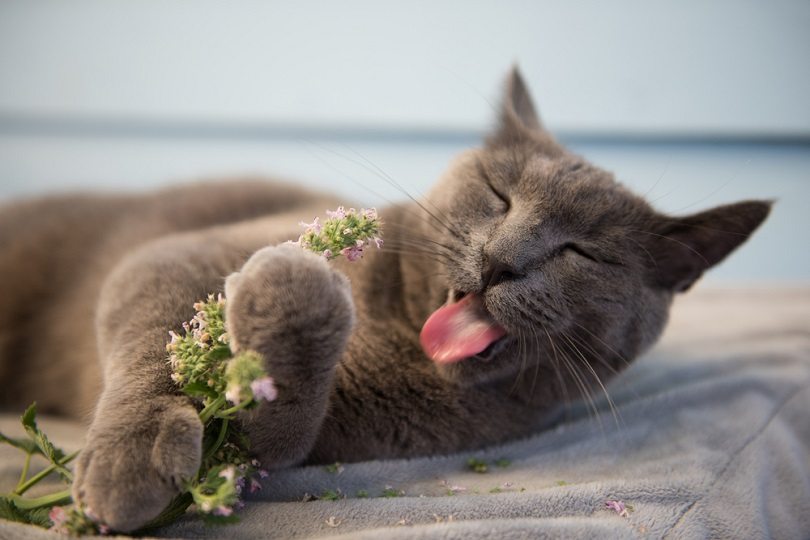
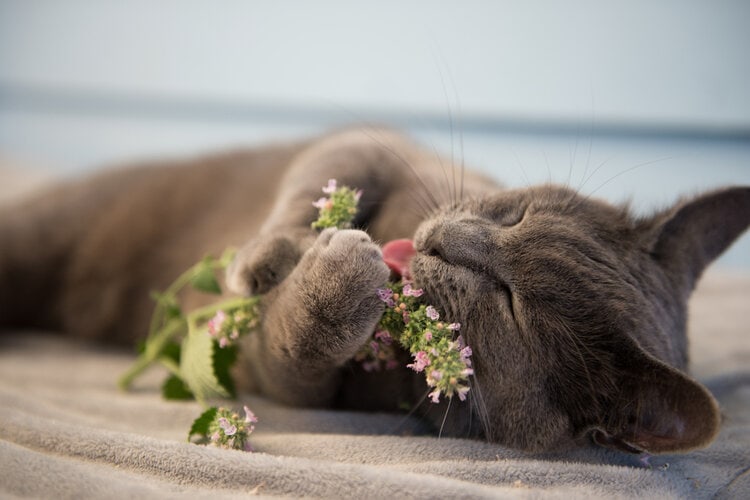
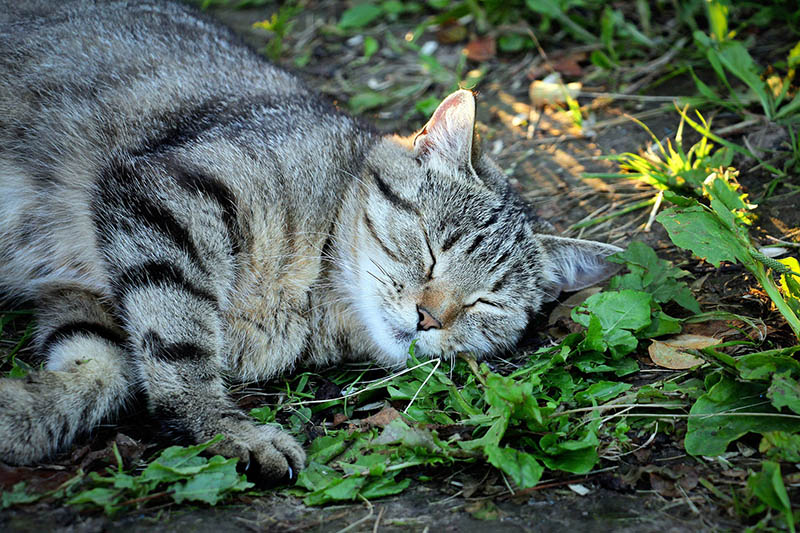
The effects of this natural mood enhancer vary from cat to cat. For instance, many felines act “kittenish,” showing more affection to their human parents. They may also roll or rub their face unusually.
Some cats begin jumping and running here and there cluelessly. Others tend to sit in peace and stare at walls. Not only that, but a few felines start meowing or growling excessively. In short, catnip can actually make your cat go crazy—in a good way!
How Does Catnip Affect Cats?
Cats are known as some of the best smellers. These pets have an additional scent organ (the vomeronasal gland) on the roof of their mouth. It sends their collected scents from the nose and mouth to the brain.
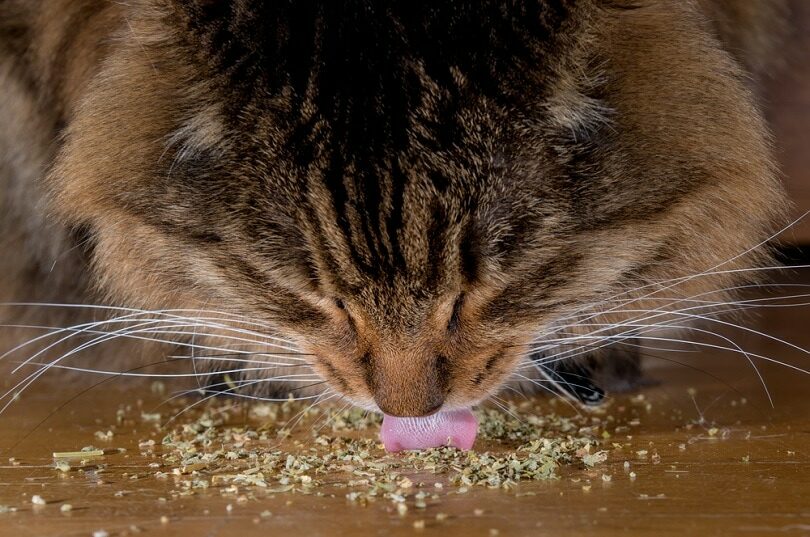
When interacting with catnip, cats gather the smell of nepetalactone in their mouth, nose, and brain. This oil tends to alter behavioral changes in humans and cats. So, whenever catnip is nearby, your feline will smell it immediately and probably start acting differently.

Catnip can trigger the cats’ sex hormones. So, your pet (male and female) may display behaviors for mating, such as unexpected happiness, relaxation, affection, and playfulness. Catnip can also make some cats aggressive. However, primarily, it induces positive effects in cats suffering from anxiety and depression. The plant can even relieve pain. You can also administer catnip to your cat to help them manage their separation anxiety. That’s applicable if you leave them alone at home for prolonged periods.
Remember, catnip doesn’t affect all cats. This means your feline may not react to the same catnip plant that helped your friend’s cat. According to vets, around 60% of cats 4 show a reaction to catnip, primarily due to their genetic composition.
You can also administer catnip to your kittens. The plant is entirely harmless to them, but most don’t react to its scent. Cats aged 6 months or 1 year are more likely to feel the effects of catnip than newborns.
How Long Do the Effects of Catnip Last?
The duration of catnip’s effects varies from one cat to another. The catnip-induced behavioral changes typically continue for 15 to 20 minutes after the use. After that, the results start wearing off over time.
If you want to administer the plant again to your cat, you’d have to wait 30 minutes. Doing it immediately after the first dose may not have the same effects.
Catnip can lose its strength when exposed to air for a long time. So, if you have bought the plant in bulk for your feline, store it in an airtight container to preserve its freshness.

Is Catnip Safe for Cats?
Now, let’s answer the very question you are here for: Is catnip safe for cats? The good news is that it is! The plant is non-toxic to cats, so they can ingest it without showing any adverse reactions.
Catnip has medicinal value for humans and pets alike. It’s believed to be helpful for the feline’s digestive tract due to its antidiarrheal effects. The plant’s euphoric effects are also harmless and only last for short terms.
Your feline may act like they are “high” after using catnip. There is nothing to worry about in this case. While it’s unknown how cats feel under catnip’s effects, the plant is non-addictive. Yet, you must give it to your pet in measured quantities to avoid any potential side effects. Overdosing catnip can lead to an upset stomach, dizziness, and vomiting. It can also affect their normal walking. Of course, you don’t want these things to happen to your little fur baby.
To safely administer catnip to your cat, always start with the lowest dose possible. Once your feline builds a slight resistance against it, you can increase it gradually. Fresh catnip is stronger than dried ones, so don’t use it initially.
It’s better to discuss with a professional before going this way. Consult a vet for an expert’s guidance and stick by their recommended dosage. Also, avoid highly concentrated catnip products for your feline’s optimal health.
Can Catnip Make Cats Aggressive?
Catnip can make some cats show aggression right after use. This is primarily seen in male felines because the plant triggers their mating behavior. If your cat becomes aggressive just as they smell catnip, you shouldn’t administer it to them.
In this case, you can try different alternatives to catnip, such as valerian or honeysuckle. You can also contact a vet and let them evaluate your pet’s condition. After a thorough assessment, they will recommend many alternatives to this mint plant.
Catnip Products Available for Your Cat
If the vet gives green signals to use catnip for your cat, the next thing you need to do is find the right product.
Catnip is available in various forms, such as:
As you know, fresh catnip is more potent than dried ones. So, if you’re feeding catnip to your pet for the first time, you should refrain from the fresh ones.
However, if catnip causes an upset stomach in your feline, you can try catnip sprays, as they’re not strong. Simply take your pet’s favorite toy and cover it with the spray. Your cat will go under the plant’s effects as soon as they interact with the toy.
You can also try toys stuffed with catnip leaves. The plant’s strong smell would be enough to make your cat behave well.

Tips to Administer Catnip to Your Cat Safely
Catnip is harmless to cats, but it is not ideal to use in some situations. If you’re a beginner, you’ll likely misuse catnip products and toys, putting your feline in danger.
Here are some tips to help you administer the plant to your cat safely:
Conclusion
Cats love catnip. When this plant is nearby, the felines detect its scent and instantly get over-excited for consumption. Catnip helps improve the mood and behavior of humans and animals, making it ideal for cats dealing with anxiety.
Fortunately, the plant is non-toxic, non-addictive, and safe for cats. Your pet may act like they are high, but that’s not actually the case. However, you should always administer the herb in limited quantities to your feline.
Overdosing catnip can lead to vomiting, diarrhea, and dizziness. Consult a vet to find the correct catnip dosage for your furry friend for safe administration.
Featured Image Credit: Ilia Baksheev, Shutterstock

Expert cat care, straight to your inbox
Vet-reviewed advice, behavior tips, and the best of Catster. Free, and you can unsubscribe anytime.
By signing up, you agree to our Terms & Conditions and Privacy & Cookies Policy.
Jeff is a pet parent who loves writing. He is a data privacy tech professional with 20 years of experience leading teams at various Fortune 100 startups. Jeff's hobby is photography.
Join the conversation
Ask a question, share your story, or send private feedback.