Can Catnip Give Cats Diarrhea? Feline Health Facts & FAQs



In this article
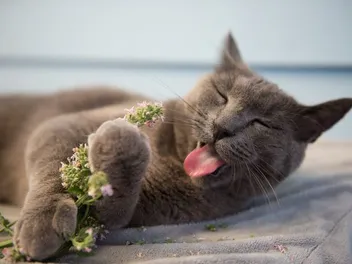
Nepeta cataria, otherwise known as catnip, is a perennial feline favorite. While not all kitties enjoy a sniff of the good stuff, most absolutely do. This fan-favorite intoxicant has a few different effects. It mellows some cats out and stimulates others to get downright wild.
Interestingly, when consumed in excess, catnip can be problematic for cats, and if consumed in sufficient quantities, this common plant can cause diarrhea and vomiting in some cats. Read on for more information about catnip and how it can affect kitties.

What Is Catnip?
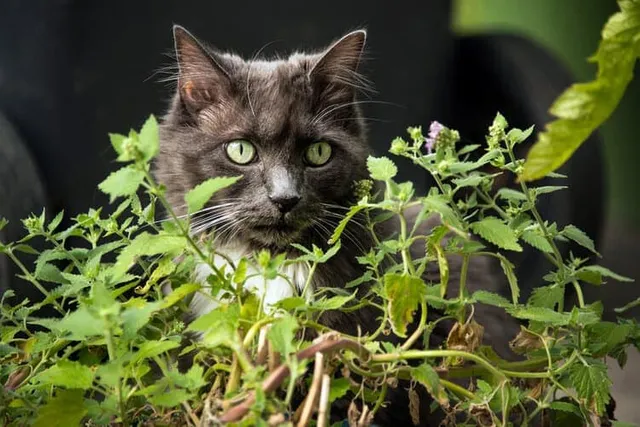
Catnip is technically an herb that’s part of the mint family. The plant grows easily throughout the cooler climes of North America, although it's native to Europe and Asia. It requires well-drained soil, lots of sunshine, and moderate amounts of moisture to thrive. It is a drought-tolerant plant.
While catnip is now most often thought of as a feline stimulant, the plant has been used for centuries to manage human ailments such as coughs, asthma, and nervousness. It contains antioxidants such as rosmarinic, coumaric, and caffeic acids, which are thought to protect against environmental toxins.
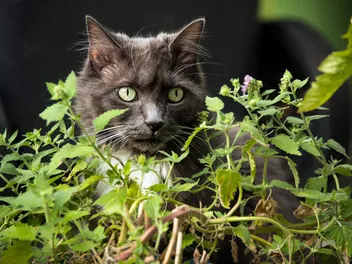
Catnip is a herbaceous perennial, meaning the plants don't have woody stems, die off, and bloom every year without replanting. Many states, such as West Virginia, consider the plant's non-native invasive species. The plants can grow to an astonishing height of 3 feet and feature square stems deep green leaves, and vibrant purple flowers.
Catnip contains nepetalactone, the substance that attracts cats (and some insects, such as butterflies) to the plant. However, although most of the plant has nepetalactone, the active constituent (which cats react to) is nepetalic acid, a metabolic product of nepetalactone. Cats may respond to the acid in air concentrations of around 1:10.
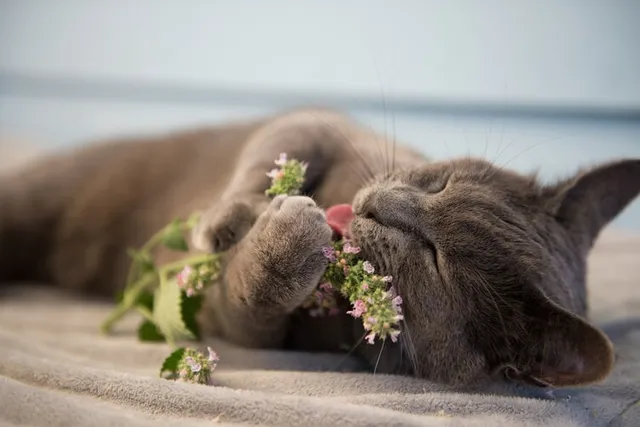
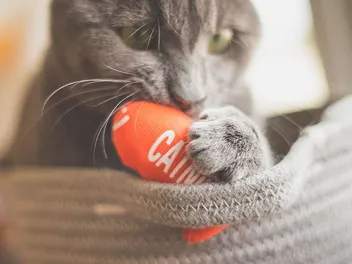
While your cat may enjoy nibbling on fresh catnip or licking dried catnip flakes from nicely filled plush toys, kitties need to smell catnip to get wild. On the other hand, eating the plant most often leads to mellowness.

How Long Does a Catnip High Usually Last?
A good catnip high lasts for about 10 minutes. But some cats will hold catnip-filled plush toys firmly between their paws and inhale the scent when the effects start to subside. It can take up to 2 hours for the plant’s effects to wear off. Left to their own devices, most cats will naturally consume catnip in varying amounts. However, catnip is considered toxic in excess; therefore, you shouldn’t allow your cat to ingest too much.
Fortunately, most cats do not overindulge in catnip. Sniffing too much won't harm your cat; it’ll just reduce the drug's efficacy the next time your cat indulges.
Is Fresh Catnip Better Than Dried?
It depends on your cat. Some cats love fresh catnip, and others prefer the dried version of the herb. Consider giving your cat a bit of each and observing them to see if they have a preference. Fresh catnip is easy to grow, even in container gardens.
Growing your own ensures your companion is getting a product untainted by pesticides and other chemicals. Fresh catnip tends to be stronger than dried products, so you might want to pay a bit more attention to your cat's reactions to fresh catnip to ensure they don't get too much. However, growing your catnip might attract other cats to your garden, which can potentially lead to behavior issues in your cat, as not all cats appreciate other cats near their territory.
Dried catnip is readily available at grocery and pet stores. Drying homegrown fresh catnip is incredibly easy and a great way to ensure your cat never runs out.
Keep in mind that dried catnip loses potency over time, so keep your cat's supply in an airtight container and be prepared to throw out anything moldy or otherwise compromised. Catnip that's been properly stored will usually be fine for around 6 months.
Do All Cats Enjoy Catnip?
No. Approximately 30% of cats do not respond to the active ingredient in catnip. These kitties can sniff catnip all day and still walk straight. Some cats' brains do not have the receptors needed to get high from the plant. Kittens under 3 months of age do not seem to display a behavioral response to catnip.
Cats often readily ingest catnip. In excess, it can cause issues like vomiting and diarrhea. If this applies to your cat, consider not offering your cat catnip, as this means your cat doesn’t react favorably to it.

What Are the Signs of Catnip Poisoning?
Cats that ingest too much catnip can end up with upset stomachs. Many vomit and/or have loose bowels. Others may have trouble walking or appear off balance. While the results of too much catnip can be unpleasant for cats, overindulgence is unlikely to be fatal. Incidences of overindulgence are rare but a possibility.
If your cat gets too much of its favorite herb and is vomiting or experiencing diarrhea, seek veterinary care for your pet, as both of these signs may quickly lead to a dehydrated pet.
Are There Alternatives for Cats Who Don't Enjoy Catnip?
Absolutely! Valerian is a safe and popular alternative that delivers many of the same "benefits" as catnip. Cats exposed to dried valerian often become euphoric and energetic but quickly calm down and settle in for a good nap.
Kitty sachets of this root allow cats to sniff these relaxing substances while preventing your cat from ingesting stems, seeds, and flowers.
Final Thoughts
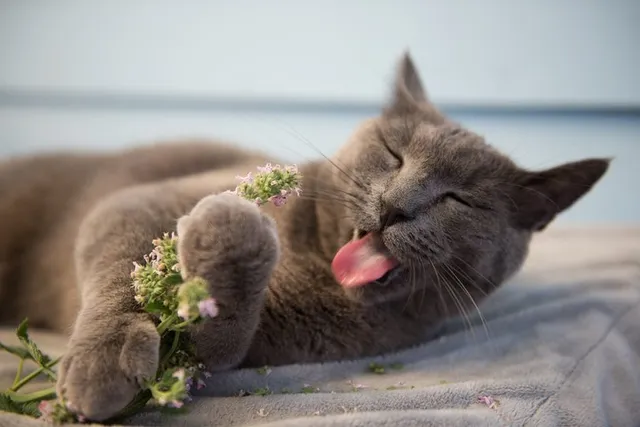
Catnip is a potent herb that about 70% of cats respond to. There is honestly nothing more adorable than a cat enjoying a good catnip high complete with rolling around on the floor, running after imaginary creatures, and zooming around like they've been possessed.
However, catnip is considered toxic in excess. Too much catnip can upset your companion's tummy, but for most cats, consumption rarely becomes problematic. Therefore, ingesting too much catnip can lead to episodes of diarrhea and vomiting, which, though rare, warrant veterinary attention.
Sources
Featured Image Credit: MNStudio, Shutterstock
Expert cat care, straight to your inbox
News, insights, and useful advice, delivered to you.

No spam — unsubscribe anytime.
By signing up, you agree to our Terms & Conditions and Privacy & Cookies Policy.
How useful was this post?
Click a star to rate. You can leave written feedback afterwards. (We read all feedback.)
Lorre Luther is a writer who is firmly convinced that cats are smarter than humans. She left her law career in the United States and moved to the Netherlands to follow her dream of becoming a writer. Lorre currently lives in Rotterdam, she enjoys traveling and greatly appreciates the beauty of nature. Lorre has a spot for animals and admires the intelligence of cats.