Short Spine Syndrome in Cats: Vet-Reviewed Signs, Diagnosis & Treatment

In this article
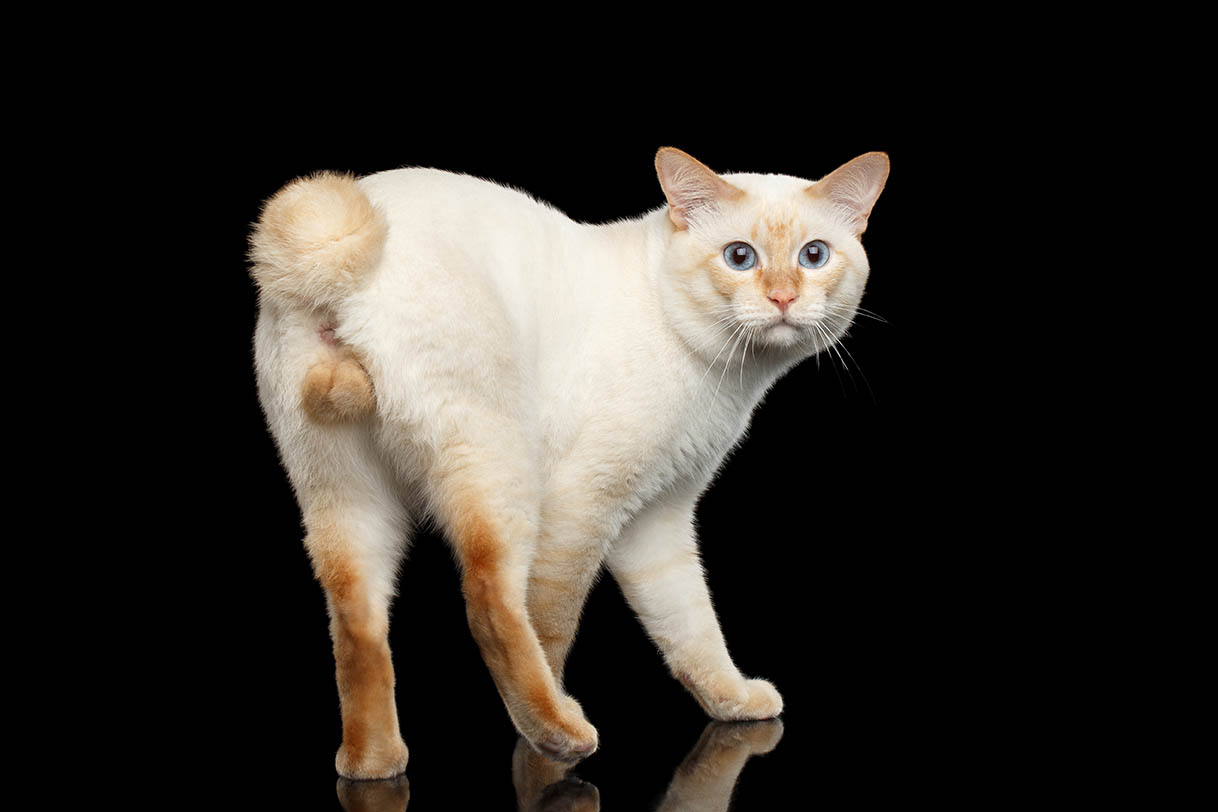
Short spine syndrome (SSS) is a rare, inherited condition that affects stump tail or tailless cats. You may not hear about this disease often, but this rare condition results in cats having an abnormally short spine, leading to a variety of other physical and behavioral issues.
Signs of SSS can include abnormal pelvic gait affecting the back legs, fecal and urinary incontinence, lack of sensation and possible paralysis of the hind legs, lack of perianal sensation, lack of sensation around the urethra, and different degrees of hind leg paralysis.
This disease can cause quite a bit of discomfort and pain and may affect the daily activities of a cat. Some cats are not able to jump, while others struggle even to walk. Let's take a closer look.

What Is Short Spine Syndrome (SSS)?
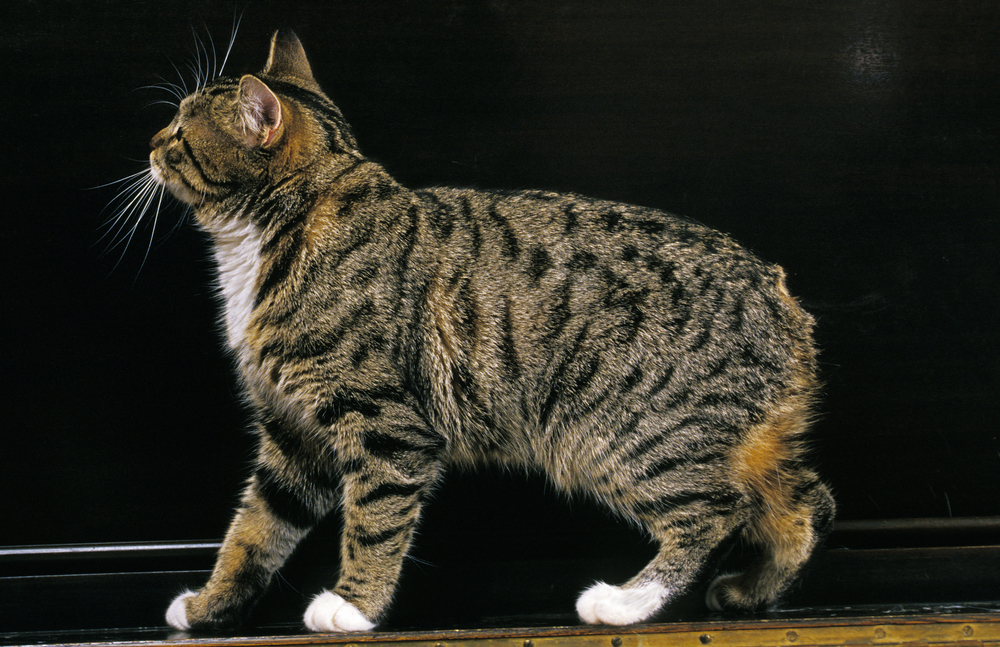
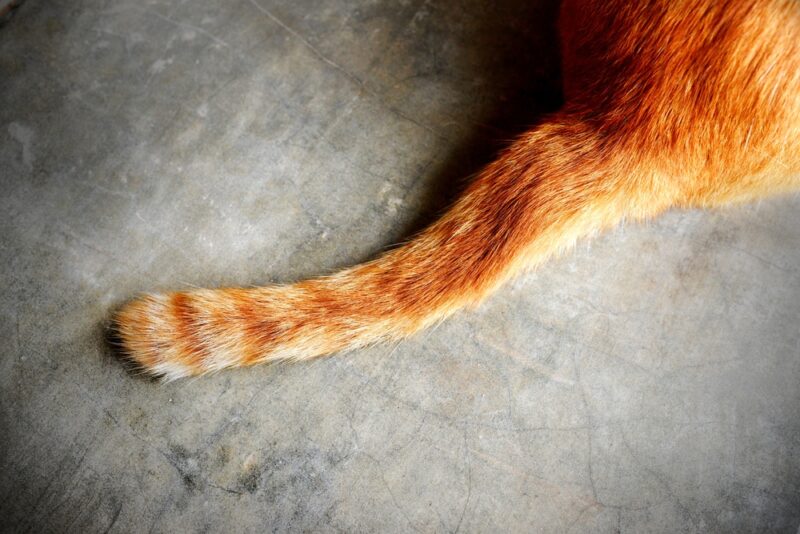
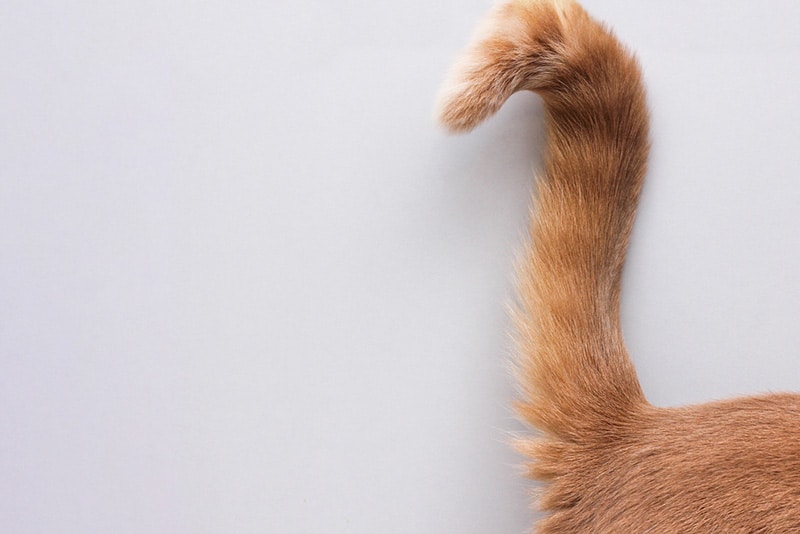
Short spine syndrome (SSS) is caused by the same genetic mutation that affects the development of a Manx cat’s tail, causing it to be abnormally short. The same mutation can cause SSS, as the degree of malformation can vary, depending on the degree of penetration of the genetic mutation. This is the reason why some Manx cats have a stump while others are completely tailless. The shorter the tail, the more likely a cat will develop spina bifida and problems with back legs, paralysis, or incontinence.
The condition impacts the cat’s overall health and well-being, making it a serious and debilitating condition.
Common Signs of SSS

Deformities of the Legs and Tail
The malformation caused by SSS can result in abnormal gait affecting the back legs. This condition can also cause secondary sores and injury to the joints. The pain and discomfort in cats with SSS may require the amputation of the affected leg.
The deformities caused by SSS can also prevent cats from extending their back legs completely. This can result in the hind legs being bent at an abnormal angle, resulting in what is known as a “plantigrade stance.”
Paralysis, Incontinence, and Discomfort
Since the condition affects the spine, urinary and fecal incontinence are common in affected cats. Since cats are unable to control their bladders and gastrointestinal tracts, they commonly appear soiled and develop recurrent urinary infections and other painful conditions such as chronic constipation leading to megacolon or rectal prolapse. The constant soiling of their fur and skin can also lead to regular skin infections and irritations. The hind legs of the cat might also suffer a degree of paralysis.

Diagnosing SSS
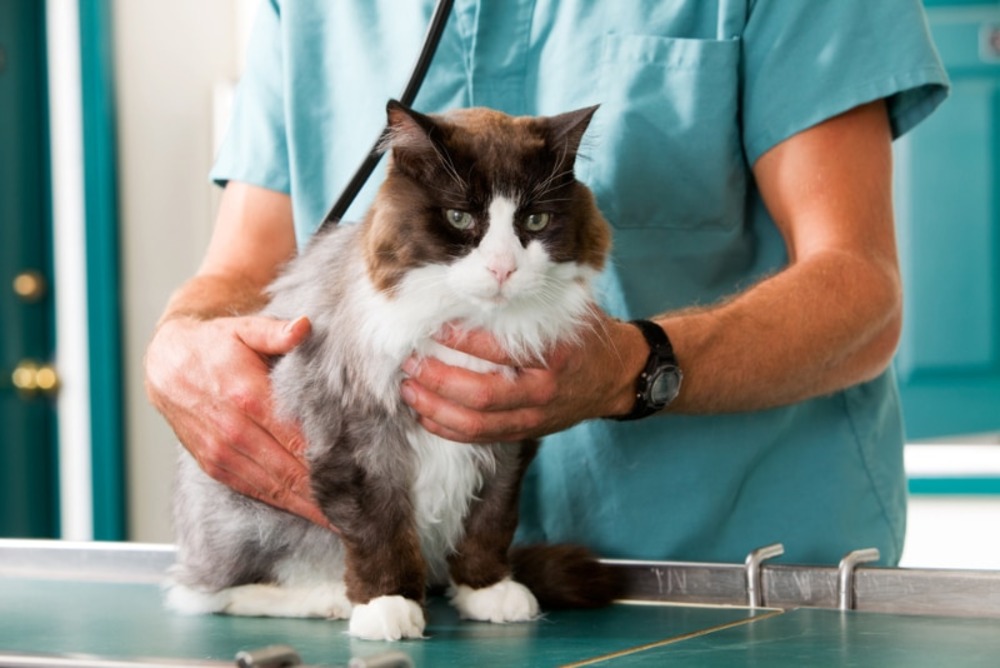
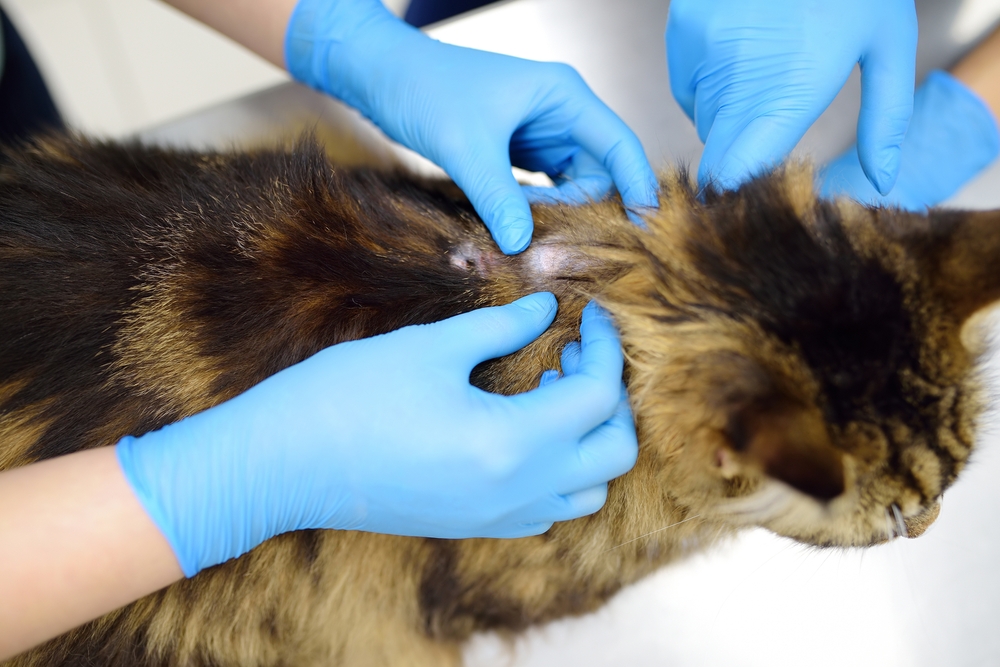
A diagnosis of short spine syndrome in cats is achieved by observation of the signs, review of the complete clinical history, and physical examination. The veterinarian might request some X-rays to properly interpret the cat’s condition and rule out other conditions that may cause similar signs. Secondary conditions such as skin and urinary infections might need different samples to be diagnosed.
Treatments for SSS
There is no treatment for short spine syndrome in cats. The cat’s quality of life will depend upon the severity of the condition. SSS is a condition that impacts the mobility and physical and mental health of cats, so they require specialized care to perform regular physical tasks. Cats with the disease should have access to frequent and thorough veterinary examinations as well as any needed support. Many will need the owner to constantly clean their fur and manually help them to empty their bladder.
Can SSS Be Prevented?
The best way to prevent short spine syndrome in cats is to avoid breeding cats that have the mutation in the "M" gene. If a breeder breeds two cats that have the mutation, then their offspring are at a much higher risk of being born with SSS. Deliberately breeding tailless cats should be avoided to prevent the perpetuation of this condition.
Conclusion
Short spine syndrome is a rare cat disease that can affect your cat's ability to move, jump, and otherwise take part in daily physical activities. It is caused by the same mutated gene that causes cats to be born tailless. This condition significantly compromises the cat's quality of life, has no treatment, and often requires specialized care to ensure that the cat can do basic activities and avoid secondary infections. The possibility of tailless cats inheriting this condition should be enough reason to stop breeding cats that present this trait.
Sources
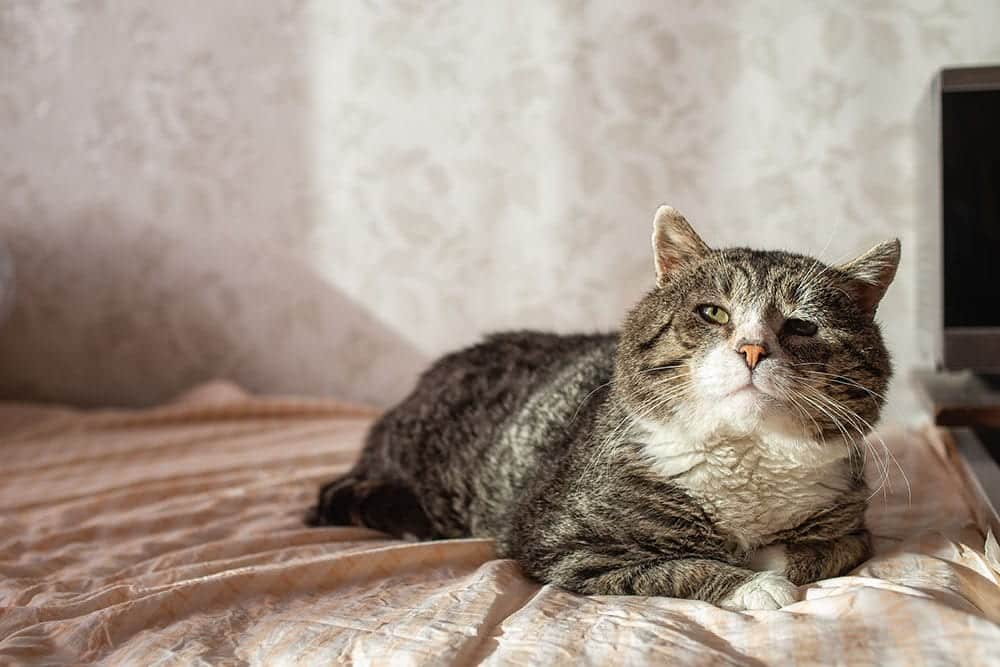
Featured Image Credit: Seregraff, Shutterstock
Expert cat care, straight to your inbox
Vet-reviewed advice, behavior tips, and the best of Catster. Free, and you can unsubscribe anytime.
By signing up, you agree to our Terms & Conditions and Privacy & Cookies Policy.
Christian started writing for a local newspaper as a teenager, and he's been involved in the publishing industry for most of his adult life. Combining his love of writing with a passion for animals, he is currently the Director of Editorial at Pangolia and the Editor-in-Chief at Catster.
Christian lives in the Philippines with his wife, son, and four rescue cats: Trixie, Chloe, Sparky, and Chopper.
Join the conversation
Ask a question, share your story, or send private feedback.