Get

In Your Inbox

Catster is reader-supported. When you buy via links on our site, we may earn an affiliate commission at no cost to you. Learn more.

Is It True That All Cats Have Tails? Vet-Reviewed Facts

Share

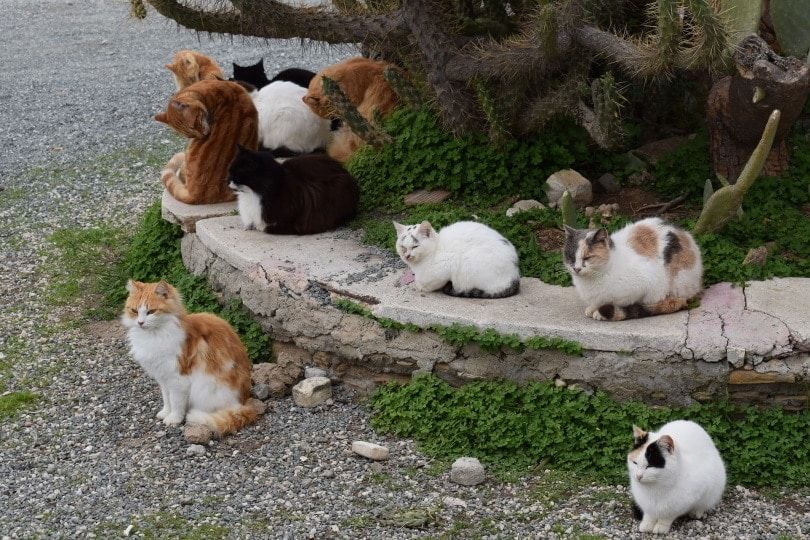
feral cats resting outdoor

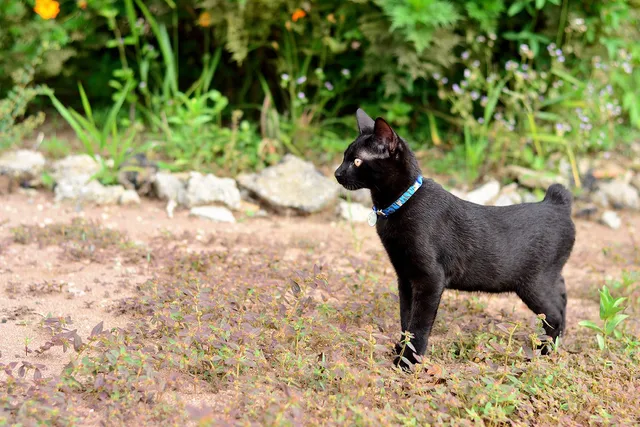
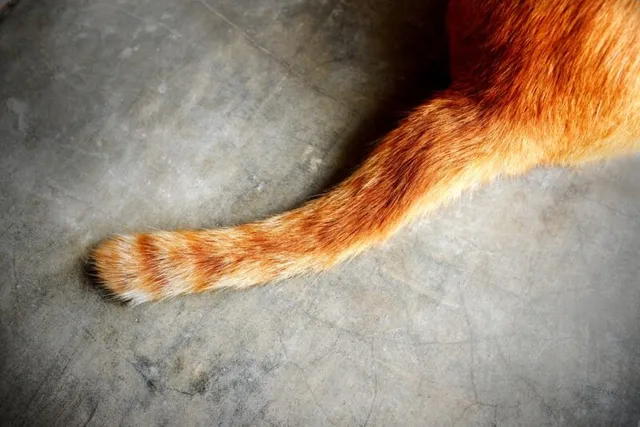
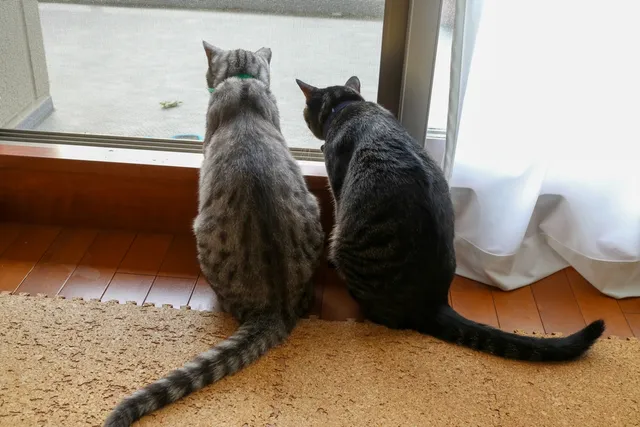
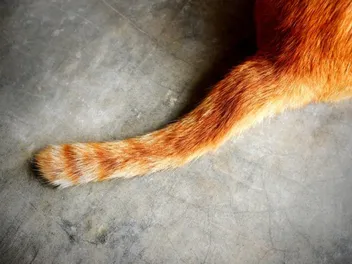
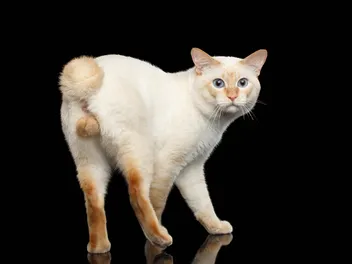
A tail is a vital part of a cat’s physique and helps them balance, capture prey, and communicate with humans and other felines. For these reasons, you might think that all cats have tails, but this isn’t the case. Some breeds, like the Manx and American Bobtail, are born tailless or with a “stump” rather than a long tail.

Also, some cats lose their tails due to amputation, and they learn to adapt to their new lives. Here, we discuss tailless breeds in more detail and explain why some felines are born without tails.

divider cat faces oct 2024

Why Don’t Some Cats Have Tails?

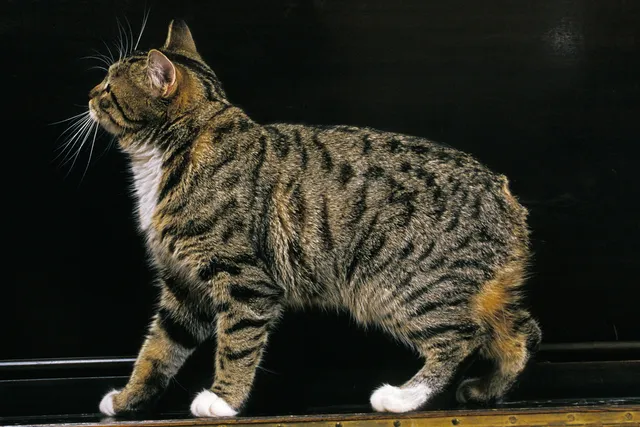
If a cat is born without a tail or with a stump of a tail, it is caused by a genetic anomaly, also known as a mutant gene. This dominant gene results in the tail and the part of the spinal cord in front of it growing abnormally. Manx cats have two genes: a dominant gene (M) and a recessive gene (m). These can create the heterozygous combination Mm, which will manifest as a cat with no tail or a very short one.

Breeding two tailless Manx can be dangerous, as the double M gene can cause the kittens to die before birth. For this reason, Manx breeders mate cats with tails with tailless cats instead of two tailless cats.

If a cat was born with a tail but loses it to amputation, it’s likely that the cat suffered a traumatic tail injury. In some cases, vets decide that it would be better to remove the injured tail to give the cat a better quality of life. Most cats fully recover from the procedure and go on to lead normal, happy lives despite missing a tail.

Black tabby Maine Coon with harness
Image Credit: DenisNata, Shutterstock

Do Tailless Cats Suffer From Health Issues?

In some cases, yes. Tailless cats suffer from health issues as a result of not having a tail, particularly Manx syndrome, which can cause bowel and bladder dysfunction, among other issues.

divider cat faces oct 2024

Which Cat Breeds Are Tailless?

More than you’d imagine! The Manx cat is far from the only breed without a tail, so let’s take a closer look at some of these breeds and what makes them unique and special. This is not an extensive list.

Manx

tricolor manx cat
Image Credit: PradaBrown, Shutterstock

Manx cats originate from the Isle of Man, where they used to be referred to as a “stubbin.” They can be long or short haired, and it is believed that the long-haired gene dates back to Viking times. Long-haired Manx are referred to as “Cymric.”

Personality-wise, Manx cats are pretty relaxed, affectionate, and family oriented, though they can be a little reserved with strangers.


American Bobtail

red american bobtail cat
Photo Credit: Ievgeniia Miroshnichenko, Shutterstock

American Bobtails originated in the U.S. in the 1960s. Famous for their stumpy, bobbed tails, wild-looking appearance, and rumors that they descended from bobcats (these rumors are untrue, by the way), American Bobtails have been a great source of fascination for cat lovers over the years. These beautiful cats are known for being playful, chatty when in a good mood, and devoted to their families.


Pixie-Bob

pixie bob cat on gray background
Photo Credit: COULANGES, Shutterstock

The Pixie-Bob is another bobbed-tail cat breed with the power to turn heads wherever they go. Like the American Bobtail, they have an uncanny resemblance to wild cats with their spotty coats and large, muscular bodies. Pixie-Bobs are active, curious, sociable, and adorably nosy, with a particular penchant for getting involved in their humans’ day-to-day activities, even the most mundane ones.


Highlander Cat

highlander cat standing on a deck railing
Image Credit: Patrick Hatt, Shutterstock

Highlander cats first came about in 1993 and were bred to have a “wild” look and are a cross between the Jungle Curl and Desert Lynx. Highlander cats are sweet-natured, energetic, good with (sensible) children, and family friendly. Like other bob-tailed breeds, they’re stocky and muscular in appearance.

divider cat faces oct 2024

Final Thoughts

In brief, it’s certainly not true that all cats have tails! Some are tailless due to genetics or surgery, and some have “stumps” rather than long tails. Whatever kind of tail they’ve got, one thing’s for sure: Tailless or bob-tailed cats are wonderful characters renowned for having bags of energy and love to give in addition to being ridiculously cute. Any family would be lucky to have one!


Featured Image Credit: Dimitris Vetsikas, Pixabay

Want content like this delivered to you?

Sign Up For Our Newsletter

News, insights, expert advice, and everything cat

* By submitting, you agree to our Terms & Conditions and Privacy & Cookies Policy.


How useful was this post?

Click on a star to rate (you can leave written feedback after clicking submit)

Help us improve Catster for pet parents!

Your feedback really matters.

What did you like about this post? Also how can we improve it?

Join the conversation

Leave a Reply

You’re very welcome to leave a comment or question. Please know that all comments must meet our community guidelines, and your email address will NOT be published. Let’s have a positive and constructive conversation.


Catster's Digital Magazine is Back!

Vet-approved health & behavior advice

Real cat stories & community features

Chatting With Dr. Matt McGlasson About Special Needs Kitties, Social Media Fame, and Rating Cat Toe Beans | Chatty Cattys, Episode 32

In this episode of Catster’s Chatty Cattys podcast, Dr. Karyn and Nicole sit down with a very special guest: veterinarian and social media...

Does Your Cat Need A Friend? How to Tell If Your Cat Is Lonely

Cats have a reputation for being perfectly happy on their own – independent, self-sufficient, and solitary. But, like many stereotypes, this one does...

Proof That Moving Cats Indoors Is Easier Than You Think

We know that indoor cats live longer and have significantly lower rates of illness and injury than those that spend part or all...

Why Cats Love To Get High

If you’re trying to find a cat in any home, the search almost always ends by looking up. They’ll be on top of...

More related

How to Sedate a Cat for Grooming: 3 Vet-Approved Methods

Some cats do not like being groomed, but if they’re long-haired or unable to groom themselves for any reason, grooming is a necessity....

Cat Hiccups: Our Vet Explains Causes & What to Do

Can cats get hiccups? In short, yes! Just like their human counterparts, cats can get bouts of hiccups for a variety of reasons,...

Catster Photo Contest: Cats of the Week Winners (September 11, 2025)

Every week our team gets the privilege of sorting through our readers photos to choose what cats will win this weeks contest! See...

Can Ragdoll Cats Be Calico? Vet-Verified Facts & FAQ

Ragdoll cats are an incredibly diverse bunch with 20 standard coat colors and four possible patterns. One thing that confuses some Ragdoll lovers...

Keep reading

The Simple Reasons Cats Refuse to Let Anyone Use the Bathroom Alone

Cats have an extraordinary talent for making themselves present in the most inconvenient places, and the bathroom ranks near the top of the list. It is one of the most universally shared experiences among cat owners, and yet the reasons...

Cute cat sitting on toilet bowl with rolls of paper

4 Cat Calming Collar Side Effects You Need to Know (Vet Reviewed)

Cats can be anxious or scared animals, especially in stressful situations. There are lots of things that people rely on to help manage their cat’s anxiety, and one of the most popular is a calming collar. These collars are sold...

cat wearing a purple calming collar

Why Don’t My Cats Cuddle With Each Other? 10 Vet-Approved Reasons

There are few things cuter than the sight of two cats snuggling together. When they start grooming each other, your heart just melts. Unfortunately, not all cats will cuddle with each other. It can be disheartening when your cats do...

together two cats with different fur colors

Are Tuxedo Cats Smarter Than Other Cats? Vet-Verified Facts & Info

Tuxedo cats are instantly recognizable by their distinctive black and white markings and have long been the subject of fascination among feline enthusiasts. The term doesn’t refer to a specific breed, but rather describes a color pattern found in a...

tuxedo cat resting on log

25 Vet-Reviewed Essential Items for Your Cat’s First-Aid Kit

Disclaimer: The information about these products has been fact-checked by one of our licensed veterinarians, but the purpose of this post is not to diagnose illness or prescribe treatment. The views and opinions expressed are not necessarily those of the...

Cat with a first-aid kit

Why Do Cats Prefer a Routine? Vet-Reviewed Facts & FAQ

Anyone who owns a cat or has previously owned one knows they are essentially creatures of habit. We may sit back and watch them, thinking their lives are a bit boring, but to them, things are exactly as they should...

Cat looking at owner in the kitchen busy in the refrigerator

Is String of Pearls Toxic to Cats? Vet-Verified Toxicity & Safety

Plants are a popular decoration for adding a little nature to your home. Especially with more people than ever working from home, adding plants to our surroundings has experienced a real boom in popularity. But many plants, like the string...

Catster_Is String of Pearls Toxic to Cats

What Is It With Cats & Printers? Vet-Verified Facts

If you’ve ever lived with a feline companion, there’s a good chance you’ve wondered why cats love printers so much. Cats are notorious for sitting and napping on them, indiscriminately hitting buttons (sending paper flying), sitting in the paper trays...

Love Cats? So Do We! Join the Catster Community

Stay informed with expert pet care insights delivered straight to your inbox! Discover professional guidance on animal behavior, feeding tips, trusted product picks, and much more.


Sign up for the Catster Email Newsletter

Stay informed with expert pet care insights delivered straight to your inbox! Discover professional guidance on animal behavior, feeding tips, trusted product picks, and much more.