Why Do Hairless Cats Exist? Vet Reviewed Breeds, Origin & Care Tips (With Pictures)


In this article
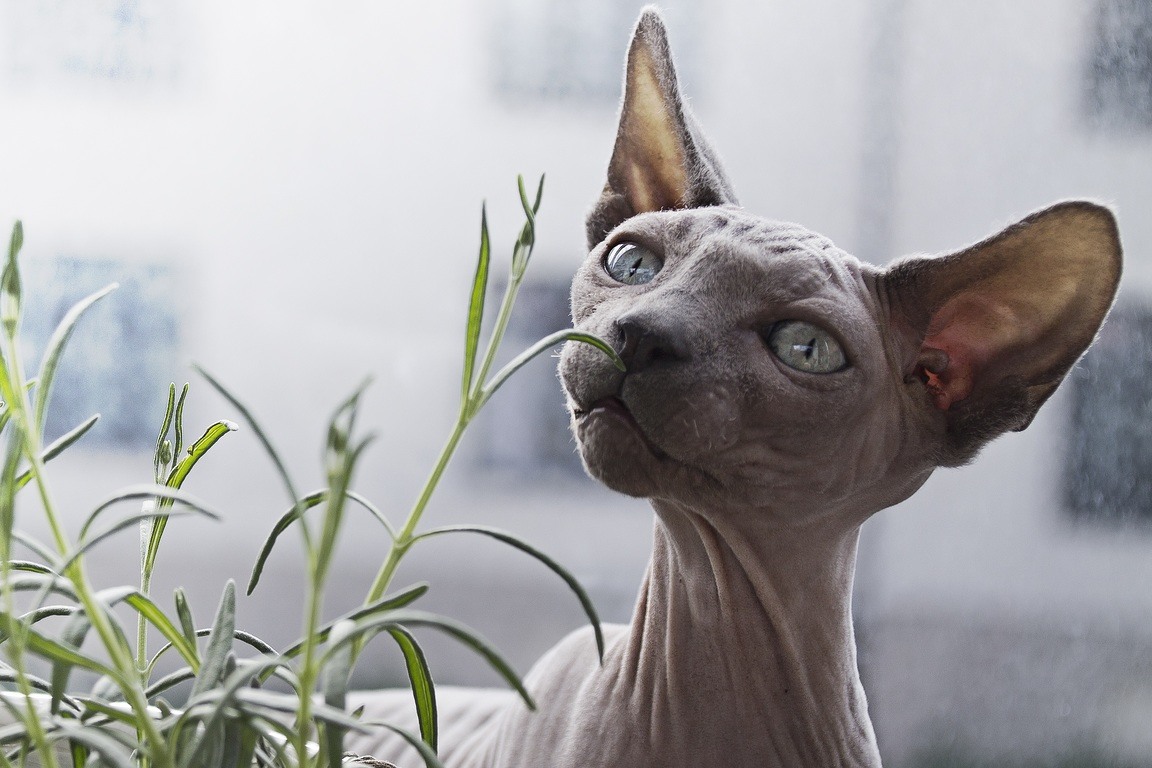
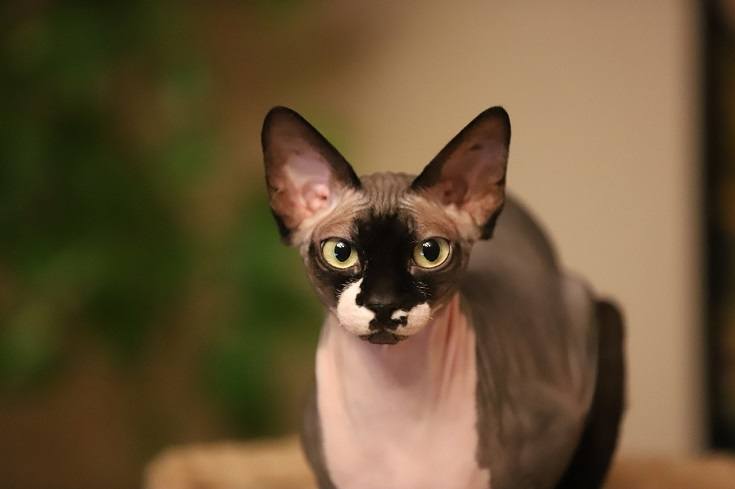
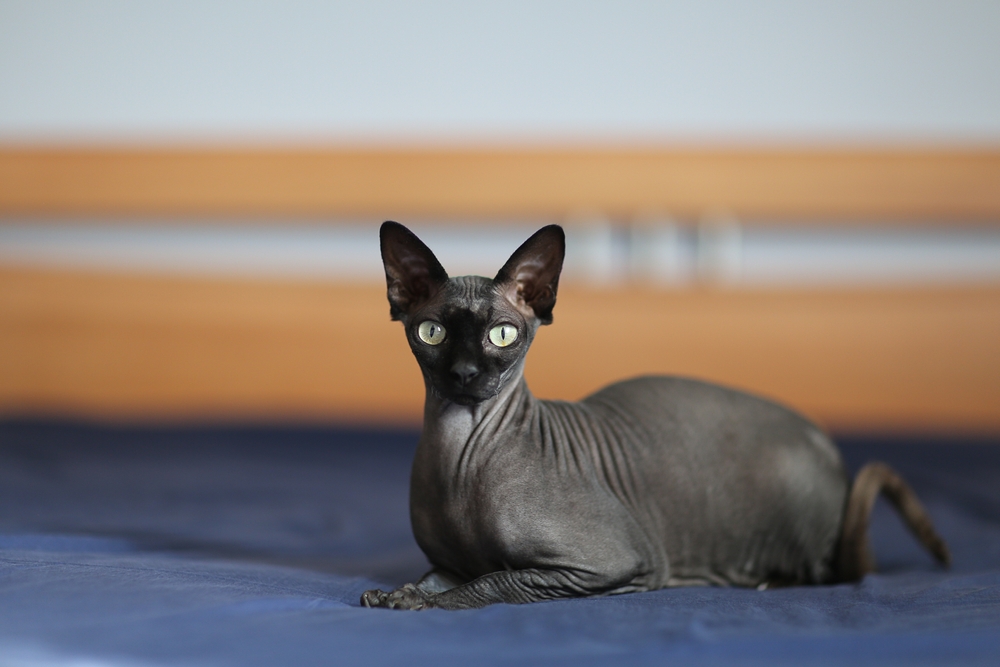
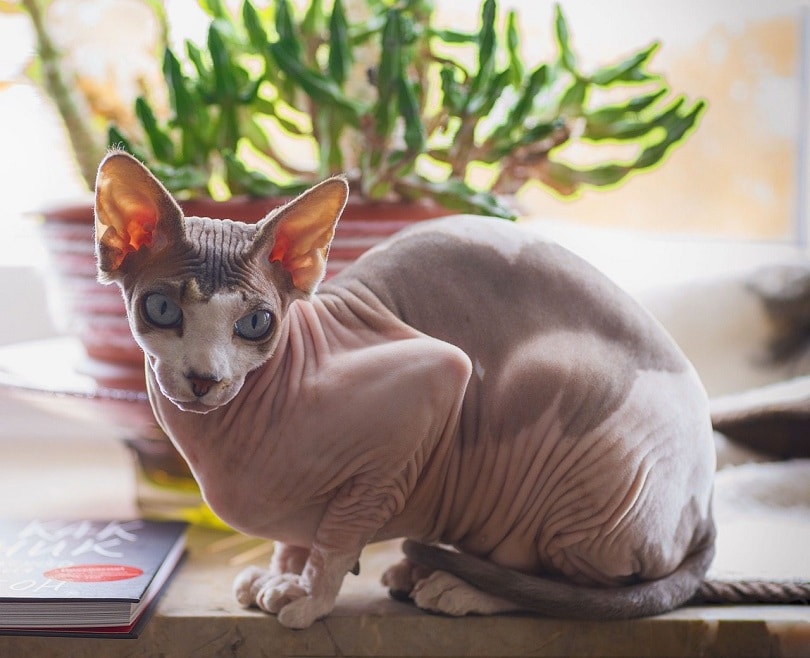
When one thinks of a cat, they often envision a small, furry companion. However, not all cats have fur; some cats are naturally without fur - better known as hairless. Hairless cats vary in degrees of hairlessness; some have a very fine peach fuzz either all over their bodies or over their extremities. They’re not everyone’s first choice of a feline friend, but they’re undeniably eye-catching.
But is their hairlessness bred on purpose, or is it a genetic fluke? In general, hairless cats result from naturally occurring mutations of domesticated or feral cats, or sometimes they are purposely bred. We explore the types of hairless cats and what they were bred for. So, whether you’re here because you’re thinking of getting one or because you're just curious, we have the answer below!

Why Do Hairless Cats Exist?
Sometimes, a hairless cat is a complete fluke. The history of the Sphynx cat can be linked back to Ontario, Canada, in 1966, when a domestic shorthair cat gave birth to a hairless kitten called Prune. Prune’s line eventually ended in the early 1980s, but not before some of the cats developed health issues due to their shallow gene pool.
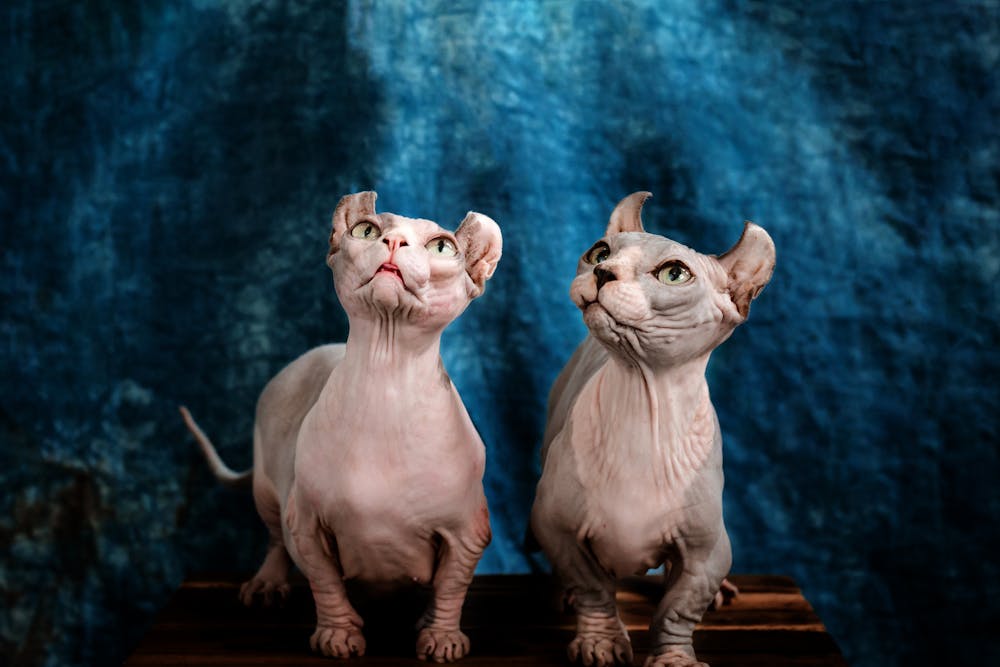
The Sphynx results from naturally occurring and completely spontaneous mutations of shorthair cats. In contrast, some breeds exist entirely on purpose. The Elf, for example, was created because the breeders wanted a cat with curled ears that shared their personality and physical attributes with the Sphynx.
The 9 Breeds of Hairless Cats
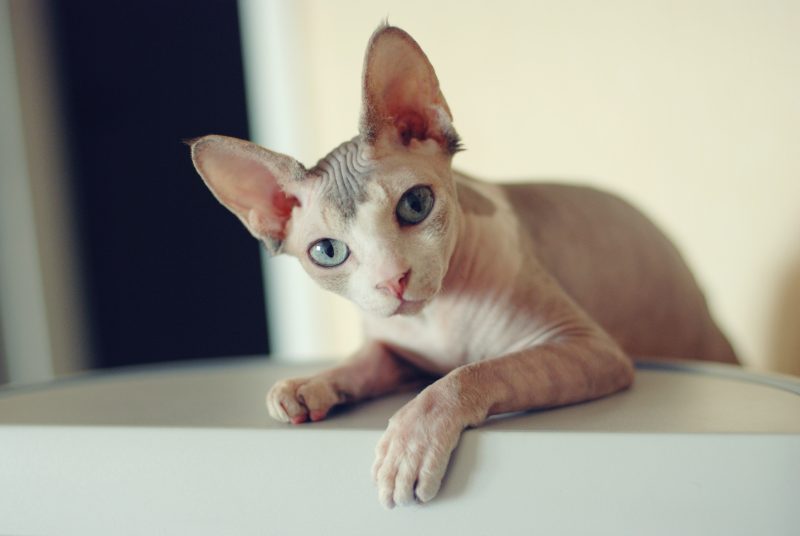
We’ve collected nine examples of hairless cats; some you may have heard of and some you might not have. Please note that some of these breeds are experimental, which means that they are currently not recognized by any major international cat registry.
1. Sphynx
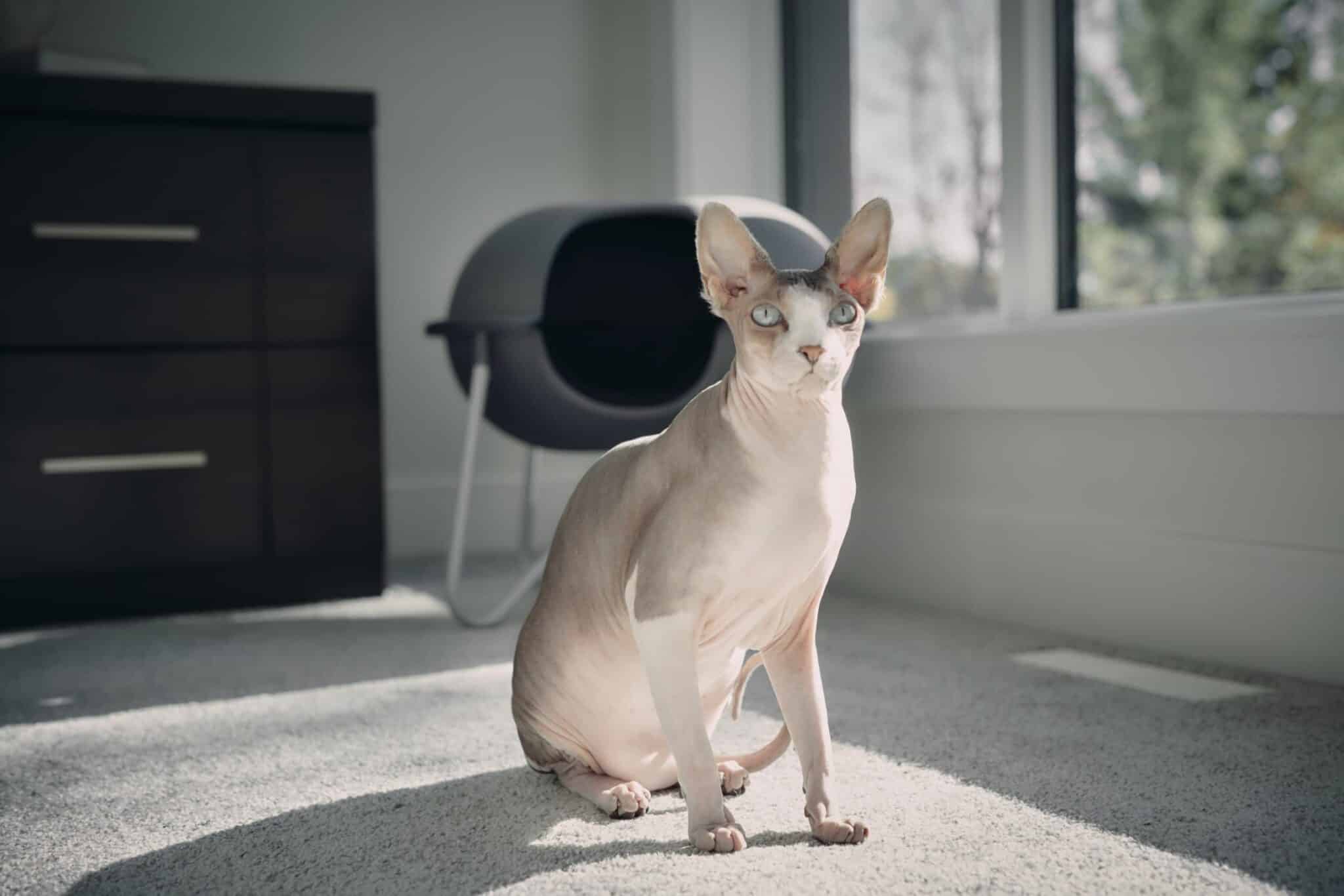
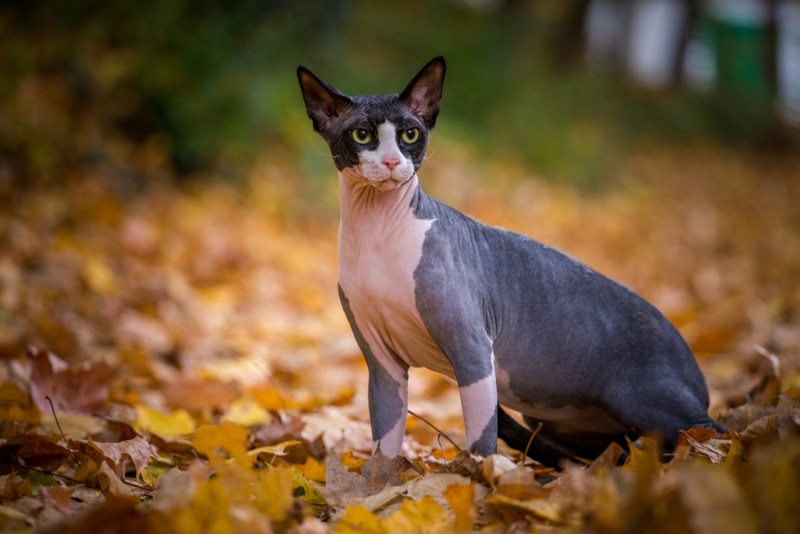
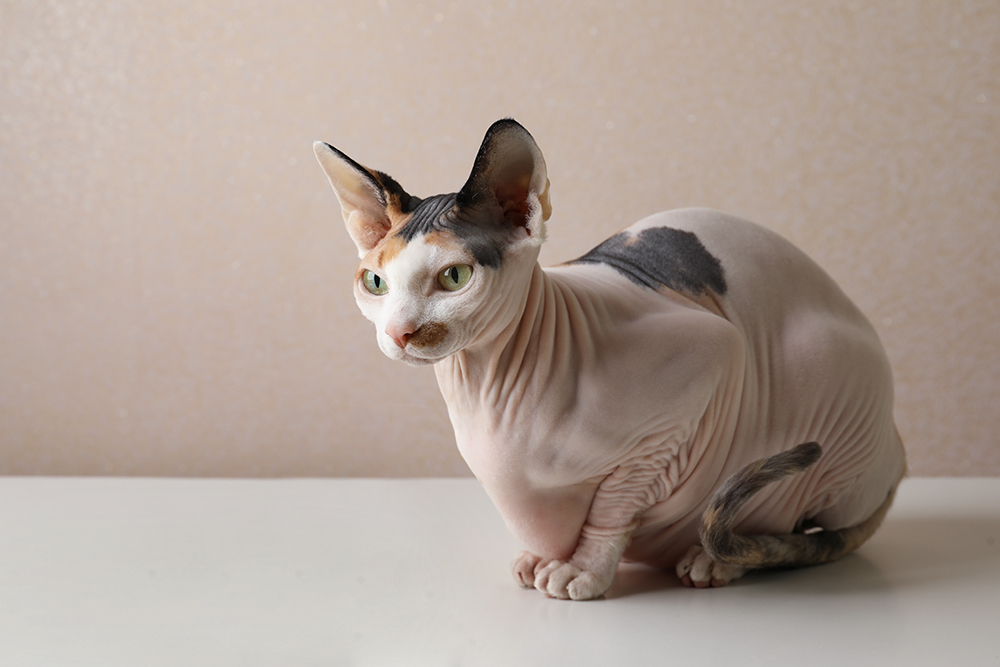
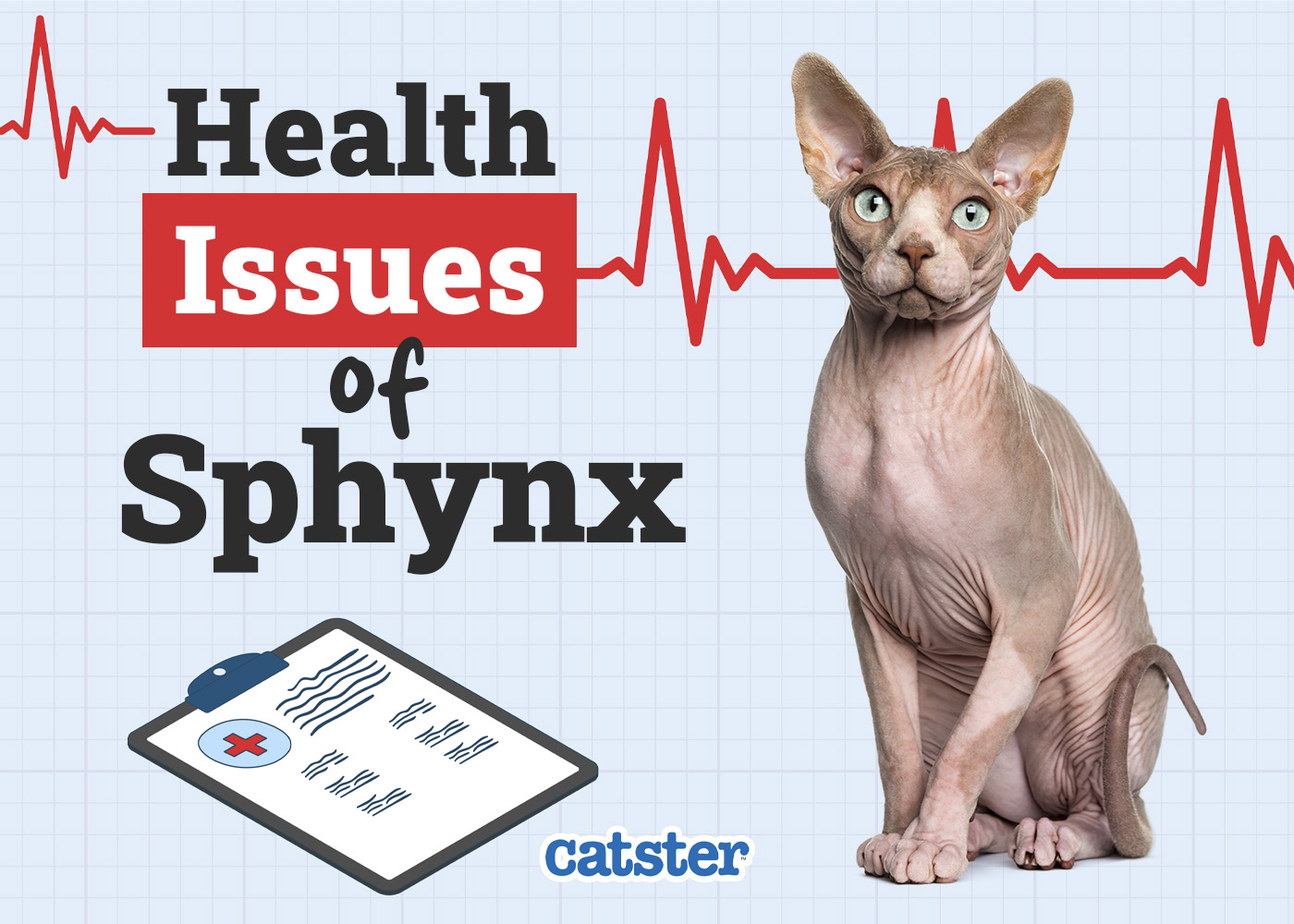
When you think about a hairless cat, it’s probably the Sphynx that comes to mind first. It’s the most well-known hairless cat. They’re known for their playfulness and startling looks, with their large lemon-shaped eyes, long legs, big ears, and fondness for sunbathing.
2. Lykoi

It might surprise you to find out that the Lykoi can be hairless too. They’re known as the werewolf cat thanks to their eyes and black/gray coat. Thankfully, they’re nothing like their wolfish namesakes and are instead incredibly playful and loving cats. This breed was discovered by accident when someone noticed a strange looking feral kitten in a feral cat colony.
3. Donskoy (Russian Hairless)
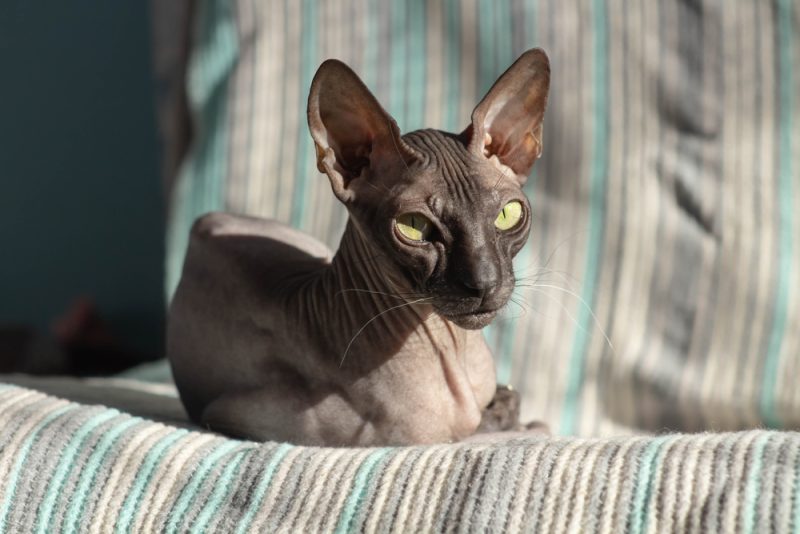
Whether you know them as the Donskoy or the Russian Hairless, you’re referring to the same cat. Unlike the Sphynx, which has a recessive gene to thank for its hairlessness, the Donskoy’s lack of long hair is due to a dominant gene. This makes them completely unrelated to the Sphynx, despite the fact that both breeds are hairless.
They are muscular-looking cats and are known for their intellect and playful natures. Some Donksoys also tend to get a very slight winter coat during the colder months.
4. Bambino

The Bambino is a cross between the Munchkin and Sphynx, which makes them tiny cats that can be as light as 5 pounds (just over 2 kg) when fully grown. They’re known for being energetic, playful cats. This cat is an experimental breed, and not without its fair share of controversy and ethical concerns. In 2019, the Netherlands Food and Consumer Product Safety Authority ordered a couple to stop breeding the Bambino due to welfare concerns 1.
5. Ukrainian Levkoy

The Ukrainian Levkoy is a newbie and has only been around since early 2000. They’re a cross between the Donskoy and Scottish Fold cats, and they have distinctive inward-folding ears. While they enjoy playtime, they’re a little more laid back than most cat breeds. This breed is not recognized by any international cat registry.
6. Peterbald
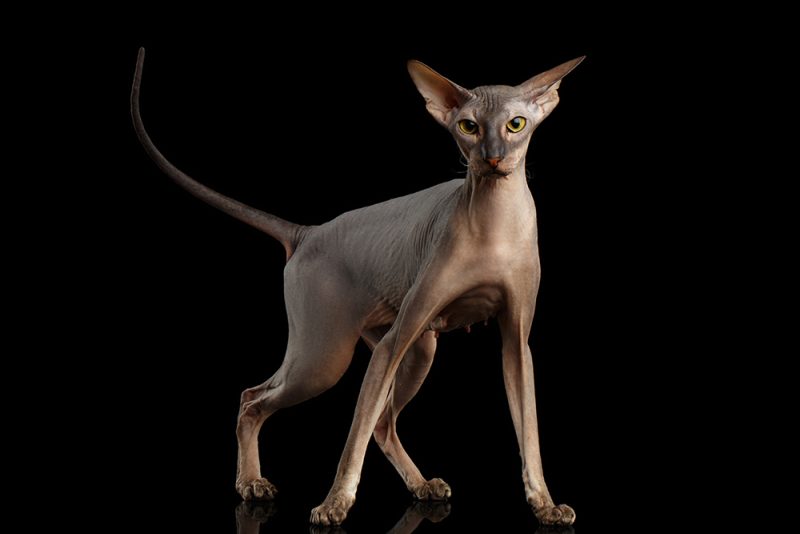
The Peterbald is a mixture of the Oriental Shorthair and the Donskoy. It’s not the easiest cat to get your hands on. Their fur has been likened to the feeling of felt, and very occasionally, you may find one with a full coat. They’re known to be loving, playful cats that are fantastic companions. If you can find one, of course.
7. Dwelf

The Dwelf is a cross between the American Curl, Sphynx, and the Munchkin. This mixture creates a tiny cat that has traits of all three breeds. They have short legs and long bodies and are known for being very playful and having an almost dog-like personality. This breed is also considered experimental at this point.
8. Minskin

The Minskin has been described as the Corgi of the cat world, with their short legs and stocky bodies. They are a cross between the Sphynx and Munchkin and later crossed with the Devon Rex cats and Burmese. They are one of the smallest domestic cats in the world. They’re outgoing and extremely playful. They have been recognized in the "preliminary new breed" category by The International Cat Association (TICA) since 2018.
9. Elf

The Elf cat is another new breed, which came from breeding a Sphynx and an American Curl in 2004. It’s so genetically close to the Sphynx that most of its physical traits are the same, except its ears curl back. They are playful, with gentle personalities, and can be quite demanding with their need for attention. This breed is also considered an experimental breed.
Are Hairless Cats Easier to Care For?
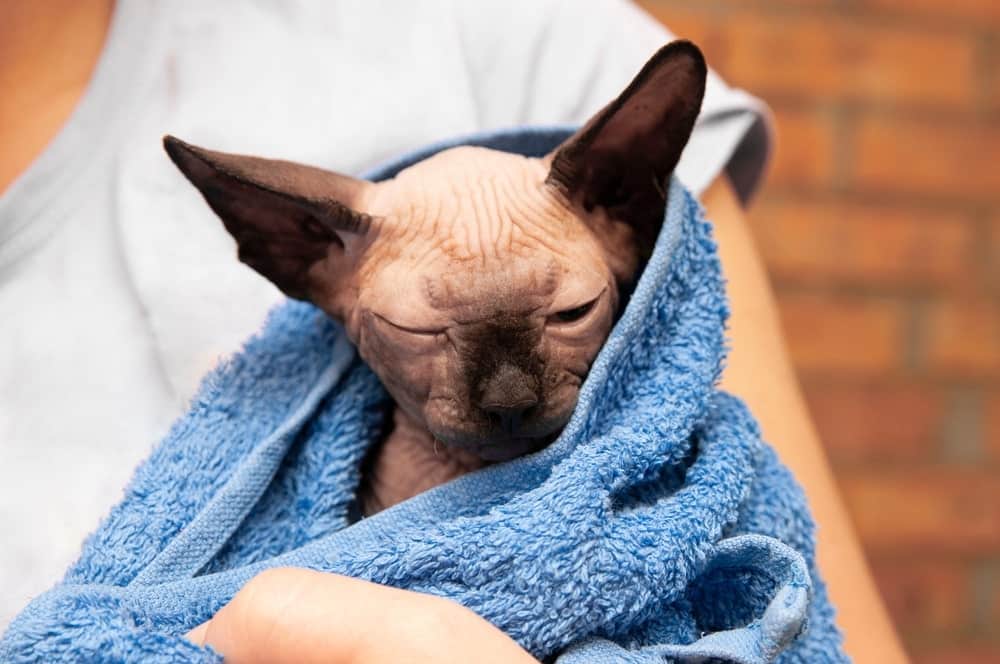
With their lack of fur, it would be logical to assume there would be less grooming involved with a hairless cat. This is, unfortunately, untrue. Hairless cats require frequent baths and wipes to remove secretions from their skin. Failure to do this could result in your cat feeling sticky to the touch, and eventually, they might develop skin issues.

- Gentle Care For All Pets - Infused with moisturizing hypoallergenic ingredients & enriched with cucumber & aloe fragrance for healthier fur, coat & skin, the ultimate dog and cat cleaning wipes
- Deep Cleans From Head to Tail - Tackle the toughest dirt & messes with our extra strong pet wipes for dogs, cats and other pets while being gentle on sensitive areas like the face, ears, butt & paws
- Freshness On The Go - Each dog grooming wipes pack contains 30 counts of premium dog wipes that leaves your pets fresh. Packed in resealable packaging, keeping the cat wipes fresh & ready whenever
Although cats are famously clean animals, even the best self-groomers need an occasional wipe-down. We recommend Hepper's Wash Wipes because they're gentle on skin but effective on dirt and grime. These USA-manufactured premium wipes have a hypoallergenic formula made with moisturizing natural ingredients to keep your cat's skin and fur happy and healthy.
At Catster, we’ve admired Hepper for many years and decided to take a controlling ownership interest so that we could benefit from the outstanding designs of this cool cat company!
Hairless cats, like their fluffy cousins, will self-groom, but thanks to their many wrinkles and folds, there will be places they can't reach. Some require oils or moisturizers to protect them, and they’re also more prone to sunburn.
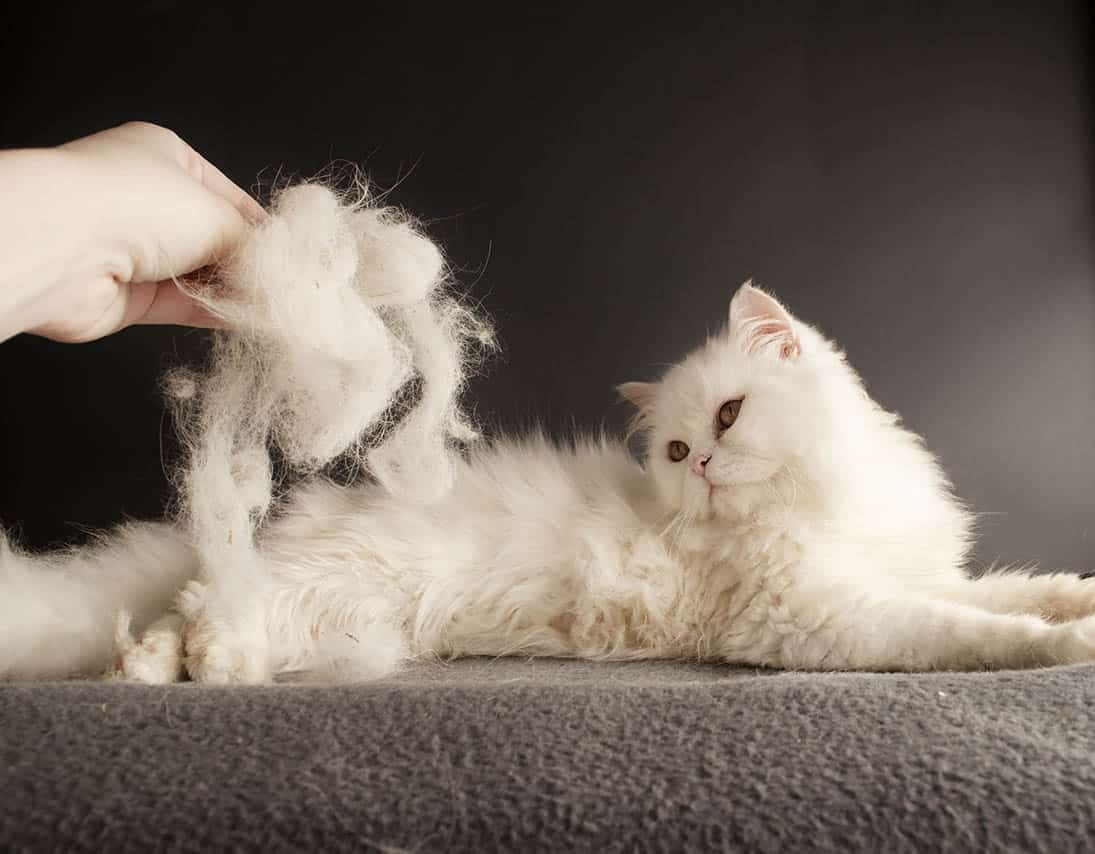
Hairless cats are not hypoallergenic because it isn't due to the fur itself when you suffer from an allergic reaction. Instead, most people are allergic to one of several proteins that cats normally produce, the most common being a protein known as Fel d1. Fel d1 is found primarily in a cat’s saliva and is also produced by their sebaceous glands. Therefore, a hairless cat may still trigger your allergies.
Final Thoughts
Hairless cats exist through a combination of genetic mistakes or happy accidents. While their hairlessness is striking at first, it isn't the most crucial aspect of a hairless cat. At first glance, it might be assumed they’re easier to care for because they don't have any fur to shed. But their soft wrinkles need as much, if not more, care.
Each hairless variety has diverse features and personalities that you cannot help but fall in love with. We can see why people have chosen to bring them into their families for so long, right back to the Aztec period!
See Also:
Sources
Featured Image Credit: Igor Lukin, Pixabay

Expert cat care, straight to your inbox
Vet-reviewed advice, behavior tips, and the best of Catster. Free, and you can unsubscribe anytime.
By signing up, you agree to our Terms & Conditions and Privacy & Cookies Policy.
Christian started writing for a local newspaper as a teenager, and he's been involved in the publishing industry for most of his adult life. Combining his love of writing with a passion for animals, he is currently the Director of Editorial at Pangolia and the Editor-in-Chief at Catster.
Christian lives in the Philippines with his wife, son, and four rescue cats: Trixie, Chloe, Sparky, and Chopper.
Join the conversation
Ask a question, share your story, or send private feedback.