Oriental Shorthair Cat: Info, Pictures, Temperament & Traits
In this article
The Oriental Shorthair has been compared to actor Adam Driver (“Star Wars”) and Spock from “Star Trek”. When you see one, you can see why these comparisons have been made, but the Oriental Shorthair is so much more than a look-alike!
Breed Overview
Height:
Weight:
Lifespan:
Colors:
Suitable for:
Temperament:
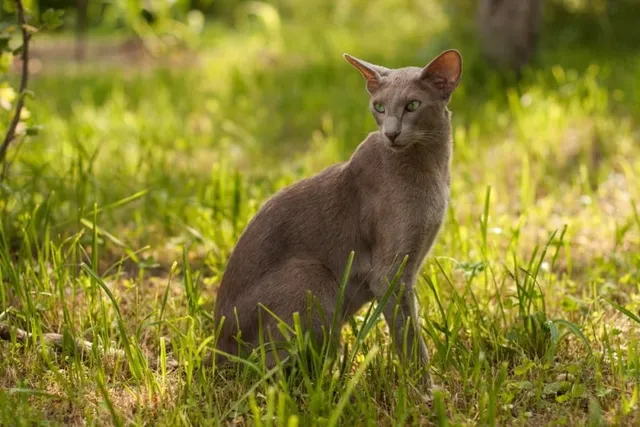
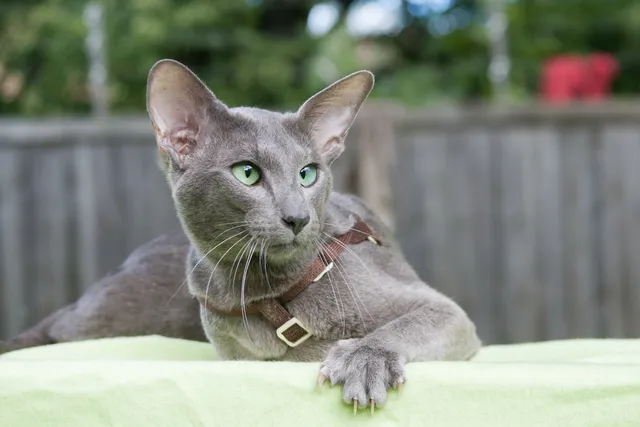
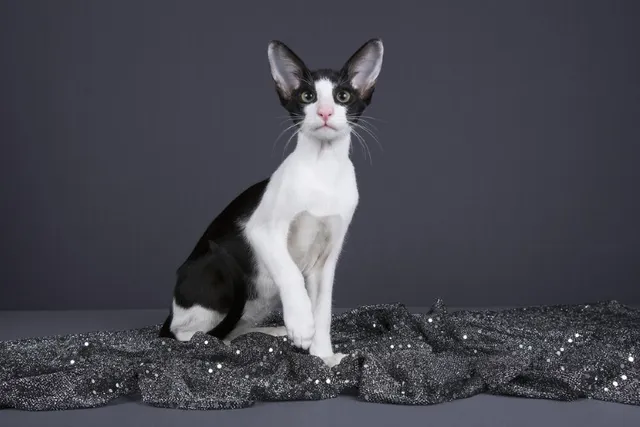
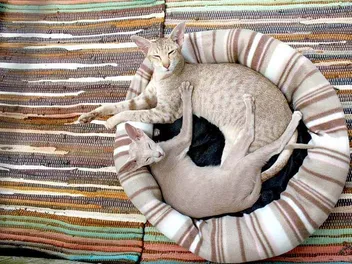
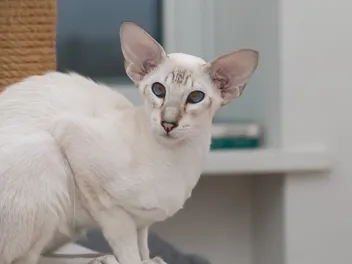
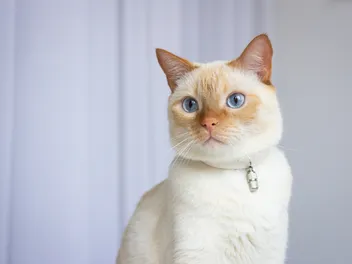
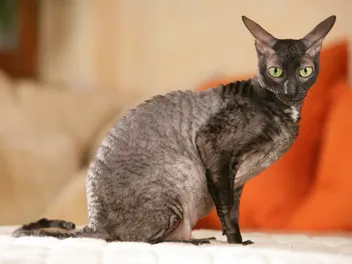
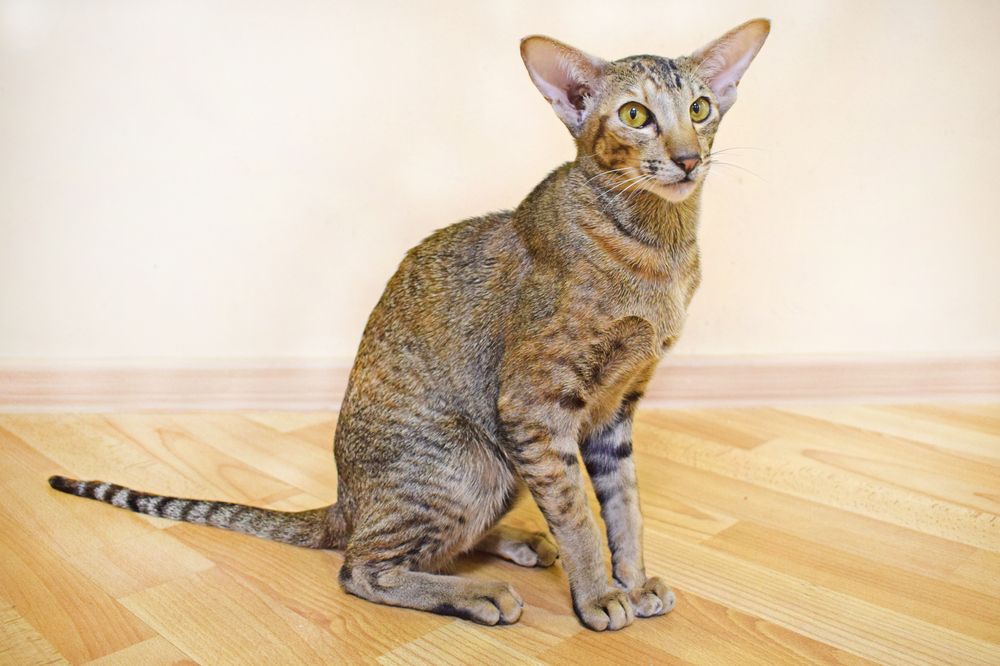
Once you’ve seen an Oriental Shorthair, there’s no mistaking them for any other breed! Their body is slender and relatively angular in appearance. But they are especially famous for their enormous ears and prominent nose!
This breed is known for being active and energetic while also having an affectionate and loving nature. So, if you are considering getting an Oriental Shorthair, keep reading to find out if they will be a good fit for you.
Oriental Shorthair Characteristics

Oriental Shorthair Kittens

An Oriental Shorthair cat is not the most common breed, so finding a reputable breeder might require traveling. Once you find someone suitable, have a conversation with them about your expectations and their breeding practices. You should ask them questions and basically interview them to ensure that they're qualified.
Kittens should stay with their mothers and littermates until they are between 12 and 14 weeks old. During this time, they learn essential socialization skills that will help them adjust to their new home.
While adopting a cat is always a great option, Oriental Shorthair cats are not typically found in local animal shelters or rescue groups. Therefore, if you are interested in this particular breed, you might need to search for a breeder.
Oriental Shorthair Breed Origin & History
Oriental Shorthairs were developed in England in the 1950s, after breeders selectively bred Siamese cats with Russian Blues, British Shorthairs, Abyssinians, and regular domestic cats. They eventually found their way to North America in the ‘70s.
Oriental Longhair cats were also developed, and both breeds were awarded championship status by the Cat Fanciers Association in 1977. This is also when the various colors and patterns emerged. In fact, as each color was developed, they were named as a separate breed. For example, there was the Havana, Foreign White, and Oriental Spotted Tabby.
However, there were so many colors created, it became too cumbersome, so all non-pointed cats are now grouped under the Oriental Shorthair (or Longhair) category.
Temperament & Intelligence of the Oriental Shorthair 🧠
The Oriental Shorthair is considered the most intelligent of all breeds. They are outgoing and playful and love being the center of attention.
Due to their affectionate nature, they are often referred to as Velcro cats, as they tend to follow their favorite people around. One downside of this closeness is that they often suffer from separation anxiety, which means you can’t leave them alone for extended periods. They are also incredibly vocal cats, which is not surprising, considering their Siamese ancestry.
Are These Cats Good for Families? 👪
The Oriental Shorthair is an excellent choice for families looking for a pet. They are known for being highly active and playful, which makes them a perfect companion for children who enjoy spending time with a pet.
These cats bond closely with everyone in the family and enjoy snuggling up on warm laps for a cuddle. However, always teach your children how to interact appropriately with animals and to be gentle with them at all times.
With proper care and attention, the Oriental Shorthair can be a wonderful family companion.

Does This Breed Get Along With Other Pets? 🐶🐱
The Oriental Shorthair is friendly toward other pets, particularly felines with a similar disposition. If you're planning to adopt this breed, it may be beneficial to get two so they can keep each other company, as they are prone to separation anxiety.
This cat is also generally compatible with dogs, as long as the canine has a proven track record of getting along with felines.
Things to Know When Owning an Oriental Shorthair
Food & Diet Requirements 🐡
You should aim for high-quality cat food, so chat with a vet about the best food for your Oriental Shorthair. There are so many cat food options to choose from, so it is a good idea to get some professional advice!
Feeding your cat at least twice a day is recommended, but some Oriental Shorthairs may require three meals a day. Additionally, ensure that your cat always has access to clean and fresh water. Consider purchasing a cat fountain to encourage your cat to drink more.
Exercise 🐈
Cats generally get their exercise through play, though some cat owners love training their cats to be on a harness and leash so they can take them for meandering walks.
You’ll also need to provide enough interactive toys and teaser wands for one-on-one playtime. Catnip toys also tend to go over well! You may or may not want to try cat shelves, but you definitely need a cat tree so your pet can scratch, sleep, and play.
Training 🧶
Some cats are not interested in being trained, but the Oriental Shorthair breed is an exception. They are highly intelligent and have a close connection with their owners, which makes them more responsive to learning new things. If you decide to train them, make sure only to use positive reinforcement.

Grooming ✂️
Taking care of an Oriental Shorthair's grooming needs is relatively easy. Their short coats only require brushing once a week to remove loose fur. However, due to their notably large ears, you’ll need to check them weekly and clean them if necessary. Keeping their nails trimmed and providing a good scratching post is also essential.
Additionally, brushing your cat's teeth is vital, but you can consider dental treats as additional oral care options.
Health and Conditions 🏥
The Oriental Shorthair is generally a healthy breed, but like all cats, they are prone to certain health conditions. Regular veterinary checkups and a well-balanced diet can help manage and prevent some of these health issues.
Minor Conditions
- Progressive Retinal Atrophy (PRA): An eye condition that leads to gradual vision loss, or complete blindness, in severe cases. There is currently no cure for PRA, but affected cats can adapt well to indoor life with their owner’s help.
- Crossed Eyes: Some Oriental Shorthairs may inherit slightly misaligned eyes, which can, on occasion, affect their overall vision. In most cases, however, these cats do not appear to suffer any significant deficits.
Serious Conditions
- Hypertrophic Cardiomyopathy (HCM): HCM is the most common form of heart disease in Oriental Shorthairs, which causes the heart muscle to thicken, reducing its ability to pump blood efficiently. This can lead to heart failure, blood clots, and death. Signs include labored breathing, lethargy, and reduced appetite. There is no cure, but medication and early detection through veterinary screenings can help manage the disease.
- Dilated Cardiomyopathy (DCM): Though less common, DCM is linked to taurine deficiency in feline diets. Since cat food today contains enough taurine, DCM is rare, but some purebred cats may still develop it due to genetic factors. It causes the heart muscle to become weak, leading to poor circulation, an enlarged heart, and possible heart failure.
- Amyloidosis: A disorder where abnormal protein deposits accumulate in the liver or kidney. Signs include weight loss, excessive thirst, and lethargy. There is no cure, but supportive care can help manage these signs.
- Pica: Some Oriental Shorthairs develop pica, a condition where they chew or eat non-food items like fabric, plastic, or paper. This can lead to digestive blockages if not treated by a vet.
Male vs. Female
Oriental Shorthairs can reach 9 to 11 inches in height and weigh between 5 and 12 pounds. Typically, female cats tend to be smaller, weighing 5 to 8 pounds, while males are larger at 8 to 12 pounds.
There are a few general differences in behavior between male and female cats. The females are usually more independent and vocal, while the males tend to be more affectionate and calmer.
However, a cat's temperament is primarily influenced by their genetics and the way that they are treated throughout their lives.
3 Little-Known Facts About the Oriental Shorthair
1. They Have Been Nicknamed “Ornamentals”
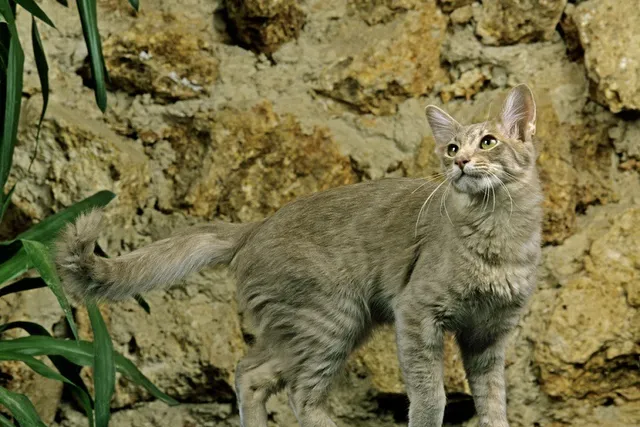
Since the Oriental Shorthair comes in practically every color and pattern (over 300 colors) available for felines, they have been called, “Ornamentals,” and, “Siamese in designer ‘genes.’”
2. The Oriental Shorthair Is Thought to Be Hypoallergenic
Of course, there’s no such thing as a completely hypoallergenic cat, but the Oriental Shorthair does produce less of the allergen (Fel d 1 protein) responsible for causing human allergies. This should make them easier than other breeds to live with for allergy sufferers.
3. The Oriental Shorthair Tends to Honk Instead of Meow
While these cats tend to be chatty like their Siamese cousins, some of them make a sound that’s been described as a honk or likened to a squeaky toy.

Final Thoughts
The Oriental Shorthair is a remarkable breed that is visually striking, highly intelligent, and affectionate. They make wonderful family pets and get along equally well with children and other animals. These cats are also known to greet visitors with great charm and curiosity.
While they may resemble a Vulcan and sometimes honk instead of meow, the Oriental Shorthair is a fun and sweet cat that could be the perfect feline companion for you!
Related Reads:
Sources
Featured Image Credit: Zhigulina Oksana, Shutterstock
Expert cat care, straight to your inbox
News, insights, and useful advice, delivered to you.

No spam — unsubscribe anytime.
By signing up, you agree to our Terms & Conditions and Privacy & Cookies Policy.
How useful was this post?
Click a star to rate. You can leave written feedback afterwards. (We read all feedback.)

Kathryn was a librarian in a previous lifetime and is currently a pet writer. When she was a child, she hoped to work in ZOOs or with wildlife in some way, thanks to her all-consuming love for animals. Sadly, she's not strong in the sciences, so she fills her days with researching and writing about all kinds of animals and spends time playing with her adorable but very naughty tabby cat, Bella. Kathryn is hoping to add to her family in the near future – maybe another cat and a dog.