Should I Brush My Cat's Teeth? Vet-Approved Advice & Tips


In this article
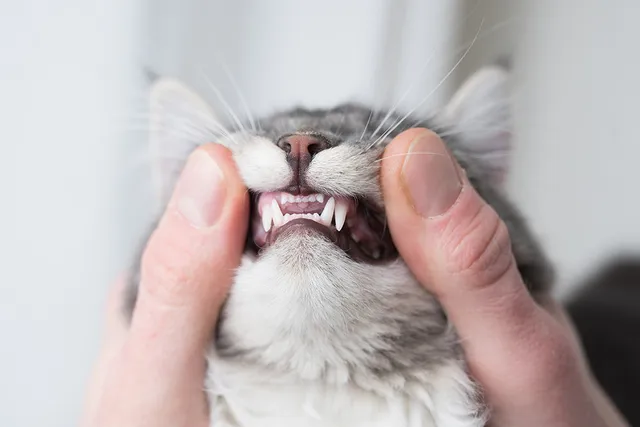
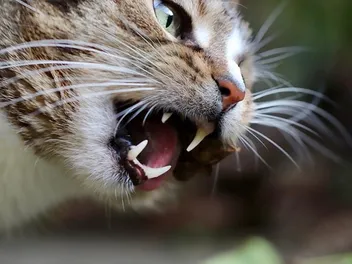
Brushing your cat’s teeth is critical for their dental health. Regular brushing prevents plaque and tartar from accumulating, which can help keep problems such as gingivitis and periodontal disease at bay. Dental disease can also be linked to other health problems, so taking care of your cat’s teeth is one of the most important things you can do to support their health and well-being.

What Are the Benefits of Brushing Cats’ Teeth?
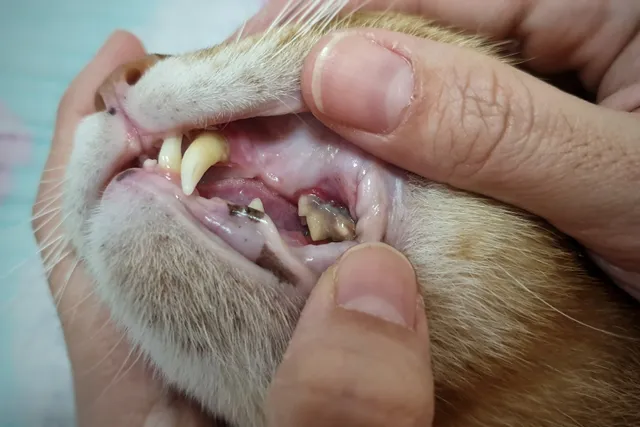
Brushing your cat’s teeth removes plaque before it can develop into tartar. Plaque and tartar that build up over time result in the development of gingivitis, or inflammation of the gums. When left untreated, gingivitis can progress into periodontal disease, which can be painful and cause cats to lose teeth.

What Are the Signs of Dental Disease
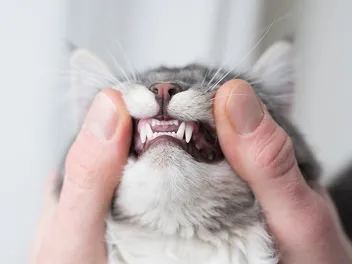
Cats suffering from dental problems sometimes drool and have bad breath. Some shake their heads and have problems keeping food in their mouths. They can also have trouble swallowing.
Many lose interest in eating or prefer to stick to wet food as it is less painful to eat. Dental disease can also cause cats to lose weight.
Are There Other Ways to Support Feline Dental Health?
Regular dental checkups and cleanings are essential for keeping cats' teeth and gums in top shape. There are several products available that can reduce the accumulation of plaque and tartar on cats’ teeth.
1. Regular Dental Exams and Cleanings
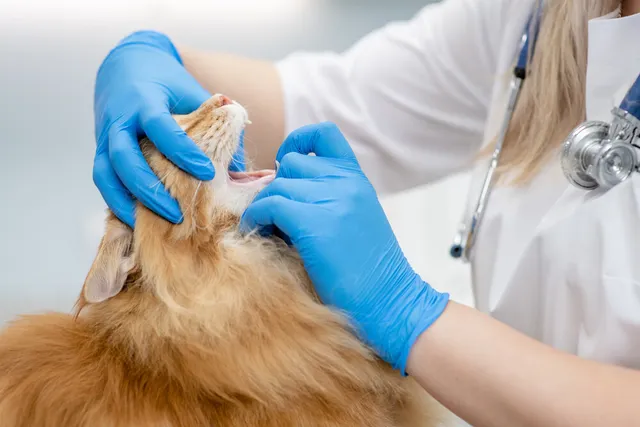
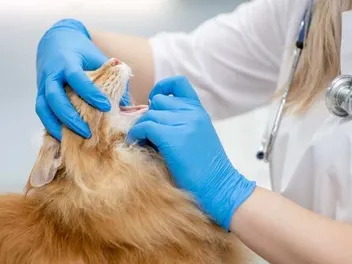
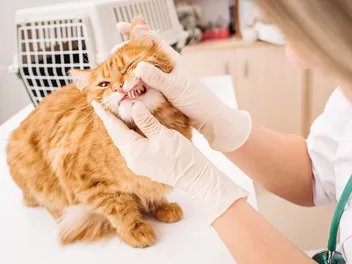
Owners of adult cats should take their pets to the veterinarian at least once yearly for a checkup and dental exam. Veterinarians recommend bi-annual visits for older cats to make sure problems are spotted early when they’re easier to treat.
Your veterinarian will let you know if your cat needs to have their teeth cleaned when they examine them during their regular checkup.
2. Additives, Sprays, Gels, and Wipes
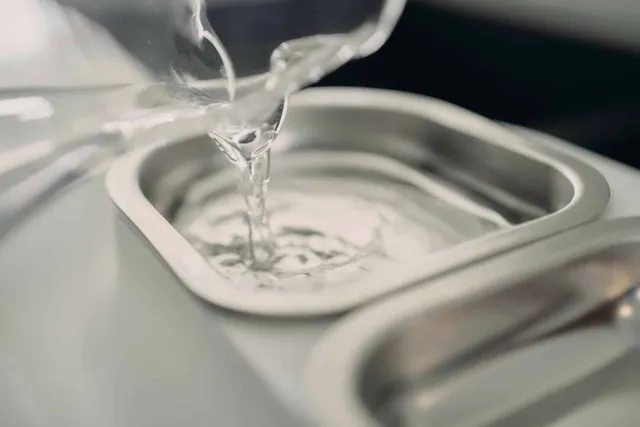
Veterinary Oral Health Council (VHOC)-approved water additives can reduce plaque. Sprays, gels, and wipes are also available to make it easy to provide at-home dental care for cats.

3. Treats and Chews
Several VOHC-approved dental treats remove plaque and tartar, many of which are available at regular pet stores. Although treats can help support feline dental health, they should still be considered treats and limited to about 10% of cats’ diets to prevent unintended weight gain.
Silvervine sticks are fun options that bring catnip-like excitement into cats’ lives and provide dental benefits by limiting tartar build-up. However, it is essential to keep an eye on your cat when they are enjoying silvervine sticks to prevent choking incidents.

4. Food
Commercial dental diet formulations are also available that can prevent plaque and tartar from accumulating on pets' teeth. They feature kibble chunks that are a bit larger than what’s in standard formulas.
They essentially force cats to chew, removing plaque and tartar in the process. Always speak with your veterinarian before switching your cat’s food to ensure the formula meets their individual needs.

Tips for Brushing Cats’ Teeth
Cats sometimes need help getting used to the toothbrushing process. Getting your cat accustomed to having their teeth touched and creating positive associations with the activity is the first step toward gaining their cooperation in future tooth-brushing activities, which can make staying on top of their dental health far easier for everyone involved.
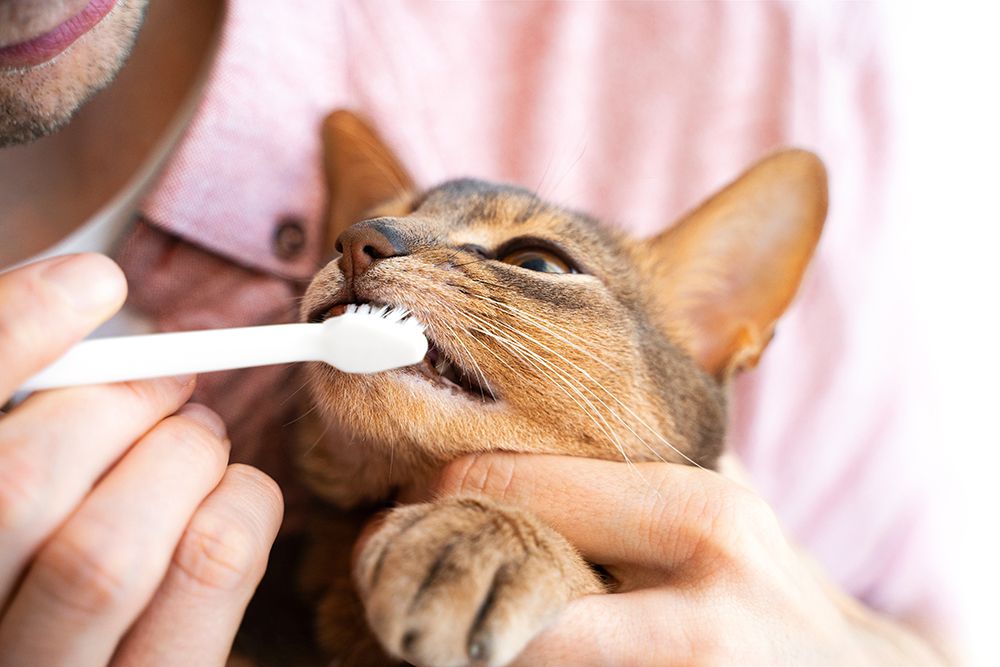
First, grab a Q-tip and as an option, dip it into something tasty (like tuna water). Pull up your cat’s lip on one side and rub the Q-tip over the outside of their teeth close to the gum line; there is no need to open their mouth. After your cat is comfortable with the process, move on to using a toothbrush.
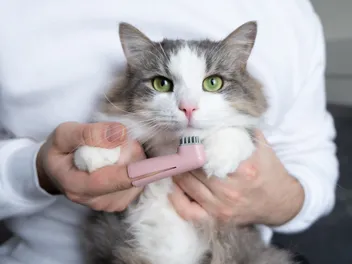
When your cat is ready for the next step, you can add cat-friendly toothpaste to their toothbrush and brush their teeth. Concentrate on the outsides of their teeth and pay extra attention to their upper cheek teeth.
Most cats need some time to become accustomed to the process and learn to tolerate having more than a few teeth brushed at a time.

Frequently Asked Questions
Is Human Toothpaste Okay for Cats?
No. Cats should only use toothpaste designed for them. Human toothpaste contains ingredients that can make them sick if swallowed. Cat toothpaste is available in several kitty-tempting flavors such as poultry, seafood, and beef that can make tooth brushing sessions a bit pleasanter for cats.
Are There Toothbrushes Made for Cats?
Yes, they’re designed to be small enough to comfortably fit in cats’ mouths. Some brushes have angled handles, and you can also buy finger brushes.
How Often Should I Brush My Cat’s Teeth?
Cats' teeth should ideally be brushed every day, but a few times a week is generally considered okay. Toothbrushes should be rinsed after use and regularly replaced.
Conclusion
Regularly brushing cats' teeth is essential for their dental health. It helps prevent plaque and tartar from building up, which can keep gingivitis and periodontal disease from developing. Ideally, their teeth should be brushed every day with toothpaste made specifically for them since human toothpaste contains ingredients that can make them sick. Additives, treats, and dental diets can provide extra support, but professional dental cleanings are vital for keeping cats' teeth and gums in the best possible condition.
Sources
Featured Image Credit: Garnar, Shutterstock
Expert cat care, straight to your inbox
News, insights, and useful advice, delivered to you.

No spam — unsubscribe anytime.
By signing up, you agree to our Terms & Conditions and Privacy & Cookies Policy.
How useful was this post?
Click a star to rate. You can leave written feedback afterwards. (We read all feedback.)
Lorre Luther is a writer who is firmly convinced that cats are smarter than humans. She left her law career in the United States and moved to the Netherlands to follow her dream of becoming a writer. Lorre currently lives in Rotterdam, she enjoys traveling and greatly appreciates the beauty of nature. Lorre has a spot for animals and admires the intelligence of cats.