Harlequin Cat: Info, Pictures, Rarity & History
In this article
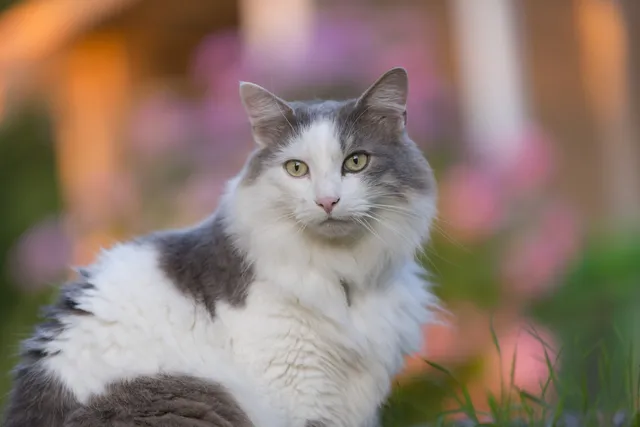
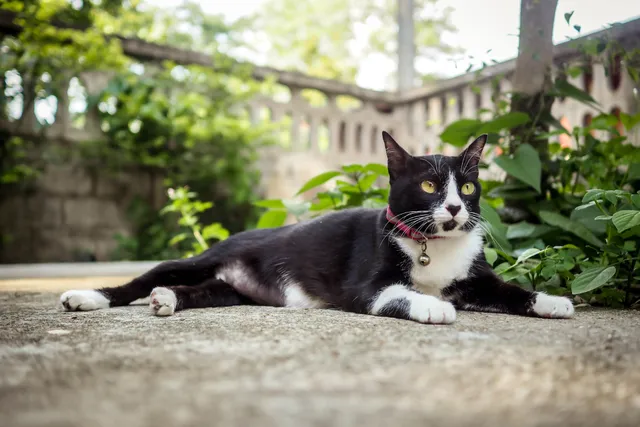
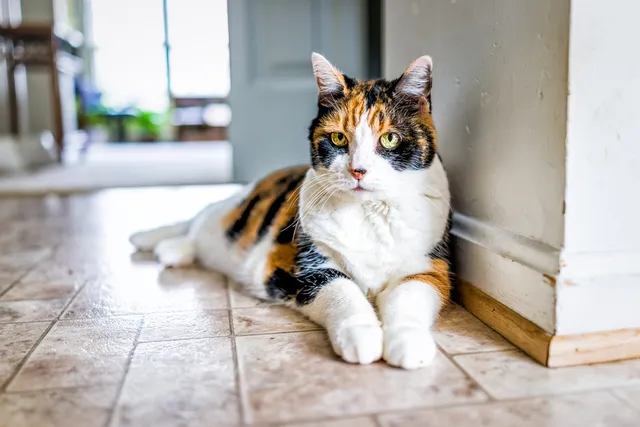
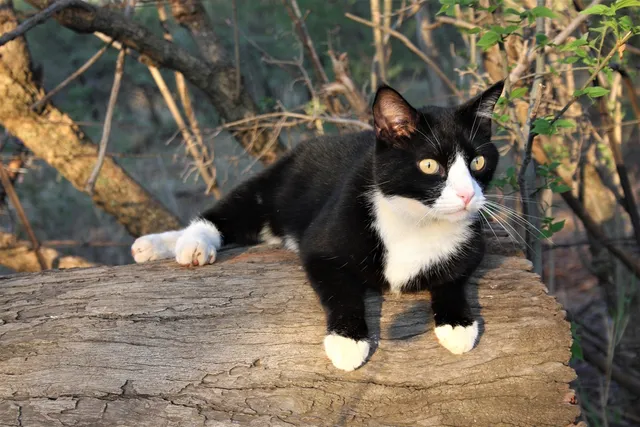
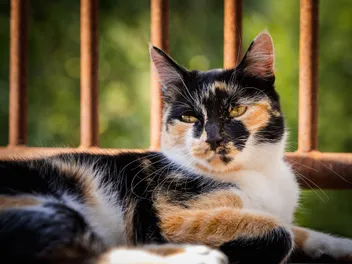
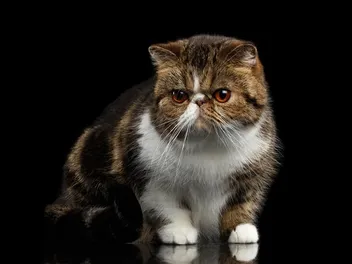
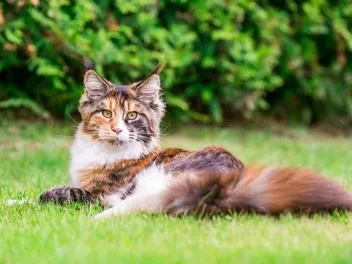
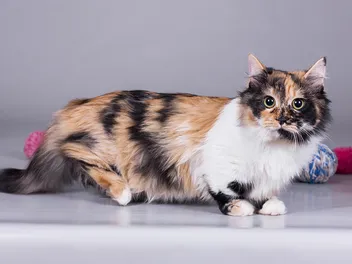
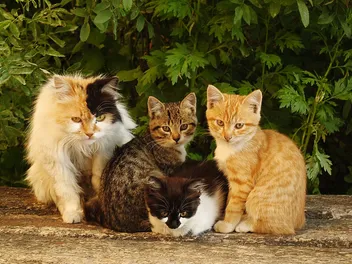
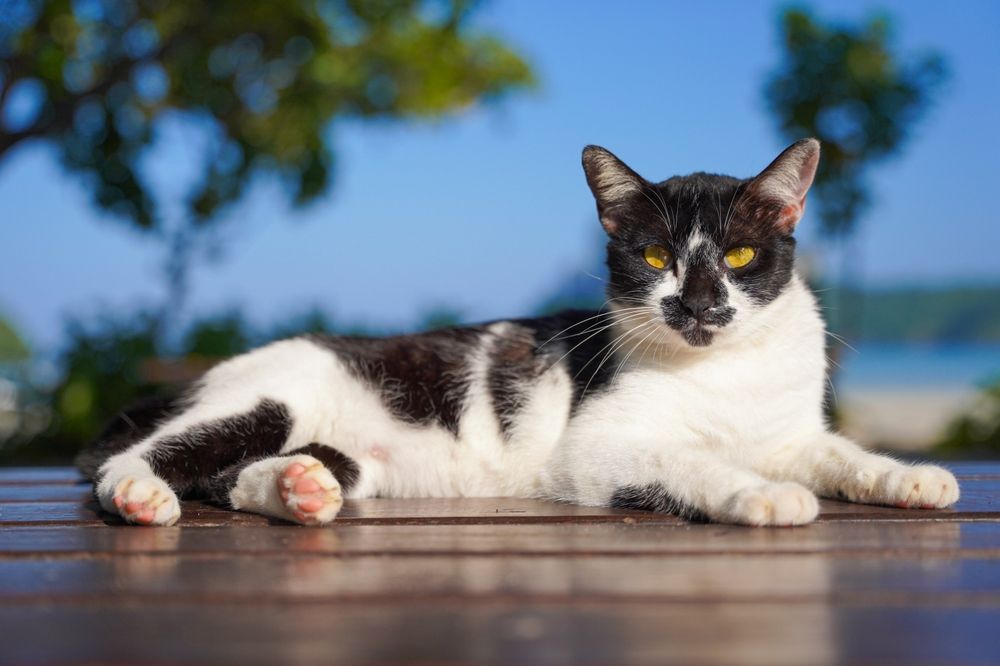
A harlequin cat has a specific coat coloration that sets them apart from other felines. They’re primarily white, with only around 25% of another color. They tend to have large, irregular patches of another color, though this other color can be anything at all. Sometimes, harlequin cats even have tabby markings in their colored patches.
This coloration solely refers to a cat’s coat color. It is not a particular breed, though this color does only occur in certain breeds.
Because harlequin cats do not belong to a specific breed, their size, and temperament are completely up in the air. You cannot tell how large a cat will grow or what they will act like based on their coloration. Luckily, unlike harlequin dogs, these cats don’t have more health problems than other felines. Furthermore, harlequin cats are much more common than harlequin dogs.
Let’s learn more about this unique cat color.

Earliest Records of the Harlequin Cat in History
Cats have had a decent amount of white in their coat since the beginning of their domestication. We don’t know exactly when these felines appeared, as people did not keep records of cat coloration thousands of years ago.
You can often find cats with over 50% of their coat white in your local shelter, though not all breeds will exhibit this coat coloration. In some specific breeds, it may also be rare. It largely depends on the exact breed we’re discussing.
We do have pictures of cats with over 50% of their coats white, dating to the 10th century in Europe. Therefore, these cats have existed since at least then. That said, they were probably around much earlier than that.

How the Harlequin Cat Gained Popularity
The harlequin cat is a striking, unique pattern that many people are drawn to. However, it isn’t more common than other coat types.
These cats probably developed pretty naturally throughout the years. Because these cats aren’t rare, it’s likely that they didn’t need to be particularly chosen by humans. They weren’t selectively bred for their traits like certain cat breeds. Instead, harlequin cats probably just become more common over time through natural breeding.
Formal Recognition of Harlequin Cats
Harlequin cats are recognized by practically every cat fancy club out there. However, the exact specification and name used to identify this coloration varies.
For instance, the Governing Council of Cat Fancy defines harlequin cats as having more white than bi-colored cats but not as much white as the van pattern. As you might guess, there is a lot of personal preference at play here, and the lines can get smudged. You cannot measure the exact proportion of white on a cat’s coat very successfully, after all.
That said, they do say that the cat should be predominately white. In other words, a cat should be at least 60% white to be considered in this category. These standards only recognize certain cats as coming in this coloration, as well. Snowshoe and oriental shorthairs are two of the breeds that do.
Top 3 Unique Facts About Harlequin Cats
These cats may not be very rare, but there are some facts that you may not know about them:
1. These cats are all unique.
No two Harlequin cats are the same. They each have a different pattern, which can vary quite a bit. Preferably, each spot should be larger than a thumbprint, but that’s all that the standard says about this coloration’s specific pattern.
2. The genetics behind this color aren’t fully understood.
Each cat is unique largely because there are many genetics at play. We don’t understand exactly how these genes work, so breeders cannot breed for specific patterns. The piebald gene that leads to this pattern has several variations in itself, and there are several additional genes that play a role, too. Therefore, the intensity and pattern range widely from cat to cat.
3. What counts as a harlequin cat depends on who you ask.
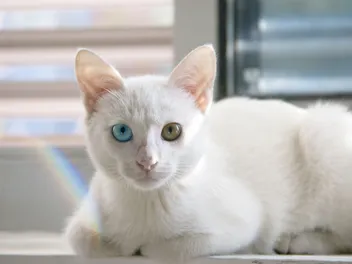
Typically, a harlequin cat is between a bicolor cat (which is a feline with about 50% white) and a van cat (which is a cat that’s almost completely white). However, these specific proportions are hard to measure on a cat, which leads to some cats being identified as having several different colorations. In many cases, it may depend on who you ask.


Does a Harlequin Cat Make a Good Pet?
We don’t recommend basing your adoption decision on a cat’s coat color. Despite some common misconceptions, coat colors do not typically have an effect on a cat’s temperament or health. Harlequin cats may look unique, but that doesn’t necessarily mean that every harlequin cat is suitable for your home. The cat’s health and temperament are far bigger factors than what the cat looks like.
If you’re adopting from a shelter, take time to get to know the cat and ask those who work there about the feline’s temperament. If possible, get information about the cat’s past life and health records, too. Most rescue organizations will give the feline all the healthcare they need, but it is always good to check!
If you’re purchasing a kitten, be sure that the breeder isn’t marking up their cats due to the “rarity” of the harlequin coloration. Even if the breeder doesn’t mark up their kittens, ensure that they breed for temperament and health—not just coat color. Perform all of the usual steps you would take to ensure that a breeder is producing quality kittens.
Conclusion
Harlequin cats aren’t a particular breed, and exactly what counts as a harlequin cat can vary.
Luckily, these cats don’t seem to have extra health problems, as is true for harlequin dogs. You can expect a harlequin cat to be just as healthy as any other cat without any added chance of deafness or vision problems.
While we don’t typically recommend harlequin dogs to the average owner, we can recommend harlequin cats wholeheartedly.
Sources
Featured Image Credit: doypui, Shutterstock

Expert cat care, straight to your inbox
Vet-reviewed advice, behavior tips, and the best of Catster. Free, and you can unsubscribe anytime.
By signing up, you agree to our Terms & Conditions and Privacy & Cookies Policy.

Kristin is passionate about helping pet parents create a fulfilling life with their pets by informing them on the latest scientific research and helping them choose the best products for their pets. She currently resides in Tennessee with four dogs, three cats, two fish, and a lizard, though she has dreams of owning chickens one-day!
Join the conversation
Ask a question, share your story, or send private feedback.