Mexican Hairless Cat Breed: Info, Pictures, Care & More
In this article
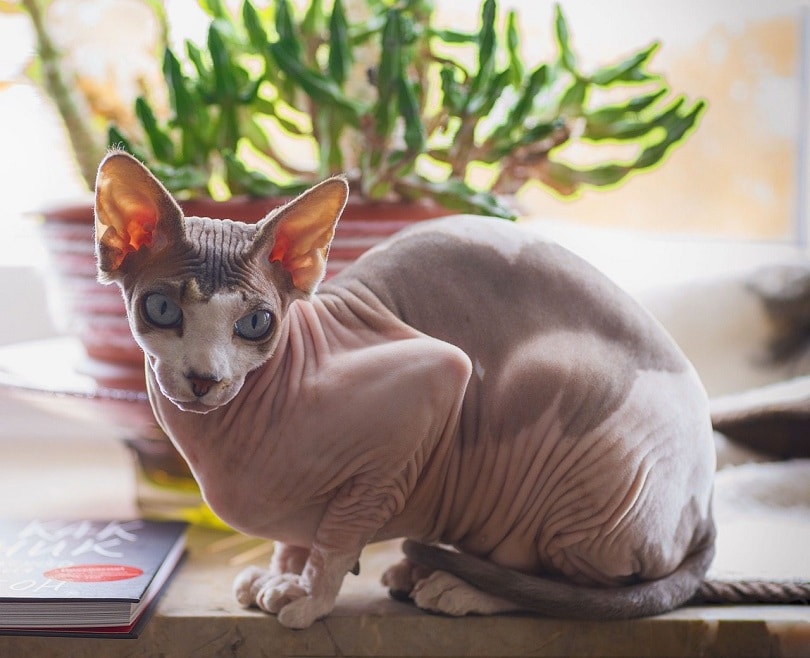
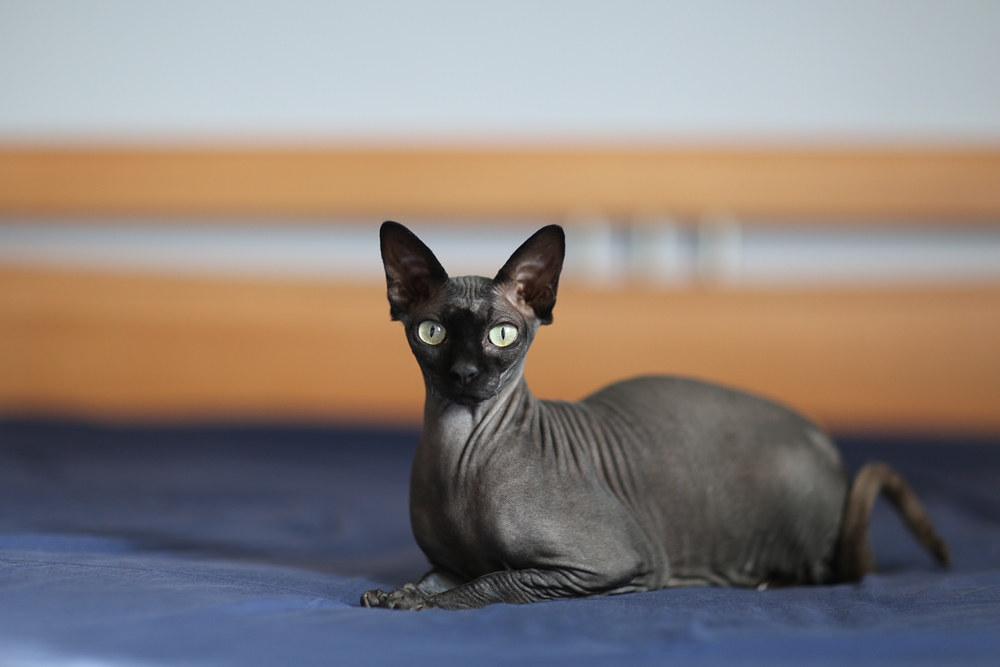
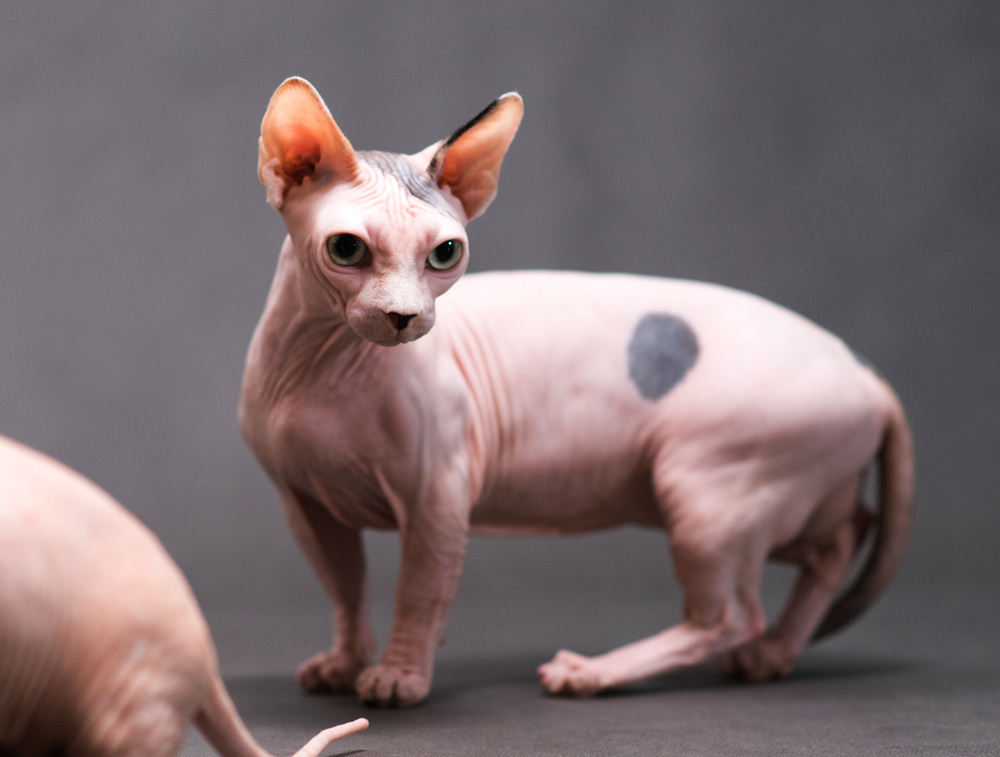
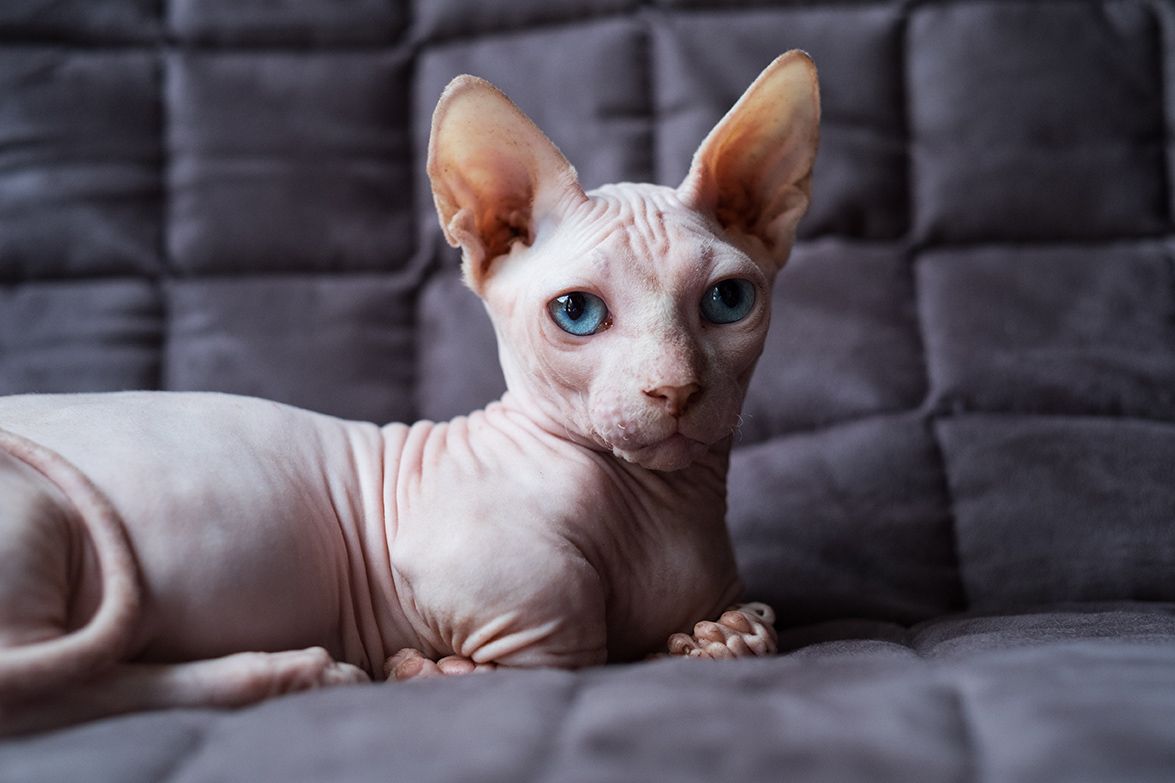
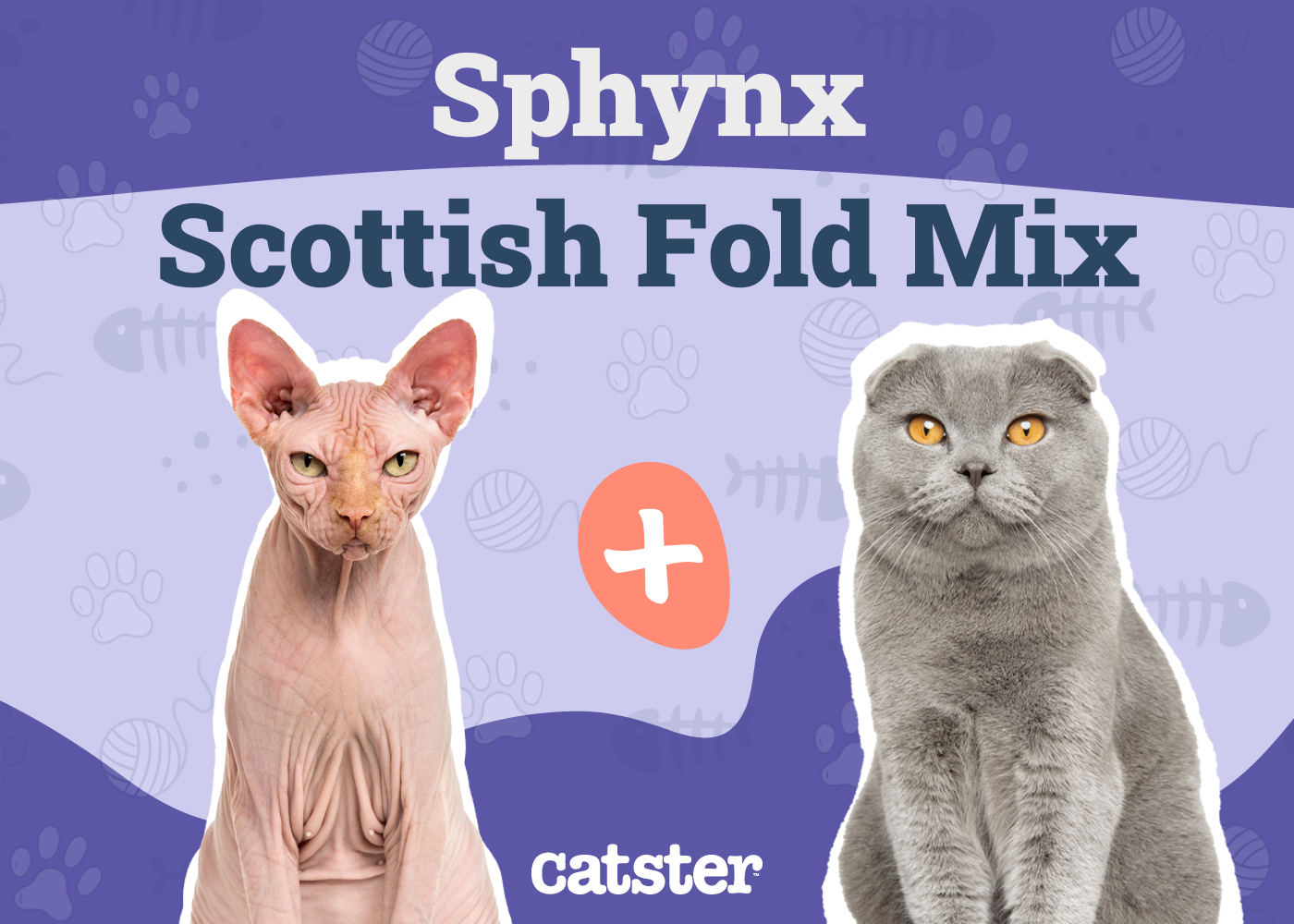
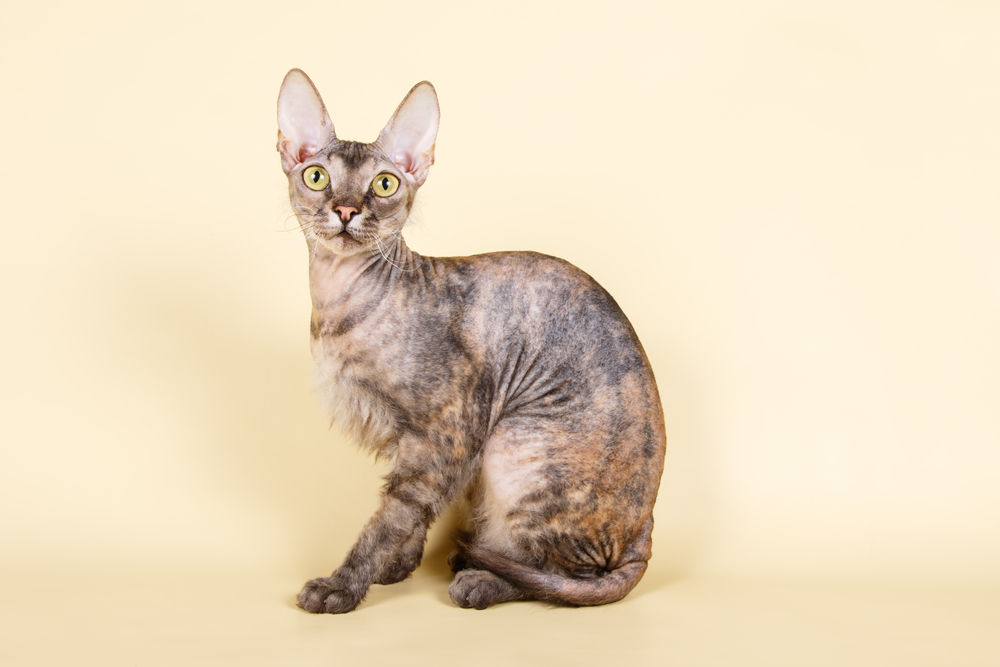
We’ve all heard of the Sphynx, yes? You know, the classic hairless cat that steals the show everywhere they go? But did you know that there is another hairless cat breed that is thought to precede the Sphynx?
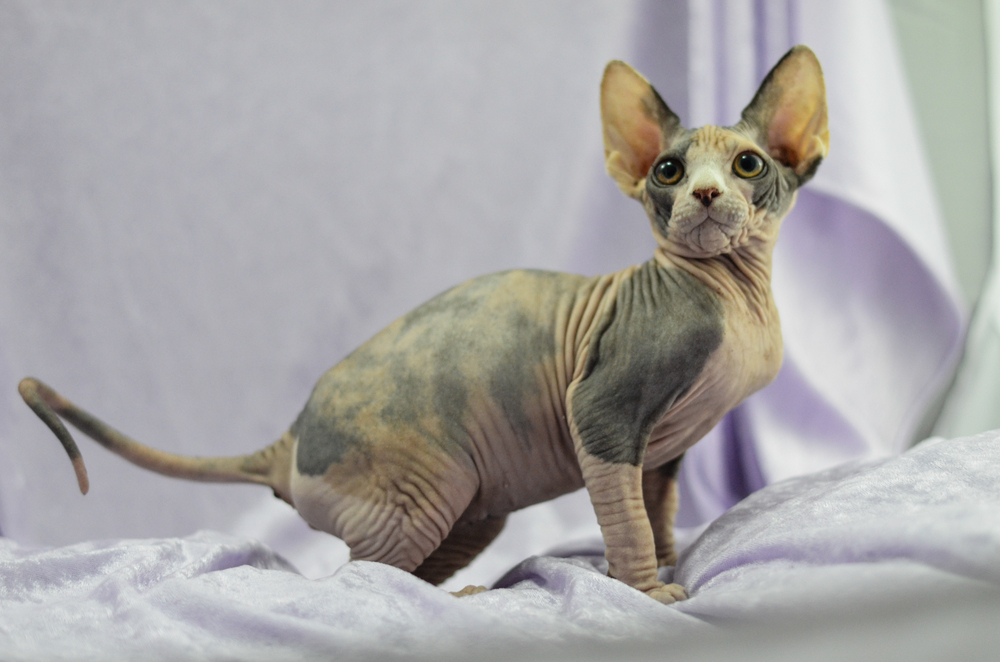
The breed is known as the Mexican Hairless Cat. Although, this cat is actually extinct (if it even existed at all), so note that the height, weight, etc., is just speculation based on similar breeds such as the Sphynx that still exist today.
Breed Overview
Height:
Weight:
Lifespan:
Colors:
Suitable for:
The Mexican Hairless Cat is also known as the Aztec Cat or the New Mexican Hairless Cat. While rumors are flying of possibly revamping of the breed—they are all just whispers in the wind. Here’s what we know and think about the Mexican Hairless Cat in this article.
Mexican Hairless Cat Characteristics

The Earliest Records of Mexican Hairless Cats in History
The Mexican Hairless Cat was first documented in 1902 by Mr. E.J. Shinick, who owned a pair of hairless cats, a male and a female. Mr. Shinick lived in New Mexico, and he supposedly got the cats from local Native Americans of the Pueblo tribe and was told that they were the last remaining ancient cats of the Aztecs.
Although these weren’t the only hairless cats in America at the time, they were well known because of their origins and the mystery surrounding them.
How Mexican Hairless Cats Gained Popularity
The Mexican Hairless Cat gained popularity after word got out that these cats were the last of a hairless Aztec breed. The press got wind of the cats, and since hairless cats were an oddity at the time and the cats didn’t have a pedigree, they quickly became a curiosity among the general public.
They were called Mexican Hairless Cats, New Mexican Hairless Cats, and Aztec Cats due to their mysterious origins. However, it is unclear whether these cats really were the last of an Aztec breed, or if that was a story that was told in order to make them seem more exotic when they were really just the result of a random genetic mutation like other hairless cats.
Unfortunately, Mr. Shinick never bred his two cats, and the cats had both passed by 1908. So, if these really were an Aztec breed, that was the last of them.
However, other hairless cats were born due to a natural genetic mutation, and eventually hairless cats were bred intentionally, with the Sphynx breed originating in 1966 due to selectively breeding a natural-born hairless cat with a domestic shorthair, and then breeding that offspring with other hairless cats to ensure more genetic diversity in the breed. Hairless cats are still super popular today, even if they aren’t Mexican Hairless Cats.
Attempts to Revive the Mexican Hairless Cat
Although there are rumors around the web that people are trying to revitalize the Mexican Hairless cat, no solid evidence has really come up that this was even a distinct breed. Some cat fanciers may have tried to revitalize or recreate the breed, but nothing has been openly successful, and any attempts to revive it are mostly just speculation.
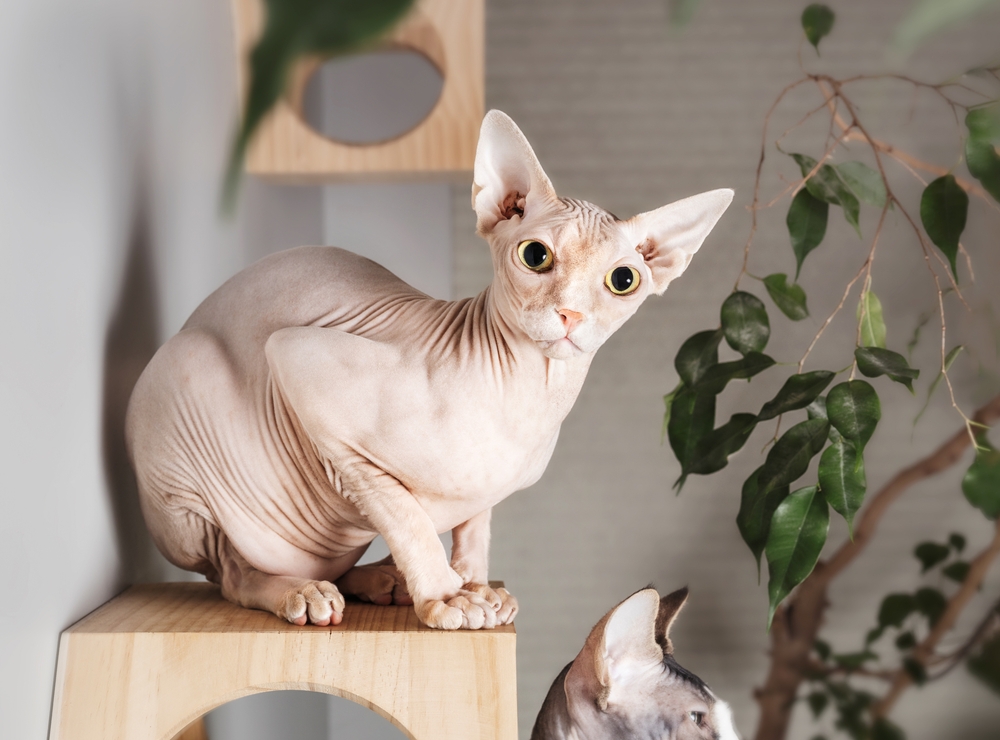
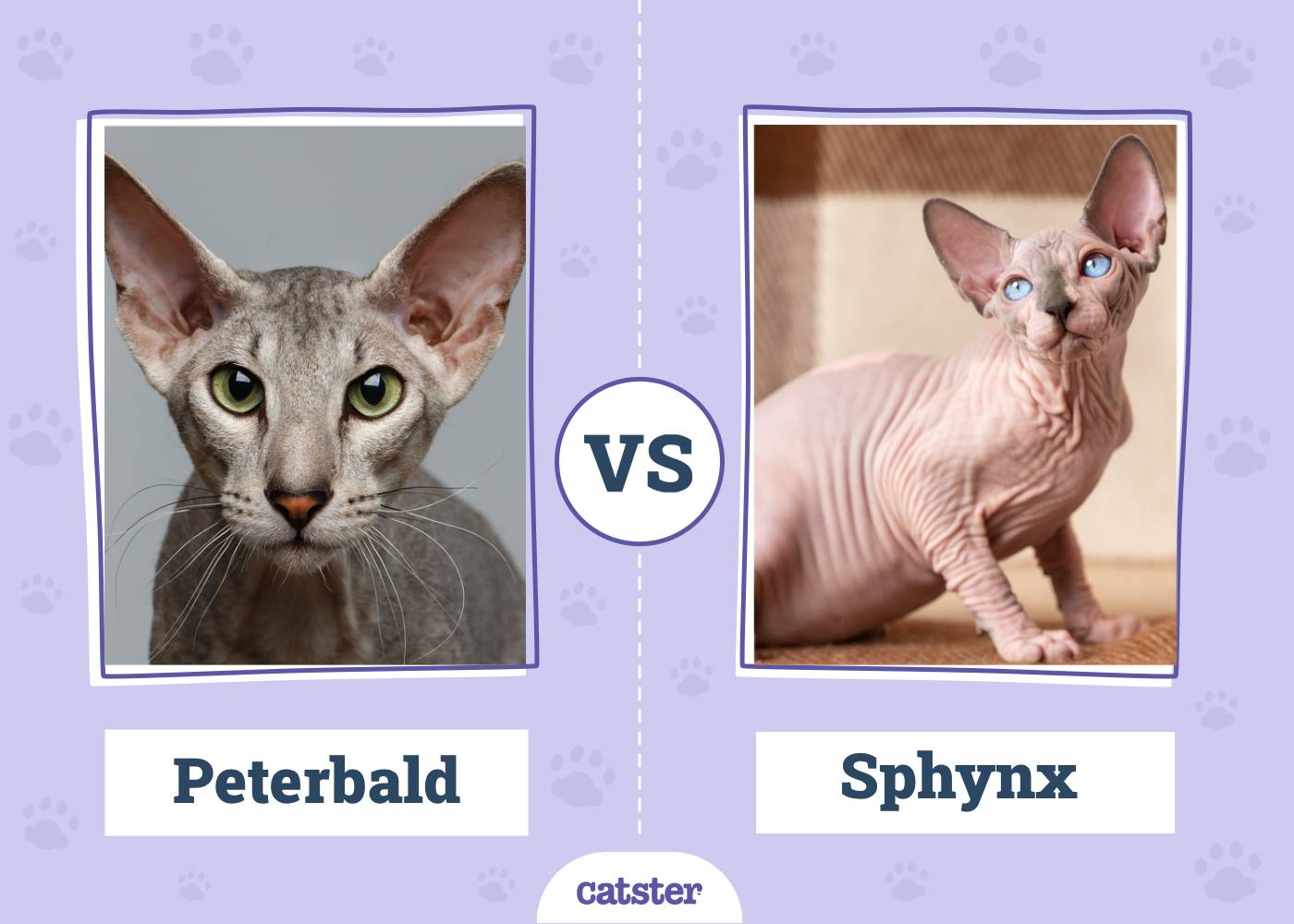
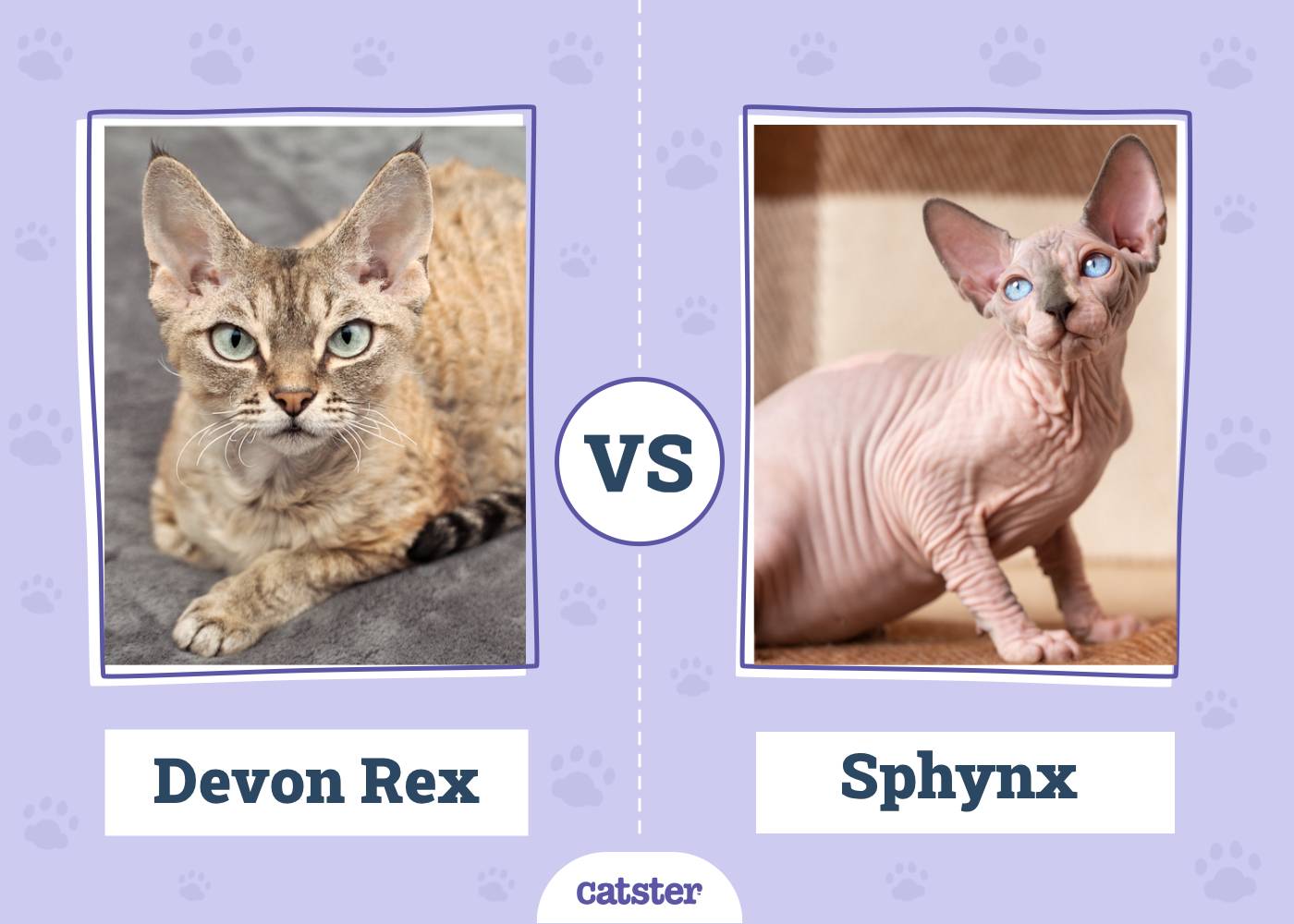
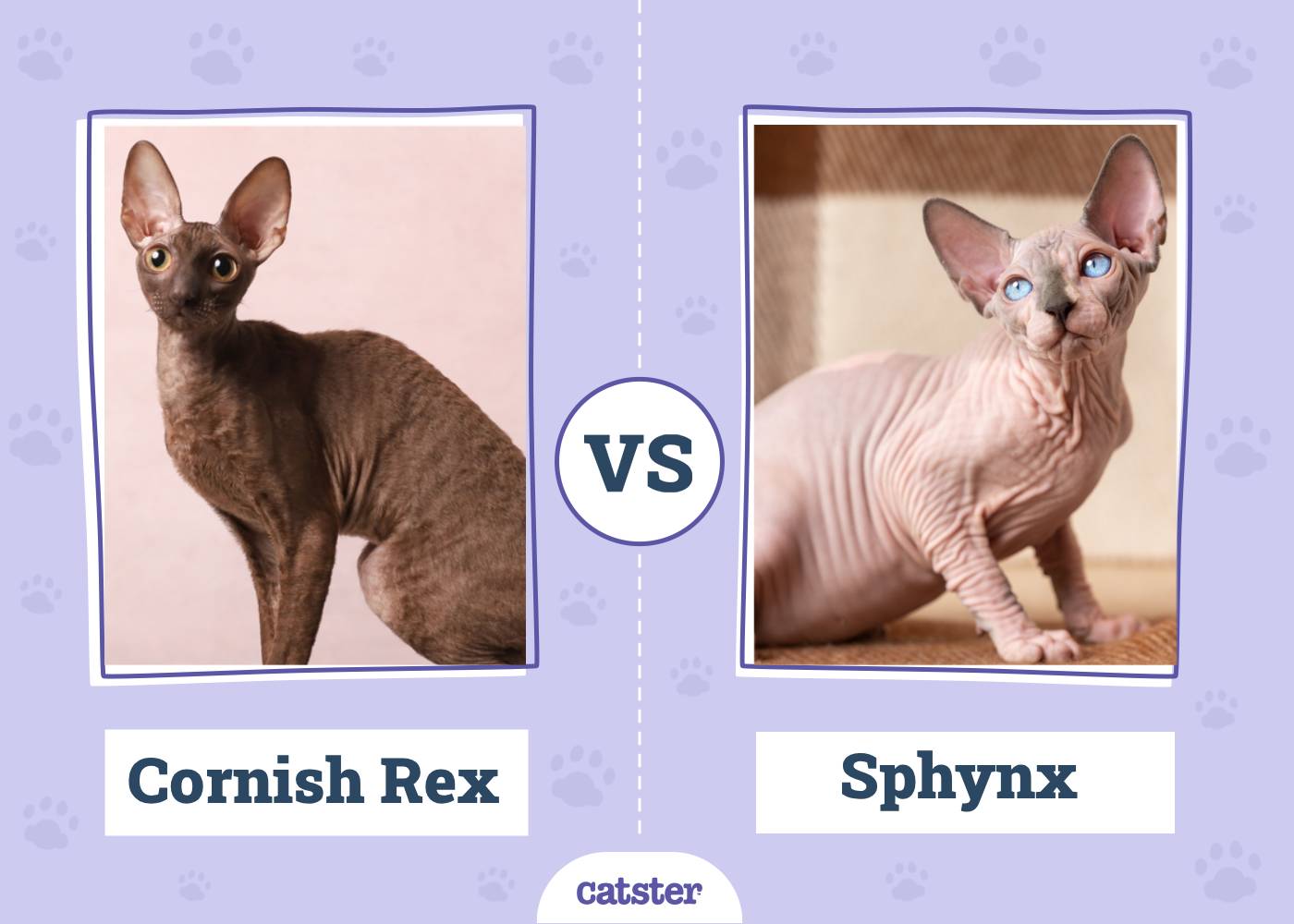
The Mexican Hairless Cat might not be around these days, but they certainly paved the way for the other hairless cuties we know and love. Breeds like the Sphynx, Bambino, and Peterbald allow you to have a similar breed to the Mexican Hairless Cat, and these breeds have been well-researched and genetically tested to ensure that they will be around for a long time.
Top 3 Unique Facts About Hairless Cats
1. They Require Special Skin Care
It makes sense when you think about it, since these cats don’t have a coat of fur to protect them. As such, you have to keep a sweater or some other kind of sun protection on them to prevent sunburn as well as keep their skin wiped down to keep it clean and moisturized. If you’re interested in owning one of these cats, speak to your vet about how to care for their skin, and never use human sunscreen on a cat.
2. Some Actually Have a Thin Coat of Hair
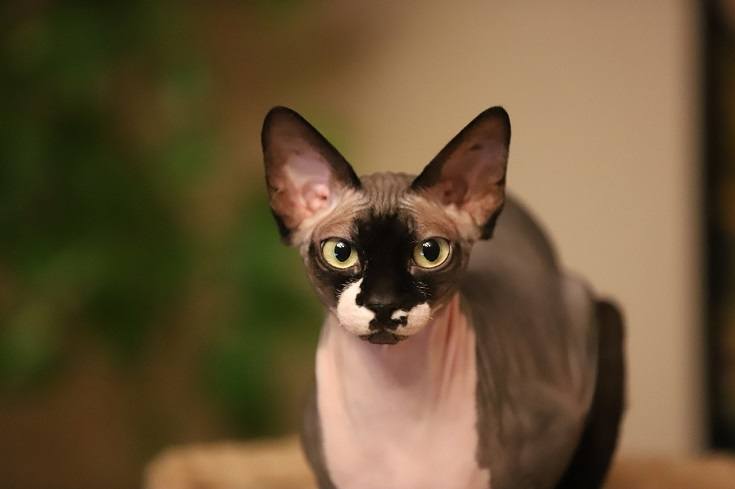
Even though they are called hairless cats, some of them actually have a very thin layer of light-colored hair, or “fuzz.” This layer will often be white or gray in color. But they still require special care for their skin even if they have a thin coat of hair.
3. They Are Not 100% Hypoallergenic
Hairless cats are often marketed as being better for people with allergies due to the fact that they don’t shed. However, cat allergies are due to a protein found in a cat’s dander, saliva, and urine, so a cat can still trigger allergies even if they don’t have fur, and no cat is 100% hypoallergenic. But a hairless cat is still a good choice if you don’t want cat hair everywhere.

Is a Hairless Cat Breed Right for You?
Owning a hairless cat might be very different from the regular felines you’re used to. You might not have ever even met someone who owns a hairless cat, and it’s simply the idea of them that piques your interest. We don’t blame you!
Hairless cats certainly are unique specimens. However, there are two sides to everything and there are downfalls to owning a hairless cat just as there are benefits. Here are some of them now, but we definitely recommend that you read up on different hairless cat breeds before committing to make sure you are well-informed.
Positives of Hairless Cats
Hairless cats are pretty cool, if we do say so ourselves. They have a one of the kind appearance and definitely put a new spin on cat ownership.
Hairless cats tend to be very friendly and outgoing. They make the best candidates for people who have frequent visitors. Inquisitive and eager to learn, most hairless cats are the life of the party. They are real brainiacs capable of learning simple to complex concepts. They can be leash and command trained.
Hairless cats make amazing companion animals to almost any living situation. They get along very well with cats and dogs—as long as they are socialized properly. With mannerly kids, hairless cats also quite enjoy the company and exuberance of children—they love to play!
Downfalls of Hairless Cats
Hairless cats are known for their numerous health issues. A majority of cases involved some type of gastrointestinal upset, as these cats are notoriously sensitive.
If you’ve ever seen the price of hairless cats, you know it’s definitely not a cheap number! These cats are pricey! A Sphynx alone can cost upwards of $6,000 for a healthy bloodline. If you get a specialized cat like the Munchkin Sphynx mix, also known as the Bambino, you might even pay more than that!

Conclusion
Now you understand that the Mexican Hairless Cat is a breed that was thought to stem from ancient Aztec cats. However, the breed simply didn’t survive through the years and is thought to be extinct. Instead, we have other hairless cats today that have totally stolen the show.
Of all the things you learned about hairless cats, what fact was your favorite?
Featured Image Credit: Anthony Aldum, Shutterstock

Expert cat care, straight to your inbox
Vet-reviewed advice, behavior tips, and the best of Catster. Free, and you can unsubscribe anytime.
By signing up, you agree to our Terms & Conditions and Privacy & Cookies Policy.

Catster is a cat magazine and cat website where cat lovers come together and get expert advice about cat behavior, cat health and cat news.
Join the conversation
Ask a question, share your story, or send private feedback.