Why Is My Cat Suddenly Lethargic & Weak? 12 Vet-Verified Reasons


In this article
Cats don't always make it obvious that they aren't feeling well. They are notorious for concealing their symptoms until the health condition has progressed to the point of them being unable to hide it. It's hard to tell that a cat is sick until it becomes very obvious; by then, sometimes, it's too late to do anything to help them.
That's why cat owners need to be aware of possible health conditions and notice when they start acting abnormally. If you notice anything unusual, never be afraid to ask your vet for advice, no matter how minor you think the issue may be. In this article, we look at 12 common reasons your cat might be suddenly lethargic and weak and what you can do to help them. First, we will look at minor reasons for lethargy and weakness. Then, we move on to common but more serious reasons and, finally, the rare severe conditions. Let's get started.

What Is Lethargy?
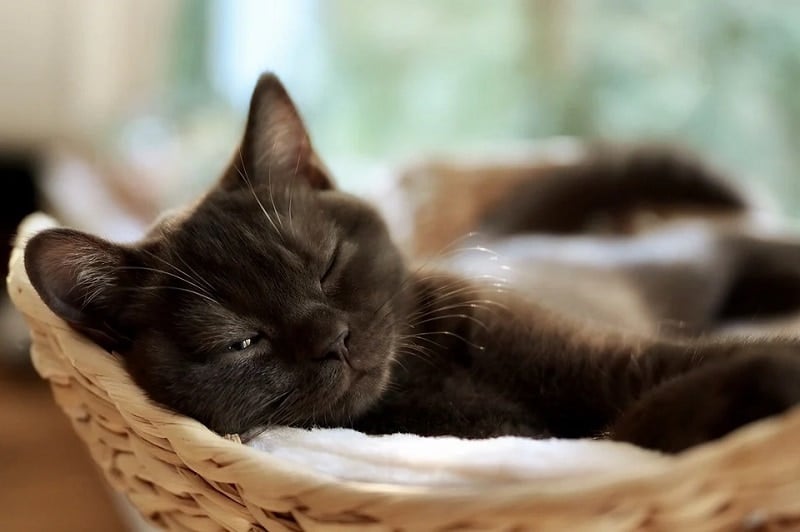
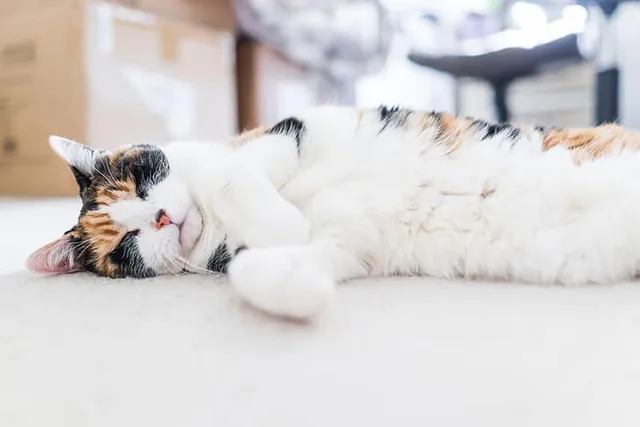
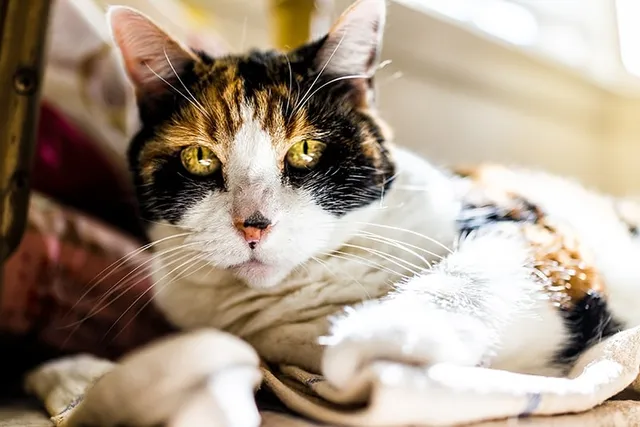
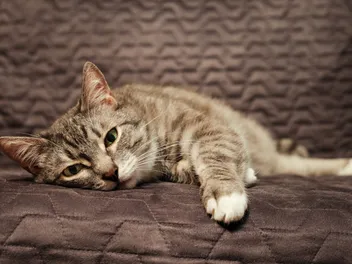
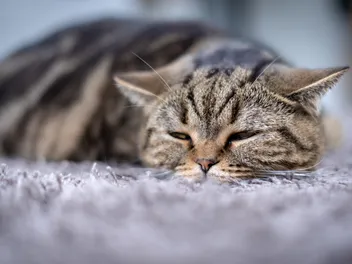
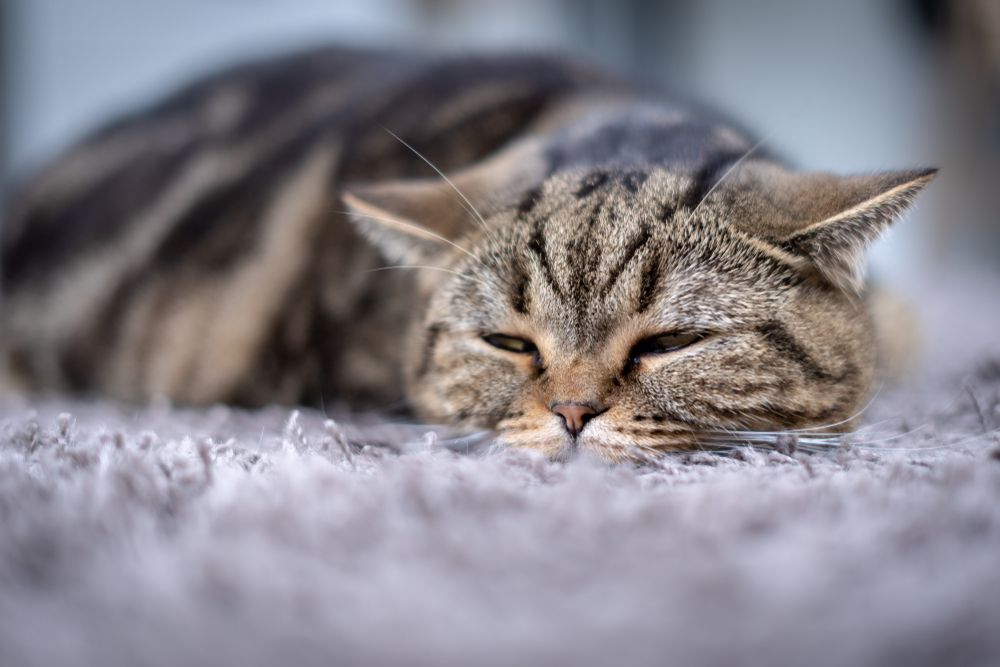
Lethargy is defined as a "pathological state of sleepiness or deep unresponsiveness". It's a common sign that something is wrong with your cat. Symptoms of lethargy include playing less, hiding, avoiding human contact or company, grooming less, sleeping more than usual, and not eating. There are many causes of lethargy, but when combined with weakness and other symptoms, the cause is likely a medical issue.
It's hard to tell lethargy apart from a cat's normal sleeping schedule. Cats sleep most of the day away and are usually active at night. The difference between lethargy and regular sleeping is that the cat will not have periods of regular activity when they are lethargic, and they will also exhibit other symptoms that indicate that something is wrong.

The 12 Reasons for Sudden Lethargy and Weakness in Cats
There are a few causes of lethargy that are separated by severity. Read along while we explain each below:
The 3 Common Minor Reasons for Lethargy and Weakness
1. Parasitic Infection
If there is a parasitic worm infection, this may cause your cat to suddenly be lethargic and weak. The worms infect the intestinal tracts of cats and prevent them from getting the nutrients they need from their food. A lethargic kitten is commonly due to worm infestations because parasites can be spread through a mother cat's milk. If your cat seems excessively hungry despite eating everything that you give them or loses their appetite altogether, they may have worms. Other signs of internal parasites include vomiting and diarrhea. You may or may not see worms in their vomit or stools.

2. Bacterial Infections
A bacterial infection is another common reason for your cat to suddenly feel lethargic and weak. Common viruses like feline upper respiratory infections are similar to common colds in people. While the cat's body tries to fight off the illness, they can become weak, exhausted, and lethargic. Signs of a bacterial infection are labored breathing even at rest, sneezing, coughing, and discharge from the nose or eyes.
3. Arthritis and Obesity
Arthritis and obesity don't necessarily go hand in hand, but if your cat has arthritis, obesity can make the condition worse. Arthritis is a degenerative joint disease often occurring in overweight or elderly cats. It can be painful for cats to move with arthritis alone, and if they are obese, extra pressure is put on their joints that causes even more pain. This pain can discourage cats from moving, so they become lethargic. Signs of arthritis include difficulty walking or moving, walking stiffly, or swollen joints. When cats exercise less and become more lethargic, they can gain even more weight, contributing to a dangerous cycle.

The 5 Common Serious Reasons for Lethargy and Weakness
4. Viral Infection
Lethargy and weakness can be caused by viral infections like feline immunodeficiency virus (FIV) or feline leukemia virus (FeLV). These are serious conditions with no cure. If your cat has been diagnosed with one of these infections, it may worsen the more lethargic your cat becomes. Many cats can live healthy, active, normal lives with these diseases, and some cats never experience any side effects. It's important to keep your cat as healthy as possible if they test positive for these infections.
If you are concerned about the health and well-being of your pet, we recommend getting in touch with a vet for guidance.
5. Heartworm
Heartworm is a parasitic infection but much more serious than intestinal worms. These worms can infect the lungs, heart, and surrounding tissues. Heartworm is more common in dogs than cats, but cats are still at risk. The infection is caused by a mosquito infected with heartworm larvae biting an animal and releasing the larvae into the bloodstream. The worms become adults and settle into the cat's heart and lungs. Signs include lethargy, weakness, vomiting, diarrhea, trouble breathing, gagging, coughing, and weight loss. There is a cure and treatment plan for dogs with heartworm, but there is no cure for heartworm in cats. This is why it's important for all cats, especially outdoor cats, to be on heartworm prevention medication year-round. Speak to your vet about which medication is right for your cat. Indoor cats are less at risk for heartworm infections, but it just takes one infected mosquito getting into the house and biting your cat for them to get it.

6. Anemia
Anemia is when your cat doesn't have enough red blood cells in their body to carry oxygen where it's needed. This is a serious condition that can be potentially fatal if it's not treated. Lack of oxygen in the body means the cat's muscles are tired easily, and the cat feels weak. They can be lethargic and have pale pink or white gums and tongues. A blood transfusion may be necessary if the condition is serious enough. Anemia can be caused by many things, and your vet will have to determine why so the condition can be properly treated. Disease, tumors, blood loss from injuries, and severe infections from fleas or ticks can cause anemia.
7. Diabetes
Diabetes occurs in cats when their body cannot regulate their blood sugar. They don't produce enough insulin to balance their glucose levels. This condition can lead to depression and loss of motor function, which can be exhibited through lethargy and weakness. Signs of diabetes include increased urination, thirst, and a ravenous appetite. Obese cats are more at risk, but any cat can develop this condition. Diabetes can usually be controlled with medications, including insulin, and a regulated diet.

8. Urinary Tract Infection
A urinary tract infection in cats means they are having trouble urinating due to a bacterial infection that has spread from the urethra into the bladder. This is a painful condition that can make cats only pee a bit at a time. This pain can also cause them to become lethargic. You may notice other signs, like frequent trips to the litter box, urinating outside the litter box, straining or howling when they try to pee, or traces of blood in their urine. These infections can usually be treated with antibiotics from your veterinarian. In some cases, a diet change is also helpful.
The 4 Rare Severe Reasons for Lethargy and Weakness
9. Depression
Cats can become depressed. Usually, this involves a major change to their routine. Being rehomed, changing residences, losing a family member or another family pet, or experiencing a change in their physical health or daily schedule (if you are suddenly spending long hours away from home, for example) can all lead to a cat developing depression. Lethargy is a sign of this. Other signs include decreased appetite, lack of interest in playing or being around the family, lack of grooming, and increased vocalizations. A few of these signs mimic those of a health problem, so it's important to monitor your cat and take notice of any changes in their behavior.
Spending more quality time with your cat, changing up their food and treats, introducing them to new toys, using pheromones, and talking to your vet about medication can help cheer up a cat that's feeling depressed.
Those caring for anxious cats understand the struggles and discomfort that their companions feel on a daily basis. The innovative bowl shape of the Hepper Nest Bed provides nervous pets with support and its high sides offer a sense of security, diminishing stress and worry. To learn about how to the Hepper Nest can provide solace to your cat, click here.

- COMFY KITTY - Your cat or kitten will have an amazingly deep sleep in this self warming, nesting cat bed. The warm, fluffy cat bed lining provides calming stress relief for cats of all ages.
- PRETTY HOME - This round cat bed has a modern and unique design that’s perfect for a sleek indoor look. We don’t think of it as cat furniture but think of the Cat Nest as a “cat home”.
- SPACE SAVER - Reclaim your desk, window sill, or couch from kitten encroachment. This calming nest cat bed has an elevated, space-saving hideout so comfortable your kitty can't resist!
At Catster, we’ve admired Hepper for many years and decided to take a controlling ownership interest so that we could benefit from the outstanding designs of this cool cat company!
10. Heart Disease
Heart disease may go undetected in the early stages. As the condition worsens, a cat can feel weak and become lethargic as the heart works harder to pump blood throughout the body. Heart disease can occur as a result of a genetic condition, advanced age, or other diseases present in the body. Lethargy is the most common and typically the first sign of heart disease. Other signs include difficulty breathing, inability to exercise, chronic coughing, elevated heart rate, fainting, and paralysis of the hindquarters.

11. Poisoning
When cats are exposed to toxins, they can become ill. Accidental ingestion of toxins such as lilies, household cleaners, human medications or supplements, and antifreeze can be fatal for cats. Toxin exposure can poison cats and make them feel sick. The severity of the illness depends on what they consumed or ingested and how much of it got into their system. Any poisoning can make cats feel ill, causing lethargy and weakness. Other signs include vomiting, diarrhea, breathing difficulties, and seizures.
12. Organ Failure
Kidney or liver failure can cause lethargy in cats. Other symptoms include appetite loss, vomiting, weight loss, weakness, and depression. Jaundice can appear in cats with liver failure. Cats won't want to move because of pain and weakness and will seem listless. Sometimes, nausea is associated with organ failure, as toxins build up in the blood. The worse your cat feels, the less they'll want to move.
If your cat shows signs of the symptoms above or you suspect they might be suffering from underlying health issues, you should contact your vet.
When to Be Concerned
You're right to be concerned whenever your cat is lethargic or weak. Lethargy goes beyond regular cat naps and can be a sign of something seriously wrong. If it’s only for a day that your cat is lethargic but still eating and drinking before going back to their regular activity, there's likely nothing to worry about.
When other side effects accompany the lethargy, you should always contact your vet or take your cat to see them. These signs often include:
- Drooling
- Weakness
- Refusing to eat anything
- Not drinking water
- Hiding
- Fever
- Refusing to play or be social
- Discharge from eyes or nose
- Vomiting or diarrhea
- Coughing
- Difficulty breathing
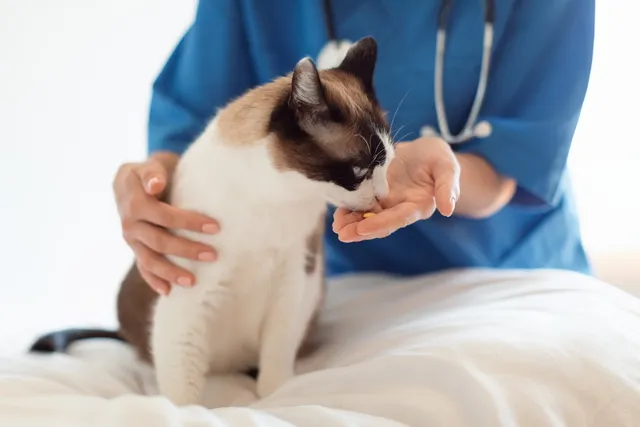
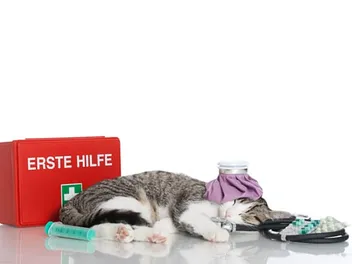
Your vet will give your cat a complete examination and run any tests that they feel are necessary. These can be urine, fecal blots or a combination. They are looking for any signs that indicate illness, like blood counts, glucose levels, and organ function. X-rays and ultrasounds may also be recommended so your vet can closely observe your cat's body and look for any abnormalities. Tests for heartworm, FIV, and FeLV may also be done.
If your cat is lethargic the treatment plan will depend on the reasons that it's happening. Some cats can return to normal after certain medications are administered have surgery to repair any damage to their body, or receive a diet change. Since so many things can cause lethargy, it's important to get your cat to the vet as soon as you notice a problem so the treatment can start as soon as possible. Early detection is your cat's best chance at a complete recovery.
Conclusion
Cat suddenly acting weak and lethargic can be scary for their owners to witness. Not knowing what the problem is can also be frustrating. We hope you've learned helpful information in this article about what to look for regarding cat health problems and the signs they might develop. If you notice anything abnormal about your cat's behavior, take them to the vet. Even if they end up being perfectly fine, it's better to be on the safe side. Detecting health issues when they first begin is extremely important. You'll be able to get your cat the treatment that they need quickly, increasing their chances of a complete recovery.
Sources
https://www.propertiesanimalclinic.com/blog/my-cat-is-lethargic-whats-causing-it
https://vcahospitals.com/know-your-pet/feline-upper-respiratory-infection
https://vcahospitals.com/know-your-pet/feline-immunodeficiency-virus-infection
https://vcahospitals.com/know-your-pet/heartworm-disease-in-cats
https://pets.webmd.com/cats/guide/feline-diabetes-symptoms-treatments-prevention-diet
https://bluepearlvet.com/medical-articles-for-pet-owners/hepatic-lipidosis-in-cats/
https://www.dunnellonanimalhospital.com/site/blog/2021/10/30/cat-poisoned
Featured Image Credit: one photo, Shutterstock
Expert cat care, straight to your inbox
News, insights, and useful advice, delivered to you.

No spam — unsubscribe anytime.
By signing up, you agree to our Terms & Conditions and Privacy & Cookies Policy.
How useful was this post?
Click a star to rate. You can leave written feedback afterwards. (We read all feedback.)
Jessica is a lifelong resident of Chicago who has shared her home with furry, feathered, and scaly pets for over 30 years. Animal enthusiast since childhood Jessica owned and operated a pet care company. Nowadays, Jessica is a full-time writer who loves to explore all animal topics while contemplating the birds and squirrels enjoying the oasis of her backyard.