13 Vet-Verified Signs You Need to Take Your Cat to the Vet Right Away


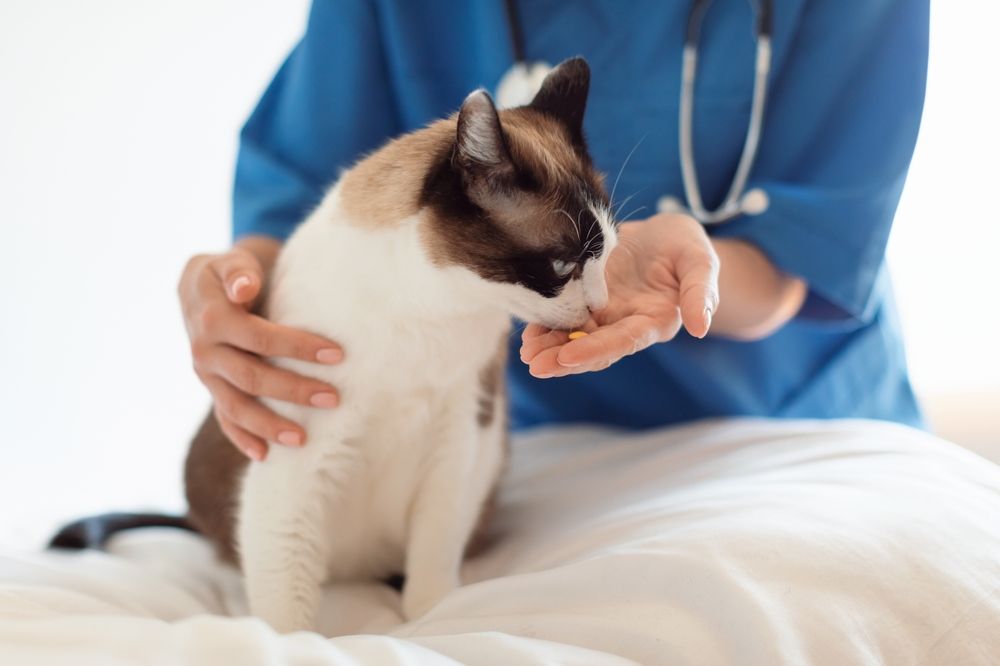
Cats are experts at hiding illnesses, a trait they’ve inherited from their wild ancestors because an unwell wild cat would often become a quick and easy target for predators. Your cat may not have to worry about predators picking them off if they feel unwell, but this evolutionary holdover remains. If you think something is off with your pet, you’re probably wondering whether you need to take them to the vet.
Read on to find 13 signs your cat needs to see the vet sooner rather than later.

The 13 Signs You Need to Take Your Cat to the Vet:
1. Abnormal Litter Box Behavior
Any changes in litter box habits, particularly in male cats, should be evaluated by a veterinary team as soon as possible. Neutered males are prone to urinary blockages due to their narrow urethras. Such obstructions can prevent the passage of urine and may prove fatal without prompt treatment.
Additionally, things such as an inflammation of the urinary tract can make peeing painful, leading to abnormal toileting behaviors like urinating outside of the box.
Abnormal litter box behaviors can also look like:
- Running back and forth to the box
- Producing little or no urine
- Crying while urinating
- Frequent genital licking

2. Repeat Vomiting
Occasionally, vomiting up a meal or a fur ball is normal, but repeated episodes can indicate a more serious problem. If your cat is vomiting frequently for more than a day or two, or they are not themselves, it’s important to contact your vet for advice sooner rather than later.
Persistent vomiting can lead to dehydration, opening up a whole other can of worms. Additionally, if you’ve noticed your cat is vomiting often, lethargic and no longer eating, drinking, or using their litter box, you should treat it as a medical emergency.
3. Weight Loss or Gain
Sudden or sustained weight loss or gain can indicate a problem. While a human’s weight can shift a few pounds here and there, it’s not normal for cats to do the same, especially considering they only weigh ten or so pounds in the first place. A cat that gains weight rapidly for no apparent reason may be obese due to excessive food intake and lack of activity, or they can have a condition that leads to an enlarged abdomen. Many conditions can cause an enlarged abdomen including pregnancy, a build-up of abdominal fluid, and abdominal tumors. Those who lose weight suddenly may be suffering from a variety of health conditions that run the gamut from hyperthyroidism to cancer.

4. Lumps or Growths
A lump can be perfectly harmless, but until it’s been evaluated by your veterinary team, it’s impossible to know for sure. Even benign growths can develop in areas that make them extremely uncomfortable for your kitty.
5. Trauma
If your cat’s been struck by a car or been involved in a tangle with the neighborhood tom cat, you must take them to the vet for an evaluation. Remember that cats can hide signs of illness until it’s impossible for them to conceal their pain, so even if your kitty seems fine, they may have internal injuries or wounds hiding underneath their coat.

6. Changes in Eating or Drinking Habits
Never ignore any changes to your cat’s drinking or eating habits.
While the occasional upset tummy is normal and may cause your kitty to turn up their nose at their favorite foods, it’s a serious cause for concern if your pet goes longer than 24 hours without food. Doing so can cause a dangerous condition known as hepatic lipidosis, which can lead to liver failure much quicker than you may expect.
If your cat’s appetite appears to have increased suddenly, it could be something as simple as boredom or as serious as diabetes.
Dehydration is a major concern if your cat isn’t drinking the water they need. This can get serious quickly and may even be fatal. Signs of dehydration include sunken eyes, persistent vomiting, dry gums, and increased skin tenting.
On the flip side, if your cat is drinking more than usual, they may be suffering from several conditions, such as kidney dysfunction or diabetes mellitus.
If you’re worried about how much (or little) your kitty drinks, try monitoring their intake for 24 hours. Fill their bowl to the brim and measure the leftover water at the end of the 24 hours.
7. Changes to Breathing Pattern
Changes to your pet’s respiratory system sounds or operates, such as coughing, open mouth breathing or changes in how quickly they’re breathing, should be taken seriously. Respiratory problems can indicate several issues, from minor to severe, such as an asthma attack or anaphylactic shock.

8. Marked Increases in Vocalization
If your cat is typically quiet as a mouse has suddenly turned into a chatterbox, they may be trying to communicate with you that something is wrong. Increased vocalizations can mean several different things, so it’s best to have them evaluated to rule out anything serious. It could be that they’re in pain or stressed. A marked increase in meowing can also indicate heat if your female cat isn’t spayed or feline dementia if they’re geriatric.
9. Changes to Grooming Habits
Has your usually fastidious kitty suddenly stopped caring for their coat? Are they excessively licking a specific spot on their fur? Cats sometimes stop grooming or they may overgroom if they’re in pain. Referred pain happens when a cat feels pain at a location different from the site of the painful stimulus and is a common cause of over-grooming in a specific area.

10. Changes in Activity
Even the most active humans won’t hit the gym or go for their daily walk if they are under the weather. The same applies to our cats. If your cat usually gets two or three sessions of zoomies daily but is suddenly lethargic and uninterested in play, they may feel unwell or in pain.
Refusing to jump onto surfaces or climb stairs is another sign it’s time to go to the vet. Injuries and joint pain can prevent cats from participating in activities they love.
11. Physical Appearance Changes
Noticing changes in your cat’s physical appearance can indicate it’s time to go to the vet. This can include things such as:
- Cloudiness or redness of the eyes
- Squinting or excessive blinking
- Dry or cracked nose
- Excessive ear scratching
- Discharge from the eyes, nose, or ears
- Sitting in a hunched position
- Not lifting the head properly
- Carrying the tail differently than usual

12. Limb Changes
If your cat is suddenly limping or dragging their back legs, it’s important to get to the vet as soon as possible. Aortic thromboembolism is a complication that can arise from heart disease. It results from a dislodged blood clot that travels within the aorta to somewhere else in the body. Sudden paralysis is one of the main signs of this condition, though your kitty may also be showing signs of weakness and lameness.
13. Pale Gums
A cat’s gums are usually a shade of light pink, so if you notice that your kitty’s are suddenly white or pale, you should see a vet. There are several causes for pale gums, all of which you shouldn’t treat as a “wait and see.” Anemia, shock, heart and kidney disease, and blood loss are common reasons for pale gums in cats, though they can be caused by other less-concerning things such as stress or mild dehydration.

Final Thoughts
Cats are excellent at hiding signs of illness until it’s too late, so you must stay on top of your kitty’s health as much as possible. Pay close attention to their moods and behaviors so it’s easier to tell when something is off with them. And most importantly, don’t forget to take your kitty for an annual wellness exam with your veterinarian. Doing so can catch problems before they start and give your vet a baseline so they know what is and isn’t normal for your pet.
Sources
Featured Image Credit: Prostock-studio, Shutterstock
Expert cat care, straight to your inbox
News, insights, and useful advice, delivered to you.

No spam — unsubscribe anytime.
By signing up, you agree to our Terms & Conditions and Privacy & Cookies Policy.
How useful was this post?
Click a star to rate. You can leave written feedback afterwards. (We read all feedback.)
For Chantelle, writing and animals are the two driving forces in her life. Growing up on the Canadian prairies surrounded by pets, she now shares her home with five cats, two guinea pigs, and a bearded dragon. Chantelle, her husband, and their child pride themselves on being dedicated pet parent, even spending a fortune on wall-mounted cat shelves to provide their cats with an indoor jungle gym. When she's not snuggling with her cats or photographing their humorous moments, Chantelle is exploring the Rocky Mountains, rewatching her favorite Netflix series, and reading up on various random subjects.