Traveling With Kittens: 9 Vet-Approved Tips


Getting ready to hit the road with kittens in tow requires planning, but traveling safely, happily, and comfortably with baby cats is possible. While many things required to travel safely and efficiently depend largely on how you plan to travel, some basic considerations apply whether you plan to drive or fly. Keep reading to learn more about tips for traveling with kittens.

The 9 Tips for Traveling With Kittens
1. Update the Kittens' Microchip Information
While owners make it from one place to another with kittens without incident all the time, it's always a good idea to be prepared just in case one of your babies gets out and ends up lost.
Lost pets that are microchipped get returned at higher rates than those without the technology, and the devices make it easy for shelter workers and veterinarians to reunite kittens and their pet parents.
Kittens can be microchipped when they're pretty young, so consider checking with a veterinarian to see if your pet is old enough to have one of the devices implanted and, if so, to have one placed before you hit the road.
If you're planning on traveling with an older kitten with a microchip, update your contact information with the registry before leaving to ensure you can be contacted if they escape.
2. Pick the Right Carrier

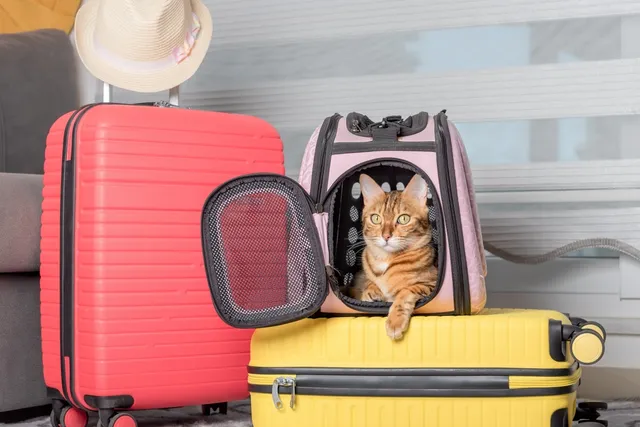
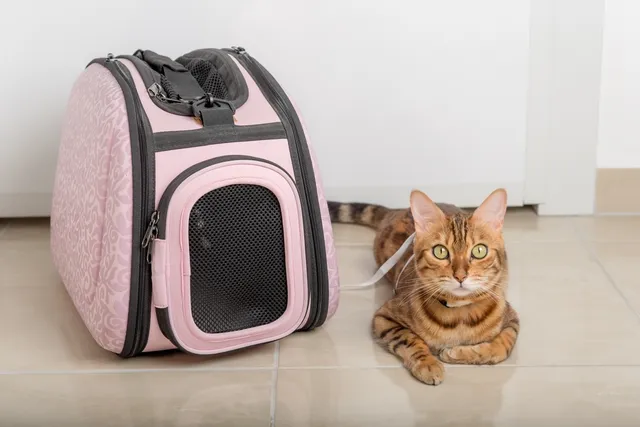
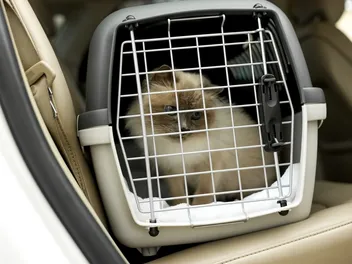
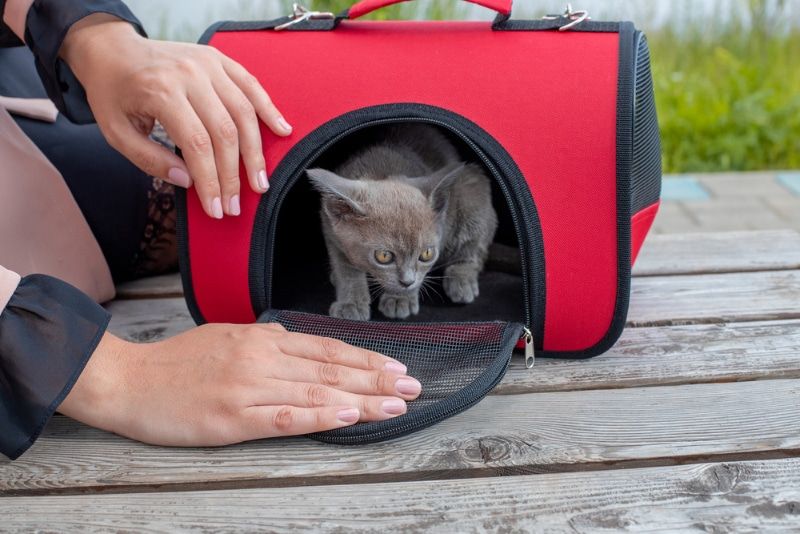
Several types of carriers are available for transporting cats and kittens, including models approved for air travel and ones that keep cats comfortable and safe during long road trips.
All carriers should have good ventilation, but products that are approved for use on airplanes must meet specific safety requirements. Most airlines have regulations for the carrier’s ventilation, the amount of space cats are required to have, and how much carriers (including the kittens) weigh, so double-check to ensure you're clear on the rules and regulations well ahead of time.
If you're traveling by car, you have more flexibility regarding the carrier’s size, but kittens need to stay in their carriers while riding in vehicles to ensure they don't cause chaos with their antics. Carriers that can be secured using seat belts can keep cats safe in the event of an accident.
3. Give the Kittens Time to Adjust to Their Carrier
Whether you're planning on traveling by train, plane, or car, your kittens will likely spend several hours in a carrier, so plan to give them time to get used to their travel accommodations.
Carriers can be reasonably comfortable for cats to hang out in since they enjoy snoozing in enclosed spaces that feel nice and cozy. Cats and kittens are more enthusiastic about accepting carriers if they have plenty of time to sniff and explore them on their terms.
Adding a soft blanket to the bottom of carriers can make the experience pleasant for kittens, but don't forget to add an absorbent pad just in case your babies need to use the bathroom en route.
4. Find Comfortable Kitten-Sized Harnesses

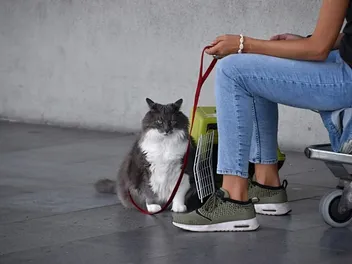
Kittens should wear a harness when on the road to prevent escapes and other stressful events. Having your kittens harnessed can make it easier when flying since they generally need to be taken out of their carriers when passing through airport security so their carriers can be x-rayed.
Keep in mind that kittens are required to stay inside their carriers during flights, and they need to be comfortable wearing their harnesses for extended periods. Harnesses and leashes are just as important if you're planning on driving with your cat.
They can make it easier to interact with your kittens safely while traveling if they need a cuddle, bathroom break, or a bit of time outside of the carrier.
5. Let the Kittens Get Used to Wearing Their Harnesses
You'll need to measure the kittens' necks and torsos to find harnesses that fit. Once you make a selection, leave the harnesses out so your kittens have time to smell and become used to the products.
Start slowly and give your kittens time to adjust to wearing their harnesses; treats often help seal the deal. Getting your kittens adjusted to using harnesses and carriers will help them handle them better as adults.
6. Allow Plenty of Time to Make Plans

Leave enough time to make plenty of inquiries if you plan on flying with your cat or staying overnight in a hotel during your trip. Airlines have limited seats reserved for pets, and booking a flight early gives you a better chance of securing a seat for your pet. Also, hotels have restrictions regarding the number and age of pets, and some do not allow cats.
If you plan to fly with your cat, reach out to the airline you're considering booking with to ensure you understand all the rules and regulations regarding carriers and weight limits before purchasing your ticket.
If you're interested in staying with your cats in a hotel, contact the place ahead of time to make sure kittens are welcome. While some hotels provide food bowls and litter boxes, we do not recommend using these for your kitten because their immune system is still developing. It is best to use their own items, so find a portable litter box, and allow your kitten to get used to it before you leave.
7. Don't Forget Cleaning Supplies
Whether flying, driving, or taking the train with your kittens, pack cleaning supplies you can easily get hold of if one of your pets has an accident or gets sick. Don't forget to add more than one plastic bag so you will have enough on hand if the kittens make more than one unexpected trip to the bathroom.
8. Make Sure to Pack Food

The last thing that you want is to be in a situation where your kitten’s regular food is not available at your destination. Your cat is already undergoing many changes, and staying consistent with their food is essential.
9. Bring Entertainment
Remember that play is important for your kitten, so do not forget to pack some toys to keep them engaged and entertained during the adventure. A plush toy can help keep your kitten company while inside their carrier, and having the opportunity to play a bit during the trip breaks can make the trip more enjoyable for both of you.

Conclusion
With planning, it's possible to relax and enjoy exploring the world with kittens along for the ride. Give yourself time to plan and gather the information you need to make good choices for your kittens while away from home.
While hitting the road by car is a different experience than traveling by air, there are a few things you’ll need to take care of regardless of whether you plan to drive or fly, such as making sure your kittens' microchip information is correct and up to date and selecting a carrier that's comfortable for your kittens.
Related Read: Does Amtrak Allow Cats? Train Pet Policy & Safety Tips
Sources
Featured Image Credit: Stanislaw Mikulski, Shutterstock
Expert cat care, straight to your inbox
News, insights, and useful advice, delivered to you.

No spam — unsubscribe anytime.
By signing up, you agree to our Terms & Conditions and Privacy & Cookies Policy.
How useful was this post?
Click a star to rate. You can leave written feedback afterwards. (We read all feedback.)
Lorre Luther is a writer who is firmly convinced that cats are smarter than humans. She left her law career in the United States and moved to the Netherlands to follow her dream of becoming a writer. Lorre currently lives in Rotterdam, she enjoys traveling and greatly appreciates the beauty of nature. Lorre has a spot for animals and admires the intelligence of cats.