Get

In Your Inbox

Catster is reader-supported. When you buy via links on our site, we may earn an affiliate commission at no cost to you. Learn more.

The 10 Common Causes of Sudden Death in Cats (And Which Ones Are Preventable)

Share

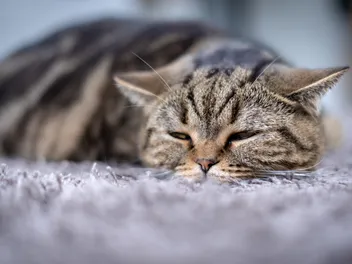
sick cat lying on blanket

Most cat owners don’t think much about heart disease, internal hemorrhage, or viral infections until they’re staring at an empty bed. Sudden death in cats is one of those topics that feels too heavy to think about proactively, but understanding the real causes is one of the most useful things you can do for a cat in your care. Some of these conditions are largely preventable. Others aren’t, but they come with warning signs that are easy to miss if you don’t know what you’re looking for.

Keep reading for the 10 most common reasons cats die suddenly, according to veterinary research.

divider cats oct 2024

The 10 Common Causes of Sudden Death in Cats

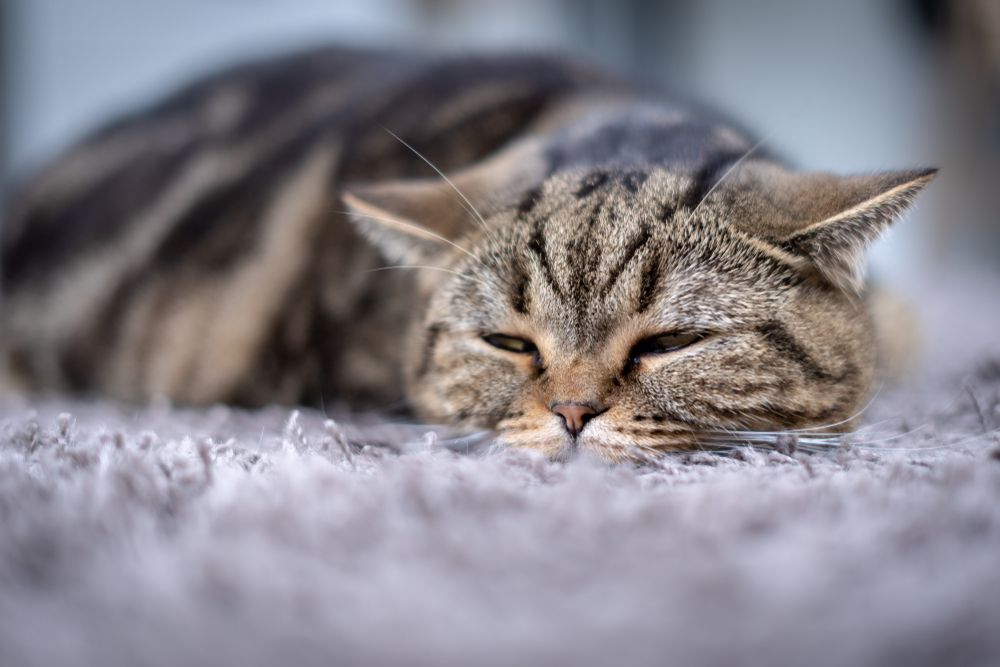
sick cat lying on the floor
Image Credit: Oporty786, Shutterstock

Trauma is the number one cause. Being struck by a car, falling from a height, or being attacked by another animal can cause injuries severe enough to be fatal within minutes. According to a study published in the Canadian Veterinary Journal, trauma ranks above all other causes of sudden death in cats. This is one of the clearest arguments for keeping cats indoors or in enclosed outdoor spaces.


Heart disease is the second most common cause, and it’s one of the most deceptive. The most prevalent type is hypertrophic cardiomyopathy (HCM), a condition where the heart muscle thickens over time, making it harder for the heart to pump blood. Cats with HCM can appear completely healthy until the heart gives out. Other cardiac conditions, including valvular disease, congenital defects, and arrhythmias, can also be fatal. There’s no cure for most heart disease, but early detection through regular vet visits can buy time and improve quality of life.


Feline leukemia virus (FeLV) is another leading cause. The virus spreads through infected saliva, blood, or feces, and can also pass from a mother cat to her kittens before birth. While many exposed cats don’t become ill, others develop lymphoma (the most common FeLV-related cancer), anemia, infections, or blood-clotting disorders. Cats carrying FeLV face a significantly higher risk of sudden death. Vaccination is available and worth discussing with your vet, especially for cats with outdoor access.

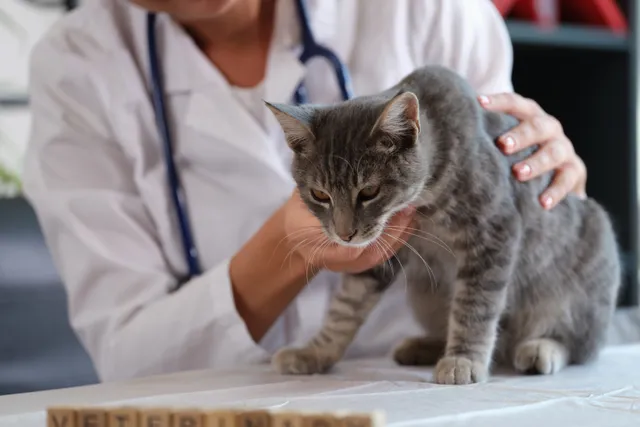
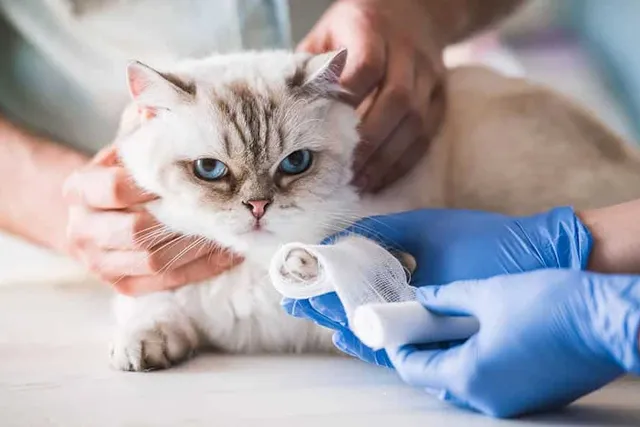
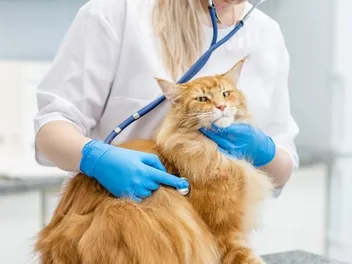
Female vet holding a sick cat close-up
Image Credit: megaflopp, Shutterstock

Infectious intestinal disease, particularly feline panleukopenia (also called feline distemper), is the third most common cause overall. The virus attacks the intestine, causing severe inflammation, diarrhea, and in serious cases, death. It spreads easily through contact with infected feces or vomit. The good news: it’s highly preventable with routine vaccination.


Urinary tract blockages are especially dangerous in male cats, though any cat can be affected. When the urethra becomes obstructed by stones, a tumor, or infection, the cat cannot urinate. Without swift treatment, the blockage leads to kidney failure and death. Watch for straining in the litter box, blood in the urine, and loss of appetite. These signs require same-day veterinary attention, not a wait-and-see approach.


Meningoencephalitis is inflammation of the brain and surrounding membranes, triggered by viruses, bacteria, or parasites. It is often fatal, and there is no known cure. Treatment focuses on managing symptoms and supporting the respiratory and cardiovascular systems. Seizures or strange walking patterns are warning signs that need immediate evaluation.

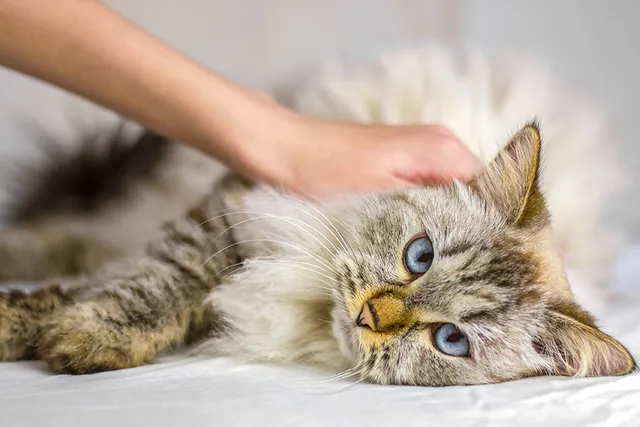
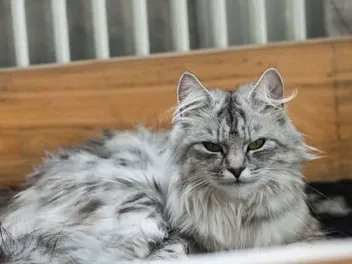
man petting a sick siberian cat
Image Credit: Olesya Alexandrova, Shutterstock

Hepatic necrosis refers to the death of liver cells, replaced by scar tissue. It can stem from liver disease caused by infectious hepatitis, cancer, or toxic exposure. Depending on the extent of the damage, treatment may involve surgery to remove diseased tissue, and in severe cases, a transplant may be considered.


Sepsis occurs when a bacterial infection enters the bloodstream and spreads throughout the body. A wound, bite, or even a skin opening can be the entry point. The infection triggers inflammation and organ damage that can be fatal if not caught early. Fever, lethargy, not eating, and difficulty breathing are the signs to watch for.


Hemorrhage not caused by trauma can happen when a blood vessel ruptures internally, sometimes due to a tumor, cancer, or exposure to certain toxins. Because there’s no visible injury, this one is especially hard to catch. Weakness, pale gums, and collapsed veins are the red flags. If your cat looks suddenly weak and their gums are pale or white, that is an emergency.


Poisoning rounds out the list and is more of a risk than many owners expect. Cats are curious and often put their noses and mouths into things they shouldn’t. Common household hazards include certain cleaning products, human medications, and plants. Lilies, in particular, are extremely toxic to cats. In some cases, like antifreeze ingestion, an antidote exists but must be given quickly. If you think your cat ate something toxic, don’t wait for symptoms to worsen.

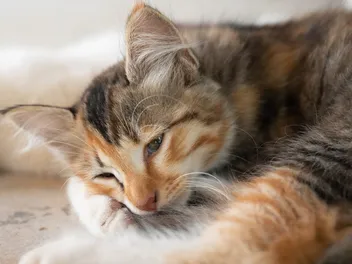
cat lying on the windowsill looking sick
Image Credit: Nata Aleks, Shutterstock

divider cat faces oct 2024

What You Can Actually Do About This

The honest answer is that not all of these causes are preventable. Some cats carry genetic heart conditions. Some get sick despite every precaution. But several of the top causes on this list respond well to early intervention, and a few are largely preventable through basic steps.
Keep vaccinations current, especially for FeLV and feline panleukopenia. Schedule annual vet exams, or twice yearly for cats over seven. Know the early warning signs: pale gums, labored breathing, straining to urinate, sudden weakness, or any neurological behavior that looks off. And seriously consider keeping cats indoors or in an enclosed outdoor space, since trauma is the single leading cause of sudden feline death.

Your vet can also perform a necropsy if a cat dies unexpectedly, which can identify the cause and sometimes give families the clarity they need. It’s not a conversation anyone wants to have in advance, but knowing the option exists matters.
The cats that make it to old age aren’t always the lucky ones. They’re often the ones whose owners were paying attention.

Feature Image Credit: one photo, Shutterstock


Did You Know? 

  • Our brand-new posts are rounded up and included in our weekly emails. Don’t miss out on the latest – sign up for our newsletter below!


Want content like this delivered to you?

Sign Up For Our Newsletter

News, insights, expert advice, and everything cat

* By submitting, you agree to our Terms & Conditions and Privacy & Cookies Policy.


How useful was this post?

Click on a star to rate (you can leave written feedback after clicking submit)

Help us improve Catster for pet parents!

Your feedback really matters.

What did you like about this post? Also how can we improve it?

Join the conversation

2 Responses

  1. Extremely difficult to find any info on practical suggestions for dealing with cats w/Cerebellar Hypoplasia, especially litterpan ALTERNATIVES since most CH cats cannot use a litterpan no matter HOW high the walls are. I had to opt for 'pee pads' but my CH cat is scratching holes in my walls from their natural instinct to bury waste. MOST CH guardians REALLY NEED suggestions but cannot find ANY online, even on fb groupsites dedicated to CH cats.

    1. We feel you Mariah Cole. Finding practical solutions for "wobbly cats" with Cerebellar Hypoplasia (CH) can be incredibly frustrating because standard veterinary advice often fails to account for the physical mechanics of a cat who cannot balance while squatting. You’ve hit on a major pain point: the natural instinct to "bury" waste doesn't disappear just because the motor skills have, and using standard pee pads often leads to shredded walls or a cat sliding in their own mess. The risk here is not just the mess, but the potential for skin scalding or infections if the cat falls into the waste and cannot groom it off, or even self-injury from frantic scratching at the walls.
      To satisfy that "burying" instinct while managing their mobility, many CH guardians have had success with these specific modifications:
      The "Walled" Pad Station: Instead of just putting pads on the floor, place them inside a low-profile heavy-duty rubber tray (like a boot tray) and line the back wall with removable plastic sheeting or plexiglass. This allows them to "scratch" at the wall without damaging your drywall.
      Synthetic Turf/Grass: Some CH cats find better traction on a tray lined with washable synthetic turf. It mimics the feeling of "outdoors" and allows liquid to drain through to a pad underneath, keeping their paws dry and providing more stability than a slippery pad.
      The "Yoga Mat" Base: Place a non-slip yoga mat underneath the pee pad area. It provides the grip they need to stabilize their limbs while they try to perform their burying ritual, preventing the "skidding" that leads to falls.
      High-Back Open Storage Bins: Since even "high-walled" pans fail, try a large front-entry storage tote where you’ve cut the front wall entirely away, leaving the other three walls at 15–20 inches high to act as "braces" for the cat to lean against while they go.
      Because every CH cat has a unique degree of "wobble," a "one-size-fits-all" solution rarely works, but we hope this helps you help your cat.

Leave a Reply

You’re very welcome to leave a comment or question. Please know that all comments must meet our community guidelines, and your email address will NOT be published. Let’s have a positive and constructive conversation.


Talk With A Vet Online

Peace of mind,
anywhere, anytime

Affordable vet advice

Why Chicken Bones Are More Dangerous for Cats Than Most Parents Realize

Chicken bones seem harmless enough, but for cats, they can cause serious damage quickly. Whether your cat swiped a piece off the counter...

Fantastic Pet Pantries and Where to Find Them

Let’s face it: times are really tough right now, and those of us in the 99% are struggling with the cost of just...

Ask Dr. Paola – Help! My Cat Refuses to Drink Water! (April 13, 2026)

Welcome to our “Ask Dr. Paola” series, where every Monday we bring expert advice straight from Dr. Paola Cuevas (MVZ) to help our...

Why Healthy Cats Still Vomit Sometimes (And How to Respond)

A cat that just vomited needs a specific kind of care, and the feeding decisions you make in the next few hours actually...

More related

Does Kamala Harris Have Cats? 2026 Facts & Info

Kamala Harris’ name has been spreading like wildfire as she is the 2024 presidential candidate for the Democratic Party. People are eager to...

Are Cats Lactose Intolerant? Vet-Reviewed Facts & FAQ

Cats are infamous for their love for milk. However, it turns out that cats might be lactose intolerant. But how true is that...

10 Best Food for Cats With IBD in 2026 – Reviews & Top Picks

We all want to feed our cats the best food, but when they have irritable bowel disorder (IBD), finding it can be a...

Why Is My Cat So Naughty? Vet-Approved Feline Misbehavior Explanation

Cats may engage in tons of behaviors that seem “naughty” to us without actually being naughty. Often, this may be the result of...

Keep reading

Are Orchids Toxic to Cats? Vet Approved Advice

Some houseplants are poisonous to cats. If you want to have a house full of greenery but also have cats, it’s essential to know which plants are safe and which are poisonous. If you love orchids, it makes sense to...

Catster_Are Orchids Toxic to Cats

Can Cats Drink Coconut Milk? Vet Approved Facts & FAQ

It’s a tale as old as time—a cat’s thirst for milk. But with advancements in feline nutrition, we know that cow’s milk is actually bad for cats. So, in an attempt to give your kitty a cool sip of milk—what...

Can Cats Drink Coconut Milk

Can Cats Eat Sour Cream? Vet-Approved Nutritional Facts & Safety Tips

Many people love to use sour cream on their favorite foods, particularly tacos, fajitas, burritos, and chili. Sour cream is dairy, like milk, and milk is commonly given to cats. So, you might surmise that sour cream is a perfectly...

Can Cats Eat Sour Cream

Simply Nourish Cat Food Review of 2026: Recalls, Pros & Cons

Review Summary Simply Nourish is a PetSmart brand, sold exclusively at PetSmart, at least officially. It’s a healthier alternative to commercial pet foods that are made with fillers and non-natural ingredients. Likewise, it’s marketed as the more affordable alternative to...

Simply Nourish Cat Food Review

Hill’s Science Diet Cat Food Review in 2026: Recalls, Pros & Cons

Review Summary Today, Hill’s Pet Nutrition is an international pet food brand that’s known for selling scientifically developed foods that are intended to help our pets live their best lives. But that’s not how Hill’s was started. When the company...

Hill's Science Cat Food Review

Are Diffusers Safe for Cats to be Around? Vet-Approved Science & Safety Guide

It may surprise you to learn that cats primarily interpret the world from their nose. This is because, like many other animals, their sense of smell is stellar. You may wonder if diffusers are safe to use around them. Though...

Catster_Are Diffusers Safe for Cats

9 Interesting Cat Kidney Facts

Cats entertain us with acrobatic moves and amusing behavior, and some cat owners may believe that their strange pets come from another planet. Although felines seem alien to us, they’re more similar to humans than you may think. For instance,...

tabby cat at vet clinic

Cat Drinking a Lot of Water & Meowing? Vet-Approved Advice & When To Worry

If your cat is making more noise than usual and constantly visiting the water bowl, it might be a sign that something is wrong. They could be experiencing a wide array of health concerns, or it could be something completely...

cat drinking water from fountain

Love Cats? So Do We! Join the Catster Community

Stay informed with expert pet care insights delivered straight to your inbox! Discover professional guidance on animal behavior, feeding tips, trusted product picks, and much more.


Sign up for the Catster Email Newsletter

Stay informed with expert pet care insights delivered straight to your inbox! Discover professional guidance on animal behavior, feeding tips, trusted product picks, and much more.