Does My Cat Need a Veterinary Neurologist? 5 Vet Reviewed Signs


In this article
Nothing is more terrifying than having your cat diagnosed with a health condition. It’s tough to see them suffering, whether it’s a minor trauma during playing or an underlying neurological disorder.
Many cats show prominent signs when they need a veterinary neurologist, but sometimes, their owners fail to identify them. If you’re on a similar bandwagon, you shouldn’t think you’re a bad pet parent. After all, you don’t have the expertise of a vet neurologist.
Therefore, experts recommend owners take their cats to a vet for regular checkups. Let’s get into more detail about whether your beloved cat might need to see a veterinary neurologist.

What Are Some Neurological Disorders in Cats?
Neurological disorders affect a cat’s nervous system and cause different signs depending on the affected region1. A cat's nervous system comprises five regions: the brain stem, forebrain, peripheral nerve, cerebellum, and spinal cord.
Below are some issues in cats associated with nervous system defects:
- Neoplastic Disease - The most common neoplastic disease is called meningioma. It's a tumor that develops in the thin layer of tissue over the brain. These tumors can be benign, but as they grow, they can cause pressure on the cat’s brain, leading to seizures, movement issues, and vision problems.
- Vestibular syndrome - This can cause your cat to have balance issues. It can also cause vertigo, leading the cat to circle, fall, or tilt their head to one side.
- Epilepsy - It has several causes, and epilepsy affects the electrical activity in the brain.
- Congenital Disorders - Congenital disorders can be passed down from the cat’s parents or caused by environmental issues while still in the womb.
- Infectious Disease - Diseases like feline infectious peritonitis virus can cause neurological disorders.
- Trauma and Dementia - A traumatic injury to the head or simply aging can lead to neurological disorders in cats.


The 5 Signs Your Cat Needs a Veterinary Neurologist
The previous neurological disorders may have given you an idea of how dangerous they can be for your cat’s health. As a responsible cat parent, you should monitor your furry friend’s behavior and take them to a vet if something unusual happens.
Below are some signs your cat needs a veterinary neurologist.
1. Lack of Balance
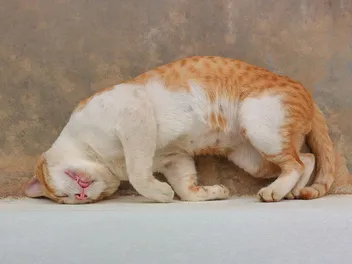
A lack of balance is a sign your cat needs an urgent vet visit. Your cat may be leaning, falling, or circling around excessively. They may also have sporadic eye movements.
The balance problems also cause unusual clumsiness in your cat, making them more vulnerable to accidental falls and trauma. A vet neurologist can examine your cat and provide advice about protecting them from accidents.
2. Confusion
Confusion is another prominent sign of neurological disorders in your cat. You might find them staring into space at times. They are often clueless about their surroundings and how to solve specific problems. This situation is also called nervous disorientation.
So, you shouldn’t get sad or angry if your cat doesn’t understand your commands or behaves like they don’t know you. They may be disoriented or confused and need immediate help from a veterinary neurologist.
3. Seizures
A seizure refers to sudden episodes of abnormalities in muscle movements, sensations, behaviors, or the overall state of awareness1. It often results when the electrical activity or communication between brain cells becomes uncontrollable.
However, if the condition isn’t identified yet but you find your cat having seizures, visit a doctor as soon as possible. The cause of strokes usually varies from individual to individual, and a neurologist can determine the reason and provide treatment.

4. Difficulty Walking
Cats with severe back and neck pain struggle to walk, run, and climb stairs. If your cat used to go for daily walks, they may start avoiding them or won’t show excitement anymore. Cats with intense pain in their lumbar region may also wag their tails less than before.
5. Paralysis
This is a common sign in cats who have experienced trauma. See if your cat cannot move a limb or their jaw, as those could be signs of paralysis. While trauma is the most common cause of paralysis, some illnesses can cause paralysis.

How Does a Vet Neurologist Diagnose Your Cat’s Condition?
A professional vet neurologist uses modern, cutting-edge tools to test your cat’s condition and diagnose the issue quickly. They prioritize your friend’s safety before anything else. The safest and most effective diagnosis methods vets use for cats are:
- X-rays - X-rays performed and reviewed by a specialized vet radiologist are excellent tools for diagnosing cat health issues. The X-ray reports give the vet a clear idea about the root cause of neurological disorders.
- CT Scans - Computed axial tomography or CT scan uses X-ray images of your cat’s body from numerous angles and combines them with computer processing techniques. This allows them to create cross-sectional pictures for a more detailed view of the animal’s body. The vet will put your cat under heavy anesthesia or sedation for this method.
- Magnetic Resonance Imaging (MRI) - This diagnosis method combines radio waves, a giant magnet, and a specialized computer to assess your cat’s condition. The vet creates many detailed, cross-sectional images of your furry friend. MRI is more effective in diagnosing spinal cord and brain disorders. The vet will put your cat under anesthesia for this test, like CT scans.
- Spinal Tap - If the vet suspects neurological disorders in your cat, they may evaluate the cerebrospinal fluid around the spinal cord and brain. It will help them diagnose inflammatory conditions, tumors, and infected tissues. In the spinal tap, the vet first puts your cat under anesthesia and then collects cerebrospinal fluid through a needle aspirate.
Top 3 Effective Treatments for Cats With Neurological Disorders
While neurological conditions require immediate medical attention, they can be treated with advanced surgical techniques. Of course, surgeries are painful, but a professional vet neurologist will give your cat enough anesthesia to minimize the pain.
Some of the most effective treatment options include:
1. Intervertebral Disc Surgery
In IVDD surgery, the doctor removes the degenerated intervertebral disc from the cat’s body to reduce the pressure on the spine. It also makes way for the blood to flow correctly and prevents disc issues in the future.
Some surgical approaches effective in treating IVDD are:
2. Brain Surgery
The vet may use brain surgery to remove damaged bone fragments from trauma or to place shunts. Pets with these conditions may initially experience altered sensations, which can progress to severe pain.
3. Neuromuscular Biopsies
If the vet suspects neuromuscular disorders in your cat, they will use nerve and muscle biopsies. First, they will collect samples for microscopic testing and then study them to identify the disorder or cancer.
Conclusion
Now that you’re aware of common neurological disorders in your cat, you should take the necessary measures for their health and safety. Never ignore your cat’s unusual behavior. Instead, observe the changes and see if they’re recurring. If so, take your cat to a specialized vet neurologist as soon as possible.
Remember, any delay in seeking help can worsen your cat’s condition. So, take your cat for regular vet checkups and talk to a neurologist if needed.
Sources
Featured Image Credit: Maria Sbytova, Shutterstock
Expert cat care, straight to your inbox
News, insights, and useful advice, delivered to you.

No spam — unsubscribe anytime.
By signing up, you agree to our Terms & Conditions and Privacy & Cookies Policy.
How useful was this post?
Click a star to rate. You can leave written feedback afterwards. (We read all feedback.)
Jeff is a pet parent who loves writing. He is a data privacy tech professional with 20 years of experience leading teams at various Fortune 100 startups. Jeff's hobby is photography.