Get

In Your Inbox

Catster is reader-supported. When you buy via links on our site, we may earn an affiliate commission at no cost to you. Learn more.

Do Cats Shed More in Summer? Vet-Reviewed Facts & Maintaining Tips

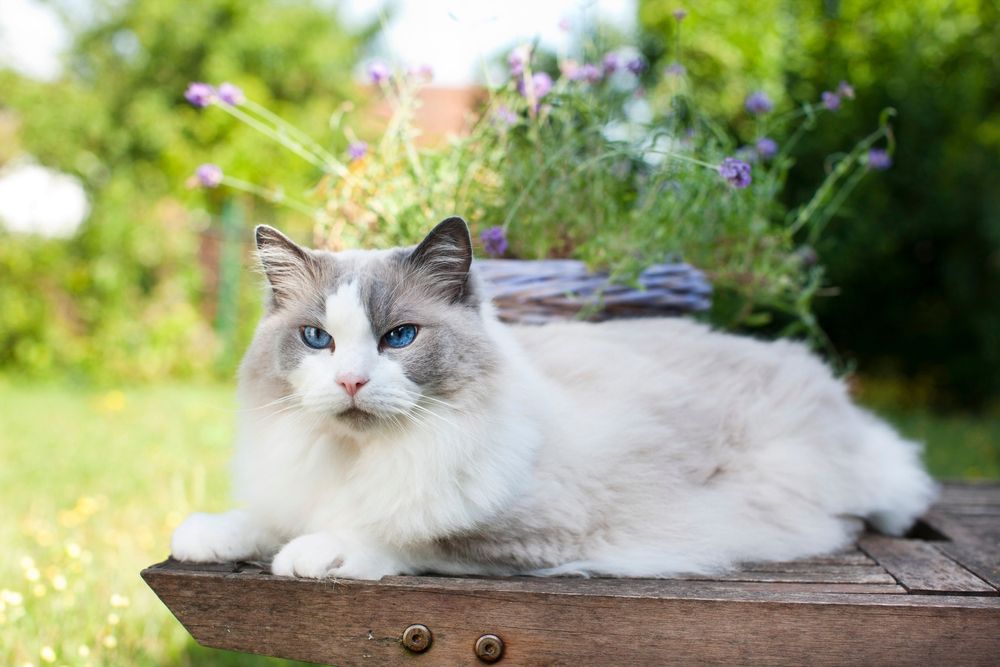
Adult-ragdoll-cat-lying-relaxed-in-the-garden

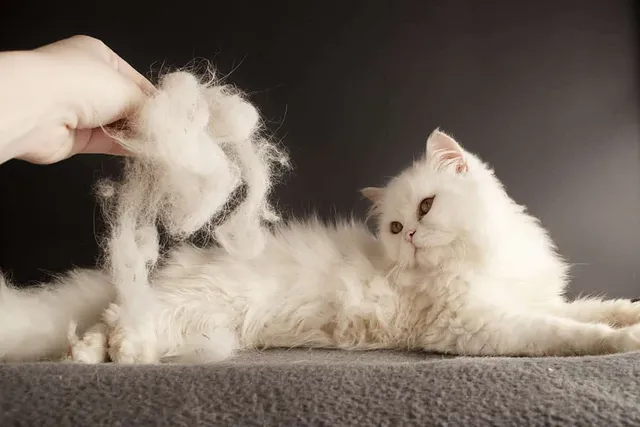
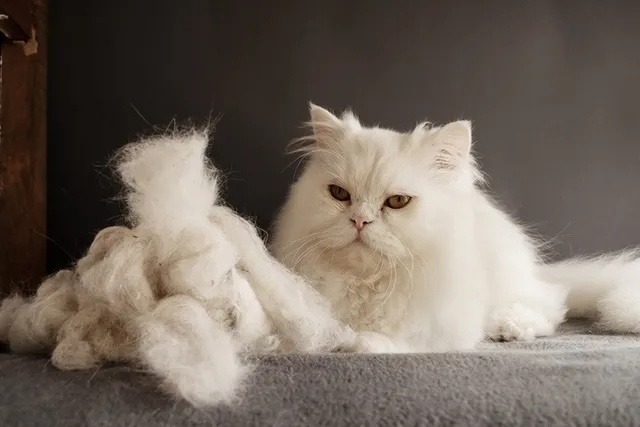
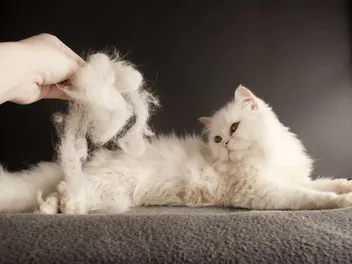
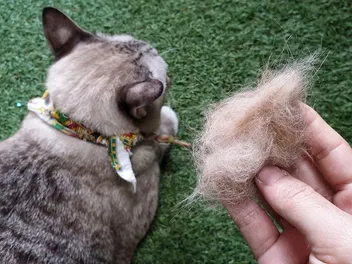
It’s no secret that our feline friends shed. No matter if you have a short-haired or long-haired variation, they require frequent brushing and maintenance to keep their shedding at manageable levels, and even then, they’ll still shed! Cats are avid groomers; they are very clean and do an impeccable job of taking care of their coats. But no matter their coat type and how well they groom themselves, cats definitely shed more in summer.

However, there are a few cats that shed less than others, and some that don’t shed at all . We will explore all aspects of seasonal shedding and how you can manage or avoid it.

divider cats oct 2024

Cats Shed More Heavily in Warm Weather

It’s not just your imagination. Cats do shed more heavily in warmer months. They spend the entire winter bulking up their coats, especially if they go outdoors, in order to keep warm. In the warmer months, they continuously lose any fur that they don’t need to keep their bodies cool.

This natural process is your cat’s very own temperature regulation system. So, if you see your cat starting to lose all that winter fluff, know that it’s totally for their own good. As annoying as shedding can be, it’s manageable, and you can get through the seasons by keeping on top of grooming and vacuuming.

Thai tabby cat walks in the summer garden
Image Credit: Altsva, Shutterstock

Indoor vs. Outdoor Cats: Who Sheds More?

All cats shed year-round continually; it is simply a part of the natural growth  cycle. However, a slight difference exists between how much indoor or outdoor cats shed. Indoor cats tend to shed all the time, but ultimately less than their outdoor counterparts.

An indoor cat has access to a more constant temperature year-round, so there isn’t as much of a need to go through cycles of bulking up and thinning out the coat. So, while they may go through some peak shedding periods, their shedding level tends to just reflect the normal hair growth cycle rather than a dramatic debulking of a winter coat. A cat that spends time outside in the elements will need to bulk up their coat in winter, and therefore, shed that coat as the weather gets warmer.

divider cats oct 2024

Maintaining a Shedding Cat in Summer

Ultimately, grooming frequency will depend on how much your cat sheds. Many long-haired breeds might take more time to groom, but some short-haired breeds can shed just as much, particularly if they have dense coats, like the British Shorthair. So, it is important to have the right tools on hand to get the job done.

Brushes

You have a few choices with brushes. Slicker brushes and bristle brushes can be great for everyday maintenance. Heftier brushes, like deshedding tools, can get to the root and collect debris and shed. These brushes cannot be used more than once every month or more.

If you are looking for recommendations on the best cat brush, you should check out Hepper Cat Brush. You will hardly find different brush with so many pros - easy to clean, easy to use, durable and effective. Simply everything you need from a cat brush. Click here to order yours today.

Hepper Deshedding Cat Brush
  • ONE PUSH RELEASE - This kitten brush / cat brush pops out fur with just a simple press, leaving you...
  • DURABLE - Cat shedding can be a tough ordeal. Made of resilient ABS plastic and metal bristles with...
  • COMFORTABLE - A cat fur brush with 60 degree angled, fine bristles and rubber stoppers will bring...

At Catster, we’ve admired Hepper for many years and decided to take a controlling ownership interest so that we could benefit from the outstanding designs of this cool cat company!

Bathing

Cats are avid groomers but having a little help every once in a while is advised. You can bathe your cat once every 3 to 4 weeks. You can choose from many cat shampoos, and luckily, not all of them require water.

There are lots of pet shampoos to choose from, but some are much better than others. We love these two options created by Hepper, each offering something uniquely different. The Colloidal Oatmeal Pet Shampoo is an excellent choice for cats who require the occasional full bath, and the Waterless No-Rinse Dry Shampoo is perfect for felines that prefer to stay dry! Both are made with all-natural ingredients and pH-balanced formulas designed to gently lift away dirt and debris, leaving your cat's coat and skin soft and hydrated. Find out which is right for you in the table below. 

Image Product Details
Hepper Colloidal Oatmeal Pet Shampoo Hepper Colloidal Oatmeal Pet Shampoo
  • Effective cleaning formula
  • pH balanced for your kitty’s skin
  • Moisturizes as it cleans
  • Hepper Waterless No Rinse Pet Shampoo Hepper Waterless No Rinse Pet Shampoo
  • Cleanses & deodorizes without water
  • Natural ingredients & pH balanced
  • Fresh scent
  • At Catster, we’ve admired Hepper for many years and decided to take a controlling ownership interest so that we could benefit from the outstanding designs of this cool cat company!

    Vacuum/Sweep

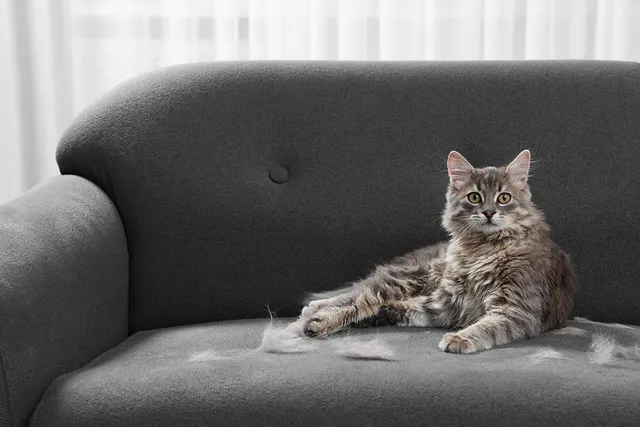
    During peak shed seasons, it is paramount to clean regularly. Your cat’s hair will be sticking all over everything. The best way to manage it is to stay ahead of it.

    adorable-cat-walks-beside-vacuum
    Image By: Mr-Mrs Marcha, Shutterstock

    Damp Cloths

    One way to help keep the fly-away fur to a minimum, particularly when brushing your shedding cat, is to use a damp cloth over their body, or pet-safe wet wipes.

    Supplements

    Consider adding a supplement to help boost your cat’s skin and coat health. These have been known to reduce shedding by increasing the strength of the hair, and less scratching as well.

    divider cats oct 2024

    Should You Shave Your Cat?

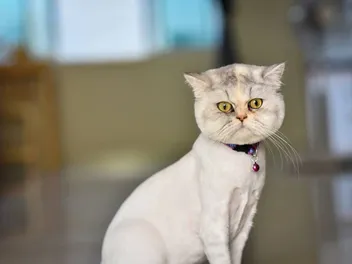
    Shaving is not recommended as a means of reducing shedding, and in fact, can have the opposite effect. By altering their natural thermoregulation system, you may end up with a cat that is growing a thicker coat, which will mean more shedding.

    However, if your cat’s coat has become extremely knotted, matted, and tangled, sometimes shaving is the best, and least stressful, way of removing the problematic fur. Additionally, if you have a particularly long, thick coated breed that goes outside, they may be grateful to be shorn in summer.

    We don’t recommend shaving your cat yourself; their skin is surprisingly fragile and can tear easily without the right equipment or technique. Instead, find an experienced groomer or talk to a vet.

    If you are concerned or have questions about your cat’s health, you can also speak to a vet from the comfort of your own home to help make a plan. They can determine when an in-clinic vet visit should be made.

    If you need to speak with a vet but can't get to one, head over to PangoVet. It's an online service where you can talk to a vet online and get the advice you need for your pet — all at an affordable price!

    PangoVet_Mention-in-Content for PangoVet2 save money

    divider cats oct 2024

    Which Cat Breeds Shed the Most?

    Some cat breeds, particularly those with longer coats, shed more than others, and need more attention when it comes to grooming.

    Some grooming-intensive cat breeds include:
    • Maine Coon: The Maine Coon is an instantly recognizable breed with broad features and lion-like coat. They are truly lovely, but their long fur and dense undercoat mean extra work in the grooming department.
    • Persian: The Persian is a brachycephalic cat, meaning they have large globe eyes with pushed in noses. They certainly look regal, and they have their very own fancy fur coats! Keep in mind they need to be brushed, brushed, brushed!
    • Siberian: The Siberian cat is easily mistaken for the Maine Coon, but is less common. Unlike the Maine Coon, they have smaller ears and daintier appearances. They still require the same general coat care, though!
    • Ragdoll: The Ragdoll is known for being one floppy cat. They have lustrous long coats and beautiful features—a firm family favorite.

    What Are Low-Shedding Breeds?

    Even though no cat is ever truly hypoallergenic, some are much less triggering than other breeds—and many of these kitties shed less than their other feline cousins.

    These kitties include:
    • Ocicat: The Ocicat is a distant relative of the Siamese. They have leopard-like spots—mimicking their wild roots. Even though these cats aren’t completely hypoallergenic, they are thought to cause less reactions than some other breeds.
    • Bengal: The Bengal is a newer breed that, like the Ocicat, has a coat that looks like their wild ancestors. These cats tend to act more like dogs and can easily learn to walk on a leash. They make the list for hypoallergenic cats, making them an excellent selection for a wider variety of lifestyles.
    • Bombay: Bombays are not considered hypoallergenic, but they are low-shedders. These beautiful, intelligent black cats are great for families due to their good nature and potential for companionship. These cats tend to shed less than other breeds, though they still produce the allergy protein.
    • Sphynx/Peterbald: The Sphynx and Peterbald are popular and instantly recognizable breeds due to their hairless bodies and ancient look. These cats actually sweat through their glands on the skin like us, creating an oil. So, these cats are not totally hypoallergenic, but they are about as close as you can get.
    • Colorpoint Shorthair: The Colorpoint Shorthair is known for being highly intelligent and very alert. While not hypoallergenic by any means, these cats are well known for their reduced shedding in comparison to other breeds.
    • Devon Rex/Cornish Rex: The Devon Rex and Cornish Rex have downy coats that barely shed. These soft-coated cuties sure are a pleasure to pet, and produce lower levels of skin oils than the Sphynx.

    divider cats oct 2024

    Hypoallergenic Cats: Are They a Thing?

    Hypoallergenic cats are widely talked about in the feline community. Even though there are several claims of hypoallergenic breeds, there is actually no such thing as a completely hypoallergenic cat. Some cats shed less than others, but cat allergies aren’t caused by the fur itself, but by a protein known as Fel d 1.

    The Fel d 1 protein is an allergen found in dander, saliva, and urine. Inevitably, with cats grooming so meticulously, they will spread this allergen, even if they don’t shed a lot. Some people can have a severe reaction to this substance, while others have a mild reaction or no reaction at all.

    However, “hypoallergenic” cats shed less, and produce less dander as a result, leading to reduced aerosolizing of the Fel d 1 protein. However, they do still produce some of the protein. So, ultimately, the solid answer is no. No cat is ever actually completely hypoallergenic.

    woman-sneezing-beside-a-cat
    Photo Credit: Motortion Films, Shutterstock

    divider cats oct 2024

    Conclusion

    It’s not just your imagination—cats shed more in the summer, but there are some simple ways to manage it. Regular grooming and a powerful vacuum cleaner are your most effective tools to combat excess hair in your home.

    Although indoor cats shed less fur in summer than those that spend time outside, they do tend to shed all year round.

    See Also:


    Featured Image Credit: absolutimages, Shutterstock

    Want content like this delivered to you?

    Sign Up For Our Newsletter

    News, insights, expert advice, and everything cat

    * By submitting, you agree to our Terms & Conditions and Privacy & Cookies Policy.

    How useful was this post?

    Click on a star to rate (you can leave written feedback after clicking submit)

    Help us improve Catster for pet parents!

    Your feedback really matters.

    What did you like about this post? Also how can we improve it?

    Join the conversation

    Leave a Reply

    You’re very welcome to leave a comment or question. Please know that all comments must meet our community guidelines, and your email address will NOT be published. Let’s have a positive and constructive conversation.

    Talk With A Vet Online

    Peace of mind,
    anywhere, anytime

    Affordable vet advice

    From How Far Away Can Cats Pick Up a Smell? What Science Says

    A cat’s sense of smell is critical to their survival, and its significance starts from the day they’re born. They are born blind...

    How to Care for a Tortoiseshell Cat: 9 Vet-Approved Tips

    You’ve decided to adopt a Tortoiseshell cat and give them a forever home. Now, you’re wondering how to care for your new little...

    Does Palmolive Kill Fleas on Cats? Vet Reviewed Effectiveness & Safety Explored

    Fleas are the bane of every pet owner’s existence. They’re not only a nuisance for you, but they can cause itching and discomfort...

    Neurological Disorders in Cats: Our Vet Explains Signs, Causes & Treatments

    It’s really scary when our pets become ill, particularly when they’re not acting like their normal selves. Often, one of the first signs...

    More related

    10 Most Unique Cat Rescues & Sanctuaries in the US (2025 Guide)

    Unfortunately, many cats around the United States find themselves in shelters or other situations where they need help. Thankfully, there are cat rescues...

    Lemonade Pet Insurance Review 2025: A Detailed Look

    Lemonade is one of the most well-known pet insurance companies thanks to their viral advertising campaigns. They also happen to be one of...

    Persian Cat Breed: Info, Pictures, Temperament, Traits & More

    It doesn’t take an expert to recognize a Persian cat: Just look for the floofiest coat, and chances are that you’ll find a...

    How to Tell the Difference Between a Cat Hairball & Cough: Vet-Reviewed Facts

    Seasoned cat owners could hear a cat retching up a hairball from a mile away, but the sound might sound like a cough...

    Keep reading

    Why Do Cats Twitch in Their Sleep? 3 Vet Reviewed Reasons

    Just like people and other animals, you may notice that your feline sometimes twitches in their sleep. As you might guess, this is pretty normal behavior. Lots of cats twitch in their sleep, though some are more prone to this...

    Fat Calico Cat Lying or sleeping on a Perch in the Window sunbathing

    Why Does My Cat Yowl After Eating? 5 Vet-Verified Reasons for This Behavior

    No matter how much we think we understand cats, they still have quirks and habits that can surprise even the most experienced owners. Primarily because every cat is unique, so even if you get used to the behavior of one...

    ginger tabby cat looking up meowing

    How Long Does It Take to Neuter a Cat? All You Need to Know (With Vet-Approved Information)

    Any surgical procedure done to your pet can seem like it lasts forever. After all, most people hate being away from their pets, even for a day! If you are planning on getting your male cat neutered, you might be...

    neutering cat on a vet's operating table

    Why Is My Cat Peeing in the Laundry Basket? 8 Vet-Reviewed Reasons

    When your cat pees somewhere they’re not supposed to, it can be both distressing and completely baffling. Rest assured that your cat is not doing this out of spite or to annoy you. Peeing anywhere outside the litter box can...

    cat in laundry basket

    Can a Cat With Feline Leukemia Live With Other Cats? Vet-Reviewed Facts & FAQ

    Feline leukemia, or FeLV, is a virus that is the second leading cause of death in cats. It’s a serious condition that must be dealt with throughout an infected cat’s lifetime. Luckily, a vaccine that prevents cats from getting it...

    sick cat with feline disease

    Can Cats Eat Cockroaches? Vet-Verified Facts, Risks & Tips

    It can be hard to believe that cats would be interested in cockroaches. These insects are generally considered an unpleasant nuisance, especially compared to our lovable felines. However, cats find them interesting enough to chase and sometimes even eat. Fortunately,...

    Can Cats Eat Cockroaches

    Why Do Cats Suck Their Tails? 7 Vet-Reviewed Reasons

    Tail-sucking is a confusing yet somewhat common feline behavior regardless of their age. Still, suckling is usually associated with nursing kittens, so it can be strange to observe this behavior in adult cats. Some cats might suck their tails habitually,...

    Orange cat sucking on their tail

    My Cat Won’t Eat Dry Food, Should I Worry? 5 Vet-Verified Reasons

    Cat owners and toddler parents can agree on at least one thing: dealing with a picky eater is not easy. With preferences changing from one day to the next, feeding picky cats can be frustrating, but is it also a...

    persian cat eating dry food