Siberian Cat Breed: Info, Pictures, Temperament & Traits
In this article
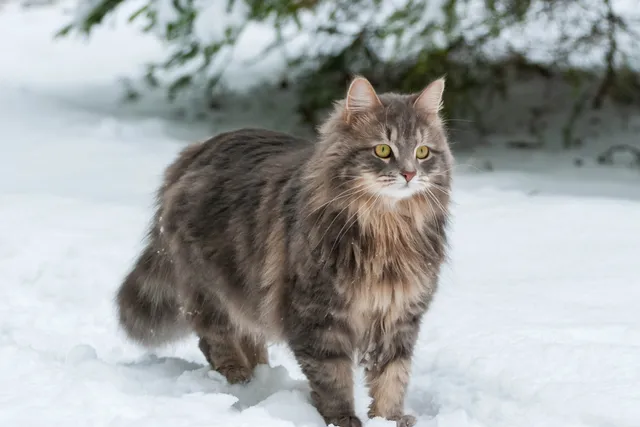
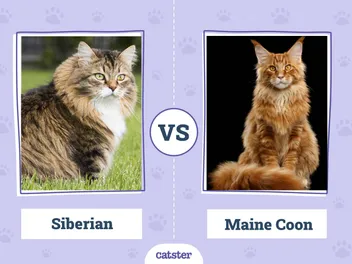
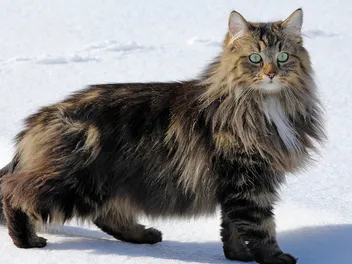
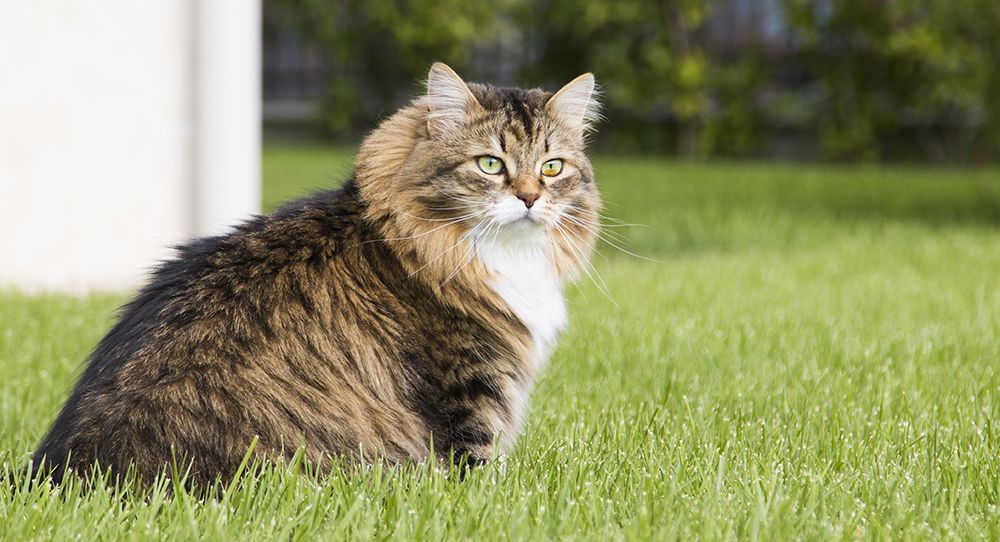
The Siberian cat is an anomaly. After all, the ancestor of our pets is the African Wild Cat (Felis silvestris lybica), which isn't a cat we’d associate with the origin of the Siberian. The African Wild Cat lived in a hotter climate, but the Siberian can tolerate the cold and is similar to other large domestic felines, such as the Maine Coon. They are muscular animals with almost dog-like personalities.
Breed Overview
Height:
Weight:
Lifespan:
Colors:
Suitable for:
Temperament:
The Siberian cat has other characteristics we’d expect from an animal living in a harsh climate. It is a feline version of biology’s Bergmann’s rule, which states that species get larger as the ambient temperatures get cooler. The size of the Siberian is the perfect example. Below, we'll discuss some interesting details about this remarkable cat.
Siberian Cat Characteristics

Siberian Kittens

Siberian cats are an excellent choice for someone who wants an interactive relationship with their pet. They are playful and intelligent, and as kittens, they're relatively larger than those of other breeds because of their big-boned frame. While most felines reach sexual maturity around 6–8 months, the Siberian cat is a late bloomer, reaching full size at 5 years old.
The Siberian has a decent following, and you shouldn't have a difficult time finding one. We recommend only buying from reputable sellers who conduct pre-breeding health screening for congenital and hereditary conditions, such as hip dysplasia.
However, we suggest beginning your search with a rescue organization. These animals truly need forever homes. Understanding the financial commitment having a pet entails is imperative. Food and vet care costs will likely be your biggest expenses. However, they are worthwhile investments to safeguard your cat’s health.
Temperament & Intelligence of the Siberian Cat 🧠
The Siberian cat is brilliant at problem-solving and can figure out where you hide the treats and how to get to them. They are also affectionate pets that will gladly share their love with all household members. They love to play and may even encourage you to start the games. That also means mental stimulation and enrichment are imperative for their well-being.

Are These Cats Good for Families? 👪
The Siberian cat’s traits make it an excellent family pet, especially for households with children. They can keep up with the kids and are strong enough to handle it. The Siberian enjoys the company of their human companions, yet they aren’t needy. They aren't as vocal as some breeds, such as the Siamese, and prefer to make their presence known by playing or following you from room to room.
Research has shown that the Siberian cat is one of the most sociable toward humans and least likely to show fearfulness.1 Of course, the cat’s upbringing also plays a role, but the animal’s genetics provide a solid foundation for a good pet/owner relationship.
Does This Breed Get Along With Other Pets? 🐶🐱
Early socialization is the best way to ensure harmonious pet relationships. However, the Siberian cat's calm disposition and gentle nature make them a suitable choice for households with other pets. They are dog-friendly, especially if introduced as kittens. They also have the size and strength on their side. However, cats will be cats if you have small animals, so it’s best not to house them with small pets like hamsters.
Things to Know When Owning a Siberian Cat
Essential characteristics to know about the Siberian include their large size and thick coat. While relatively healthy and long-lived, grooming is more involved with the Siberian than with other felines. Providing mental stimulation and devoting time to play are other significant considerations.
Food & Diet Requirements 🐡
Feline dietary needs vary with their age and life stage. You should feed kittens a commercial diet formulated for their health requirements. The food should contain at least 30% protein and 9% fat. Remember that cats are carnivores that need animal-based proteins for optimal health. You can feed the kittens three to four meals daily, cutting back to two when they reach adulthood.
You should also provide fresh, clean water daily. Cats need about 4 ounces of water per 5 pounds of body weight. A 10-pound cat will need at least a cup of water daily, depending on the type of food you give them. Canned food has significantly more moisture than kibble and can cover some of their needs.

Exercise 🐈
A playful Siberian cat will see to some of their exercise needs. However, the onus is still on you for daily interaction. While this feline is tough enough to handle the outdoors, we strongly urge you to keep your pet inside and provide the necessary enrichment indoors.
The Siberian enjoys interactive toys and games that challenge them mentally. It’ll also improve their quality of life. They're surprisingly athletic for an animal of their size. They have no problems jumping to high places and racing around the house to burn off all their energy.
- Our Recommendations: Best Interactive Cat Toys – Catster’s Reviews & Top Picks
Training 🧶
The Siberian cat is intelligent enough to train, especially if a treat is involved. They are quick to make associations between actions and rewards. Research has shown that felines are on a par with monkeys regarding their recognition memory ability.
We suggest you start training early in your pet’s life to nurture their developing intelligence and problem-solving skills. You can use treats as training rewards, but they should make up no more than 10% of your pet’s daily caloric intake.
Grooming ✂️
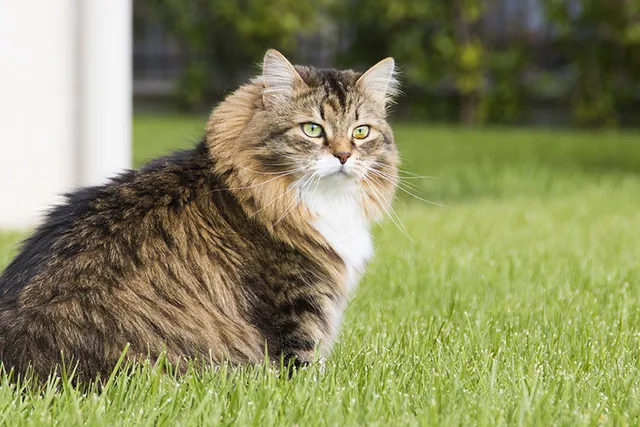
The Siberian has a dense double coat that they shed seasonally. You can cut down on the hair around your home by brushing your pet a few times weekly. It’ll prevent mats and keep your kitty looking their best. You should also check their nails and ears. Their thick coat makes them prone to ear infections. Regular grooming will get your cat used to being handled, and your vet will appreciate your efforts.

Health and Conditions 🏥
The Siberian cat is a relatively healthy breed, but maintaining yearly veterinary appointments is vital, regardless of their health. Prevention and early detection are the best ways to keep your kitty healthy. Your Siberian cat will make it easy since they’re open to meeting new friends.
Male vs. Female
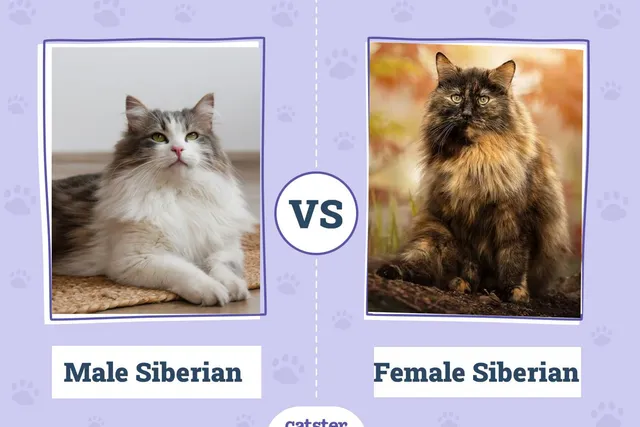
The main differences between male and female Siberian cats are the size and age of sexual maturity. The male is visibly larger than the female and weighs at the high end of the spectrum. They also take a bit longer to mature than the females. Otherwise, their temperament is pleasing, no matter what the sex of the animal. Either one will make a delightful pet.
It’s worth noting that the environment and rearing are potent influences on a cat’s behavior and temperament. A Siberian cat raised by a loving family will happily return the affection and attention.
3 Little-Known Facts About the Siberian Cat
1. The Siberian Cat Has a Long Relationship With Humans
Early records aren’t always trustworthy, but they suggest that Siberian cats have interacted with humans for over 1,000 years. Their relationship with humans probably began similarly to that of dogs, with some brave animals coexisting with people.
2. Humans Developed the Siberian Cat Breed Before 1868
While the animal has a long history with humans, the formal development of the breed occurred around 1868. The Siberian has high levels of genetic variation, which helps to explain their good health.
3. The Siberian Cat Is the National Feline of Russia
The Siberian is remarkable enough to become the National Cat of Russia, and you must also give props to how tough the cat is for their survival skills.
Conclusion
The Siberian cat is a beautiful animal with a face that will melt your heart. They are affectionate pets that truly love their family. They aren’t aloof or skittish but want to be a part of the household’s activity. They’re happy to play or snuggle on the couch, and their large size also makes them an excellent choice for families with small children. There’s a good reason they’ve been companions for so long.
See also: How Long Do Siberian Cats Live?
Sources
Featured Image Credit: Massimo Cattaneo, Shutterstock
Expert cat care, straight to your inbox
News, insights, and useful advice, delivered to you.

No spam — unsubscribe anytime.
By signing up, you agree to our Terms & Conditions and Privacy & Cookies Policy.
How useful was this post?
Click a star to rate. You can leave written feedback afterwards. (We read all feedback.)

Chris has been a science-focused pet writer since 2009, specializing in health and the environment. She lives with her husband Norm and three amazing cats in the land of 10,000 lakes. When she's not writing about cats, Chris also enjoys boating and sampling wine. She has her WSET 1 and 2 certifications and is currently pursuing her Certified Wine Specialist Award (CSW).