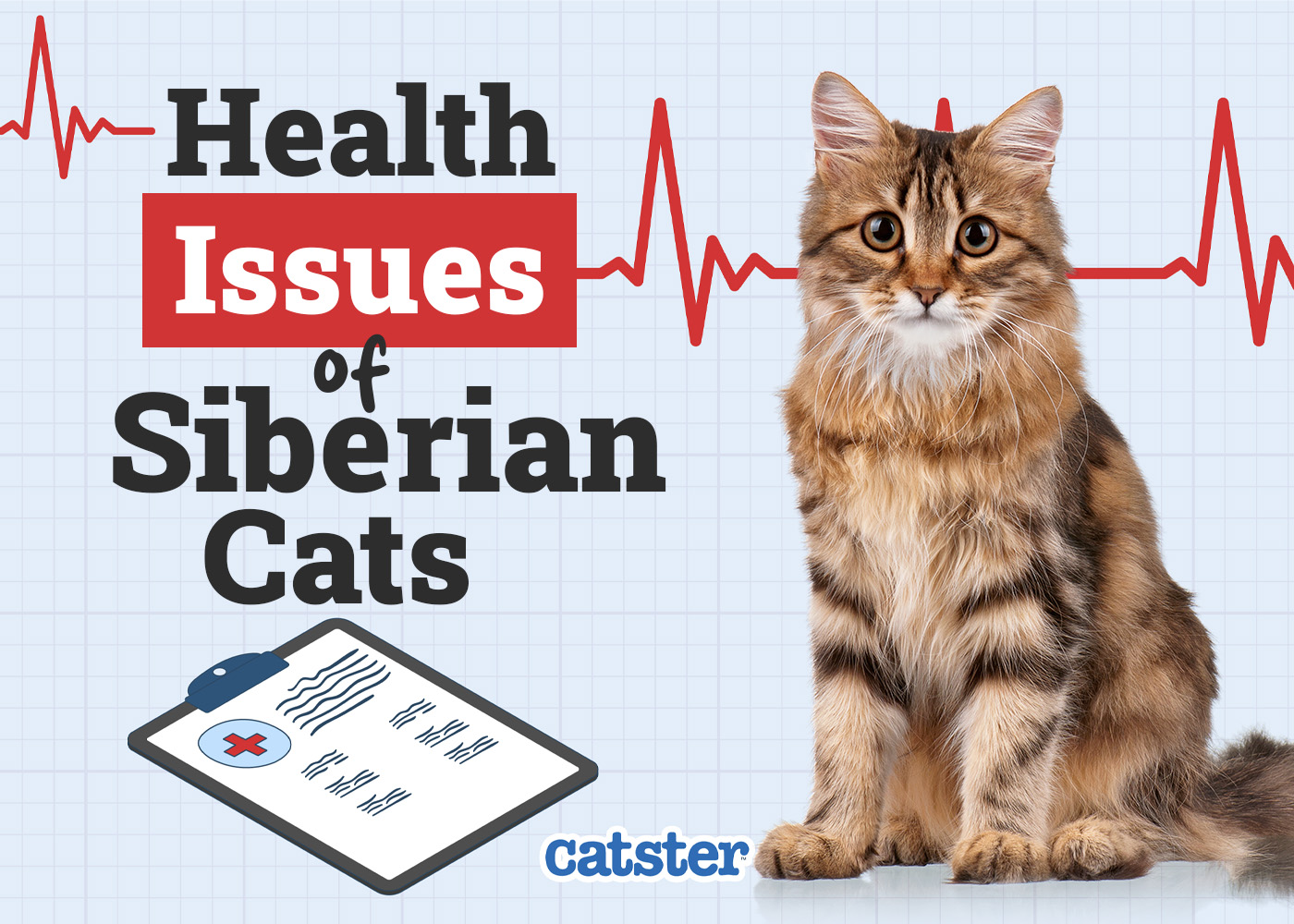
Siberian Cat Health Problems: 5 Common Issues


The Russians have a phrase, “Siberian health,” used to describe the fortitude and vitality of the people of Siberia, who endure brutal winters with astonishing resilience.
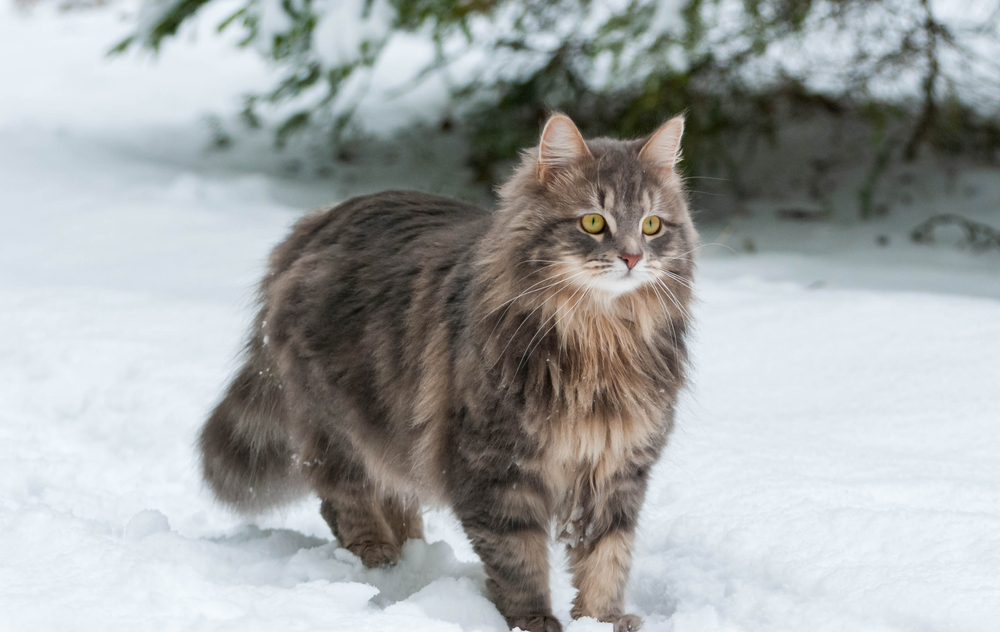
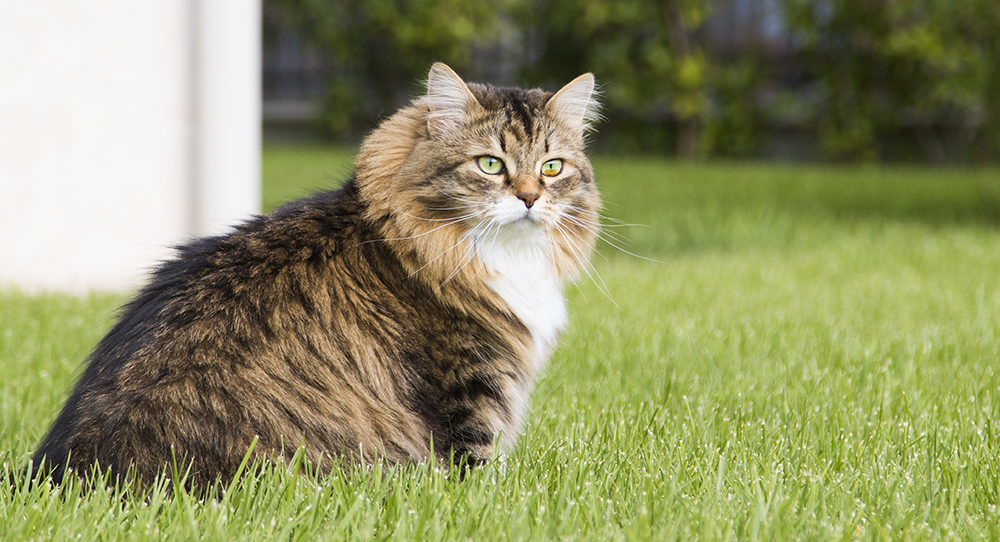
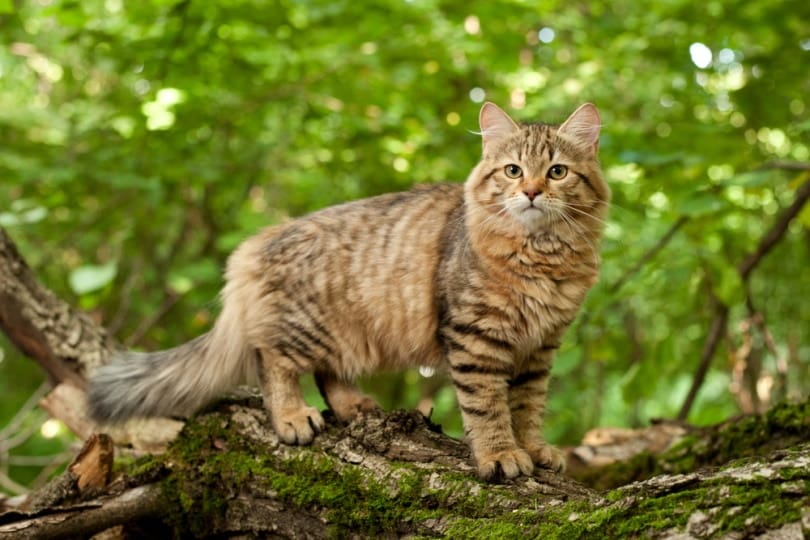
Siberian cats, also known as Siberian Forest Cats, share these qualities, with a solid frame and generally robust health. They are famous for their thick fur and their dog-like loyalty, which make them excellent companions for cat lovers.
However, like all breeds, Siberian cats experience some health issues that are important for their owners to watch out for. To help you keep your feline healthy and happy, we’ll dive into the details of the breed and explore the most common issues, treatments, and how they could affect in your cat.

What Is a Siberian Cat?
Siberian cats hail from Russia, where domesticated versions of the breed have been documented since around 1000 AD. They may have been shown in the United States as early as the late 1800s, but it wasn’t until the 1980s that they became a global phenomenon and a common household pet.
As a friendly and gregarious animal, a Siberian cat makes a great companion for a family and is equally happy to play or curl up on the couch with their favorite human. Though largely independent, Siberian cats require a significant amount of grooming, thanks to the thick coat designed to keep them warm during those Russian winters.
Siberian cats can make rewarding pets for first-time owners and experienced cat lovers alike, but it’s important to understand the health issues unique to them so you can make sure they’re always feeling their best.

The 5 Most Common Health Issues of a Siberian Cat
Although they’re generally healthy animals, Siberian cats are prone to certain diseases and issues, many of which have been passed down through the generations. Most of these conditions are fully treatable by a veterinarian. We’ll review the most common ones and their signs, treatment, and prognosis to help you recognize if your Siberian becomes ill and needs to see a vet.
1. Hypertrophic Cardiomyopathy
Siberian cats are prone to a specific heart disease known as hypertrophic cardiomyopathy (HCM). HCM is a heart muscle disease that causes the wall of the heart to thicken beyond the normal width.
Though a thicker wall might sound like something that would make the heart stronger, the condition actually makes it more difficult for the heart to pump blood to the rest of the cat’s body. It can lead to heart failure, fluid buildup in the lungs, and blood clots.
Cats with HCM may show no signs at all. Others may show signs of congestive heart failure, including:
If a clot forms as a result of HCM, it will most likely block blood flow to the hind limbs, which can cause pain in the legs or even paralysis. If your cat shows these signs, it’s vital to get them to a vet right away.
Your cat is most likely to show signs of having the disease as it gets older, but it can present in younger cats as well. A vet will diagnose HCM using echocardiography, which uses sound waves to generate an image of the heart. Since the signs of HCM can point to other diseases, your vet may conduct additional tests to narrow down their diagnosis.
Treatment Options:

2. Polycystic Kidney Disease
Polycystic kidney disease (PKD) is another condition that can be found in Siberian cats. It causes multiple cysts, or pockets of fluid, to form in the kidneys. These cysts are present from birth but will grow larger over time and can disrupt kidney function, potentially leading to kidney failure.
PKD is an inherited disease that affects some breeds of cats more than others. Persian cats have the highest incidence of PKD, but it is common in Siberian cats as well. It’s caused by a single gene abnormality that will continue to be passed down, whether or not a cat exhibits the symptoms of PKD or not.
Any cat born with PKD will form cysts in its kidneys, but the degree to which it affects its life depends on the cat. The growth rate of the cysts varies, meaning some cats may not show signs until much later in life, while others may exhibit signs when they’re still kittens. Unfortunately, there’s no way to predict how your cat’s PKD will progress.
Signs of PKD to watch for include:
Your vet will diagnose your cat based on these signs, their medical history, blood and urine samples, genetic testing, and ultrasounds of the kidneys.
Treatment Options:
3. Periodontal Disease
Periodontal disease is found in every breed of cat to some extent, but some are more susceptible to it, including the Siberian cat.
The condition occurs when some or all of a tooth’s deep supporting structures become inflamed due to a buildup of tartar along the gum line. Bacteria can develop in the gums, causing the inflammation known as gingivitis. Once established in the gums, the bacteria can erode the teeth and cause pain and tooth loss.
The infection can spread throughout the body, causing damage to internal organs like the liver and kidneys. It’s crucial to recognize the changes in your cat’s behaviors might indicate it has gum disease so that you can take the necessary steps to stop it in its tracks.
These changes include:
Treatment Options:
Treatment for gum disease depends on what stage it’s discovered in:
| Stage | Treatment |
| Early | Dental cleaning, prescription toothpaste |
| Mid | Deep dental cleaning, antibiotic gel |
| Advanced | Surgery, tooth extraction |
Treatment Options:

4. Feline Lower Urinary Tract Disease
Feline lower urinary tract disease (FLUTD) refers to several conditions that can affect your cat’s bladder and urethra. There are multiple causes of FLUTD, including urinary stones or crystals, urinary infection, and urethral obstruction, among others.
Regardless of the cause, FLUTD often presents with a similar set of symptoms, such as:
These signs can show up in a cat at any age but are most common in middle-aged cats that are sedentary, use an indoor litter box, and eat a dry diet.
Treatment Options:
The treatment of FLUTD depends heavily on the cause:
| Cause of FLUTD | Treatment |
| Urethral obstruction | Removal of the blockage by either flushing the system with a sterile solution or, in more serious cases, surgery |
| Urinary infection | Fluid therapy, urinary acidifiers, and antibiotics |
| Urinary stones | Special diet, surgery, flushing the system |
| Feline idiopathic cystitis | Special diet, stress management |
FLUTD is highly treatable, and your cat can live without the signs ever reoccurring. Keep a close eye on your Siberian cat so that you can catch this condition sooner rather than later.
5. Hereditary Cancer
Cancer is most common in white Siberian cats, and it’s linked to a specific pedigree within the breed. It’s identifiable by the presence of a specific gene called an oncogene.
However, just because your cat carries the oncogene, it doesn’t mean they will necessarily develop cancer. Hereditary cancer is relatively rare in Siberian cats, but there is a much higher risk for a white cat with two white parents.
Because the disease is so diverse, there is no solid set of shared signs that is universally seen in cats with cancer. Sometimes there may be only vague signs, such as poor appetite, lack of energy, and weight loss. In other cases, you may notice lumps under your cat’s skin, vomiting, diarrhea, or unhealed wounds.
Treatment Options:
If you suspect that your cat is suffering from any ailment on this list, it's best to contact your vet for more information and determine your next steps.

Are Siberian Cats High Maintenance?
If you’re considering adopting a Siberian cat as your next family member, this list of possible health conditions may have made you second guess yourself.
The good news is that as long as you are paying close attention to your cat’s health, it should be easy to catch any of these possible issues early and treat them accordingly.
Overall, Siberian cats are not more high maintenance than other breeds. They like to play at least a couple of times a week, but they are also content to spend time snuggling with their favorite human. Their longer coats need to be brushed at least a few times a week, but that can be a great opportunity for both of you to bond.
How Long Do Siberian Cats Live?
Siberian cats usually live for around 12 to 15 years. They reach maturity around age 5. Taking steps to maintain your cat’s health and prevent possible complications down the line can extend its lifespan and allow you to spend plenty of quality time with your best friend.

Conclusion
While Siberian cats are prone to certain health conditions, that shouldn’t dissuade you from adopting one if you are passionate about the breed. Since they’re famous for their devotion, they make perfect family pets and will entertain you and keep you company. When you adopt a Siberian cat, you have made a friend for life.
Sources
https://www.purina.co.uk/find-a-pet/cat-breeds/siberian-forest
https://pethelpful.com/cats/Hereditary-Diseases-of-the-Siberian-Forest-Cat
https://www.petplan.co.uk/pet-information/cat/breed/siberian/
https://www.bioguardlabs.com/breed-related-disease-siberian-cat/
https://www.siberiancatworld.com/siberian-cats-health-problems/
https://healthtopics.vetmed.ucdavis.edu/health-topics/hypertrophic-cardiomyopathy
https://vcahospitals.com/know-your-pet/kidney-disease-polycystic-kidney-disease-in-cats
Featured Image Credit: Olesya_Alexandrova, Shutterstock

Expert cat care, straight to your inbox
Vet-reviewed advice, behavior tips, and the best of Catster. Free, and you can unsubscribe anytime.
By signing up, you agree to our Terms & Conditions and Privacy & Cookies Policy.
Caroline lives in the mountains of western North Carolina, with her partner, two calicos, and a tortie. While her house is at capacity with three cats she’s always dreaming of her next kitten, and strongly believes that every cat is the best possible cat. She spends her days hiking and, as a former barista, questing for the perfect cup of joe to enjoy while she writes. A gamer, fantasy novelist, and avid HGTV viewer, she spends time at home either working in the garden or behind a mouse and keyboard.
Join the conversation
Ask a question, share your story, or send private feedback.