How to Take Care of Your Cat’s Teeth: 8 Vet-Verified Tips



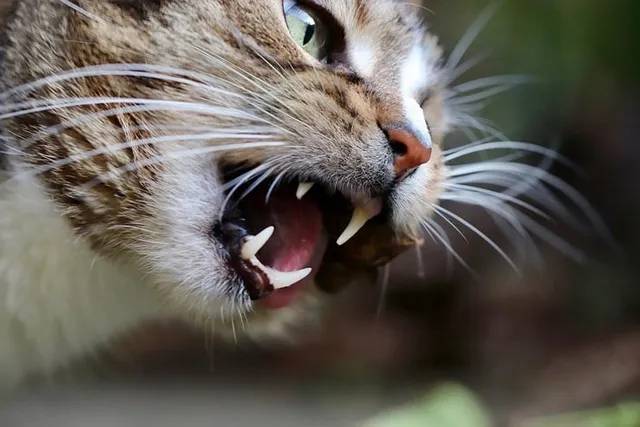
Dental problems are pretty common in cats. When plaque sits on their teeth, it hardens and develops into tartar. Tartar around the gum line causes irritation and inflammation that results in gingivitis, which can lead to full-blown periodontal disease and tooth loss if not addressed.
Dental disease is incredibly painful, and it can cause cats to have trouble eating, which can result in unhealthy weight loss. Thankfully, there are several things you can do to support your cat’s dental health, such as brushing their teeth and ensuring they have regular dental cleanings.

The 8 Tips on How to Take Care of Your Cat’s Teeth
1. Maintain Wellness Visits

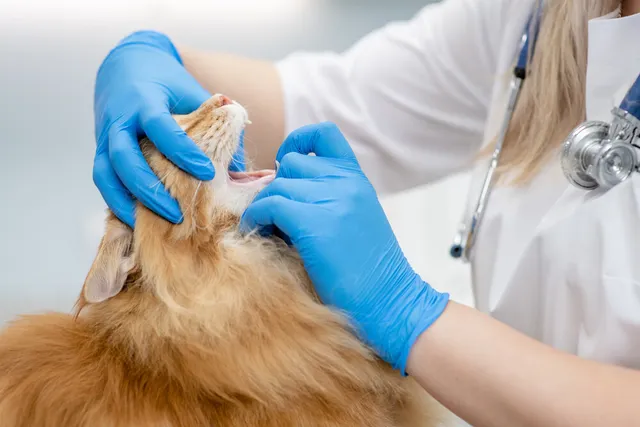
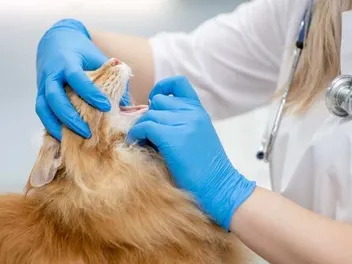
Wellness visits are important for cats’ overall health, and dental exams are usually part of them. Veterinarians look for signs of dental disease during their regular checkups to determine if they need to have their teeth cleaned.
Veterinary exams can ensure your cat’s teeth stay healthy and any problems are caught as quickly as possible, which often makes treatment easier. Healthy adult cats generally need to see the veterinarian at least once a year; senior pets should have checkups at least two times a year.
2. Stay on Top of Dental Cleanings
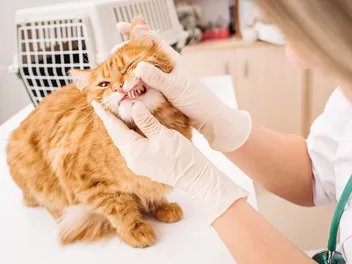
Cats as they age may need professional dental cleanings, which require them to be anesthetized. Veterinarians often run blood tests to ensure cats are healthy enough prior to the procedure. After cats are anesthetized, veterinarians perform a thorough examination that allows them to take a really good look at what’s going on with pets’ teeth and gums.
It’s difficult to know precisely how healthy their teeth are before the cleaning gets started, and x-rays are performed. At the very least, the tartar buildup is removed, and cats’ teeth are polished. Cats sometimes need further treatment to address more advanced problems discovered during exams.
Issues can be addressed during the same appointment, but cats sometimes need to return for another visit.
3. Be Vigilant About Tooth Brushing
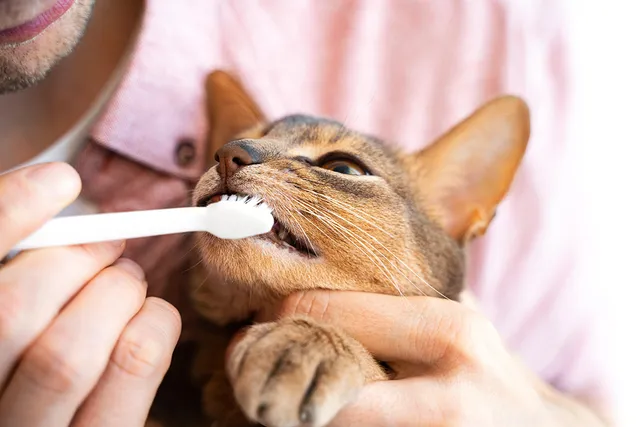
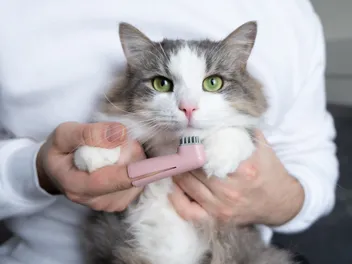
One of the best ways to protect your cat from periodontal disease is with regular tooth brushing, as it helps prevent tartar and plaque from building up and developing into gingivitis. Brushing them every day is ideal, but a few times a week is also fine.
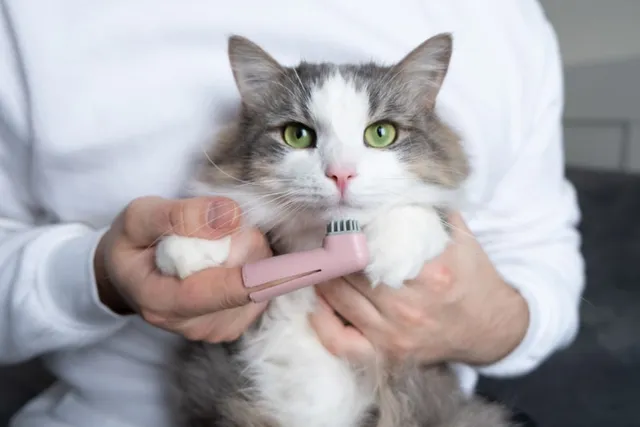
Toothbrushes designed for cats make the process simpler. Small brushes are available that are easy to hold, and other designs that you can slip onto the tip of your finger.
Feline-friendly toothpaste is a must, and it comes in flavors that cats generally enjoy. Do not use human toothpaste since it often features ingredients that can make cats ill.

4. Give Your Cat’s Breath a Sniff
Bad breath is an early sign of dental problems, and you can mention the issue to the veterinarian during your cat’s wellness visit so they can examine their teeth thoroughly.
Because cats are so good at hiding their discomfort, it’s difficult to know when they’re having trouble with their teeth and gums, but checking their breath for foul odors can help you determine if your cat needs to see a vet.
5. Consider a Dental Diet

There are commercial diets specifically designed to support your cat’s dental health. Dental kibble bits are larger than you normally see in adult cat food, which forces cats to bite into them.
The plaque and tartar are removed as cats chew. Products approved by the Veterinary Oral Health Council (VOHC) are starting points, though not the only options. Make sure to speak to a veterinarian before changing your cat’s diet to ensure all of their health needs are met.
6. Add a Few Tasty Treats
Dental treats can also keep cats’ teeth and gums healthy. Keep in mind that cats should get most of their nutrition from their regular cat food, and treats should only make up about 10% of what they eat to prevent weight gain, which is a considerable risk factor when it comes to developing conditions such as kidney disease and high blood pressure.
7. Try Additives, Gels, Sprays, and Wipes

There are also VOHC-approved products you can add to your cat’s water and gels that can prevent plaque from accumulating on their teeth. Gels need to be applied to their teeth and gums to be effective, but they’re perfect for pets who cannot tolerate regular toothbrushing.
Sprays and wipes are also available to make it easy to keep your cats’ teeth in top shape.
8. Use Dental Toys and Silvervine Sticks
Dental toys give cats something fun to do and can be great for their oral health; the chewing action helps keep their teeth clean. Silvervine sticks provide similar dental health benefits, along with a bit of stimulating intoxication.
Silvervine works like catnip and may decrease the plaque build-up on cats’ teeth. Cats should only enjoy silvervine sticks under supervision to ensure they don’t choke on small bits that break off.

Conclusion
Prevention is the name of the game when it comes to cats and dental health. Keeping plaque and tartar from building up on their teeth with regular tooth brushing and dental cleanings can reduce the likelihood of developing gingivitis and painful periodontal disease, which can lead to tooth loss. See also:
Sources
Featured Image Credit: Nils Jacobi, Shutterstock
Expert cat care, straight to your inbox
News, insights, and useful advice, delivered to you.

No spam — unsubscribe anytime.
By signing up, you agree to our Terms & Conditions and Privacy & Cookies Policy.
How useful was this post?
Click a star to rate. You can leave written feedback afterwards. (We read all feedback.)
Lorre Luther is a writer who is firmly convinced that cats are smarter than humans. She left her law career in the United States and moved to the Netherlands to follow her dream of becoming a writer. Lorre currently lives in Rotterdam, she enjoys traveling and greatly appreciates the beauty of nature. Lorre has a spot for animals and admires the intelligence of cats.