Get

In Your Inbox

Catster is reader-supported. When you buy via links on our site, we may earn an affiliate commission at no cost to you. Learn more.

Why Do Cats Massage Other Cats? 4 Vet-Reviewed Reasons & Meanings


Share

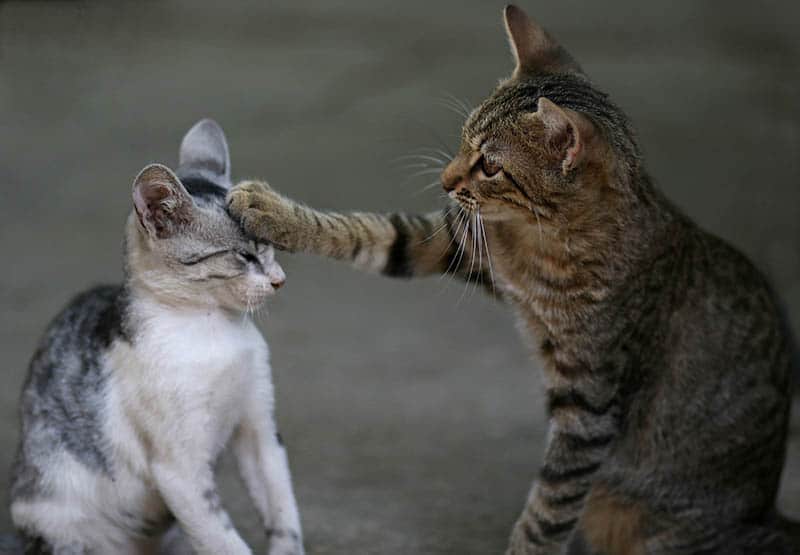
two cats playing

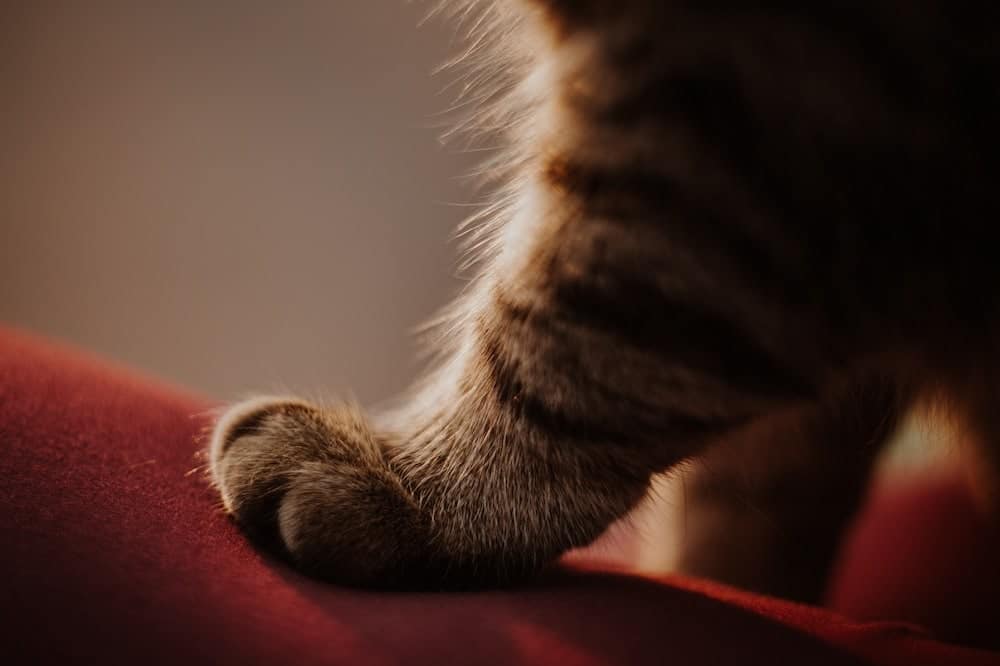
Kneading, which is often called “making biscuits” because the motion somewhat resembles kneading dough, is a common feline activity. Cats may knead their owners, soft cushions, and their belongings, and if you have multiple cats in your house, you may also notice one kneading the other. They may even take turns kneading one another.

The reason for kneading varies, and you will need to consider the context and your cat’s behavior other than the kneading to determine the exact reason why.

Below are six possible reasons your cat might be kneading another cat and whether you should be concerned by the activity. But generally, unless it is causing the other cat any harm or discomfort, it is generally okay to let the activity continue.

divider cat faces oct 2024

The 4 Reasons Why Cats Knead Each Other

1. Marking

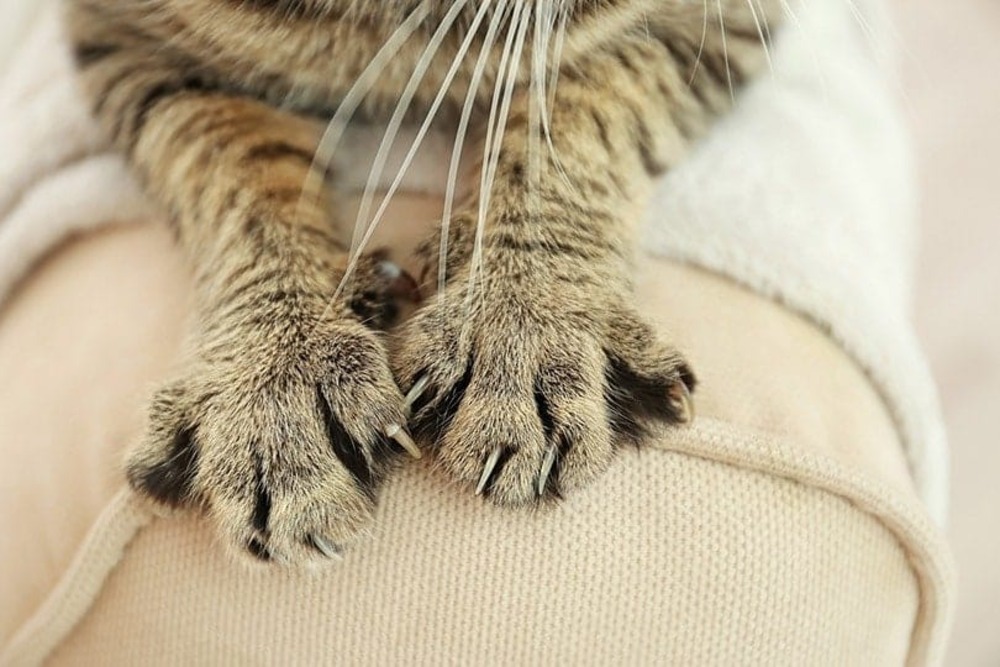
Cats have scent glands in their paws, and as they scratch surfaces, they deposit their scent onto them. They then rub the scent on the other cat or any other surface they knead. It can be a sign of marking their territory. However, generally speaking, the odds of a cat marking each other this way are extremely low. In fact, it is most often associated with milking, which we’ll discuss next.


2. Milking

oung kittens knead their mothers to stimulate milk production so that they get more milk when feeding. Your cat may be kneading as a throwback to their younger years and as an instinctive reaction. In this case, the kneading is often accompanied by suckling, and while this activity is more likely when kneading blankets or your sweater, it can involve another cat. This activity is most common on kittens that were weaned too early (either due to being displaced from their mother or the loss of a mother). It is also more common in all male litters.

mother and kitten
Image By: vargazs, Pixabay

3. Affection

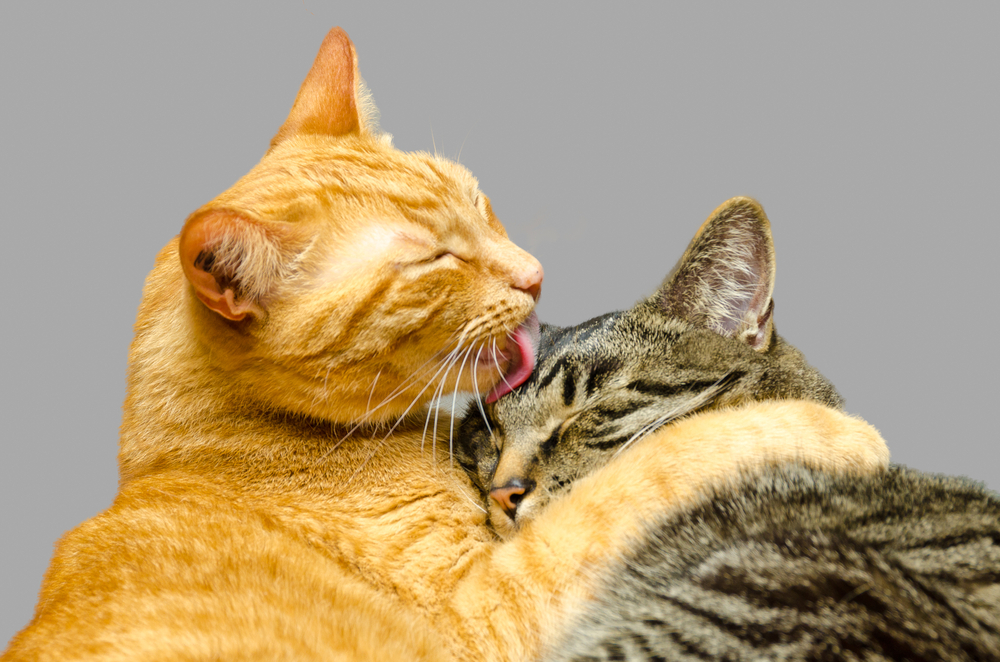
Generally, a cat has to be entirely comfortable to knead a person or another cat. The cat would be displaying their affection for the other cat, and you are unlikely to see a cat kneading a cat that they dislike or are scared of.

Silver Siberian cat grooming her kitten
Image By: Massimo Cattaneo, Shutterstock

4. Contentment

It is a common sign for a cat to be purring and squinting their eyes while kneading, and these are all signs of contentment and happiness. It’s why your cat is more likely to knead your lap after a meal and while getting a good scratch behind the ears. If your cat is kneading another cat, they could just be showing how content they are.

divider cat faces oct 2024

Is Kneading a Sign of Littermate Syndrome?

Littermate syndrome occurs when two siblings from the same litter become overly dependent on one another. This condition is normally only recognized in puppies. Fortunately, this is not a recognized condition in cats or kittens.

Should You Stop the Kneading?

Generally, there is no reason to stop the kneading from taking place unless it is causing pain to the cat on the receiving end. It is thought to be an affectionate activity, and it is certainly a natural activity. You should only intervene if it seems to bother one of your cats.

cat sleeping in owner's arms
Image Credit: Impact Photography, Shutterstock

Should I Let My Cats Play Fight?

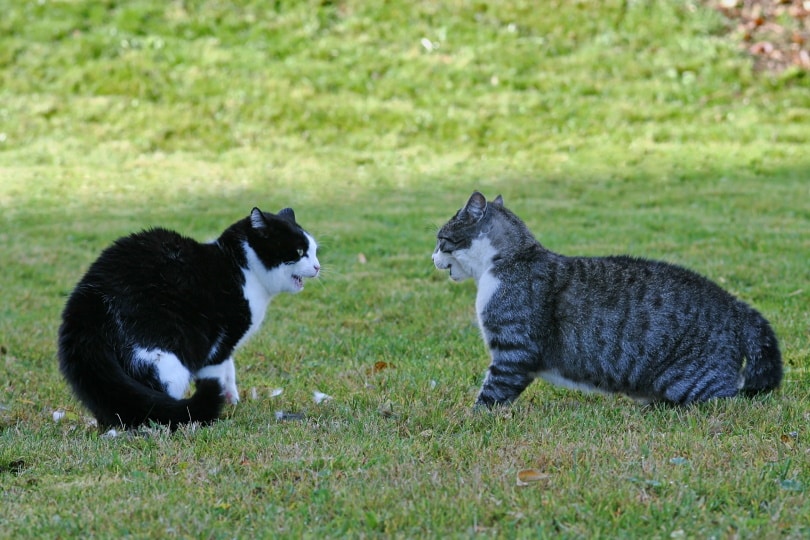
Cats play fight to hone their hunting and other natural instincts. It is a natural activity and one that should not be discouraged unless the play gets rough. Play fights among cats rarely get serious, but if they do, you should let them settle down a bit before you separate them. If you immediately jump in between a fight, one or both of your cats may end up attacking you. Ask a veterinarian about the best and safest ways to break up a cat fight.

If you need to speak with a vet but can't get to one, head over to PangoVet. It's an online service where you can talk to a vet online and get the advice you need for your pet — all at an affordable price!

PangoVet_Mention-in-Content for PangoVet2 save money

Why Do Cats Headbutt?

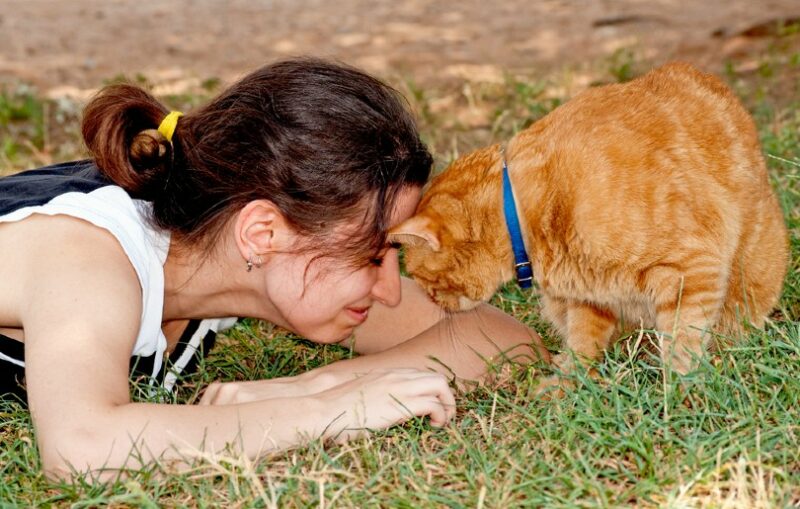
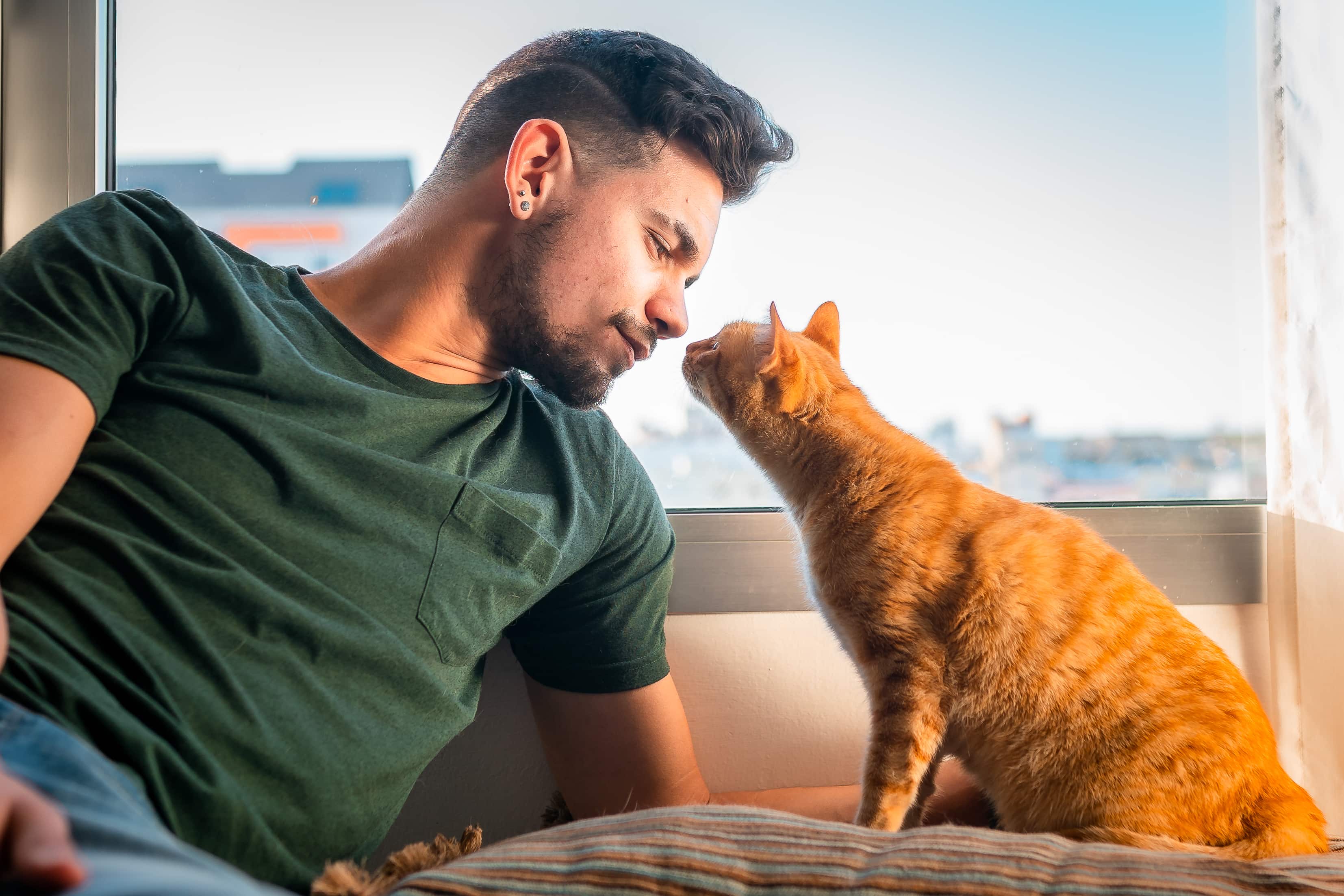
Like kneading, headbutting is a natural feline interaction. Cats headbutt their owners to show affection and proximity. They also headbutt to mark territory. It is a form of social bonding and should be considered a positive action rather than a negative one.

divider cat faces oct 2024

Conclusion

Cat kneading is a natural behavior. It can be unpleasant if your cat gets carried away when kneading you, but it is most often a sign of affection. Similarly, when a cat kneads another cat, it is usually a sign of affection or contentment, although it may also be a sign of early weaning in some cats.


Featured Image Credit: AdinaVoicu, Pixabay

Want content like this delivered to you?

Sign Up For Our Newsletter

News, insights, expert advice, and everything cat

* By submitting, you agree to our Terms & Conditions and Privacy & Cookies Policy.


How useful was this post?

Click on a star to rate (you can leave written feedback after clicking submit)

Help us improve Catster for pet parents!

Your feedback really matters.

What did you like about this post? Also how can we improve it?

Join the conversation

Leave a Reply

You’re very welcome to leave a comment or question. Please know that all comments must meet our community guidelines, and your email address will NOT be published. Let’s have a positive and constructive conversation.


Talk With A Vet Online

Peace of mind,
anywhere, anytime

Affordable vet advice

Why Chicken Bones Are More Dangerous for Cats Than Most Parents Realize

Chicken bones seem harmless enough, but for cats, they can cause serious damage quickly. Whether your cat swiped a piece off the counter...

Fantastic Pet Pantries and Where to Find Them

Let’s face it: times are really tough right now, and those of us in the 99% are struggling with the cost of just...

Ask Dr. Paola – Help! My Cat Refuses to Drink Water! (April 13, 2026)

Welcome to our “Ask Dr. Paola” series, where every Monday we bring expert advice straight from Dr. Paola Cuevas (MVZ) to help our...

Why Healthy Cats Still Vomit Sometimes (And How to Respond)

A cat that just vomited needs a specific kind of care, and the feeding decisions you make in the next few hours actually...

More related

We Chat With Hannah Shaw, the “Neonatal Kitten Warrior”

More than a decade ago, Hannah Shaw was walking along a street in Philadelphia when she looked up into a tree and saw...

Why Does My Cat Sleep on My Pillow? 5 Vet-Reviewed Reasons

Cat owners are no strangers to waking up with cat fur in their faces, followed by the faint sounds of a purring, content...

How to Put a Cat on a Diet: How, Why & 4 Vet-Approved Steps to Follow

As you may or may not know, cat obesity is a problem in the United States, so much so that up to 63%...

Are Sphynx Cats Hypoallergenic? Breed Facts & Allergy Tips

The iconic Sphynx cat has taken the world by storm and is one of the most sought-after and famous cats today. It’s no...

Keep reading

Are Irises Poisonous to Cats? Vet Approved Facts & Safety Tips

You likely know how it feels when you discover that your cat has eaten something and you have no idea whether it’s safe. Things that kitties seem quite fond of include plants and flowers, which are common in households. While...

Catster_Are Irises Poisonous to Cats

Are African Violets Poisonous to Cats? Vet-Reviewed Houseplant Safety Guide

African violets are common houseplants that are relatively easy to care for. They have soft and fuzzy leaves and produce pretty and dainty flowers. Fortunately, African violets aren’t poisonous to cats, so these pet owners can have as many of...

Catster_Are African Violets Poisonous to Cats

How to Tell If a Cat Has Anxiety (12 Signs to Look Out For)

Anxiety isn’t something experienced by humans only; cats can also get it. It can be caused by various factors, like past trauma or a cat’s natural disposition. When your cat is anxious, they may anticipate a danger ranging from the...

scared British blue-point cat hiding under the bed

Can Cats Eat Baked Beans? Vet-Reviewed Risks & Alternatives

Some kitties are notoriously fussy eaters and others will eat anything in sight. For the latter, almost any food can be tempting, including a warm, delicious bowl of freshly baked beans. But while some human foods are safe for our...

Can Cats Eat Baked Beans

6 Best Cat Calming Supplements for Anxiety & Stress in 2026 – Reviews & Top Picks

There are plenty of reasons our pets can suffer from anxiety or stress. If you have a very skittish or stressed cat, you can buy supplements to help them alleviate their problem. These supplements don’t require a prescription, so you...

Scottish Cat with gold eyes takes a pill or medicine close up

Why Does My Cat Wink at Me? 3 Vet-Verified Reasons for This Behavior

If you are like most cat owners, you are regularly surprised by your cat’s behavior. Cats are rarely predictable, at least until they get old and set in their ways. One quirky thing that some cats seem to do is...

A photo of a lazy Cat winking at the camera

Is Free Feeding Cats the Best Method? Vet-Verified Pros & Cons

How and when you feed your cat is almost as important as what you feed them. Indeed, your cat relies on you to determine when, what, and how they eat, which impacts their well-being and health on many levels. For...

cat eating food from the bowl

How Long Do Tabby Cats Live? Vet-Approved Lifespan Facts

Tabbies are one of the most popular cats in the world. However, some people don’t know that they are actually not a specific breed. A cat is considered a tabby because of its unique coat pattern, whose appearance can vary...

tabby with green eyes laying on a rug

Love Cats? So Do We! Join the Catster Community

Stay informed with expert pet care insights delivered straight to your inbox! Discover professional guidance on animal behavior, feeding tips, trusted product picks, and much more.


Sign up for the Catster Email Newsletter

Stay informed with expert pet care insights delivered straight to your inbox! Discover professional guidance on animal behavior, feeding tips, trusted product picks, and much more.