7 Interesting Facts About Tortoiseshell Cats for Feline Lovers
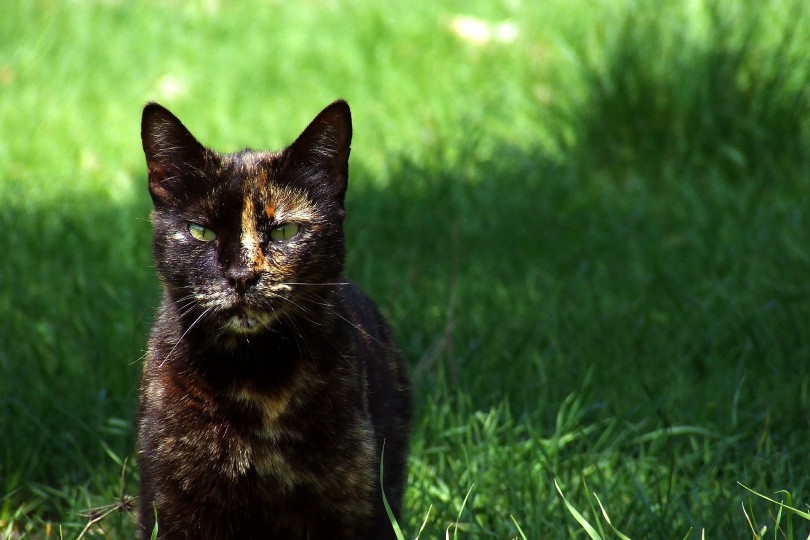
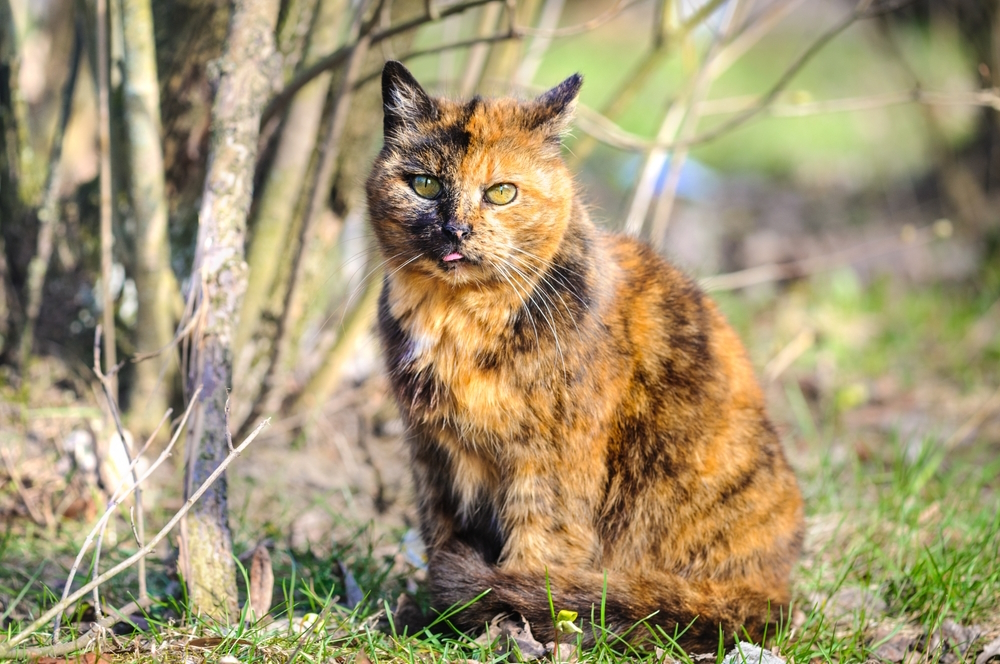
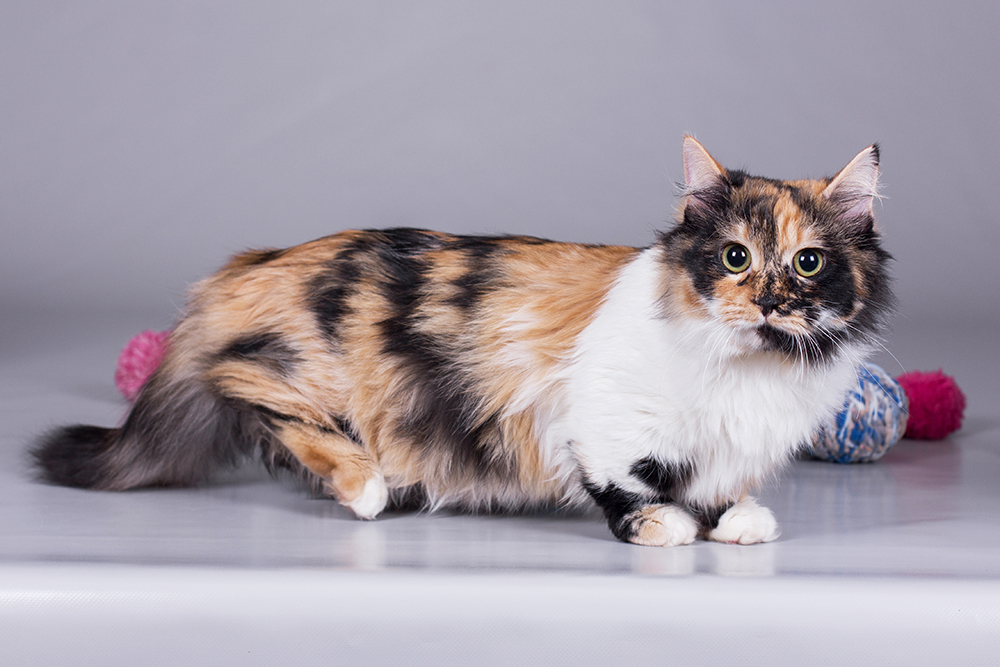
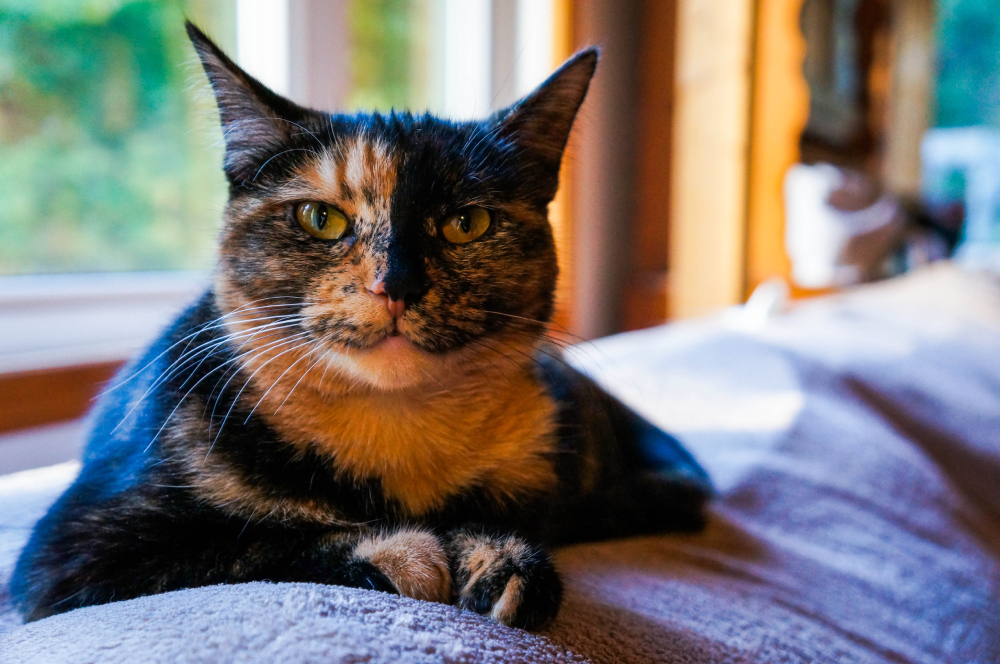
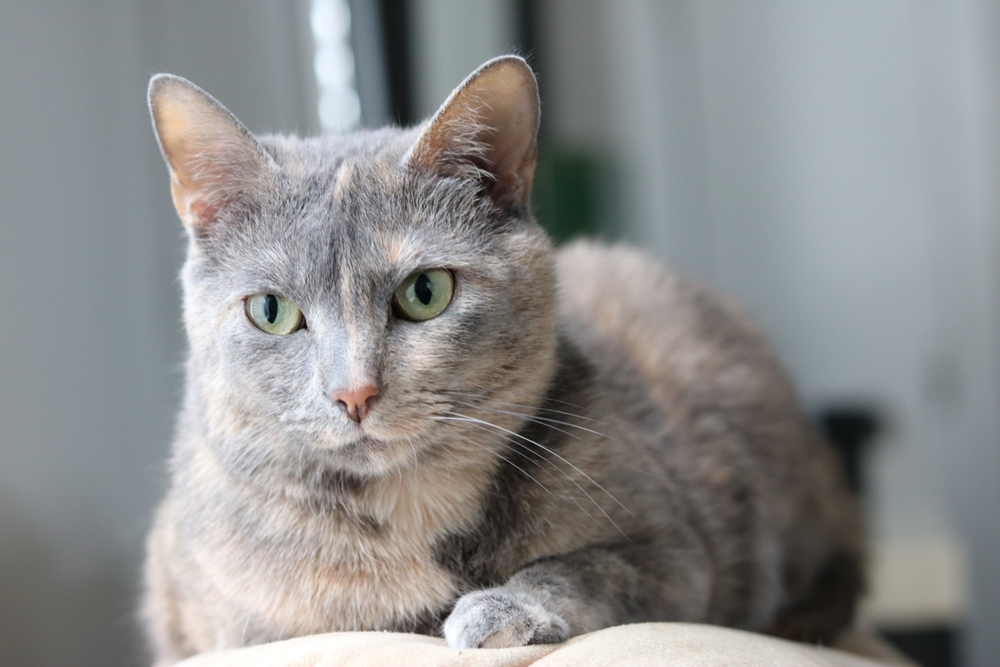
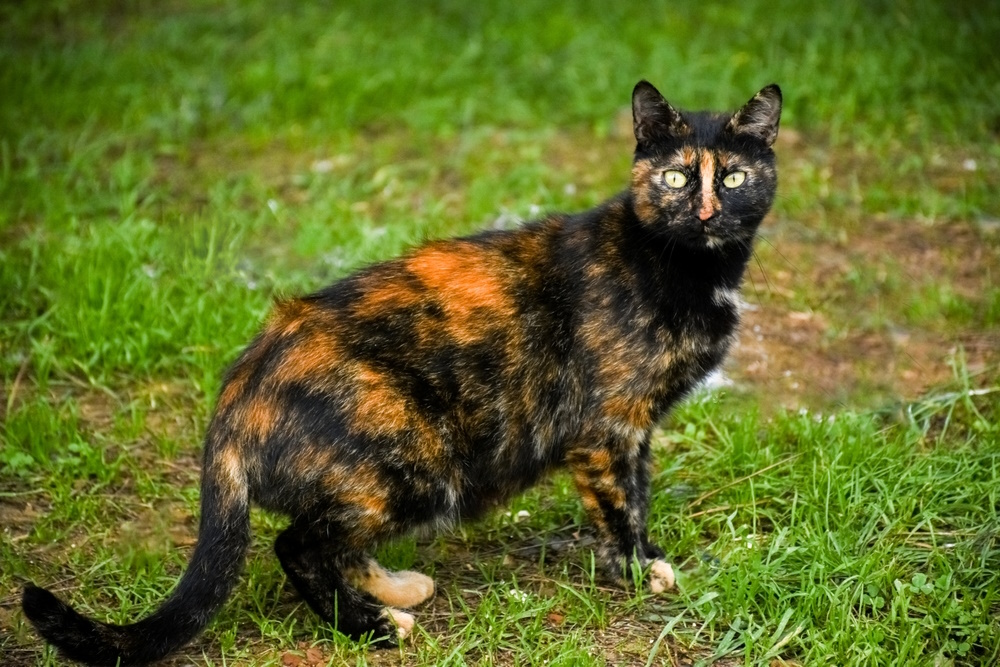
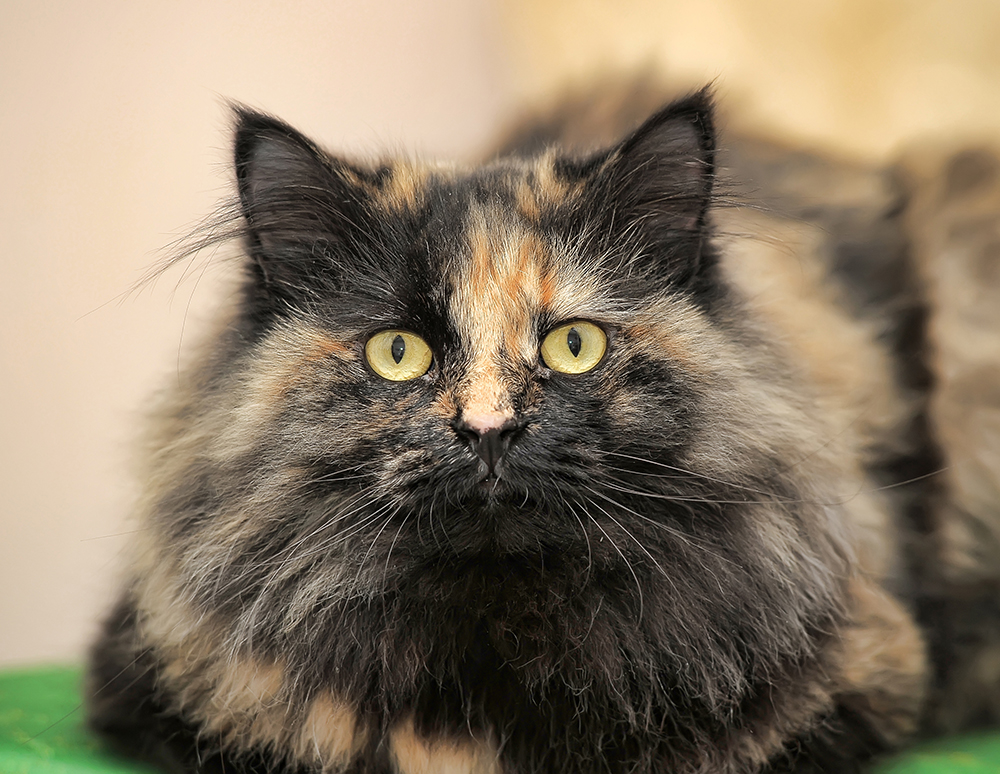
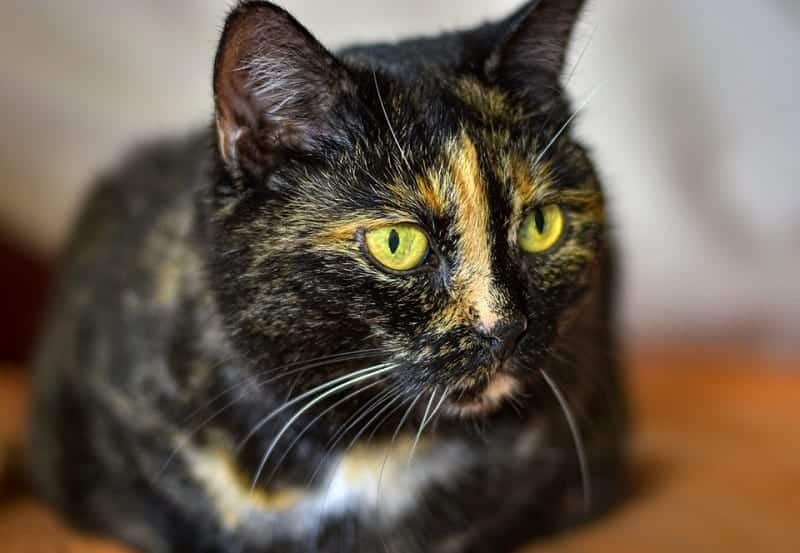
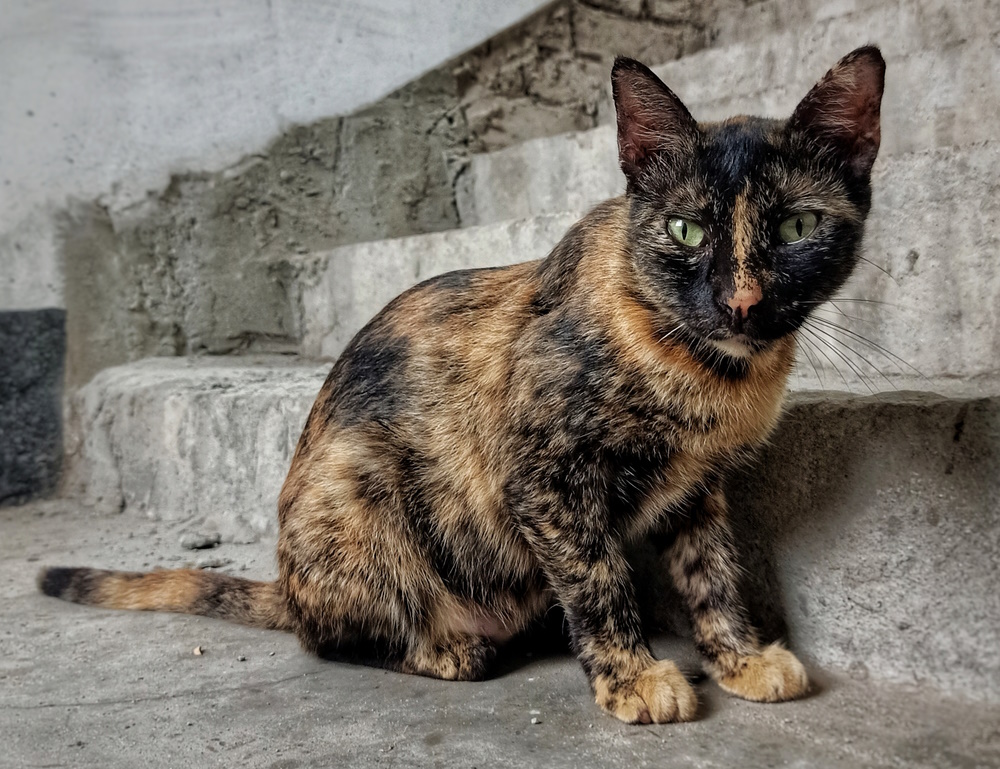
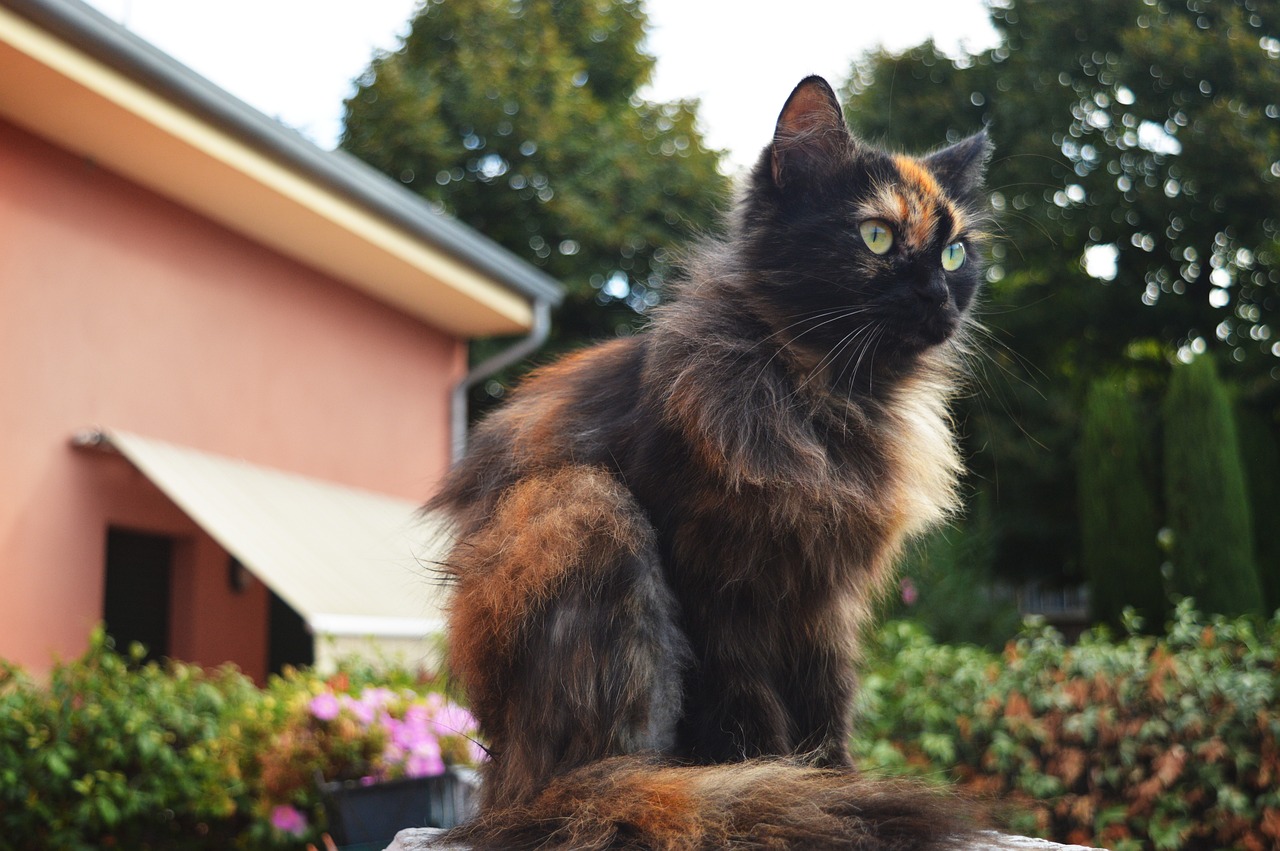
There are few cats as naturally striking as tortoiseshells. These animals look like actual works of art, except you won't get kicked out of a museum for petting them. "Tortoiseshell" isn't a particular species of cat, but rather, it refers to a type of marking; specifically, a tortoiseshell cat has two colors other than white. Those colors are often red and black, but you'll also find orange, yellow, gray, and blue mixed in at times.
There's more to these cats than just attractive markings, though. This post will reveal seven interesting facts about these beautiful creatures.

Top 7 Facts About Tortoiseshell Cats
1. Tortoiseshell Cats Are Almost Always Female
The gene responsible for most of the colors you'll find on beautiful tortoiseshell cats is almost always found on the X chromosome. As a result, like with calicos, virtually every tortoiseshell you'll see will be a girl.
There are some male tortie cats, but they're extremely rare. They're also usually sterile, so there's little chance of them passing on their special mutation to future generations.
2. You Can Find Tortoiseshell Cats in Many Different Breeds
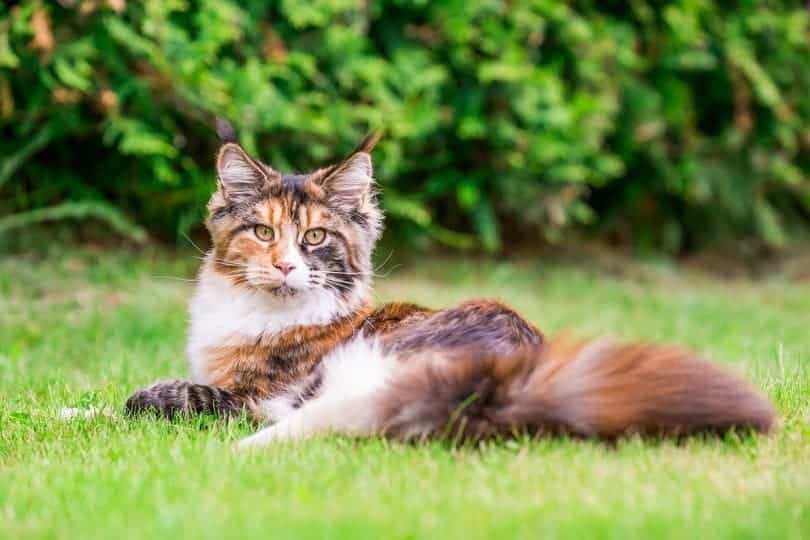
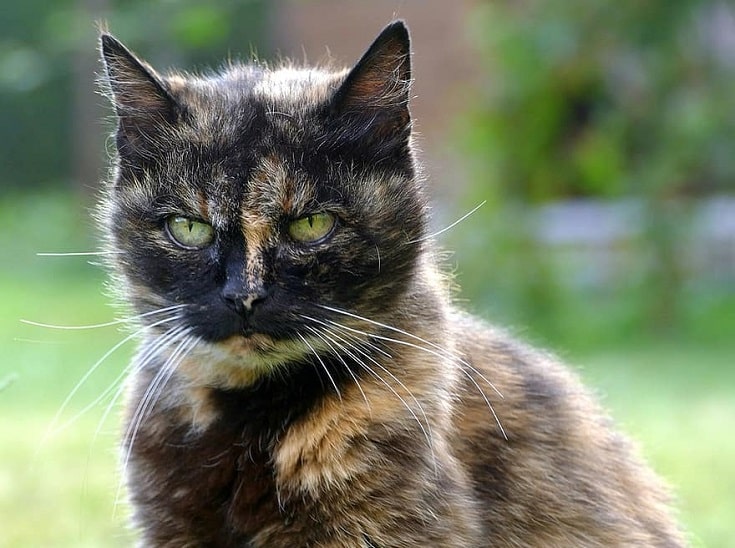
Tortoiseshell cats are in almost every breed, including purebreds and mixes. They're also found in both short- and long-haired cats.
Some breeds are much more likely to produce tortoiseshell individuals, though. Japanese Bobtails and Cornish Rexes are two breeds known for having quite a few tortoiseshell members, so if you love these cats, think about adopting one of these two breeds.
3. There Are Two Different Types of Tortoiseshell Cats
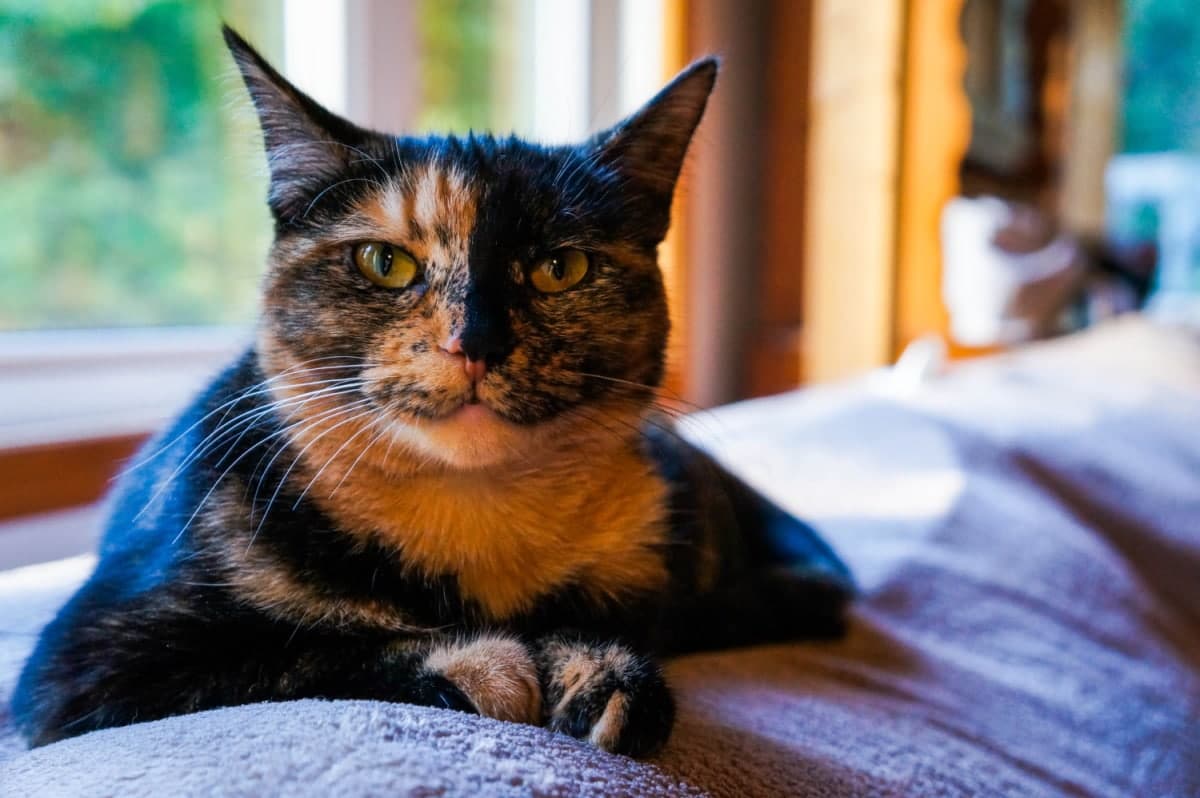
There are two distinct types of tortoiseshells: mosaic and chimera. Mosaics have their colors mixed randomly in large swirls and swaths across their body. On the other hand, Chimeras have clearly demarcated appearances, with one color on each side.
Mosaic tortoiseshells are more common, but chimeras aren't exactly rare. If you have a particular attachment to either type, you shouldn't have too much trouble finding a tortie kitten that meets your needs.

4. They Have Different Types of Fur
Beyond the two color types, you'll also find two types of fur: bridled and patched. Bridled tortoiseshells have their colors mixed tightly together, whereas patched tortoiseshells have large sections of each color all over their bodies.
The two fur types are equally common, so you shouldn't have an issue finding either one.
5. They're Named After Tortoiseshell Material
If you've ever seen tortoiseshell glasses, you know how these cats got their name. Tortoiseshell used to be made of tortoise shells, and it was used in everything from jewelry to home décor.
However, demand for the material led to tortoises nearly going extinct, so in the 1970s, the switch was made to synthetic tortoiseshell. Tortoiseshell cats, however, are still all-natural.

6. Tortoiseshell Cats Are Notoriously Feisty
Many people believe that tortoiseshells have more attitude (called "tortitude") than other cats, and you'll find all sorts of anecdotal reports that tortoiseshells have extremely short fuses. There's even been a study that concluded that tortoiseshells are more likely to exhibit aggressive behaviors like biting, hissing, and scratching.
They may not be moodier than other cats, but they may be more sensitive to outside stimuli and changes in their routine. As a result, you should try to keep your cat on a predictable routine (unless you enjoy being attacked by your cat, of course).
7. They're Considered to Be Good Luck in Many Cultures
Many cultures worldwide have a soft spot for these cats, and they're almost universally considered good luck. In Scotland and Ireland, having a tortoiseshell enter your home is thought to be a sign that good fortune will soon come your way, and in the U.S., they're actually considered "money cats".
Perhaps the most effusive praise comes from Asia, though, where it's thought that tortie cats come from the blood of a young goddess born of a lotus flower. Japanese fishermen also believe that these cats can ward off ghosts and storms, which does sound rather lucky.


Final Thoughts
Tortoiseshell cats and tortie kittens are absolutely beautiful, all the more so because they can be found in just about any breed. That gives them a variety of quirks and features that help set them apart from other cats.
Of course, at the end of the day, a tortoiseshell cat is just a regular cat with the same needs as any other. While they're beautiful, they're no more special than their regularly colored compatriots.
Then again, any cat that can deter ghosts is probably worth keeping around!
Related Reads:
Sources
Featured Image Credit: Ranya, Pixabay

Expert cat care, straight to your inbox
Vet-reviewed advice, behavior tips, and the best of Catster. Free, and you can unsubscribe anytime.
By signing up, you agree to our Terms & Conditions and Privacy & Cookies Policy.

Christian started writing for a local newspaper as a teenager, and he's been involved in the publishing industry for most of his adult life. Combining his love of writing with a passion for animals, he is currently the Director of Editorial at Pangolia and the Editor-in-Chief at Catster.
Christian lives in the Philippines with his wife, son, and four rescue cats: Trixie, Chloe, Sparky, and Chopper.
Join the conversation
Ask a question, share your story, or send private feedback.