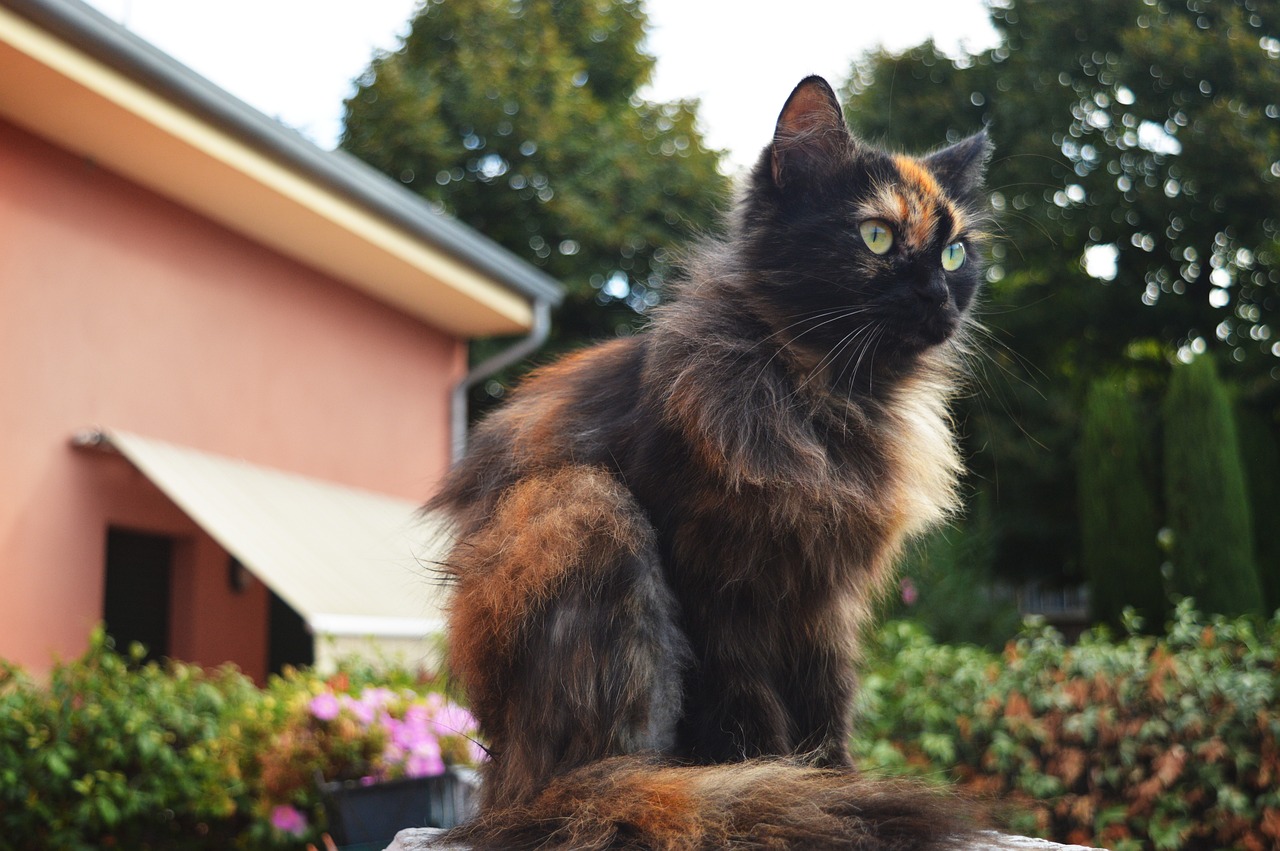
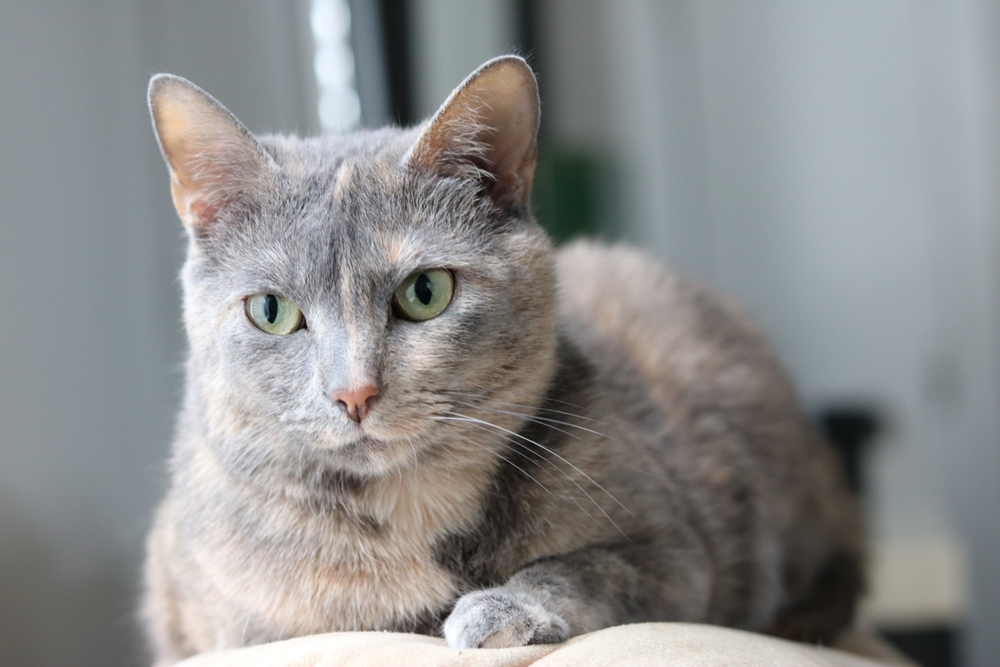
How to Care for a Tortoiseshell Cat: 9 Vet-Approved Tips

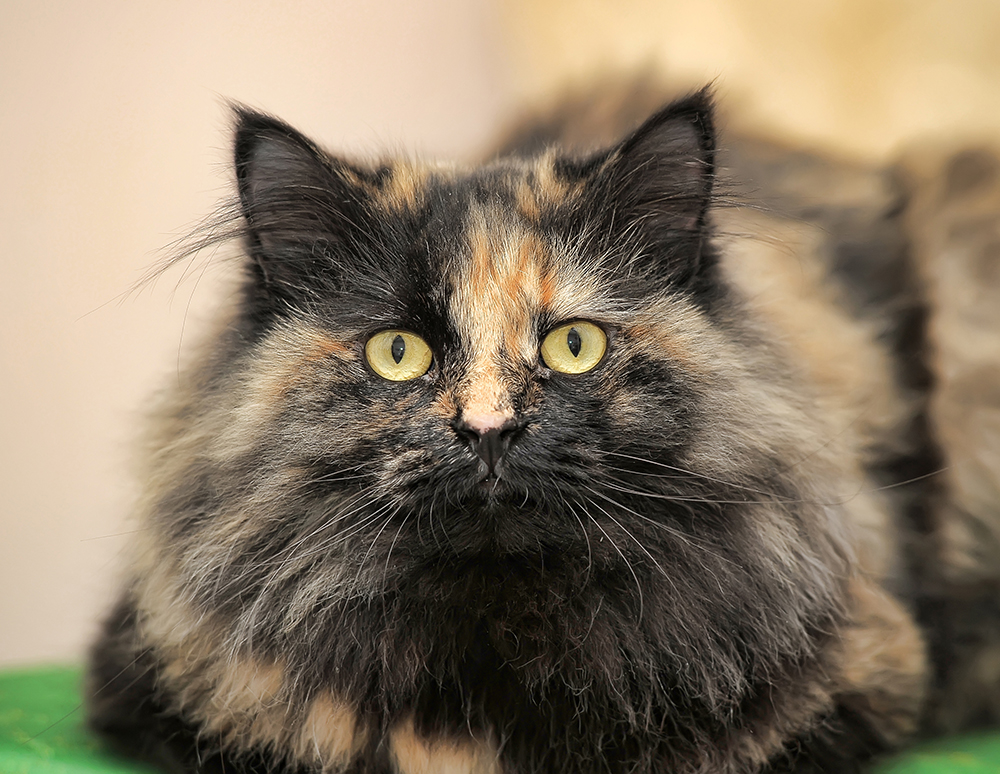
You’ve decided to adopt a Tortoiseshell cat and give them a forever home. Now, you’re wondering how to care for your new little friend. There are quite a few breeds that have Tortoiseshell coats, including Ragdolls and Persians. In this guide, we give you a few concrete tips for taking care of your Tortie that you might not have known.

How to Care for a Tortoiseshell Cat
1. Provide Fresh Water Every Day
One of the first things you need to know about taking care of a Tortie or any cat is that they need fresh water daily. Some cats don’t drink well from a bowl, so you might want to get a water fountain. Senior Torties may not like bending down to drink, so an elevated bowl may be more comfortable. Whichever option you choose, it’s vital for them to have fresh, clean water at all times.
2. Regularly Groom Your Cat
Whether your Tortie is long haired or short haired, you will need to groom them regularly. Regular brushing or combing removes loose fur and dead skin, which prevents the cat from ingesting these when they self-groom.
If you don’t like grooming your cat or don’t have the time, you can hire professional groomers who will be glad to do the job for you for a fee.

3. Keep an Eye on the Litter Box
It’s crucial to keep an eye on your cat’s litter box. If you have multiple cats, ensure that you provide enough litter boxes for them to use. Another plus of monitoring the litter box is that you can see if there are changes in the cat’s feces and urine and report the changes to your vet.
You also need to make sure your pet isn’t urinating outside of the litter box. This could have numerous causes, from the cat not liking where the litter box is located to the box being dirty. However, before you decide it’s the litter box or your cat is just being naughty, make an appointment with your vet to ensure there isn’t a medical issue.
4. Always Use a Cat Carrier
One of the best ways to take care of and protect your Tortie is always to use a cat carrier when you take them anywhere. Having your cat walking around the car is unsafe and you could end up in trouble or worse, in an accident.
Make sure that you use the seatbelt in your car to secure the carrier, to avoid the cat sliding around and possibly becoming injured should something happen.
5. Teach the Tortie to Use a Scratching Post
Sharpening their claws and stretching out is vital for cats, but your furniture can suffer damage without a dedicated scratching post. The scratching post protects your furniture and allows your little Tortie to stretch their muscles and keep their claws as sharp as they need to be.
6. Keep Regular Checkups
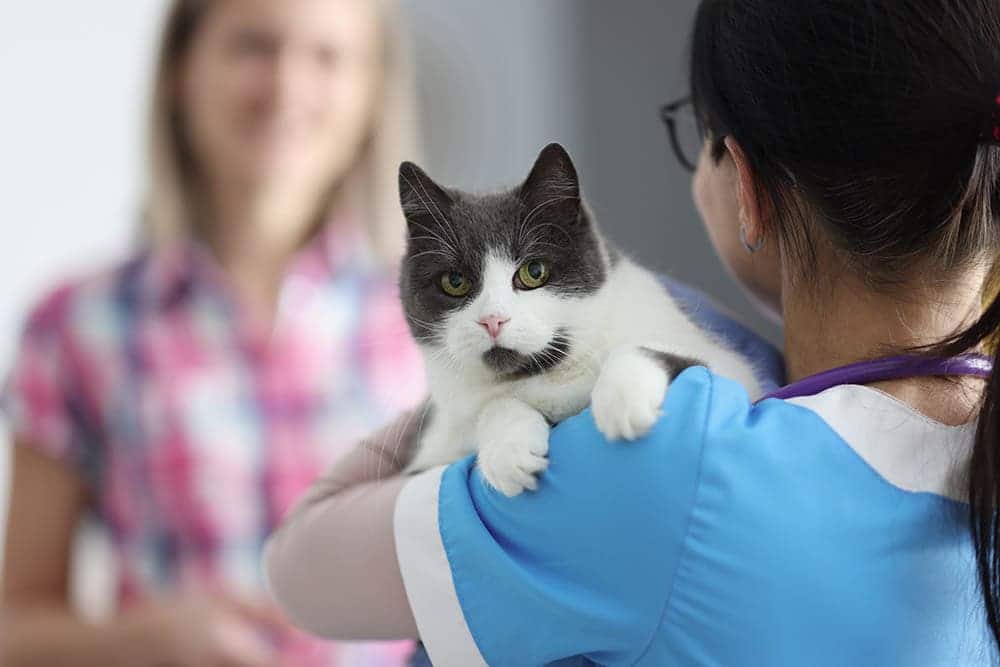
Another crucial aspect of Tortie care is to establish regular checkups with your cat’s vet. Since your Tortie can be a mixed breed or belong to many of the recognized cat breeds, it is important to be familiar with any genetic predispositions.
Since cats cannot speak, vet check-ups are a must. If you keep taking your cat in for regular checkups, your vet may find problems early on and be able to diagnose and treat them right away before they get severe.
Besides, the vet can recommend any deworming or flea-preventative treatments your Tortie might require.
7. Clean Your Cat’s Teeth
When it comes to a cat’s health, many pet owners don’t realize that it’s essential to keep their cat’s teeth clean. Like humans, cats develop tartar on their teeth, and if it’s not removed, they can end up with gum disease and tooth decay.
The bacteria can then work into your feline pal’s bloodstream, making them sick or worse. To prevent this from happening to your Tortie, brush your cat’s teeth regularly with vet-approved toothpaste. Never brush your cat’s teeth with toothpaste meant for humans since there are ingredients in the toothpaste that can make your cat sick.
Make sure that you schedule an appointment with your vet to have your cat’s teeth cleaned at least once a year.
8. Spay or Neuter Your Cat
Whether your cat is a female or male Tortie (which is rare but does happen), reproductive issues can make them sick or result in death. If you don’t want to breed your cat, it’s best to have them spayed or neutered early. You won’t have to worry about unwanted kittens, and your cat’s health will thank you.
9. Microchip Your Cat
It’s also a good idea to get your cat microchipped when they go to the vet for the first time. It’s not an expensive or dangerous procedure, and it’ll protect your little friend from harm should the worst happen. Although some vets will charge a few hundred dollars for microchipping, you may be able to find a shelter or other facility that offers more affordable prices for the procedure.
Conclusion
These are just a few tips to help you take care of your Tortoiseshell cat or any cat that you might decide to give a forever home. While Torties might have gorgeous coloring and be quite rare at times, they are still like any other cat and must be taken care of in much the same way.
Remember, the best thing you can do for your new feline friend is to love them, treat them, monitor their health, and be as loyal to your feline as they're going to be to you.
Featured Image Credit: Anna Krivitskaya, Shutterstock

Expert cat care, straight to your inbox
Vet-reviewed advice, behavior tips, and the best of Catster. Free, and you can unsubscribe anytime.
By signing up, you agree to our Terms & Conditions and Privacy & Cookies Policy.
Patricia is a pet writer and lifelong animal lover. She has two cats (Binx and Link) and one dog (Mystery). Binx was found as a kitten under her house and has been part of the family ever since! Patricia is also a published author under the pen name Skylar McKinzie. When she isn’t writing, Patricia enjoys volunteering at her local animal rescue.
Join the conversation
Ask a question, share your story, or send private feedback.