Do Cats Like the Sound of White Noise? Vet-Reviewed Facts & FAQ


In this article
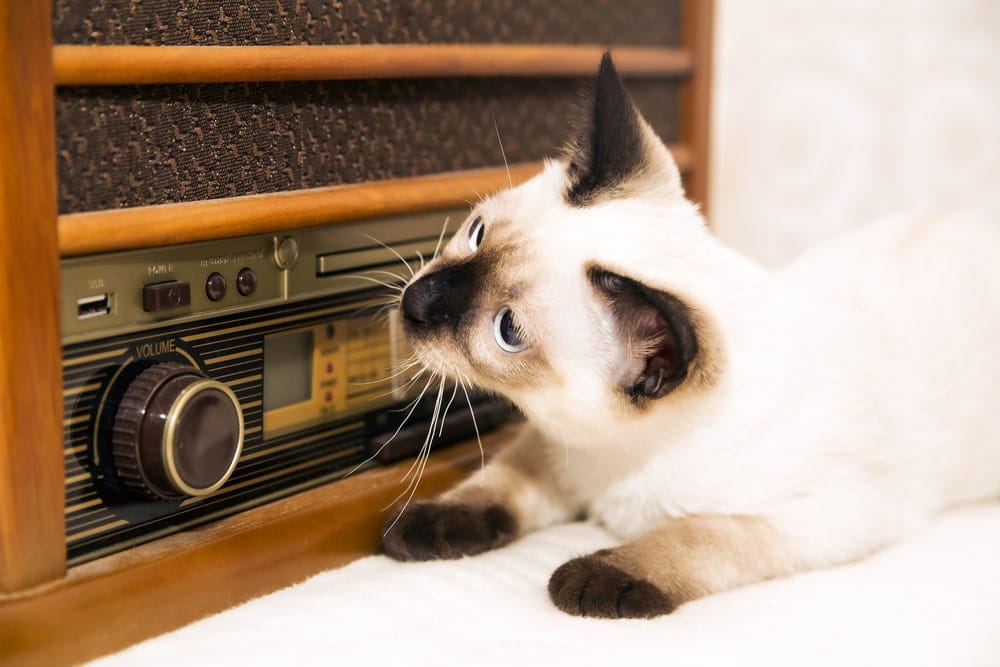
Cats are known for their finely tuned senses, including their excellent hearing. This helps them evade predators in addition to hunting prey effectively. However, due to your cat’s sensitive ears and sensitivity to loud noises, as their pet parent, you should consider whether it's okay to have white noise around your feline.
Some cats do seem to like the sound of white noise, while others are put off by it. Then there are those that don’t seem to care about it one way or the other.
Here, we explore whether white noise can benefit your cat, along with other sounds, such as music, that your cat might enjoy.

What Is White Noise?
In essence, white noise is a type of sound that contains all frequencies of audible sounds at the same volume. This is also why some call it broadband noise, since it encompasses multiple bands of sound.
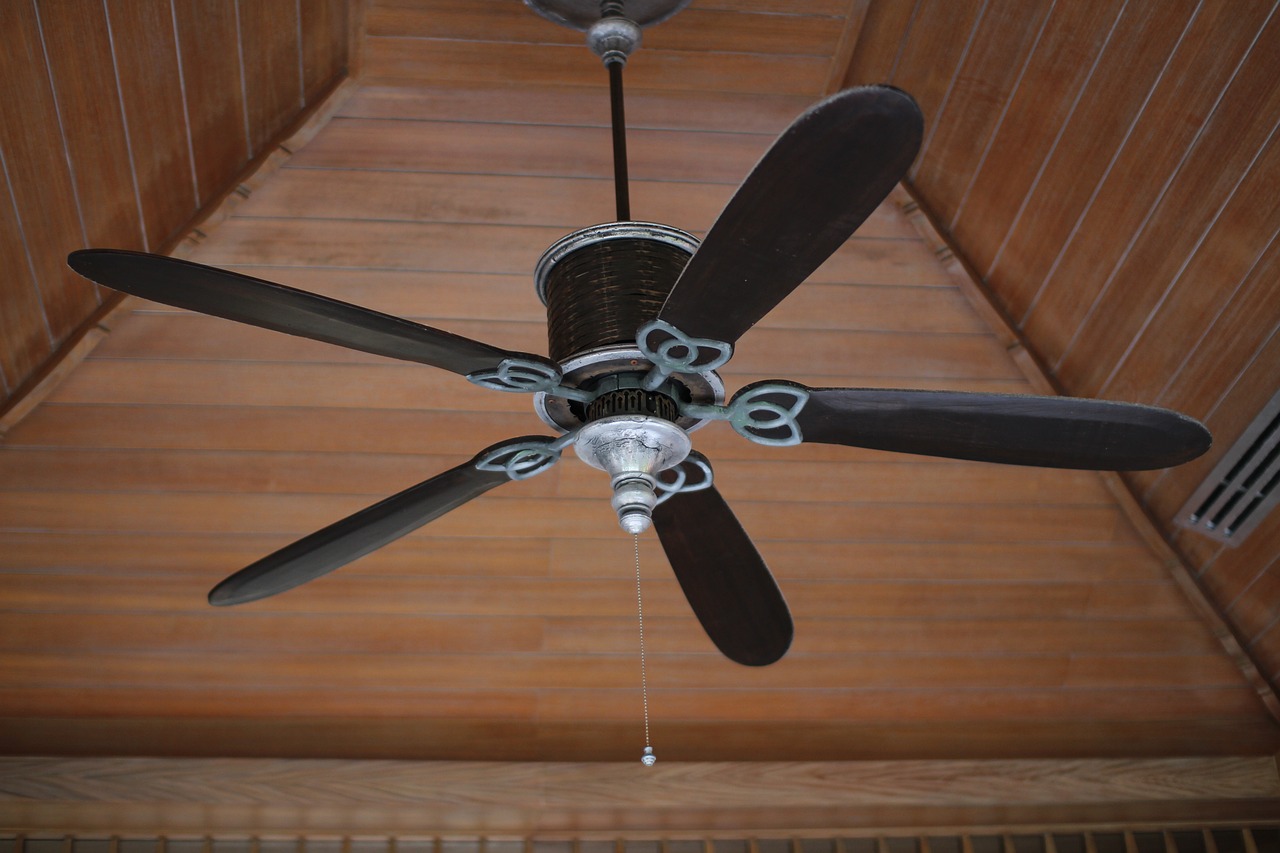
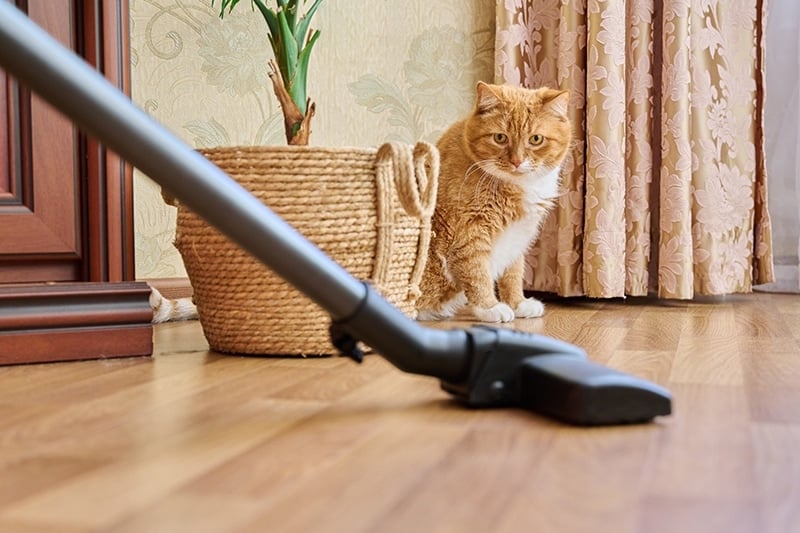
It’s called “white” noise because white light contains all colors of the spectrum, just like white noise contains all frequencies. Most people associate white noise with static that comes from a TV channel or radio without a signal. It’s also been likened to the sounds of a fan or a running vacuum.
Studies have indicated that white noise can help improve sleep quality, reduce crying in babies, enhance work performance, and alleviate certain signs of ADHD in children 1.
Can White Noise Work for Cats?
Unfortunately, no studies have been conducted to date to investigate the effects—good or bad—of white noise on cats. But it is considered a tool in the management of noise phobia or aversion in cats. It is important to consult with a vet or feline behaviorist if you suspect that your cat has fear of noises.
Felines are highly sensitive to loud and sudden sounds, which can be even more problematic for those dealing with anxiety issues. White noise can help drown out loud background noises or any sound that might be upsetting to your cat, thereby creating a more relaxing environment.

Do Cats Prefer Quiet Over White Noise?
Some definitely do. All cats have their own individual personalities and preferences. If your home environment is already fairly quiet, the white noise might annoy your cat or potentially make them nervous.
Cats seem to prefer to hear the various nuances of sound in their surroundings, as it gives them a greater sense of security. So, if there isn’t anything in your home that is stressing out your cat noise-wise, the white noise likely isn’t necessary. If your cat is more anxiety-ridden, they might be jumpy in a quiet place, so white noise might work better for them.
Ultimately, you know your cat best and can make the best decision for their well-being.

When Can White Noise Help Cats?
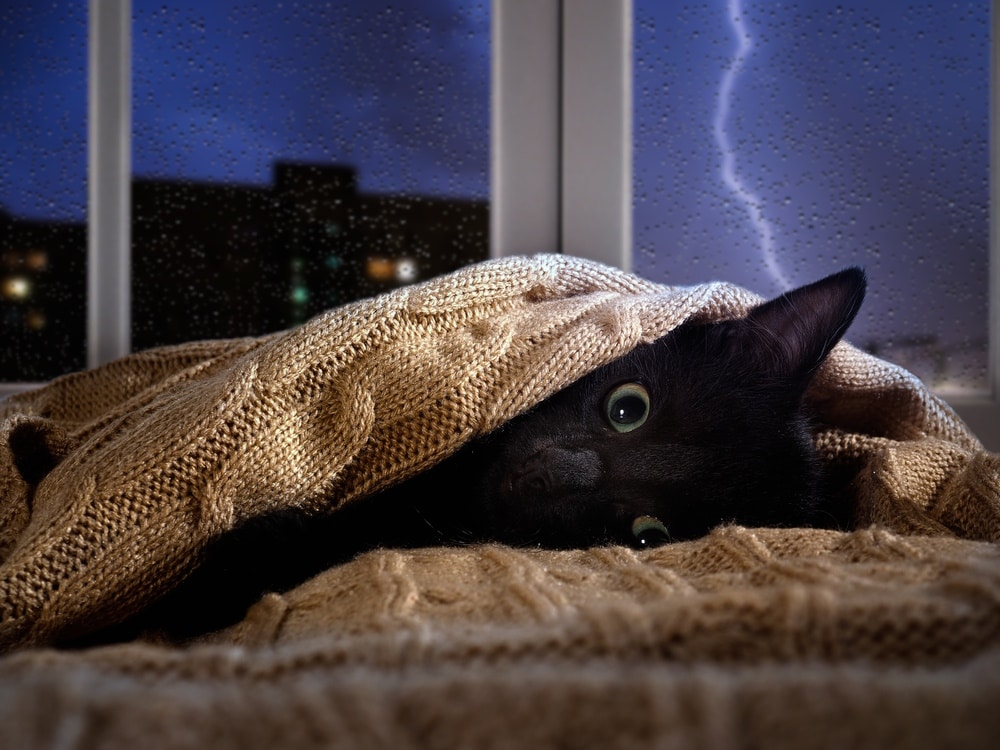
White noise can be a valuable tool to help calm cats that suffer from noise aversion during loud, stressful events. This is especially true during sudden loud noises, known as "spike noise," as white noise can help smooth out the spikes and create a more calming environment.
While it's always best to deal with noise issues directly, there may be times when you have no control over the situation, and that's when white noise can come in handy.
The following are situations in which white noise might help your cat:
Choosing a White Noise Machine

If you think that your cat might benefit from white noise, there are a few things that you should consider before buying a machine. If you already have a fan, that could be an easy, cheap option, but your cat won’t likely appreciate the blowing air.
- Look for a white noise machine with multiple settings to find a sound that helps your cat.
- Most machines can be plugged in, but if your cat chews wires, you should get a cord cover or find one with a battery option.
- Bear in mind that certain machines have options like thunderstorms, so be sure to stay away from those settings.
- You might need to try a few different sounds at different volumes to find what works best for your cat. Keep an eye on your pet for their reaction: Look for relaxed body language, which should tell you that you’ve found the best option.
- When you introduce white noise to your cat, start at a low volume to avoid scaring them. Gradually increase the level until you find the right balance.
What About Other “Colored” Noises?
Have you ever heard of brown and pink noise? They are similar to white noise, but there are a few differences between them.
- Pink noise contains all the audible frequencies of sound but at a lower pitch than white noise. It’s considered ambient noise, like a steady rain.
- Brown noise, also called red noise, sounds deeper than pink or white noise. It is most similar to pink noise, though, and sounds more like a heavy rainfall or a waterfall. Brown noise can be helpful for people with ringing in the ears.
- There’s also blue noise, which has a higher frequency than white noise and can be likened to the sound of hissing water spray.
- Violet noise, also called purple noise, is one of the high-pitched color noises and has been used to help people with tinnitus (loud ringing in one or both ears).
- Finally, there’s gray noise, which produces noise at both high and low frequencies but not much in the middle frequencies. It’s more balanced than white noise.
If you have questions about what might benefit your cat, a vet can help.
Frequently Asked Questions
How Well Do Cats Hear?
If you have a cat, you already know how excellent their hearing is. Since felines are crepuscular (active at dusk and dawn), they are very well adapted for hunting tiny prey in low light, so their ears are finely tuned to high-pitched and quiet noises.
In fact, cats can hear much higher-pitched sounds than humans, approximately 1.6 octaves above the human range and even one octave higher than dogs! The hearing range of cats is about 45 to 64,000 Hz, which is significantly wider than the human hearing range of 64 to 23,000 Hz.
However, this could also mean some sounds that humans might find soothing or relaxing may actually annoy cats.

What Sounds Do Cats Enjoy?
Cats seem to love certain sounds, and most shouldn’t come as a surprise:
- The sound of other cats
- The sounds of prey, like mice and birds
- The sounds of nature, like rain, running water, the wind in the trees
- Classical music
- Music made for cats
- Rustling and rattling noises, like cat balls
What Sounds Do Cats Dislike?

- Loud noises
- Vacuum cleaners
- Loud, fast music with a heavy beat
- Sudden loud noises, like clanging pots
- Thunderstorms and fireworks
- Alarms
- Prolonged droning noises

Conclusion
If you're looking for ways to soothe your cat, it might be worth trying out different types of sounds. White noise, classical music, or even silence are all possible options, and you can try experimenting with the other colored noises.
To determine what works best for your cat, you should observe their reactions to different types of noise. Pay attention to whether they seem calmer or more agitated. This will guide you in your decision, and hopefully, you’ll find the right method to keep your cat relaxed and happy.
Featured Image Credit: JRP Studio, Shutterstock

Expert cat care, straight to your inbox
Vet-reviewed advice, behavior tips, and the best of Catster. Free, and you can unsubscribe anytime.
By signing up, you agree to our Terms & Conditions and Privacy & Cookies Policy.
Kathryn was a librarian in a previous lifetime and is currently a pet writer. When she was a child, she hoped to work in ZOOs or with wildlife in some way, thanks to her all-consuming love for animals. Sadly, she's not strong in the sciences, so she fills her days with researching and writing about all kinds of animals and spends time playing with her adorable but very naughty tabby cat, Bella. Kathryn is hoping to add to her family in the near future – maybe another cat and a dog.
Join the conversation
Ask a question, share your story, or send private feedback.