Do Cats Throw Up When Stressed? Vet-Verified Facts & Considerations

In this article
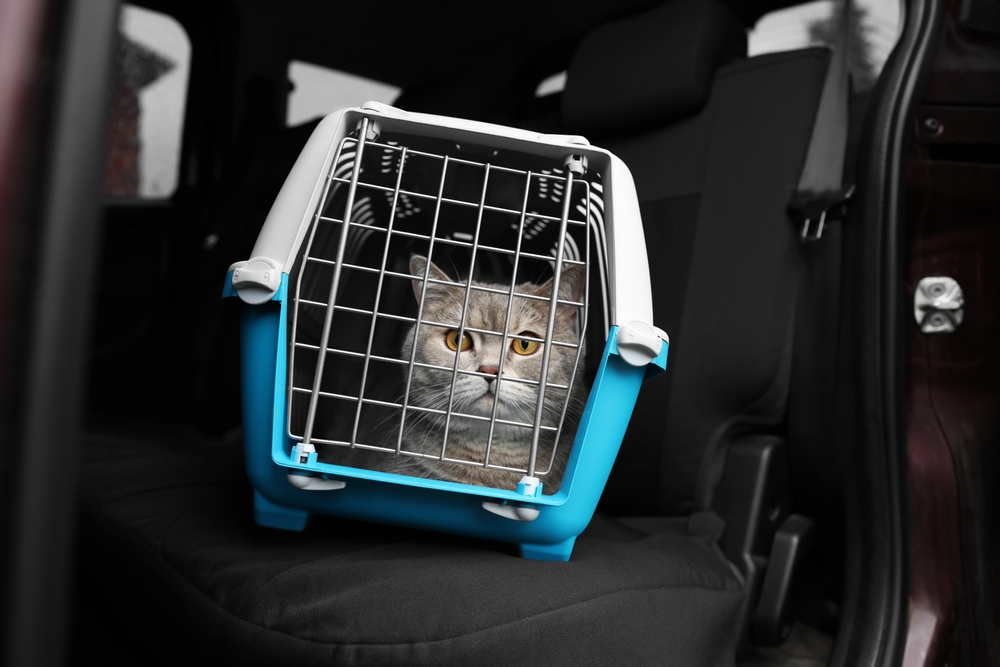
It sometimes feels like cats and vomiting go hand in hand, although that’s certainly not something a healthy cat should be doing regularly. When your cat is feeling ill or eats too fast, it’s common for cat owners to run toward their retching cats and move them off of the carpet. Sometimes, a cat vomiting is no big deal, but other times, it means something serious. So do cats throw up when stressed? In fact, stress generally shouldn’t be something that will cause cats to vomit.
That said, here’s how to tell if your cat feels stressed and what to do about it.

What Does a Stressed-Out Cat Look Like?
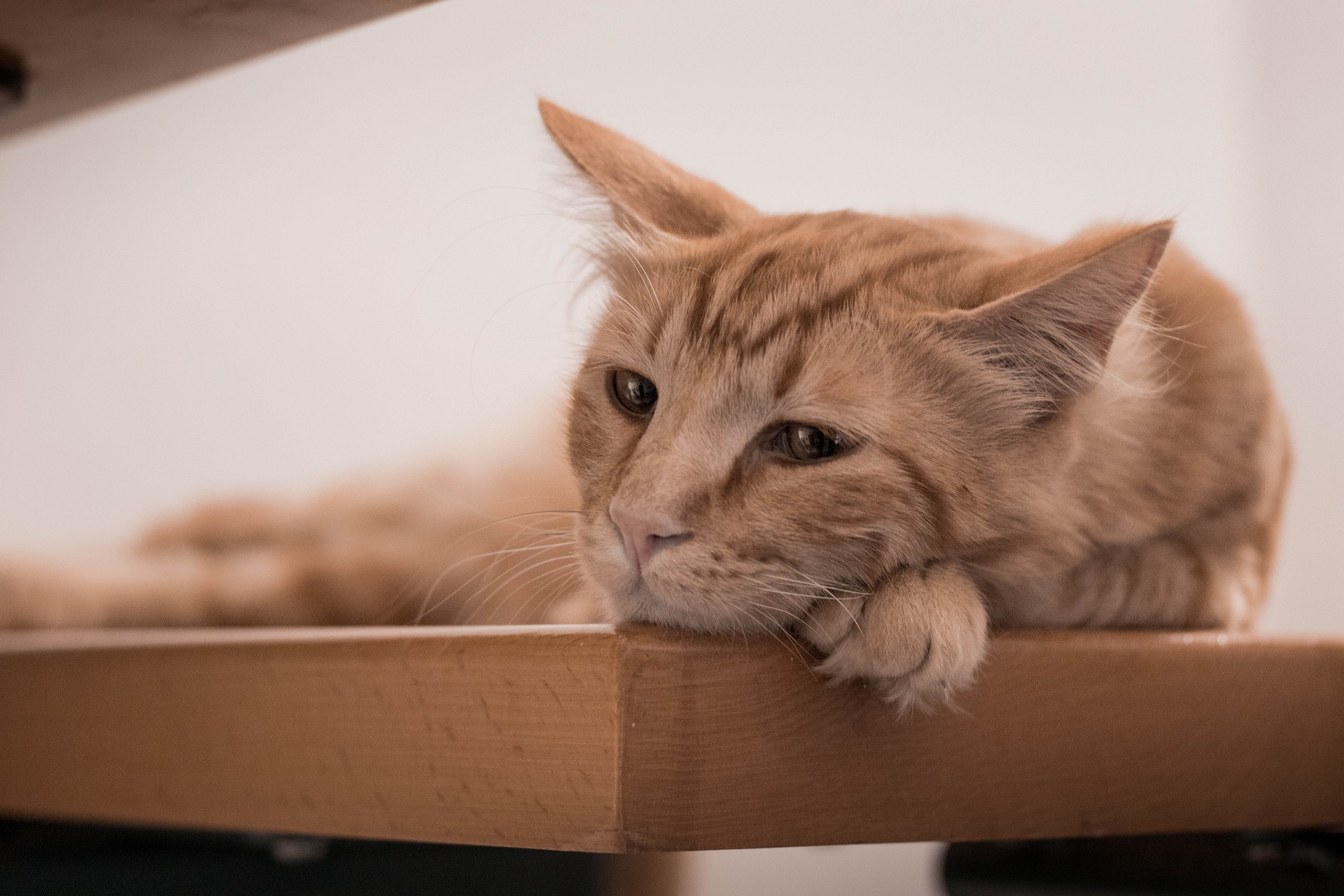
Stressed cats will show a variety of signs, though vomiting is not considered one of them. When looking for signs of stress in a cat, consider if the following are present:
- Changes in eating or drinking
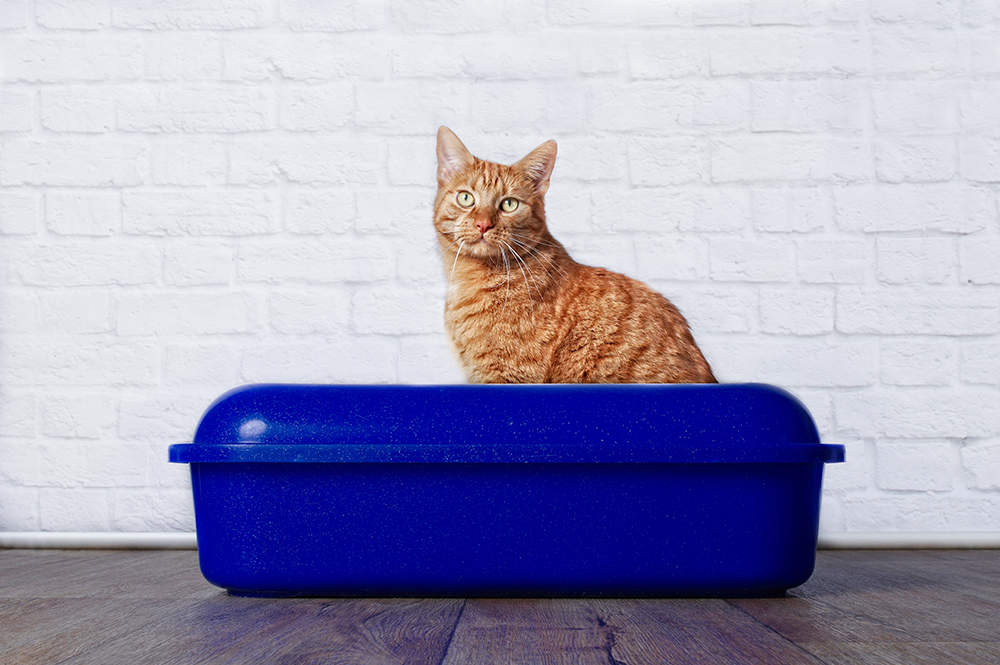
- Urinating and defecating outside the litter box
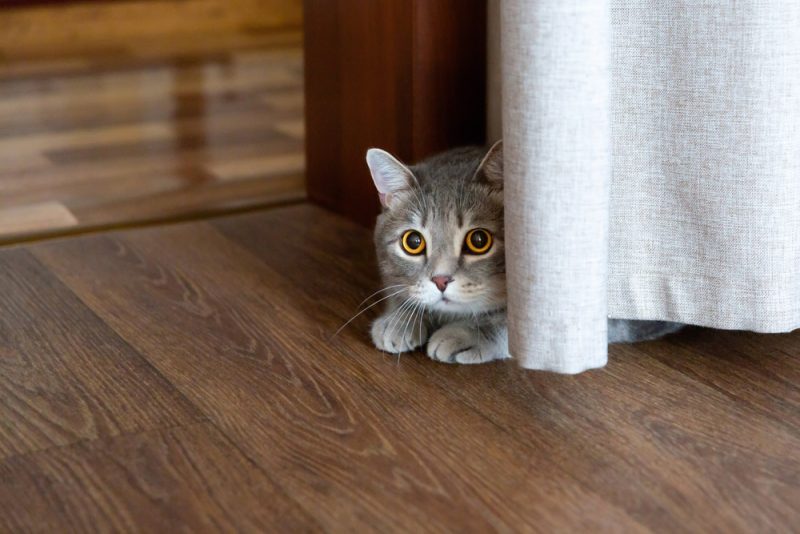
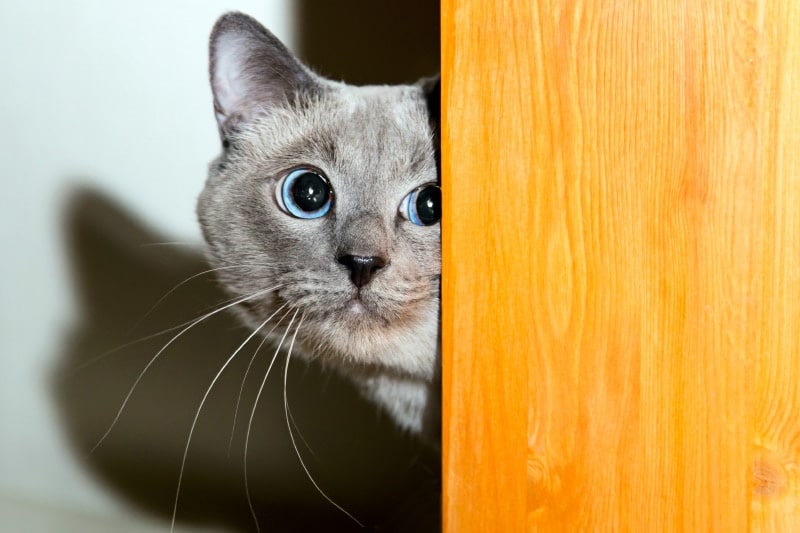
- Hiding
- Crying, moaning, and other vocalizations
- Aggression
- Excessive grooming and scratching
- Diarrhea
- Unwillingness to play or cuddle
When Stress Becomes a Health Concern

Any change in your cat’s life can potentially cause a little stress and is often harmless, as it usually just takes some time to adjust. However, the concern is when temporary stress begins to affect the overall health of a cat.
Temporary stress lasts for only a short time and should resolve after a day or two. For example, visiting the vet or having a family member visit. However, when stress lasts for longer periods, it can impact a cat’s overall health. Just as bad, it can become chronic. Regardless, prolonged stress isn’t healthy, so any concerns should be brought to your vet immediately.
Why Do Cats Get Stressed Easily?
Cats are territorial creatures and like things a certain way. They’ve been this way since the beginning of time. Any interruption in their daily routines can make a cat feel unsure about themself and their environment.
Some cats handle stress much better than others, so every cat reacts differently to change. That’s why it’s crucial to monitor your cat when major changes happen so you know when it’s time to intervene.

Helping Your Cat Find Peace
One of the best ways to help your cat relieve stress is to offer outlets for their instincts and behaviors and to provide a sense of control. Here are the best ways to do so.
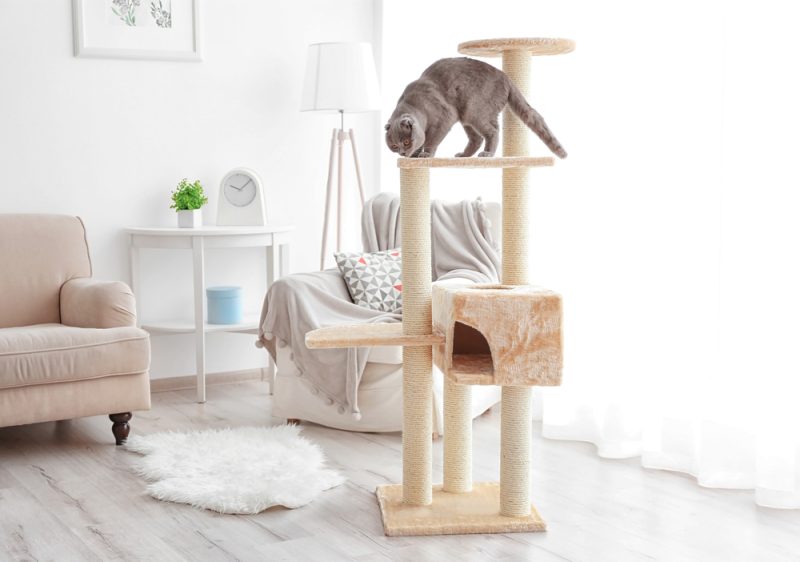
1. Set up a Cat Sanctuary
Inspire your cat’s curiosity with cat trees, tunnels, water fountains, and open windows (bonus points if it’s near a bird feeder). This helps take some of the stress away and encourages some fun. If this needs to be set up in a quiet room in the house, then that’s what you should do, as they will appreciate a place of their own where they don’t need to worry about others coming into their space.
2. Surround Your Cat With Familiarity
Since stress often stems from stressors outside your cat’s control, focus on providing furniture and scents familiar to your cat. If your cat has a favorite chair or toy, make sure it’s close by for your cat’s use. Use pheromone diffusers (see the next point) to help reinforce a sense of calm and safety.
3. Try Feliway
Synthetic hormones help relax cats in a natural way. Keep in mind, though, that some cats don’t respond to Feliway, so you’ll have to ask your vet for alternatives if that’s the case. Other diffusers are available, as are other nutraceutical calming products, such as Zylkene, or Royal Canin’s Calm Diet. Speak with your vet to find the best options for your cat.
4. Offer Your Cat’s Favorite Foods
If your cat’s health allows, offer enticing foods to boost your cat’s spirits. Usually, the big winner here is wet food. Something delicious may in essence boost your cat’s spirits, give them something to look forward to. However, if your cat isn’t eating because of stress, take them to see the vet.

5. Keep Animals and Children Away
Some cats need their space when they decompress; otherwise, you risk prolonging the adjustment period. Keep other pets and children away and let your cat come out when they feel ready. Provide food, fresh water, and a litter box in a safe, quiet location for their convenience.
6. Talk to Your Vet About Anti-Anxiety Meds
If all else fails, ask your vet about anti-anxiety medications so your cat doesn’t compromise their health.
7. Keep Calm
Healing is both physical and psychological. Animals pick up on stress and anger, so relax and breathe. Don’t bring your worries to your cat or show negative emotions around them too much. This is their time to lean on you for help.


How Long Should I Give My Cat to Decompress?
Some cats may adjust to their new environment after a day or two, while other cats may take weeks or months. It really depends on the cat. Cats who need a longer adjustment period should be monitored closely for major health changes, and it should be done under veterinary supervision.
Conclusion
A cat throwing up should not be considered a sign of stress, and any frequent vomiting should be investigated. The causes could be varied, and often further treatment is required. Stress in cats should not last more than a day or two, and prolonged stress should warrant a conversation with your veterinarian.
Also see:
Sources
Featured Image Credit: Nils Jacobi, Shutterstock

Expert cat care, straight to your inbox
Vet-reviewed advice, behavior tips, and the best of Catster. Free, and you can unsubscribe anytime.
By signing up, you agree to our Terms & Conditions and Privacy & Cookies Policy.
Cassidy's journey from vet tech and professional pet sitter to pet writer showcases her lifelong passion for animals, both domestic and wild. Throughout the years, she has cared for many pets and enjoys writing about the animal-human bond. She and her husband have settled in Wichita, where they live with their German Shepherd, Raven, two cats, Lucy and Strudel, and a small flock of backyard chickens.
Join the conversation
Ask a question, share your story, or send private feedback.