Catster is reader-supported. When you buy via links on our site, we may earn an affiliate commission at no cost to you. Learn more.

Cat Health & Care

Do Flea Collars Work on Cats? Vet-Approved Facts & FAQ

By Christian Adams · Reviewed & fact-checked by Dr. Marta Vidal-AbarcaVet Approved
Dr. Marta Vidal-Abarca
Reviewed & Fact-Checked byDr. Marta Vidal-AbarcaBVSc GPCert Ophthal MRCVS (Veterinarian)
Dr. Marta has over 16 years of veterinary experience, working across the UK and Spain as a remote veterinary consultant and in the clinic. She graduated from Cardenal Herrera-CEU University in Valencia, Spain. She holds two Ophthalmology Certificates, GPCert Ophthal from ESVPS and UAB. She has wide experience in small animal internal medicine and surgery with a soft spot for cats. Marta is a member of the Royal College of Veterinary Surgeons, and her main fields of interest are ophthalmology and critical care medicine. Dr. Marta loves being able to share the most helpful information with pet parents across the world as one of Catster's in-house veterinarians. She wants to provide details that can help in all aspects of pets' lives with their beloved ones. She loves knowing that she can support our readers and communicate about any medical topic that might be relevant to their pet's health and well-being.View authorThe information is current and up-to-date in accordance with the latest veterinarian research. Read about our vets
Share
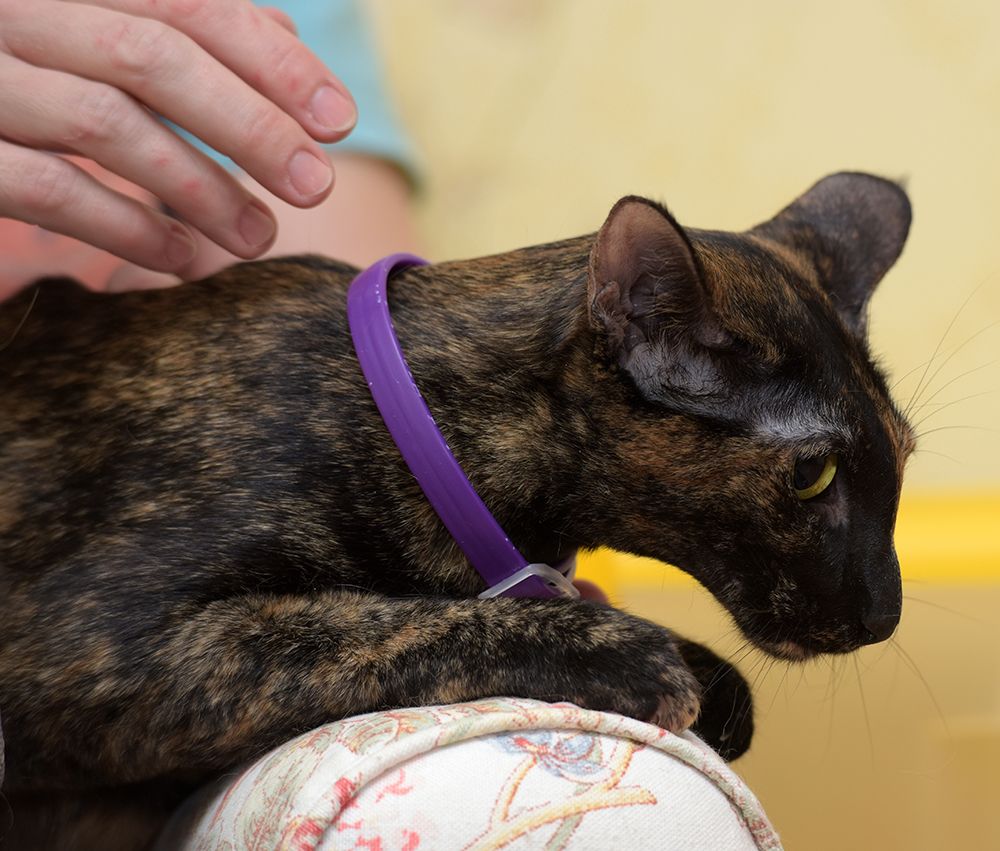
tortie Oriental cat wearing flea collar

As much as we love our cats, dealing with fleas can be a huge pain. Flea collars are one method of flea prevention that many pet owners opt for, but do they actually work? The answer is yes, but they might not be the best option for everyone. They can be a helpful part of a multi-step approach considering your individual situation.

Read on to find out everything you need to know about using flea collars on cats, including whether or not they’re effective.

divider 3 paws

Do Flea Collars Get Rid of Fleas on Cats?

A lot of pet parents ask themselves this question, and the answer isn’t always cut and dry. Flea collars can be effective at repelling and killing fleas, but not all of them are equally effective. Also, because each cat is different, they don’t work for everyone.

There are a few things you need to take into account when deciding if a flea collar is the right choice for your cat.

Image Credit: Maja Marjanovic, Shutterstock
divider 3 paws

The 3 Questions to Ask if You’re Considering a Flea Collar for Your Cat

1. How bad is your flea problem?

If you only have a few fleas, a collar might be enough to get rid of them. But if you have a heavy infestation, you’ll need to use other methods in addition to the collar.


2. How will your cat react to the flea collar?

Some cats are very sensitive to the chemicals in the collar and can react to them. Others simply don’t like wearing them and will try to take them off. If your cat falls into either of these categories, a flea collar is certainly not the right choice.


3. How often are you willing to put the flea collar on and take it off?

Flea collars need to be replaced every few months, and some pet parents find this to be a hassle. If you’re not willing to put the time and effort into using a flea collar correctly, it’s probably not the right choice for you.

So, do flea collars work on cats? The answer is yes, but they might not be the best option for everyone. Consider your situation before making a decision.

Image Credit: Julia Sudnitskaya, Shutterstock
divider 3 paws

Why Does My Cat Still Have Fleas with a Flea Collar?

You’ve tried flea collars, but your cat still has fleas. What gives? The truth is that there is no way to stop fleas completely. Flea collars can help to reduce the number of fleas on your cat, but they are not 100% effective. There are a few things you can do to help reduce the number of fleas on your cat:

  • Speak to your vet about your cat’s specific needs. They can prescribe medication that will help to kill fleas and prevent them from coming back.
  • Vacuum your house regularly. This will help to remove any fleas and larvae that are living in your carpet.
  • Treat your house. Use a special flea home flea spray that stops the development of flea eggs and larvae and kills adult fleas in those areas that are especially hard to reach. Read the instructions carefully and keep your cat and family away while it works.
  • Wash your cat’s bedding in hot water. This will kill any fleas that are living in their bed.
  • Treat all the pets in the household. Otherwise, you won’t keep parasites under control.

If you are still having trouble with fleas, talk to your vet. They can prescribe medication that will help to kill fleas and prevent them from coming back.

How Do I Know if My Cat’s Fleas Are Gone?

Okay, you’ve tried the flea collar, but you want to make sure those fleas are gone for good. Here are a few things you can do to check:

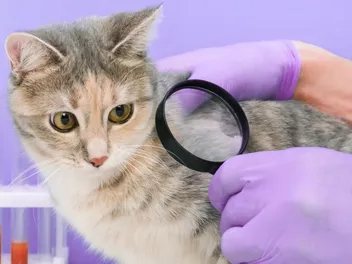
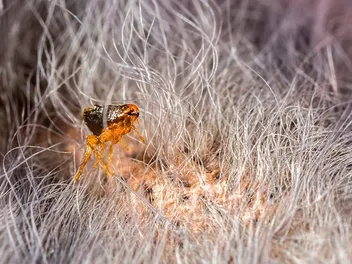
  • Check your cat’s fur and skin for any signs of fleas or other parasites. If you see any, remove them with a fine-toothed comb, check if they are dead or alive, and dispose of them. If they are dead, your flea product is working. If the fleas are still alive, you should speak to your vet and change your strategy.
  • Inspect your cat’s coat, bedding, and sleeping areas for any flea dirt. If you find any, wash the bedding in hot water and vacuum the sleeping areas thoroughly. You should stop seeing flea dirt as the fleas die off.
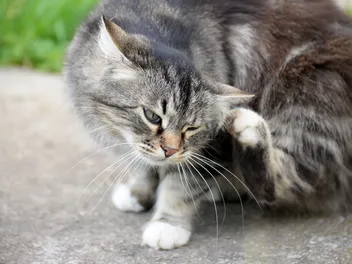
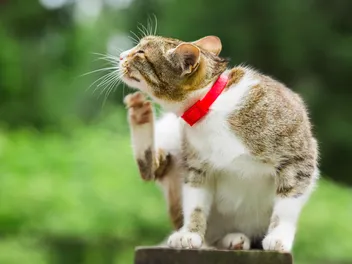
  • Watch your cat’s grooming habits. If your cat is still itching and overgrooming, chances are they are still suffering from an infestation.

If you follow these steps and fleas are still bothering your cat, it is possible that the flea collar is not working. You may need to try a different method of flea control, such as oral medication or spot-on treatment. Talk to your vet about which option is best for your cat.

Image Credit: Simone Hogan, Shutterstock
divider 3 paws

Conclusion

Not all cat flea collars contain the same molecules and have the same efficacy. A vet-recommended flea collar might be a good option for your cat, but you should consider all your options speaking to your vet because you need to take into consideration your cat’s age, lifestyle, and severity of the flea infestation. A flea collar can be a helpful part of a multi-step approach to keeping your feline friend free of these pesky parasites.

In addition to using a collar, you should also employ regular combing and vacuuming and take your cat to the vet for regular check-ups. With a little diligence, you can help your cat avoid the discomfort of fleas!

Sources

Featured Image Credit: Anna Krivitskaya, Shutterstock

The Catster Newsletter

Expert cat care, straight to your inbox

News, insights, and useful advice, delivered to you.

No spam — unsubscribe anytime.

By signing up, you agree to our Terms & Conditions and Privacy & Cookies Policy.

Click a star to rate. You can leave written feedback afterwards. (We read all feedback.)

Christian Adams
Authored by

Christian Adams

Leave a Reply

You're very welcome to leave a comment or question. Please know that all comments must meet our community guidelines, and your email address will NOT be published. Let's have a positive and constructive conversation.

How Do Flea Collars Work for Cats? (The Surprising Details)

How Do Flea Collars Work for Cats? (The Surprising Details)

Few parts of cat ownership are as troublesome (and itchy) as dealing with a flea infestation. Once fleas take up residence in your home and on your cat, gettin…

Elizabeth Gray
By Elizabeth Gray ·
Can a Flea Collar Make a Cat Sick? Vet-Reviewed Risks & Considerations

Can a Flea Collar Make a Cat Sick? Vet-Reviewed Risks & Considerations

Flea collars can seem quite convenient, but many of them do not work well. For one thing, some do not have proven ingredients that will keep fleas away, so the…

Kristin Hitchcock
By Kristin Hitchcock ·
Are Flea Collars Safe for Cats? Vet-Verified Facts & Alternatives

Are Flea Collars Safe for Cats? Vet-Verified Facts & Alternatives

Whether yours is an indoor cat or an outdoor cat, fleas are a constant and potential health hazard. An outdoor cat may be exposed to fleas every time they step…

Gregory Iacono
By Gregory Iacono ·
Can You Put a Flea Collar on a Pregnant Cat? Vet-Reviewed Precautions & Risks

Can You Put a Flea Collar on a Pregnant Cat? Vet-Reviewed Precautions & Risks

Cat flea collars use a form of insecticide to repel, deter, or kill fleas. They can be used in conjunction with spot-on treatments or independently, though own…

Christian Adams
By Christian Adams ·

How to Get Rid Of Fleas On Cats: 7 Vet-Approved Methods

Fleas on cats can be a nuisance. Not only do they make your kitty itch, but they can also jump onto you and your other pets and transmit diseases. Fleas are a…

Christian Adams
By Christian Adams ·
How to Get Rid Of Fleas On Cats: 7 Vet-Approved Methods

How Does Flea Medicine Work for Cats? Vet Approved Facts & FAQ

Fleas are the most common parasites that cats suffer from. Even if you have an indoor cat, they can get fleas from other pets or rodents that may sneak their w…

Jordyn Alger
By Jordyn Alger ·
How Does Flea Medicine Work for Cats? Vet Approved Facts & FAQ

How to Tell if Your Cat Has Fleas: 10 Vet-Reviewed Signs to Look For

If you’ve never dealt with fleas before, you might be unsure if all of the scratching your cat has been doing lately is the result of fleas or something else.…

Christian Adams
By Christian Adams ·
How to Tell if Your Cat Has Fleas: 10 Vet-Reviewed Signs to Look For

Does Cold Weather Kill Fleas on Cats? Vet Approved Advice

Do fleas die in winter or cold weather? According to Athens Animal Wellness Center1, fleas can survive for up to 5 days in temperatures as low as 46 degrees Fa…

Codee Chessher
By Codee Chessher ·
Does Cold Weather Kill Fleas on Cats? Vet Approved Advice

Epsom Salt Bath for Fleas on Cats: Vet-Reviewed Effectiveness, Safety & Alternatives

A flea infestation can make your cat miserable and put them at risk of diseases and internal parasites. Some cat owners prefer to avoid using pesticides and ch…

Elizabeth Gray
By Elizabeth Gray ·
Epsom Salt Bath for Fleas on Cats: Vet-Reviewed Effectiveness, Safety & Alternatives

How Many Fleas Is Considered an Infestation on a Cat? Vet-Approved Signs & FAQ

Fleas are a common problem for cats and not only cause various degrees of itchiness and discomfort but can also transmit diseases and pose a risk to anyone in…

Christian Adams
By Christian Adams ·
How Many Fleas Is Considered an Infestation on a Cat? Vet-Approved Signs & FAQ

My Cat Has Fleas! How Do I Clean My House? Vet-Approved Advice & Best Practices

No matter how much you may try to prevent it, sometimes cats get fleas. This can even occur if your cat doesn’t go outside. Fleas can get in through open windo…

Christian Adams
By Christian Adams ·
My Cat Has Fleas! How Do I Clean My House? Vet-Approved Advice & Best Practices

4 Cat Calming Collar Side Effects You Need to Know (Vet Reviewed)

Cats can be anxious or scared animals, especially in stressful situations. There are lots of things that people rely on to help manage their cat’s anxiety, and…

Brooke Billingsley
By Brooke Billingsley ·
4 Cat Calming Collar Side Effects You Need to Know (Vet Reviewed)

Love Cats? So Do We! Join the Catster Community

Stay informed with expert cat care insights delivered straight to your inbox! Discover professional guidance on feline behavior, feeding tips, trusted product picks, and much more.

You may opt-out at any time. View our Privacy Policy for more information.

The Catster site on a phone