How Do Flea Collars Work for Cats? (The Surprising Details)


In this article
Few parts of cat ownership are as troublesome (and itchy) as dealing with a flea infestation. Once fleas take up residence in your home and on your cat, getting rid of them can be time-consuming and expensive.
Cat owners can choose between multiple types of flea control at various price points. One well-known form of flea control is a flea collar. In this article, we’ll cover how flea collars work for cats, including the advantages and disadvantages of using them. Generally, flea collars have pesticides that will kill the fleas.

How Do Flea Collars Work?
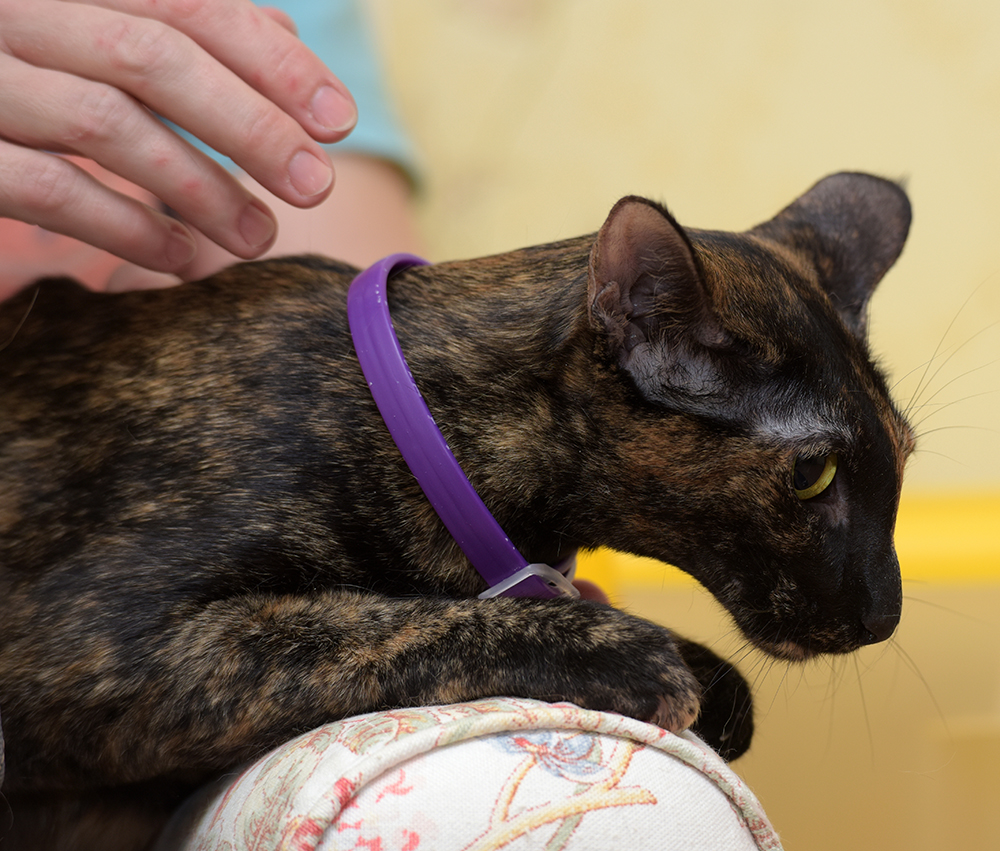
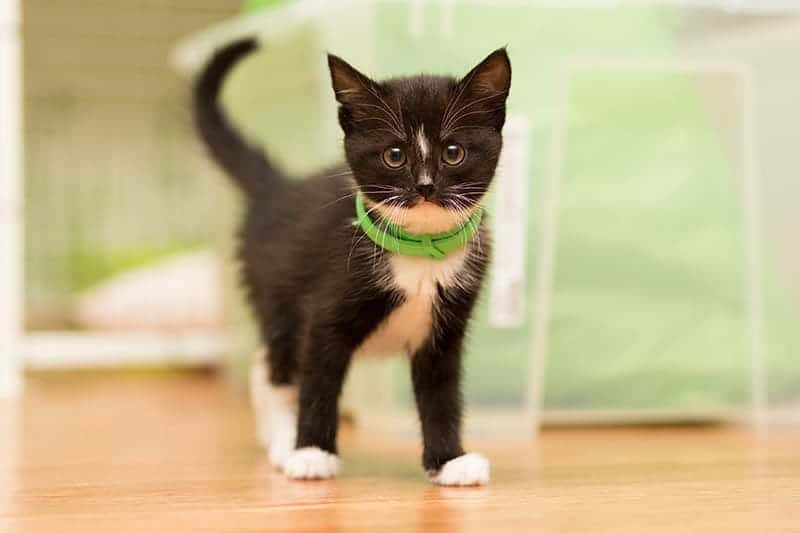
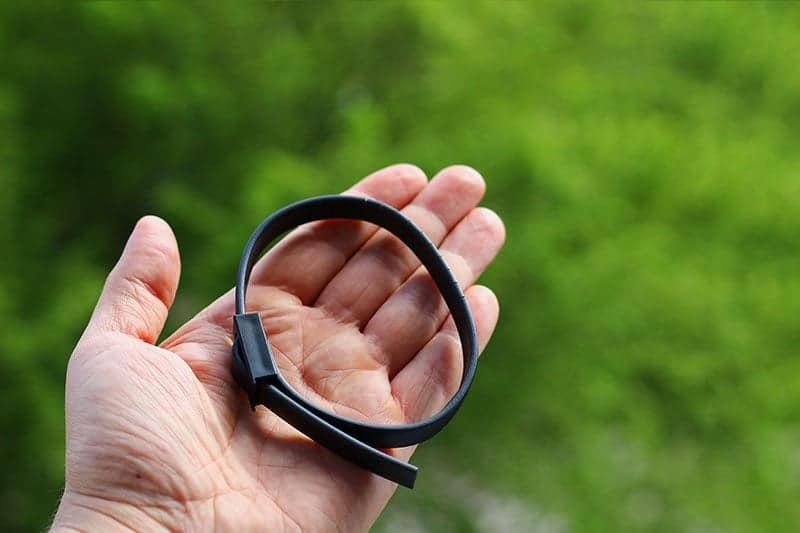
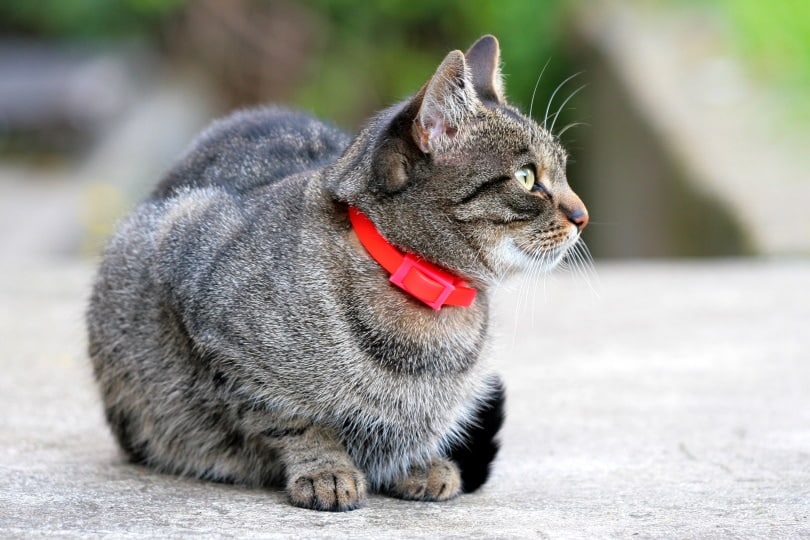
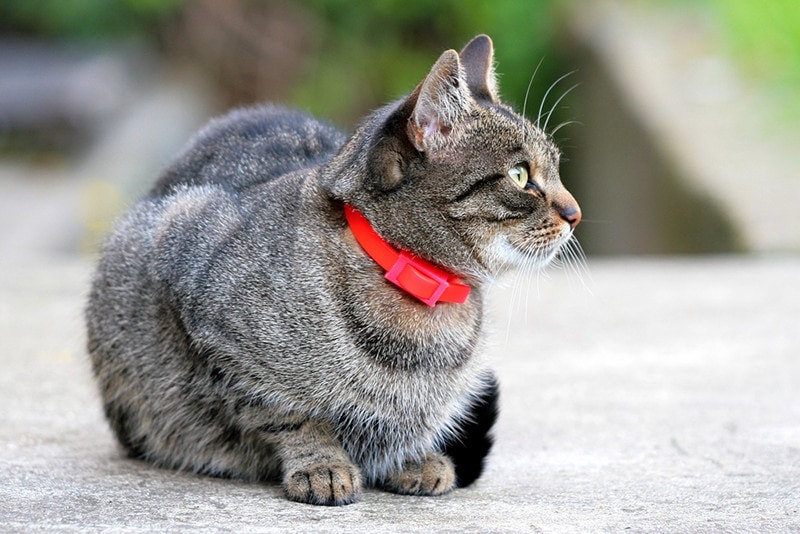
Flea collars are placed around your cat’s neck and replaced after a specific period, anywhere from 1–8 months. The collars contain pesticides designed to kill and prevent fleas. Several chemicals may be used, depending on the product.
Flea-killing chemicals are generally neurotoxic and kill by impacting the insect’s nervous system. Some flea collars target adult fleas only, while others attack the flea larva by preventing them from developing into adults.
The chemicals from flea collars are generally spread across the cat in two ways. Some flea collars give off a toxic gas that keeps fleas away. With others, the chemicals are absorbed into the cat’s skin and spread that way.

What Are the Different Types of Flea Collars?
The main differences in types of flea collars are what kind of chemical is used, how long they last, and where they are purchased.
As we mentioned, flea collars may contain chemicals that kill adult fleas only or keep flea larvae from maturing. The most effective types will contain both products.
Here are some common active ingredients you may see in flea collars:
Flea collars become less effective over time and must be replaced. Every flea collar differs in the length of time they work. You can expect long-lasting collars to be more expensive as a one-time purchase, but they may be more cost-effective when you factor in how often cheaper collars are replaced.
Flea collars are usually one of the easiest parasite-prevention products to buy. Several brands are commonly available over the counter at retail stores, including pet retailers. Your vet may also carry one or more types of flea collars.
Veterinary-specific flea collars typically require a prescription and are often more expensive than those you buy at the grocery store. The catch is that cheaper flea collars are notoriously ineffective. There’s no point in saving money if the flea collar does not work and you and your cat are both still scratching.
Where Are Flea Collars Used?
Flea collars are used anywhere your cat is at risk of a flea infestation. Opportunistic fleas thrive in indoor environments, such as heating ducts. Even if your cat never sets foot outdoors, it could still get fleas.
Because they are one of the cheapest forms of flea control, flea collars are often used for outdoor-only cats to provide some protection against parasites. Some owners prefer them because they’re easy to put on and not as messy as spot-on flea preventatives.
In most cases, flea collars (or other flea control) should be used year-round. Even when it gets cold enough to kill fleas outside, they can still live inside.

Advantages of Flea Collars for Cats
One advantage of flea collars is that they are easy to use. You simply put the collar on your cat and tighten it as directed. Another advantage is that they don’t leave residue on the cat’s skin and coat like flea sprays or spot-on treatments.
Cat owners with children or other pets may worry about them touching the spot-on flea treatments and prefer a flea collar. Flea collars provide longer-lasting protection than bathing in flea shampoo. They’re often cheaper than other flea control products, too.
Disadvantages of Flea Collars for Cats
The most significant disadvantage of flea collars is that many don’t work well. The effective ones tend to be the most expensive, which eliminates one of the advantages of this type of flea control.
Another disadvantage is that some cats won’t wear a collar, and there’s some risk involved when they do. Determined cats can kick or wiggle their way out of a flea collar. Flea collars usually don’t come with a breakaway option, which means they could snag and choke or trap your cat. Or get a limb trapped in the collar, causing severe injury to associated tissues.
Some flea collars are irritating to a cat’s skin and may also irritate humans who touch them. Most are also toxic if ingested, which can be dangerous for small children or curious dogs.

Frequently Asked Questions (FAQ)
How Tight Should the Flea Collar Be?
Follow the directions for your specific collar. Generally, the collar needs to be tight enough to contact the skin while still allowing you to slip two fingers in between. If the collar is placed too loosely, it can easily be pulled off by your cat. Check the collar frequently to ensure it’s not getting too tight.
My Cat Is Wearing a Flea Collar. Why Do They Still Have Fleas?
Check to ensure your cat’s collar fits correctly and isn’t out-of-date. Most importantly, ensure you’re treating the cat’s environment for fleas and using preventative products on your kitty. Fleas will continue to hatch, grow, and find their way to your cat unless you remove every part of its life cycle from your cat’s environment. Adult fleas are generally vulnerable to pesticides, but eggs and larvae are not.
You can treat your house with a spray to kill fleas or stop larvae from developing, and professional pest control companies can help. Vacuuming frequently and disposing of the vacuum bag promptly will reduce the population in your home.
You can also replace your cat’s bedding and stuffed toys or wash them in hot water. If your cat goes outside, you’ll need to treat your yard too.
What Other Types of Flea Control Are Available?
Flea shampoos and flea sprays are available at your vet’s office, pet stores, and online retailers. Flea shampoos only kill the fleas on the cat at the time and don’t keep new ones from jumping on. Plus, you’ll have to bathe your cat.
Flea sprays can be effective, but applying them can be a challenge. It can take the cat a while to dry, too. However, the two types of flea control that are generally easiest and most effective are oral or spot-on treatments.
Flea preventatives in pill form eliminate any worry about smearing chemical flea products in the house. They’re cleaner and less worrisome. However, you have to get a pill into your cat once a month, which is challenging with most felines.
Spot-on flea treatments generally come in a pre-measured tube that’s squeezed onto the cat’s skin, usually on the back of its head. The product spreads using the cat’s natural oils. Many are combination products that also prevent ticks, heartworms, and even some intestinal worms.
Conclusion
Effective flea control is a must for cat owners. These insects are not just itchy pests; they can also carry diseases and other parasites. While some flea collars may be effective, they usually aren’t the recommended form of flea control. No matter which type of flea prevention you choose, follow the directions for application carefully for the best results. Never use a dog flea product on your cat, even if they’re the size of a small dog!
Related Read: Can You Use Dog Flea Collars on Cats? (Vet Answer)
Sources
Featured Image Credit: Georgy Dzyura, Shutterstock

Expert cat care, straight to your inbox
Vet-reviewed advice, behavior tips, and the best of Catster. Free, and you can unsubscribe anytime.
By signing up, you agree to our Terms & Conditions and Privacy & Cookies Policy.
Elizabeth Gray is a lifelong lover of all creatures great and small. She got her first cat at 5 years old and at 14, she started working for her local veterinarian. Elizabeth spent more than 20 years working as a veterinary nurse before stepping away to become a stay-at-home mom to her daughter. Now, she is excited to share her hard-earned knowledge (literally--she has scars) with our readers. Elizabeth lives in Iowa with her family, including her two fur kids, Linnard, a husky mix and Algernon, the worldʻs most patient cat. When not writing, she enjoys reading, watching all sports, and spending time outdoors with her family.
Join the conversation
Ask a question, share your story, or send private feedback.