How to Tell If a Cat Has Anxiety (12 Signs to Look Out For)


In this article
Anxiety isn’t something experienced by humans only; cats can also get it. It can be caused by various factors, like past trauma or a cat’s natural disposition. When your cat is anxious, they may anticipate a danger ranging from the unknown to the imagined, resulting in reactions associated with fear. The signs your cat is feeling anxious can vary, but we’ll discuss them so you’ll know what to look out for.

How To Tell If a Cat Has Anxiety
1. They Follow You Everywhere
Cats can experience separation anxiety just like dogs; if your cat doesn’t want you to leave them, they will follow you everywhere. You might mistake this behavior as something endearing because it makes you feel loved by your cat, but be aware that anxiety might be behind the behavior.
2. Over-Grooming

Cats like to be clean, but when that cleaning becomes something more, you might notice they are losing hair all over their body. This can be a sign that they are over-grooming.
3. Changes to Litter Box Usage
If your cat isn’t using the litter box and is peeing in other places in the house, they are trying to communicate something. First, you’ll need to contact a veterinarian to rule out a physical medical problem such as a urinary tract infection, and also try different litters or an extra litter box. If these attempts are unsuccessful, it could be a sign of anxiety.
4. Change in Eating Habits

A change in your cat’s eating habits might signal anxiety. Cats that stop eating or eat everything in sight are exhibiting unusual behavior. However, you will first need to rule out a medical reason behind this change in eating habits. Once you have done that, your cat might be using food or lack of it to deal with their anxiety, and it’s a sign there’s an underlying issue you will have to deal with. Speak with your vet if you are unsure of the cause behind your the change in your cat's eating habits.
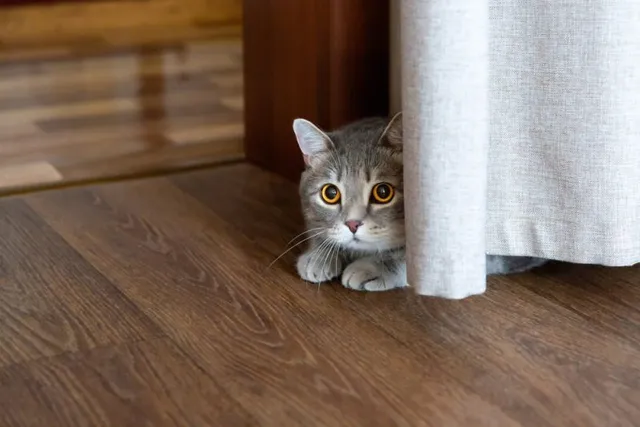
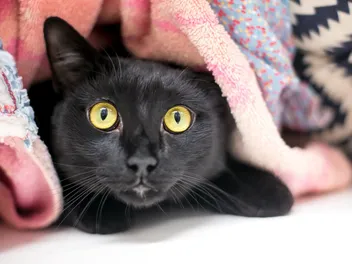
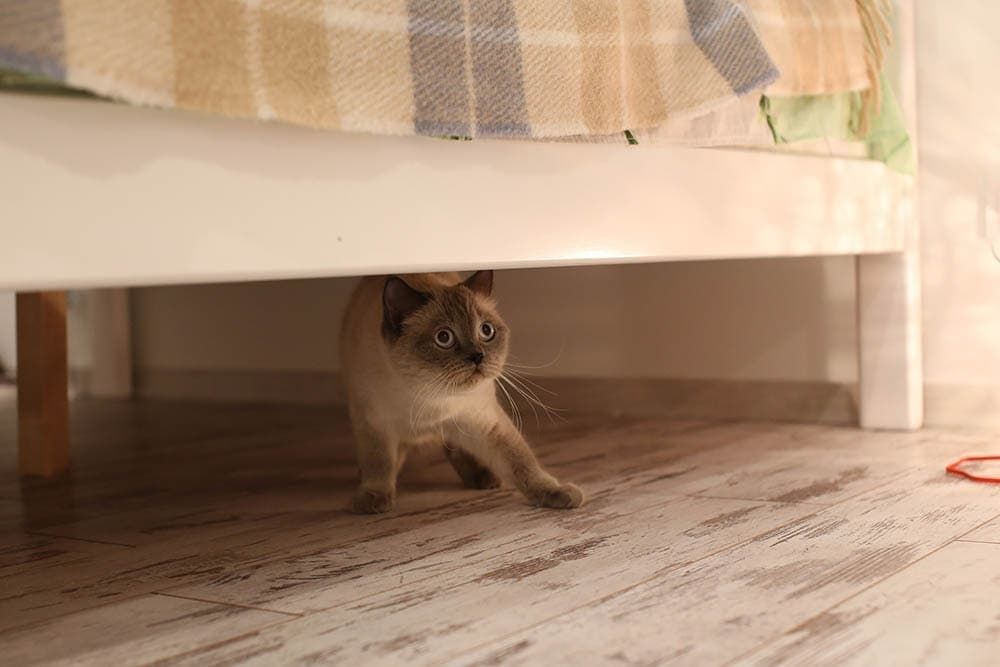
5. Hiding
Some cats like their space, and they’re not exactly social butterflies, but if your cat is hiding all of the time, it could be a sign of anxiety. If this change continues for a few days, it’s a sign that you should take your cat to the vet. Hiding could be a sign of something else, such as an illness or pain from an injury.
6. Can't Relax

If your cat can't sit still or is constantly pacing more than they are sleeping, it could be a sign of anxiety. On average, cats sleep around 15 hours a day, so if this changes, it’s a sign to get your cat checked out.
7. Very Vocal
If your cat suddenly has a lot to say, they're trying to tell you something because they meow to communicate with humans instead of one another. You might also notice that their meows sound different; they might sound distressed or troubled.
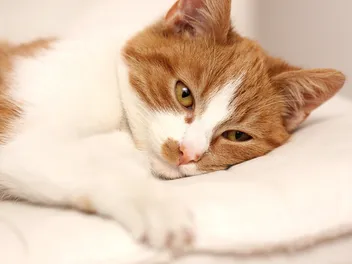
8. Lethargic

Anxious cats sometimes lose interest in playing or interacting with their humans or other pets they once enjoyed bugging. Lethargy can point to various health problems; if it's a sign you’ve noticed, it’s best to get your vet to examine them.
9. Extra Aggressive
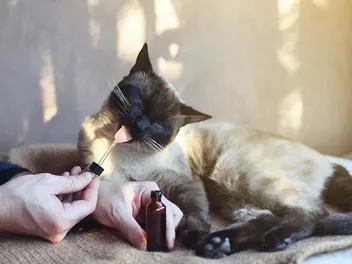
It might seem like your cat is being aggressive for no reason, but it might be anxiety. A cat that’s been well-behaved typically will not become suddenly aggressive unless they’re stressed or sick. Your vet can help you determine why your cat is acting out and may suggest calming supplements if the behavior is extreme.
10. Avoids Everyday Activities

Your cat might not be lethargic, but they’re not enjoying the activities they once loved. Are they avoiding you or playtime? Ensure you record how much your cat is avoiding their normal activities so you can relay it to the vet.
11. Trembling
Cats might not like to be startled, but if your cat is fearful to the point of trembling, they might be overstimulated. To help, you can create a quiet, safe space for your cat where they can retreat when the world around them is just a little overwhelming.
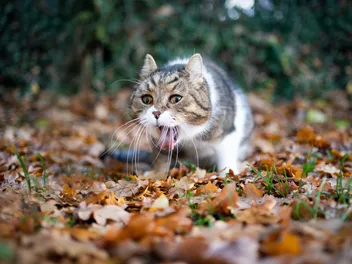
12. Sickness

This is an easily overlooked sign. When we say “sick,” we don't just mean they have diarrhea or are vomiting. Your cat may not seem as happy or energetic as before and may avoid you. Anxiety can be the cause, but a more troubling health issue could be responsible. Your vet can determine if the issue is anxiety-related or a health condition.

What Causes Cat Anxiety?
There are several reasons behind your cat’s anxiety, which can be similar to what causes stress in people.
Changes to Environment
Moving to a new residence or a new pet or person entering the family can prompt anxiety in your cat. If there’s a change in your routine, your cat may feel anxious and stressed.
Trauma
If you adopted your cat from a shelter, try to get as much information about their history as possible. We understand this is difficult, but if there is something you can learn, it might mean you can avoid a situation that could trigger a traumatic memory, which would then trigger anxiety.
Illness/Pain
If your cat is ill or in pain, it can contribute to their anxieties or even exacerbate them.

Improper Socialization
Anxiety can result from cats being deprived of positive environmental and social exposures during the socialization period (when they are 7 to 12 weeks old).
Separation Anxiety
Your cat may be distressed or display anxious behaviors when they are separated from you. This can be caused by a cat growing up in a home where there is always someone around or one with a history of rehoming or noise phobia. If your cat was abandoned or rehomed because of separation anxiety, it could make the anxiety even worse.
What Can I Do When My Cat Is Anxious or Scared?
This depends on what is behind your cat’s anxiety, but there are a few things you can do to make your cat feel better:
- Comfort them
- Never punish your cat
- Don't confine them
- Set up a safe space for them to retreat to
- Avoid things that scare them
- Stay calm
- Leave the radio on for company
- Try calming products (pheromones or cat tree)
- Add more litter boxes
How Will My Vet Determine the Cause of My Cat’s Anxiety?

First, your vet will rule out other conditions contributing to their behavior, like pain or an illness. This will involve a thorough physical exam, urine tests, and blood tests. Additional tests may also be required depending on the results.
It's helpful to include a copy of your cat's medical history if you received one from a breeder or rescue, and videos of the behavior will also be helpful to provide clues to the situations and stimuli that cause your cat anxiety if there is no medical reason found.
Conclusion
It’s challenging to decipher your cat’s behavior, but you can detect subtle hints when your pet suffers from anxiety. If you notice something unusual about your cat’s behavior, write down what was unusual about it and try to catch it on video for your vet to examine.
Remember, you won't have to work this out alone; your vet will help you narrow down the source of your cat’s anxiety, and you can work on a plan together.
Sources
Featured Image Credit: Zossia, Shutterstock
Expert cat care, straight to your inbox
News, insights, and useful advice, delivered to you.

No spam — unsubscribe anytime.
By signing up, you agree to our Terms & Conditions and Privacy & Cookies Policy.
How useful was this post?
Click a star to rate. You can leave written feedback afterwards. (We read all feedback.)
Kerry-Ann lives in Scotland and would love to have a bigger garden so she could have her very own Highland cow. But her dogs probably wouldn’t like that idea very much. She has a La Chon called Harry who was sick with a liver shunt when he was a puppy. It wasn't likely he would make it into adulthood, which was difficult to comprehend, but he beat the odds and is a healthy old man now. She also has a Pug called Maddie who is a big foodie. She’s small, sassy, and every day she finds a new way to wind her brother up.
When she isn’t writing you can find Kerry-Ann going for long walks when it isn't raining, reading, or watching cartoons. She would one day like to be a tourist in her own country and travel through the Highlands with her family.