Why Vets See So Many Cats Who Ate Rubber Bands


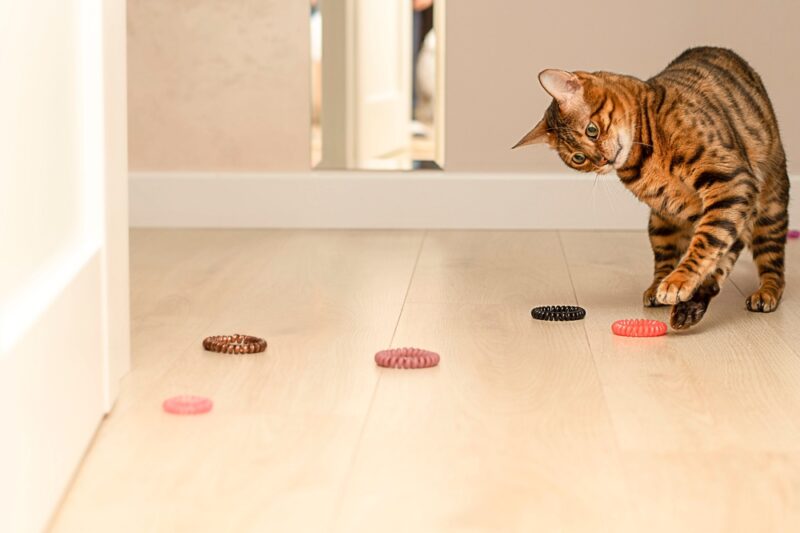
The rubber band hits the floor with a soft snap, and before you can blink, your cat is batting it across the kitchen as they've just caught the world's bounciest mouse. It stretches, it wiggles, it moves exactly like prey. And that's precisely the problem.
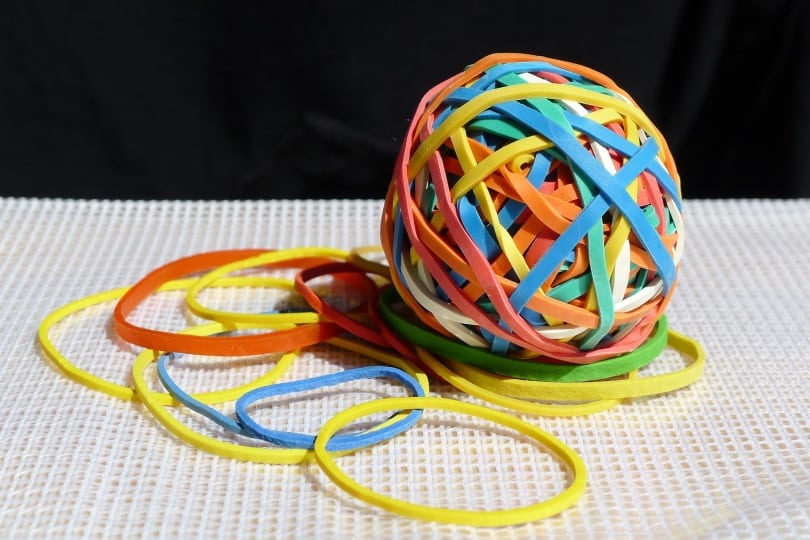
Rubber bands might seem harmless, but they're one of the more dangerous household items cats can swallow. Unlike actual toys designed for cats, rubber bands don't break down in the digestive system. They get stuck. They tangle. And in the worst cases, they require emergency surgery to be removed.
Here's what actually happens when a cat eats a rubber band, which warning signs mean trouble, and how to keep your cat entertained without the risk.

Why Cats Can't Resist Rubber Bands

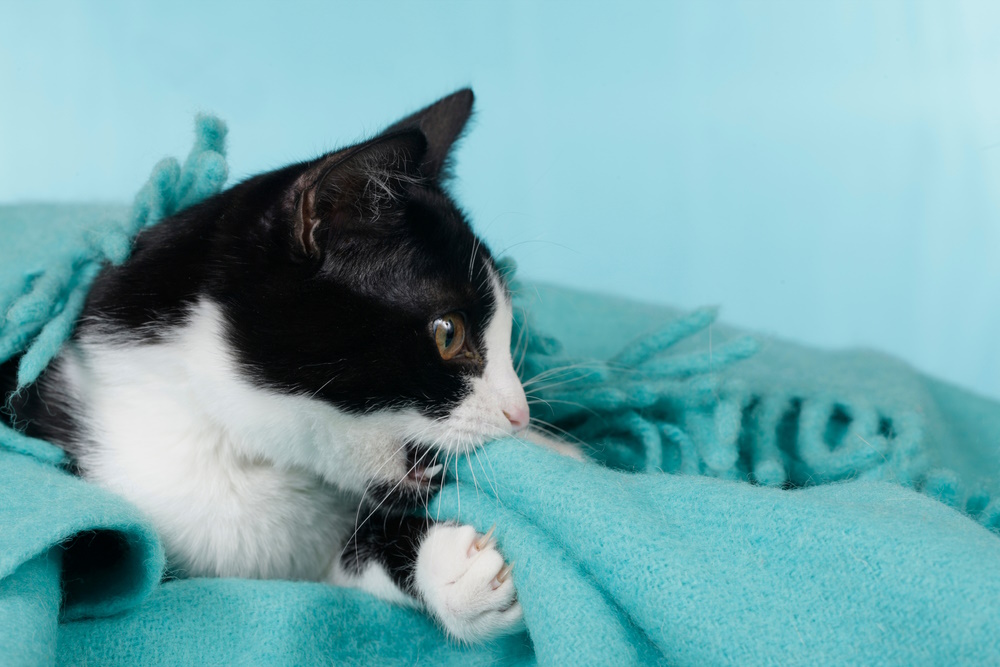
Cats are hardwired to chase things that move like prey. Rubber bands stretch and snap back. Hair ties dangle and swing. These movements trigger the same hunting instincts that make your cat stalk toy mice and pounce on a string. The problem is that rubber bands check all the right boxes for "fun" while checking none of the boxes for "safe."
Rubber isn't digestible. If swallowed, it doesn't break down. It just sits there in the stomach waiting to cause problems. And because cats are curious creatures with a tendency to chew and swallow first and think later, prevention is your best defense.
What to Do If Your Cat Just Swallowed One
First, take a breath. Swallowing a rubber band can cause serious problems, but it doesn't always. A small rubber band or a tiny fragment might pass through your cat's system without incident.
The key is close monitoring. Check the litter box obsessively for the next few days. If you know exactly what your cat swallowed, look for it in their stool. Spotting it in the litter box is the best-case scenario.
Size matters here. If the rubber band was small (less than an inch) and your cat is acting totally normal, you can usually continue life as usual while staying alert. But if it was large (over 1.5 inches), thicker, or extra stretchy, contact your vet even if your cat seems fine. Longer or thicker rubber dramatically increases the risk of complications.
Keep in mind that rubber bands aren't toxic—the danger isn't poison, it's obstruction. Objects that can't be digested may sit in the gut for days before causing symptoms, so problems don't always show up immediately.

Warning Signs Something's Wrong
Cats who develop complications after swallowing a rubber band often show these symptoms:
- Loss of appetite
- Vomiting (especially shortly after eating)
- Changes in stool - diarrhea or not passing anything at all
- Lethargy or sleeping more than usual
- Avoiding play or interaction
- A painful belly or resistance to being picked up
- Drinking excessively and vomiting, or drinking very little
If you know your cat swallowed a rubber band and any of these symptoms appear, call your veterinarian immediately. Even if you're not sure what caused the symptoms, it's still important to get your cat checked promptly.

Why This Is So Dangerous
Rubber bands can cause several serious, potentially life-threatening complications. They can wrap around the tongue, damage delicate tissues in the mouth or esophagus, or create blockages in the stomach or intestines. In some cases, they cause the intestines to tangle or fold in on themselves—a condition called intussusception.
When the intestines are blocked, food and water can't pass through. Cats stop eating. They vomit after meals. And if food can't move through the gut at all, a cat may only survive a few days without treatment. Conditions like intestinal tangling can make cats critically ill very quickly, which is why symptoms after swallowing a rubber band are considered urgent.
What the Vet Will Do
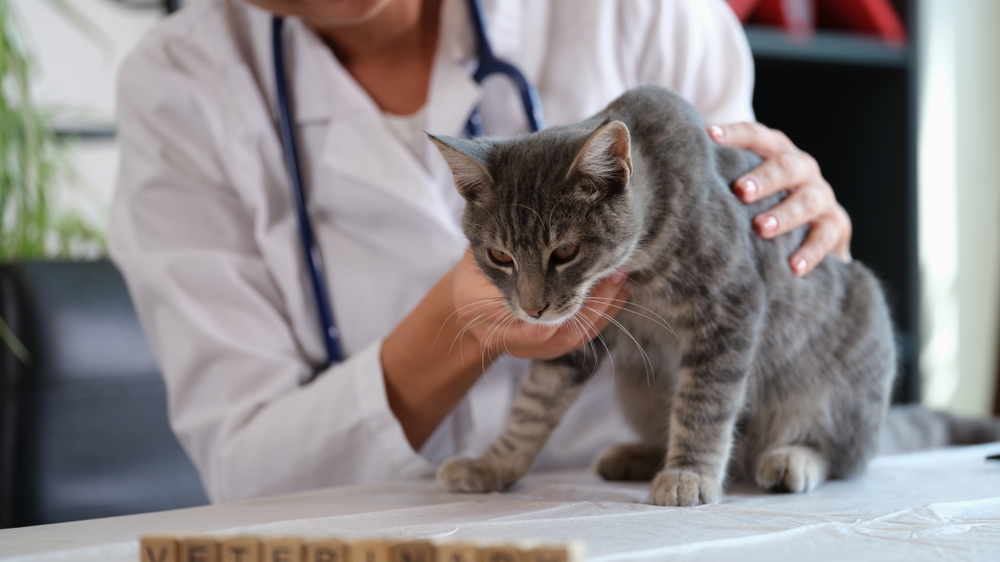
Your veterinarian will start by asking detailed questions such as what your cat swallowed, when it happened, and what symptoms you've noticed. The more accurate you can be, the faster they can make decisions.
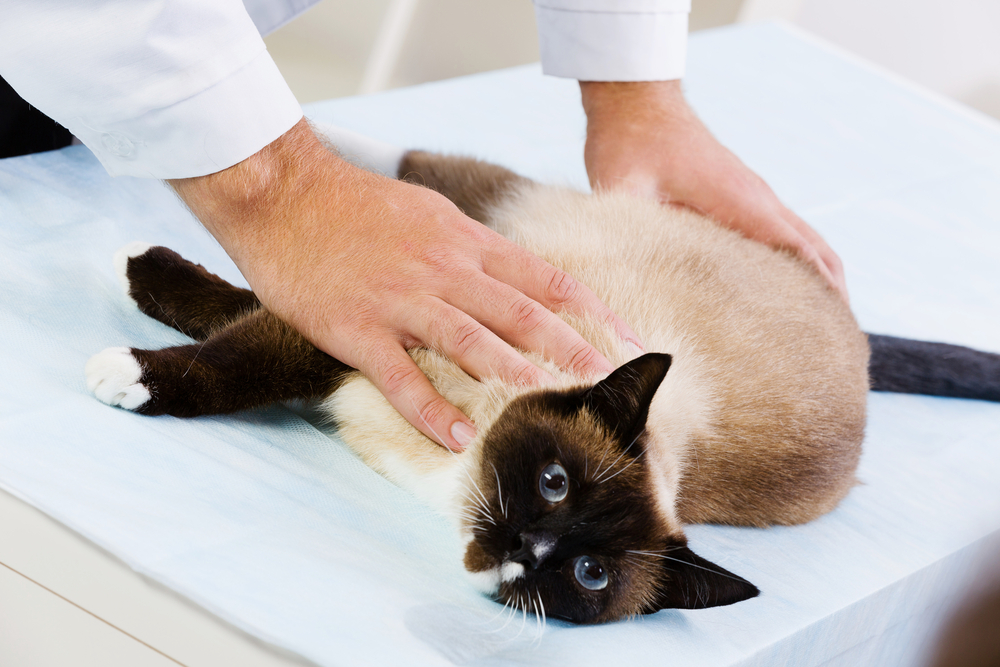
They'll examine your cat, checking the abdomen, heart rate, and temperature. If a blockage is suspected, they may recommend X-rays or scans to locate it, plus blood tests to assess hydration, infection risk, and whether your cat is safe for anesthesia. Surgery is often required to remove rubber bands that have caused blockages, so assessing overall health is critical.
Each test helps guide treatment and gives your cat the best chance at a full recovery. Don't hesitate to ask questions, as your vet wants you to be informed and comfortable with the plan.
If You Can See the Rubber Band, Don't Pull It
If a rubber band is visible in your cat's mouth, resist the urge to yank it out. It may be caught around the tongue or partially swallowed, and pulling could cause serious internal damage. Don't offer food or water. Contact a veterinarian, who can safely remove it—sometimes with sedation or anesthesia.
The same rule applies if you see a rubber band partially hanging from your cat's rear end. Gentle tension is okay only if it slides out easily with no resistance. If there's any tension or it doesn't come freely, stop immediately and call your vet.

Can a Cat Die From This?
In severe cases, yes. A rubber band can block the intestines and require urgent surgery. The symptoms (vomiting, lethargy, refusing food) can look like many other illnesses, which is why veterinary assessment is so important. If you know a rubber band was swallowed, and your cat becomes unwell, mention exactly what was eaten when you call.
Keeping Your Cat Safe Without Killing the Fun
The simplest prevention is keeping rubber bands, hair ties, and similar items off counters, desks, and floors. If your cat loves stringy toys, choose safe alternatives like supervised wand toys—and always put them away after playtime ends.
For cats prone to swallowing things, enrichment doesn't have to involve strings. Puzzle feeders, tunnels, climbing structures, catnip toys, bat-around toys, and even simple DIY options like balled-up paper or cardboard tubes stuffed with treats can provide stimulation without the risk.
The Bottom Line
Cats are natural hunters, and rubber bands trigger all the right instincts. But just because something looks like a toy to your cat doesn't mean it's safe. By keeping risky items out of reach and offering better alternatives, you're protecting your cat's health while still letting them do what they love: play, pounce, and explore. When in doubt, your veterinarian is always your best resource.
Feature Image Credit: ketlit-Shutterstock
Did You Know?
- Our brand-new posts are rounded up and included in our weekly emails. Don't miss out on the latest - sign up for our newsletter below!

Expert cat care, straight to your inbox
Vet-reviewed advice, behavior tips, and the best of Catster. Free, and you can unsubscribe anytime.
By signing up, you agree to our Terms & Conditions and Privacy & Cookies Policy.
Dan has been working in the pet world for over 4 years covering cats, dogs, and all other pets in between. He loves helping pet parents keep their companions happy, healthy, and of course, totally spoiled! Originally from London, Dan now travels and works remotely, which unfortunately means no pets at home, but it gives him plenty of opportunities to fuss over other people's furry friends.
Join the conversation
Ask a question, share your story, or send private feedback.