Is A Devon Rex Hypoallergenic? What You Need To Know!


In this article
The Devon Rex is a popular breed due to their social, outgoing, and playful personality. They benefit from pet owners who can give them plenty of attention, and they do well with children and other pets. They are very intelligent, easy to train, loyal, and great first-time pets. However, the Devon Rex is sought after for even more than their personalities—they’re also valued for being hypoallergenic.
The Devon Rex sheds very little and is an excellent choice for people allergic to cat hair. Their coats are short and wavy and appear in various colors and patterns, and their low-maintenance fur doesn't develop mats. Keep reading to find out more about this unique breed and whether they’re a good option for you.

What Is a Hypoallergenic Cat?
Cats that don’t produce many allergens are considered hypoallergenic. While there isn’t a breed in existence that is entirely hypoallergenic, the Devon Rex is one of the few that can be pets to owners with allergies if their allergies aren’t severe.
Any kitten labeled "entirely hypoallergenic" is being sold by an untrustworthy breeder. All cats have the Fel d 1 protein in their skin,1 fur, saliva, anal glands, and sebaceous glands, and it’s primarily this protein that people with allergies to cats negatively react to. It is not cat hair that is solely to blame for a person’s allergic reaction; therefore, even hairless cats can cause an allergic reaction in some people.
Although the Devon Rex may have a short, wavy coat and shed very little, their minimal production of the Fel d 1 protein makes them hypoallergenic. However, the less dander around the house, the less an allergic person is exposed to the Fel d 1 protein.

How To Lower Your Exposure to Cat Allergens?
If you have a cat, hypoallergenic or not, and want to reduce your exposure to their Fel d 1 protein, there are a few methods to consider.
Wipe Down Surfaces

Your cat naturally leaves behind dander on the areas they’ve touched, rubbed against, or spent time on, so the best thing you can do to rid your home of it is to wipe your surfaces down often. This includes tables, chairs, shelves, floors, and even walls.
Dander can stick to just about anything, so be sure to wipe down all surfaces that it might be sticking to—even though you can’t see it.
Vacuum Often
Another important tip is to vacuum your house often. Vacuuming is better than sweeping because it deposits the allergens in a filter instead of into the air.
Look for vacuum cleaners with a HEPA filter and anti-allergy seal to lock in allergens and prevent them from escaping into your home. Be sure to regularly vacuum your upholstery, curtains, carpets, and rugs.
Consider Alternatives
As much as vacuuming your house reduces allergens, you may want to consider replacing the fabrics and items in your home that retain allergens with ones that don’t or are easier to clean. Swapping your curtains out for blinds and replacing fabric chairs with leather or plastic ones will make a big difference.
Wash Bedding & Blankets

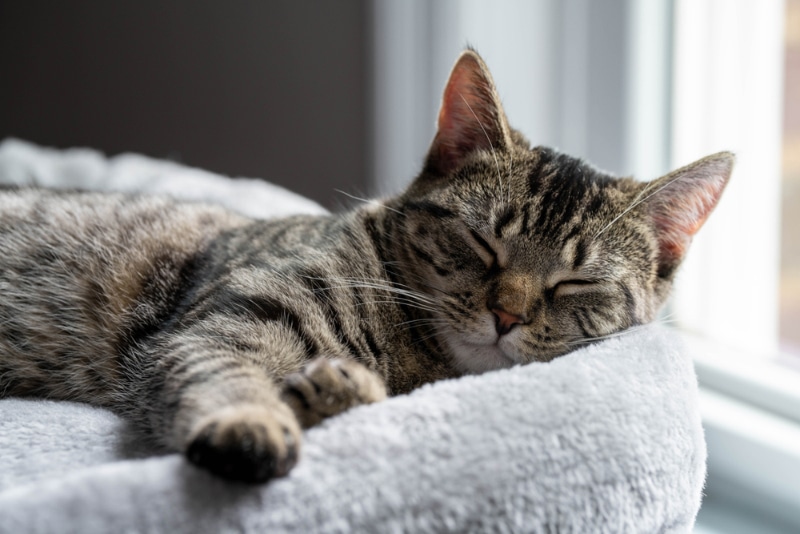
Cats love to cozy up on your bed or sofa blanket, so be sure to wash them often to get the dander off. Waking up in the night with watery,2 itchy, red eyes while coughing and sneezing is an indication your cat may have been sleeping on your bed, even if you don’t allow them to.
It’s also necessary to wash their cat bed and blankets often to prevent allergens from building up in your home.
Get Your Cat Groomed
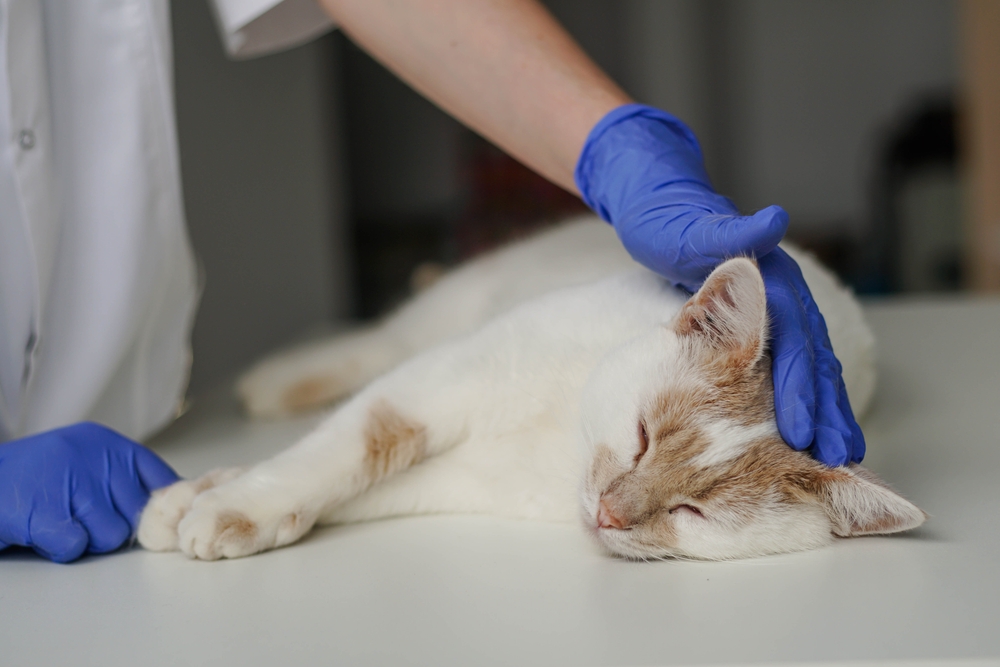
Your cat shouldn’t be neglected because you’re allergic to them. Although you might be unable to brush their coats, bathe them, and clip their nails, someone needs to do it. If a family member can’t take on the responsibility and your cat's fur is prone to matting, you might need to take them to a groomer who can do all the important tasks for you.
Not only will keeping your cat groomed benefit them, but it’ll also be better for your health. Washing and brushing a cat’s coat removes loose hairs that would otherwise fall out and end up on your furniture or around your home.
Set Boundaries
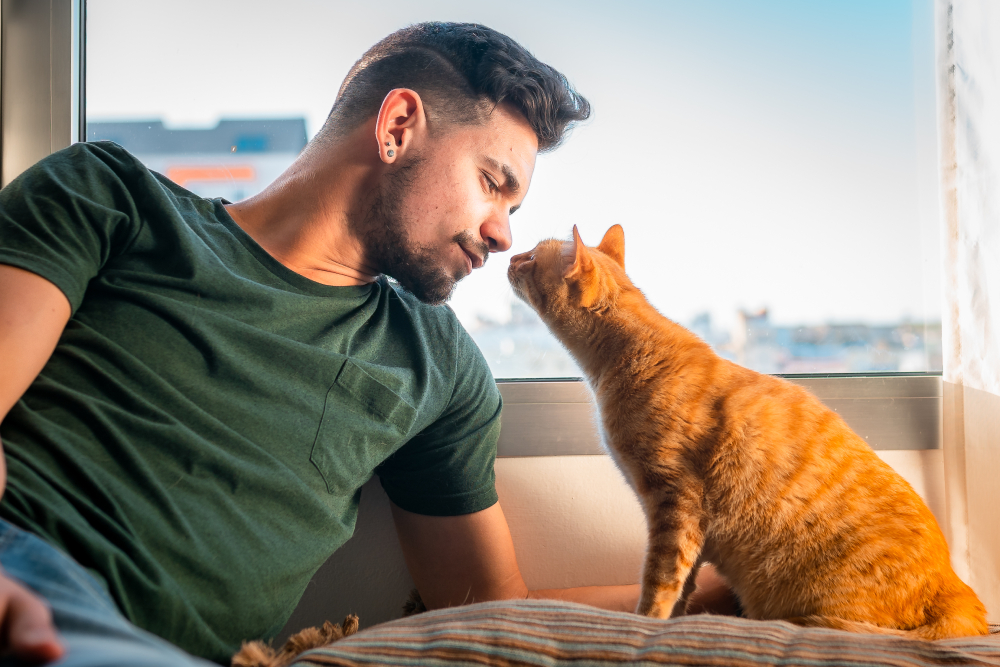
If you’re struggling with cat allergies, you may be forced to set a few boundaries for yourself and your cat. Avoid touching, hugging, or kissing your cat if your allergies are bad. Their saliva contains the Fel d 1 protein that affects allergic people, so allowing them near your face can cause a reaction. If you touch your cat or brush them, make sure you wash your hands afterward.
You’ll also need to restrict your cat’s access to certain rooms. While it’s great to have a cat hang out in bed with you, your bedroom should be a cat-free zone because that’s where you’ll spend most of your time.
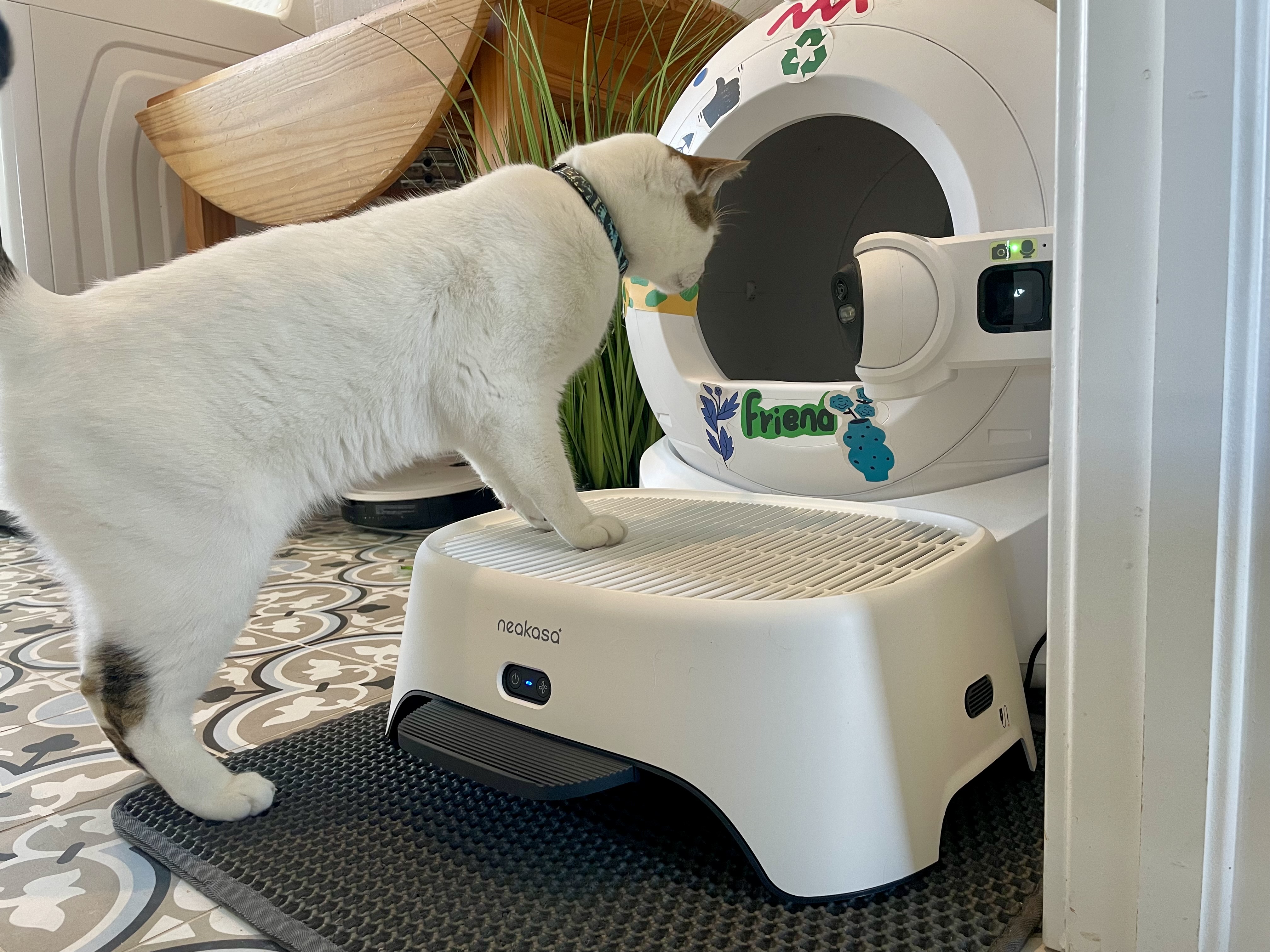
Cat urine and poop contain the Fel d 1 protein, so try to keep your cat’s litter box out of the way and in a room or area you don’t have to use often. If your cat is happy to play outside and is safe from threats, let them. If your cat is outside, fewer of their allergens will be inside.
Your Sensitivities

Many people with allergies to cats can tolerate the Devon Rex, with little or no allergic reactions. However, everyone is different, and you might be more sensitive to their dander and saliva than another allergy sufferer. To truly know if you can share a home with a Devon Rex, you must know how you’ll respond to them.
Before welcoming a Devon Rex into your home and discovering that you’re allergic to them, go to animal shelters and look for the breed. If you find any, spend time with them, playing and interacting with them. Who knows, your allergies may remain under control, and you may have found your new best friend.
If you can’t find a Devon Rex at local animal shelters, speak to a breeder about spending time with their cats or visit a friend with one. Taking these steps before buying a Devon Rex will prevent the possibility of having to rehome your cat.
Other Hypoallergenic Cat Breed Options
If the Devon Rex isn’t the breed for you, that’s okay. Several other cat breeds are also considered hypoallergenic—we’ve listed them below.
- Cornish Rex – They have a short coat that is soft and curly and sheds infrequently. Like the Devon Rex, they’re energetic and intelligent. They have slender bodies and large features and are always chatty.
- Javanese – This chatty and attention-seeking breed also has a slender but muscular body. Their coats are medium to long and don’t have an undercoat. They’re easy to groom and shed very little.
- Sphynx – They are easy to identify because of their lack of hair; however, they have a thin, soft layer of hair that covers their body. Although almost hairless, Sphynx cats come in different colors and patterns. They must be bathed weekly since they have oily skin and are susceptible to fleas.
- Russian Blue – If you’re less favorable of the bald appearance and leaning toward a fluffier cat, consider the Russian Blue. These beautiful cats have silky, dense coats that are short and plush. They produce fewer allergens than other breeds and shed lightly.
- Siberian – For an even fluffier option, the Siberian cat has a long, waterproof coat with three layers. They’re affectionate, loyal, and sweet-natured. They shed quite a bit, but they produce low levels of the Fel d 1 protein and are therefore considered hypoallergenic.
Conclusion
The Devon Rex is a fun and playful cat that is considered hypoallergenic. Most allergy sufferers do well around them because of their low Fel d 1 protein levels and infrequent shedding. However, it’s always best to spend some time with a Devon Rex before getting one for yourself in case you’re more sensitive to them than others.
Featured Image Credit: Veera, Shutterstock
Expert cat care, straight to your inbox
News, insights, and useful advice, delivered to you.

No spam — unsubscribe anytime.
By signing up, you agree to our Terms & Conditions and Privacy & Cookies Policy.
How useful was this post?
Click a star to rate. You can leave written feedback afterwards. (We read all feedback.)
Keri-Beth is a freelance writer from South Africa who loves writing about cats. She's very passionate about pet care and has spent quite a bit of time volunteering at animal shelters. Keri-Beth currently has two dogs: Benji, the Golden Cocker Spaniel, and Gracie, the Boerboel.
Keri-Beth's favorite hobbies include photography and camping. She lives with her husband, who is a professional drummer.