Can Cats Eat Chives? Vet-Reviewed Facts & FAQ


In this article
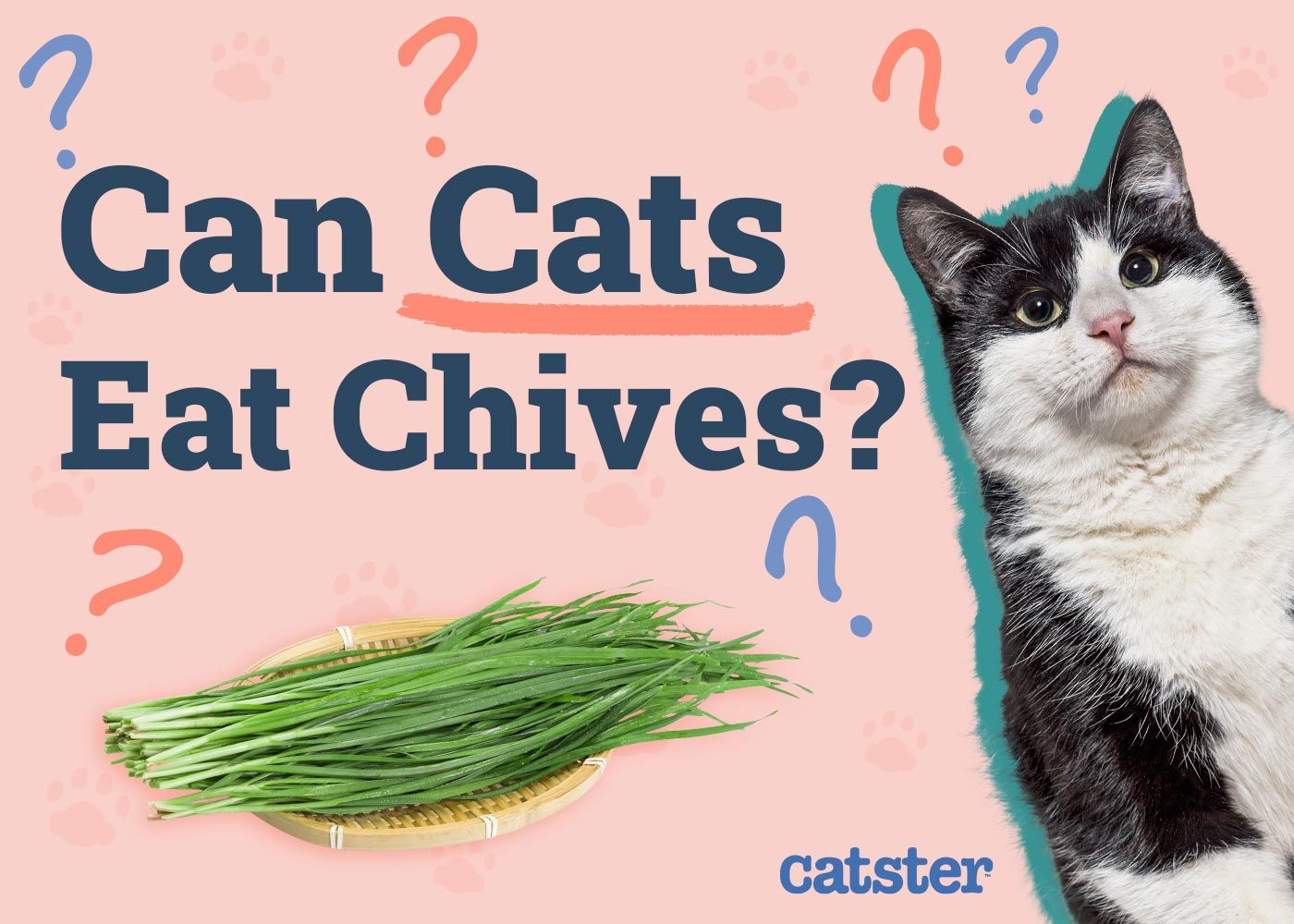
Chives are pretty common in our human food. However, they are not suitable for our furry friends. Chives are toxic to cats and other similar seasonings like garlic, leeks, and onions. Chives belong to the Allium family, which is poisonous to most mammals. Humans can develop toxicity if they eat several chives. Because our cats are so much smaller than us, it takes very little for them to eat enough chives to develop signs.
Chives may be a common topping for your soups, but you should avoid feeding your feline even a little bit. Smaller felines will be more sensitive to them, though any feline will be affected if they eat enough. It doesn’t take one large dose for signs to appear, and a small portion fed regularly can also cause issues.
In this article, we’ll examine everything you need to know about cats eating chives.

Why Are Chives Poisonous to Cats?
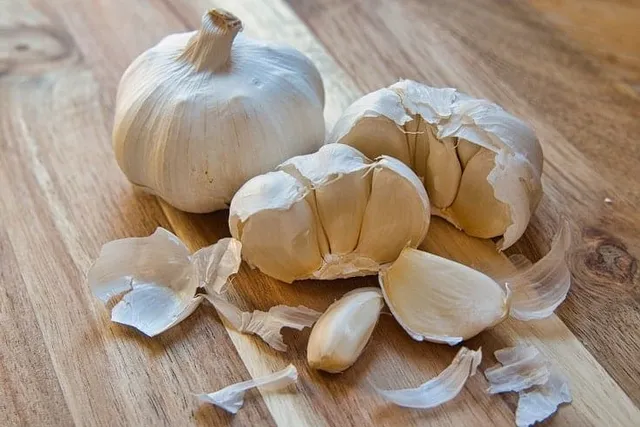
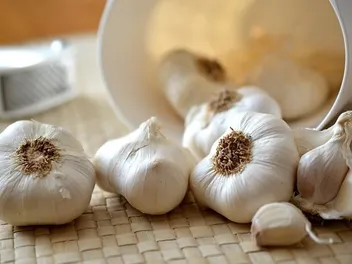
Chives are a member of the plant genus Allium, which includes onions, garlic, and leeks. One common feature of this plant family is that they all contain compounds called organosulfoxides. In their basic form, the compounds are pretty harmless. However, when chewed up, they are converted into sulfur compounds.
Sulfur can cause your cat’s red blood cells to break down. It doesn’t take a large dose for this to take place, either. Dangerous changes in their blood can happen pretty quickly.
Signs of Chive Poisoning
If your cat eats chives, the signs may not develop for some time. Larger doses often cause the signs to appear earlier, while smaller doses may not show apparent signs until days later.
Typically, the first and most minor signs are gastrointestinal. While chives are primarily dangerous because they can harm your feline’s red blood cells, they can also cause stomach issues, including vomiting, nausea, drooling, diarrhea, and abdominal pain.
More seriously, damage to the feline’s blood may also become apparent. Red blood cells are essential to your cat's body and carry oxygen throughout their body. If they are quickly destroyed, the most common signs you might observe are blood in the urine, yellow mucous membranes, shivering or appearing very cold, lethargy, difficulty breathing, and disorientation or collapse (in extreme cases).
A lower-than-normal number of red blood cells is known as anemia. Anemia can cause other problems as well. For instance, circulatory problems and low blood pressure may develop. This makes it difficult for the blood to deliver oxygen where the body needs it.

Treatment for Chive Poisoning
If you suspect your feline has eaten chives, call your vet. The signs may not appear immediately, but early treatment is still vital. If the cat has recently consumed the chives, the vet may be able to induce vomiting to remove the chives from your cat’s system. This is the best option, as it lessens the extent of the poisoning.
Activated charcoal may also prevent the toxin from absorbing into the digestive tract. If the cat already shows signs, it is likely too late for any of those treatments. Instead, the only option is supportive care in the form of GI medications, fluid therapy, and oxygen therapy. Complications that arise in other organs due to the poisoning are treated on a case-by-case basis.
Hospitalization and monitoring may be required, as the worst signs typically do not occur several days later.

Avoiding Chive Poisoning
You should keep chives stored away from your cat’s reach since cats can easily access food that has been left on the counter. Of course, don’t purposefully feed your feline anything that contains chives or any other plant from the Allium group.
All forms of chives and onions are poisonous, including dried, fresh, liquid, and cooked. Some human supplements contain toxins, so be careful when leaving supplements where your cat can access them.

- NO MESS - The 360° tray on this cat food and water bowl set has a raised design to catch and contain stray crumbs and drips. Protect your indoors and floors from wet and messy meals!
- WHISKER FRIENDLY - Shallow and wide metal containers with flat bottoms ensure your kitty can enjoy mealtime free from whisker fatigue!
- CHEW-SAFE MATERIALS - Kittens and cats love chewing on silicone and soft rubber - but it's a choking hazard. Our cat feeding station materials are anti-chew for a 100% safe feeding frenzy!
Learning about what your cat can and cannot eat is a crucial part of keeping them happy and healthy! Choosing a bowl to serve cat-friendly foods in is another important decision pet owners face. Satisfy the specific needs of your cat with the innovative design of the Hepper NomNom Cat Bowl. Learn why it’s our (and our cats!) favorite food and water dish here.
At Catster, we’ve admired Hepper for many years and decided to take a controlling ownership interest so that we could benefit from the outstanding designs of this cool cat company!
Conclusion
Chives are incredibly poisonous to cats. You should avoid feeding chives or onions to your cat and be careful about where your chives are stored. Cats can quickly get into some cabinets and access stored foods, including chives.
If your feline ingests chives, you should seek vet care immediately. The treatment is more effective and less costly if it is started early, and the prognosis is better with earlier intervention.
Featured Image Credit: _Alicja_, Pixabay
Expert cat care, straight to your inbox
News, insights, and useful advice, delivered to you.

No spam — unsubscribe anytime.
By signing up, you agree to our Terms & Conditions and Privacy & Cookies Policy.
How useful was this post?
Click a star to rate. You can leave written feedback afterwards. (We read all feedback.)
Kristin is passionate about helping pet parents create a fulfilling life with their pets by informing them on the latest scientific research and helping them choose the best products for their pets. She currently resides in Tennessee with four dogs, three cats, two fish, and a lizard, though she has dreams of owning chickens one-day!