Can Cats Eat Aloe? Vet-Approved Safety Guidelines


In this article
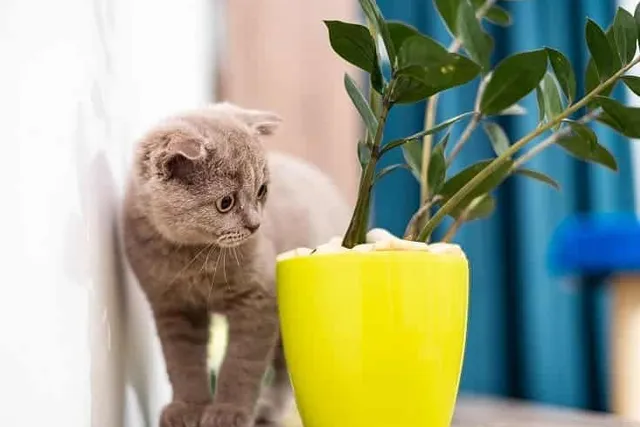
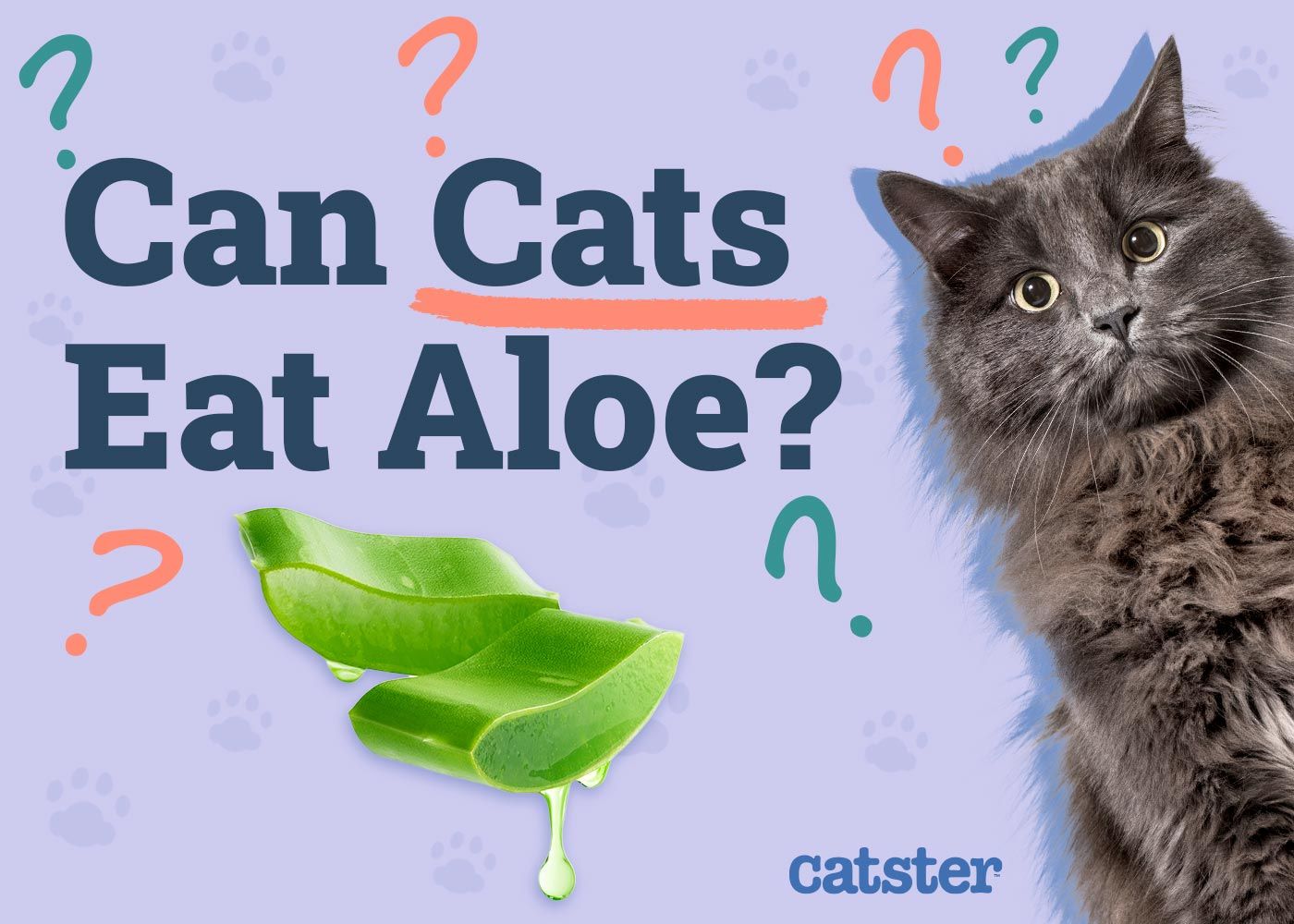
If you have a garden full of aloe and a cat, you know it’s only a matter of time before you have a garden full of aloe plants with cat bite marks. At that point, you’ll ask yourself, “Can cats eat aloe, or should I be concerned?” As it turns out, aloe is toxic to cats, so yes, you should be concerned. To find out exactly how concerned you should be, read on.

Is Aloe Toxic to Cats?
Please Note
Aloe is believed to be mild to moderately toxic to cats. It can cause signs like vomiting, diarrhea, lethargy, depression, tremors, refusal to eat, and changes in urine color. A nibble is unlikely to be fatal, but the risk increases if your cat has eaten significantly.
There are two toxic elements in aloe. The first is compounds called saponins, which are toxic to a wide range of animals, including dogs, horses, and cats. The second are compounds known as anthraquinones. These are similar to laxatives. Eating aloe can cause something known as aloe poisoning in cats.
It’s the white latex part of the plant that’s toxic to cats—they can eat the gel inside. As a result, you can use aloe products on your cat, provided the latex has been removed. Unfortunately, your cat will likely want to nibble on your aloe plants, so you might want to figure out how to keep your cat away from your garden (or eliminate the plants entirely).

My Cat Chewed On My Aloe Plant, What Should I Do?
If you’ve caught your cat munching on your aloe plants, it’s essential to take immediate action. The longer you wait to get your cat's medical attention, the more toxins that they’ll absorb and the less your vet will be able to help them.
You may notice the listed signs, but you might not; it can take signs 6–12 hours to present themselves. It’s best not to wait around to see if they’ll show up. You should take your cat to the vet right away for a medical examination and necessary care. The vet will likely want to run a diagnostic panel, including taking urine and blood samples.
How Is Aloe Poisoning Treated?
If you get your cat to the vet soon enough, your doctor may want to give them activated charcoal to soak up the toxins. They may also try to induce vomiting to get the aloe out of your cat’s system before it can do any damage. If your cat has been showing adverse effects from eating the aloe, they may need intravenous fluids to prevent dehydration.
Assuming you get your cat to the vet quickly enough, they should recover fully without any lingering effects. However, if your cat eats too much or you take too long to get them medical treatment, they could take weeks to recover. Your cat might be placed on a prescription diet while they recover from their toxin episode.

How Do I Keep My Cat From Eating My Aloe Plants?
The best and most effective way to keep your cat from eating your aloe plants is not to keep aloe plants in your home. It’s the only way to be certain that your cat doesn't eat aloe(unless they find one somewhere else, of course).
Another good way is to put your plants in a place that your cat can’t access. If the aloe is in an outside garden, consider fencing it off to ensure that your cat (and any roaming felines) don’t have access to the plant.

- NO MESS - The 360° tray on this cat food and water bowl set has a raised design to catch and contain stray crumbs and drips. Protect your indoors and floors from wet and messy meals!
- WHISKER FRIENDLY - Shallow and wide metal containers with flat bottoms ensure your kitty can enjoy mealtime free from whisker fatigue!
- CHEW-SAFE MATERIALS - Kittens and cats love chewing on silicone and soft rubber - but it's a choking hazard. Our cat feeding station materials are anti-chew for a 100% safe feeding frenzy!
Learning about what your cat can and cannot eat is a crucial part of keeping them happy and healthy! Choosing a bowl to serve cat-friendly foods in is another important decision pet owners face. Satisfy the specific needs of your cat with the innovative design of the Hepper NomNom Cat Bowl. Learn why it’s our (and our cats!) favorite food and water dish here.
At Catster, we’ve admired Hepper for many years and decided to take a controlling ownership interest so that we could benefit from the outstanding designs of this cool cat company!
Should I Make My Cat Vomit At Home?
If your cat has eaten some of your aloe vera plant - or any other toxic substance - do not attempt to make them vomit at home unless specifically directed to by your veterinarian. It is difficult and potentially dangerous to induce vomiting in cats, and in some cases, can make the problem worse. If your regular vet is unavailable, you can phone an emergency vet, Pet Poisons Hotline, or speak to a vet online.
What’s the Verdict?
Aloe is not safe for cats. While it’s not likely deadly, it can still negatively impact your cat’s health, leading to an upset stomach, anorexia, and a prolonged hospitalization episode. By taking your cat to the vet's office quickly after discovering they've consumed aloe, your vet can treat them and discuss the recovery process. If you want to keep both aloe plants and cats in your home, you need to put the plants somewhere that your cats can’t reach.
See Also:
Expert cat care, straight to your inbox
News, insights, and useful advice, delivered to you.

No spam — unsubscribe anytime.
By signing up, you agree to our Terms & Conditions and Privacy & Cookies Policy.
How useful was this post?
Click a star to rate. You can leave written feedback afterwards. (We read all feedback.)
Quincy never intended to be a cat person. He grew up around dogs, and when his wife brought home a kitten one day, he told her she had one week to find it a new home. That week turned into 10 years (his wife moves very slowly), and that kitten turned into three (they got two more, the kitten didn't self-replicate). After a decade of sharing his home with three cats, one horrifying realization finally set in: oh God, he's a cat person now, isn't he???