Can Cats Eat Grass? Vet Approved Info & Facts


In this article
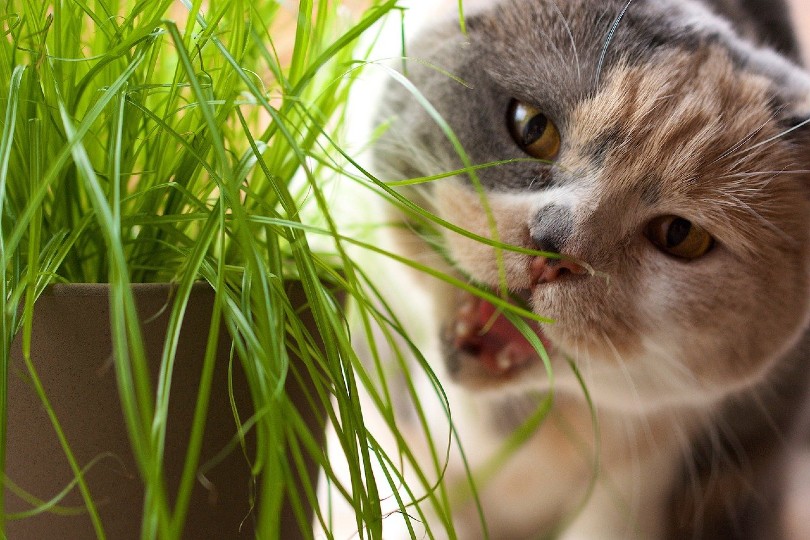
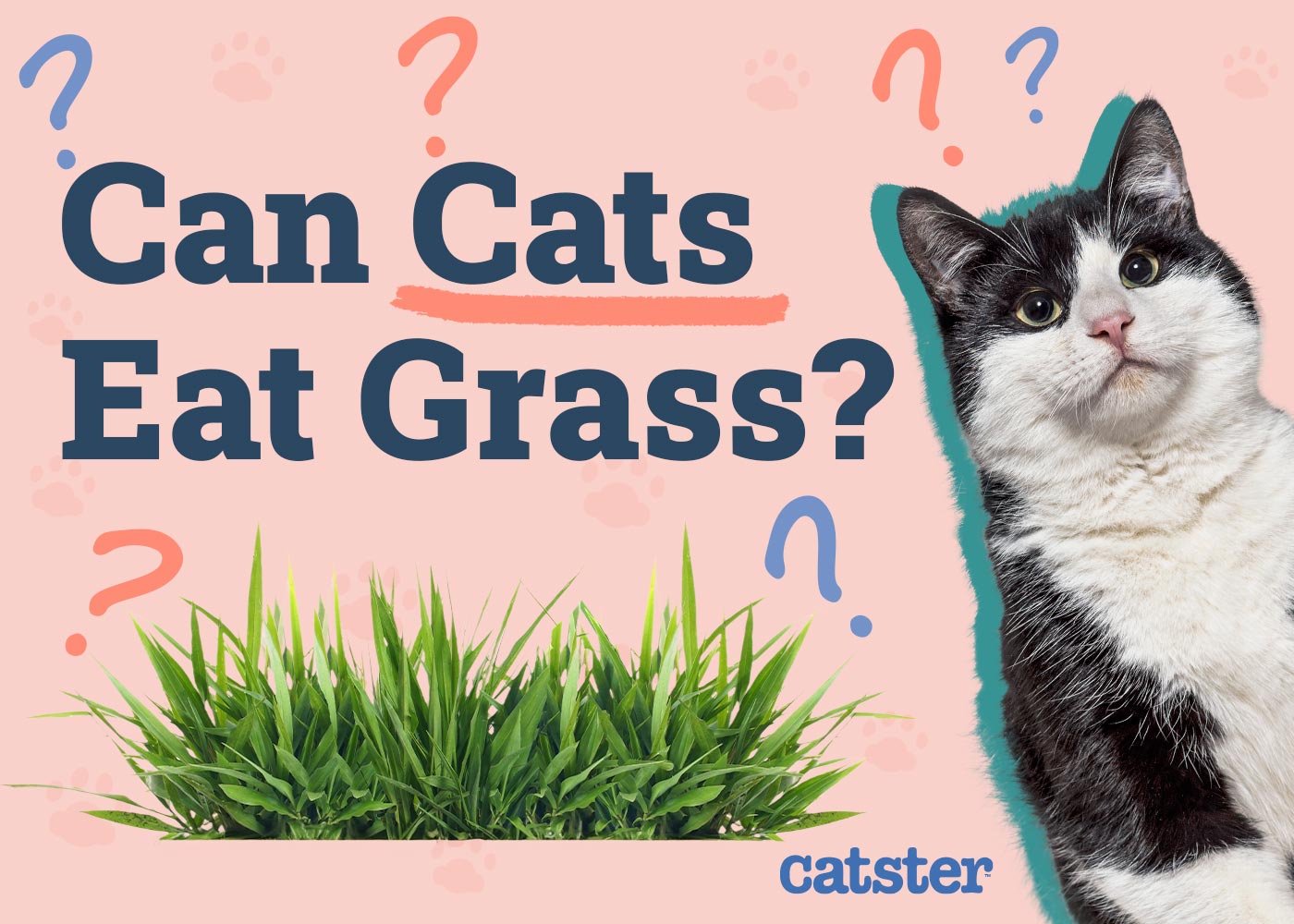
Cats are no strangers to odd behaviors, but as owners it is easy to worry because our feline friends do not always put their safety at the top of the list. It is quite common to see cats munching on grass, and considering they are strictly carnivores, it can leave you wondering, can cats eat grass?
Thankfully, the answer is yes. Eating or chewing on grass is a normal behavior for cats and is often nothing to worry about. That being said, there are some risks associated with eating grass, so it is always best to keep watch on what your kitty is up to. There are also ways you can safely encourage this natural behavior, which we will cover below.

Why Do Cats Eat Grass?
Eating grass is a behavior seen across the Felidae family and has been observed in many species of wild cat including bobcats, lions, tigers, and many more. Our domesticated cats exhibit many natural behaviors that have been passed down from their wild ancestry, and eating grass is one of them.
Cats are considered obligate carnivores, meaning they get all their necessary nutrients directly from their prey. So, why would they want to eat grass in the first place? There is not exactly a solid answer as to why, but experts do have several theories that could explain why grass may entice some cats.

To Aid Digestion
Experts believe that one reason cats eat grass is to help with digestion. As carnivores, cats lack the enzymes needed to properly digest plant material, which at times can induce vomiting. Vomiting can help your cat rid their system of indigestible materials such as feathers or fur and relieve nausea.
Contrary to widespread belief, grass won’t always cause a cat to vomit. It can also aid in digestion because it is rich in fiber; it can also help move the digestive system along in the other direction. It can act as a mild laxative and help ease constipation or move hairballs through the digestive system.

To Expel Parasites
Cats can be affected by numerous internal parasites including roundworms, whipworms, pinworms, hookworms and more. Consuming grass has been shown to help rid the gastrointestinal system of internal parasites.
Since grass is rich in fiber and has a mild laxative effect¸ it will aid bowel movements and help remove parasites and other waste from the body. Interestingly, younger cats have been shown to eat more grass than adults and seniors.
It is hypothesized since parasitic infections can result in nutritional deficiencies and be detrimental to growth, they benefit from eating the grass.
To Obtain Nutrients
Cats may be designed to get all their necessary nutrients directly from meat, and while grass may not be as easily digested, they can still get obtain some of the nutritional benefits that it has to offer, including:

They Enjoy the Texture
Cats are known for being curious and playful, and they are no strangers to harassing all sorts of plants. In fact, it’s important for cat owners to be wary of which plants are safe for cats because of the risks of toxicity if certain species are chewed, ingested, or come in contact with the skin.
It is not uncommon for cats to chew during play, so if you notice your cats munching on grass, it may be because they enjoy the texture and it’s stimulating to play with.
Risk of Eating Grass
Eating grass may be completely normal, but there are some risks associated with the behavior. It is important for pet owners to not only be aware of the risks but to also reach out to their veterinarian if there are any behavioral changes or concerns over what their cat is eating. The risk of eating grass include:
Gastrointestinal Obstruction
While eating lesser amounts of grass in moderation is completely normal, eating excessive amounts of grass can be problematic and may be due to an underlying health condition. Since cats cannot digest plants materially properly, large amounts of grass could build up in the GI tract and lead to a dangerous gastrointestinal obstruction.
Owners should prevent their cats from consuming too much grass and contact their veterinarian if they have concerns over how much they are eating. If a cat shows any signs of potential gastrointestinal obstruction, they should be seen right away, as this is considered a medical emergency and can be fatal if not treated promptly.
Lawn Treatments
Many homeowners use some sort of lawn treatment, many of which are toxic if ingested by your grass eating kitty cat. This can include pesticides, herbicides, fungicides, and certain fertilizers. Cat owners should be mindful of what kind of treatments are used on their lawns and use safety precautions to prevent their precious companions from ingesting it.

Cat Grass – and the Benefits
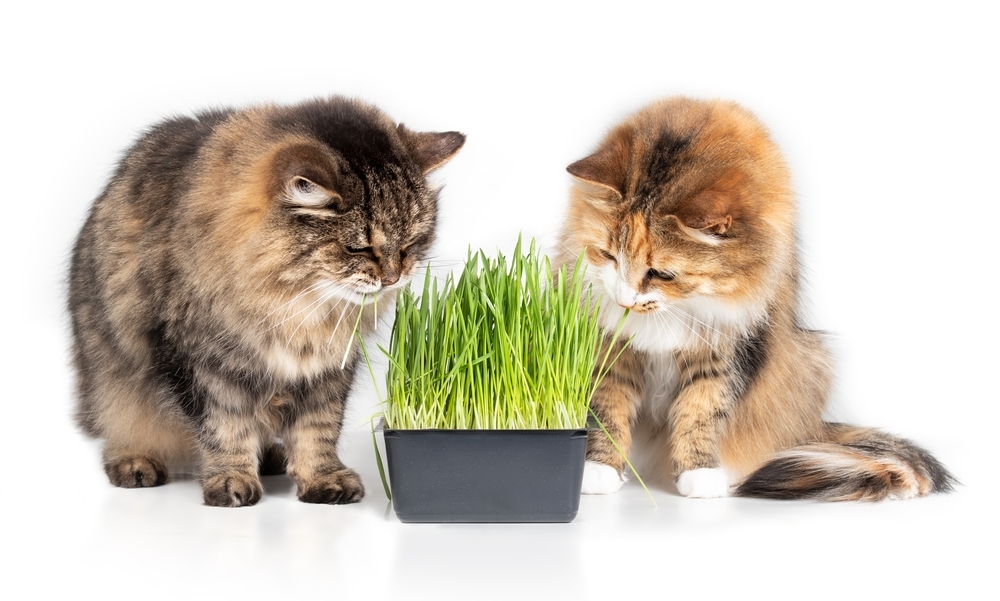
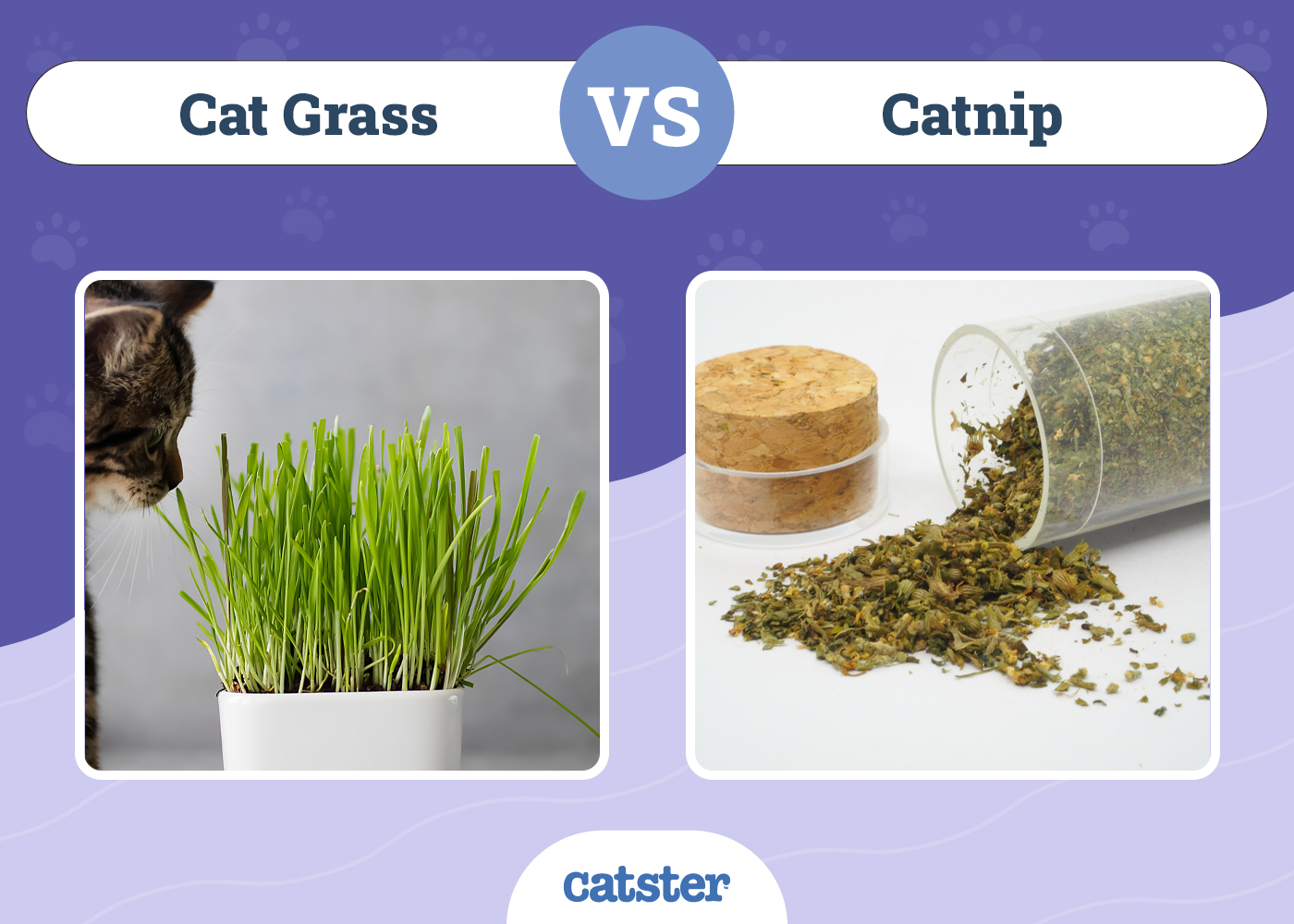
Cat grass is a wonderful, safe choice for cats that enjoy nibbling on grass and can easily be grown indoors. Cats grass is often grown from oat, barely, rye, or wheat, and cat grass kits can very easily be found in pet stores and online. It is a wonderful way for allowing your cat to indulge in this natural behavior in the safest way possible.
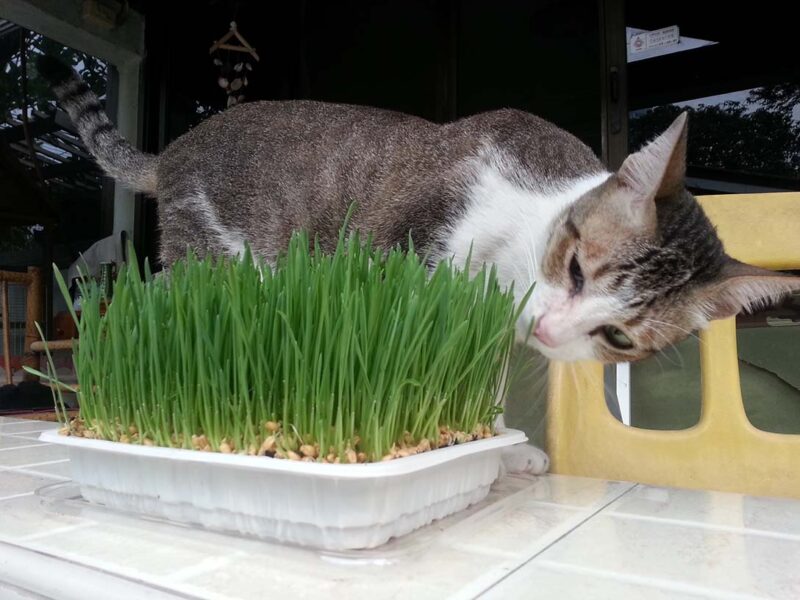
It typically takes only about ten days after planting for your cat to have their very own share of grass for their enjoyment. Unlike the lawn, this ensures the grass is free from any harmful chemicals. It also helps keep kitties distracted from your houseplants that may look appetizing.
Conclusion
Cats can eat grass and it is a completely normal behavior that is observed in both wild and domesticated cat species. There are several reasons why these carnivores may choose to nibble on grass, but owners should always be careful of lawns that have been chemically treated or if the cat is eating excessive amounts of grass. Cat grass is a wonderful option for grass-loving cats and can easily be found in stores and online. Always speak to your veterinarian if you have any questions about your cat’s health or behavior.
See also:
Sources
Featured Image Credit: Bowonpat Sakaew, Shutterstock

Expert cat care, straight to your inbox
Vet-reviewed advice, behavior tips, and the best of Catster. Free, and you can unsubscribe anytime.
By signing up, you agree to our Terms & Conditions and Privacy & Cookies Policy.
Lindsey and her husband enjoy traveling the US with their kids and photographing wildlife. Her passion is to educate others on the importance of proper animal care, with an emphasis on reptiles and exotics since their care requirements can be much more complex. She is also a huge advocate for bully breeds. She feels most at home in the forest either on horseback or in hiking boots.
Join the conversation
Ask a question, share your story, or send private feedback.