Is Cat Grass Good for Cats? Vet Approved Facts & Care Tips


In this article
We think of cats as being strictly meat eaters, which is true. An adult cat’s diet should consist of approximately 26% of (animal-derived) protein, compared to 12% for dogs and 8% for humans. The protein consumed by dogs and humans doesn’t have to be from animal origin, whereas for cats, it does. While it is correct that cats must eat meat in order to be healthy, they will occasionally also eat vegetation, and it is beneficial for cats to eat grass. Let’s have a look into why cats might like to eat grass and what benefits cat grass may have.

The Reasons Cats Eat Grass
Scientists aren't absolutely sure why felines eat grass, but observation provides some valuable clues. Some believe that ancestors of our domestic cats consumed grass after capturing their prey, to induce vomiting or to act as a mild laxative. They may have wanted to get rid of parts of their prey that weren’t digestible. This is instinctive behavior that even pets that have never caught a mouse might do.
Another theory involves phytol, a chemical component of chlorophyll. Research has shown this compound has anti-inflammatory and pain-relieving properties1. It's plausible that cats may eat grass to tap into these effects. Your pet may be doing the same thing when you offer them cat grass. After all, felines mask their discomfort well and exceed at managing it with other behaviors, like purring.
One study considered these hypotheses in two surveys of plant-eating among domestic cats2. The researchers’ findings refuted the assumption that felines consume plants only because of illness, with 94% of pets showing no signs of discomfort before eating plants. However, 27–37% vomited afterward. Nevertheless, the cause-and-effect relationship wasn’t significant, although not ruled out altogether.
Plant-eating behavior appears innate since the scientists observed younger cats consuming plants more frequently than older animals, suggesting that it isn’t a learned behavior.
The third hypothesis they tested involved hairballs and cat grass. If eating plants helped felines expel hairballs, we’d expect to see it more frequently in long-haired cats over short-haired ones. The scientists found no difference between the groups, suggesting it isn’t a driving factor. That leaves us with the question of why an obligate carnivore like a cat would bother to eat plants at all.

The Wild Side of Cats
Our feline companions aren’t the only ones that eat grass. Dog owners report similar behavior with their pets. Since cats and dogs are distantly related, that observation suggests it is an instinctive behavior that may serve another purpose3. A review of the scientific literature found evidence of plant-eating in at least 41% of the Carnivora order (comprising 293 extant species)4.
The researchers were looking into any dietary advantages of eating plant matter for animals outside of the bear (Ursidae) and panda (Ailuridae) families, for whom the benefits are already known. The most promising conclusion is that eating grass in wild carnivorous species is a method of expelling gastro-intestinal parasites, particularly helminths. Many of the plants consumed were highly fibrous, abrasive, and interestingly were not chewed up to small pieces. Instead, they were often swallowed nearly whole, indicating that they weren’t being ingested for nutritional purposes, but to irritate, tangle up and aid propulsion of parasites. The feces of the animals studied very often had a combination of grasses and other fibrous plants, mixed up with parasitic worms.
It's worth noting that wild animals are likely always infected with some level of parasitic burden. They encounter parasites in their environment and in their prey. Eating plants to expel parasites might help to keep these infections under control. Our well looked after and parasite-free pets have retained many instinctive behaviors, and eating plant matter might be a good example of this.
Commercial Cat Grass
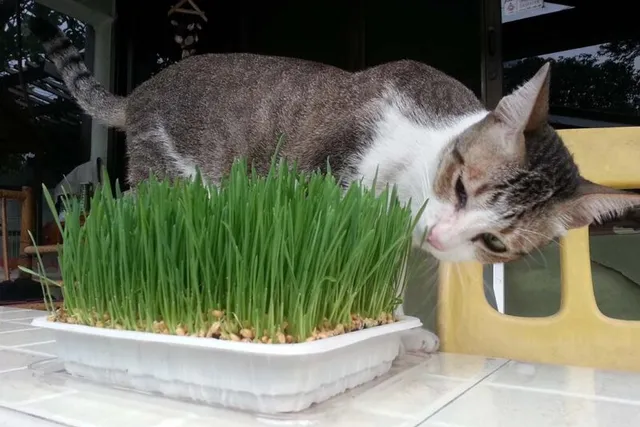
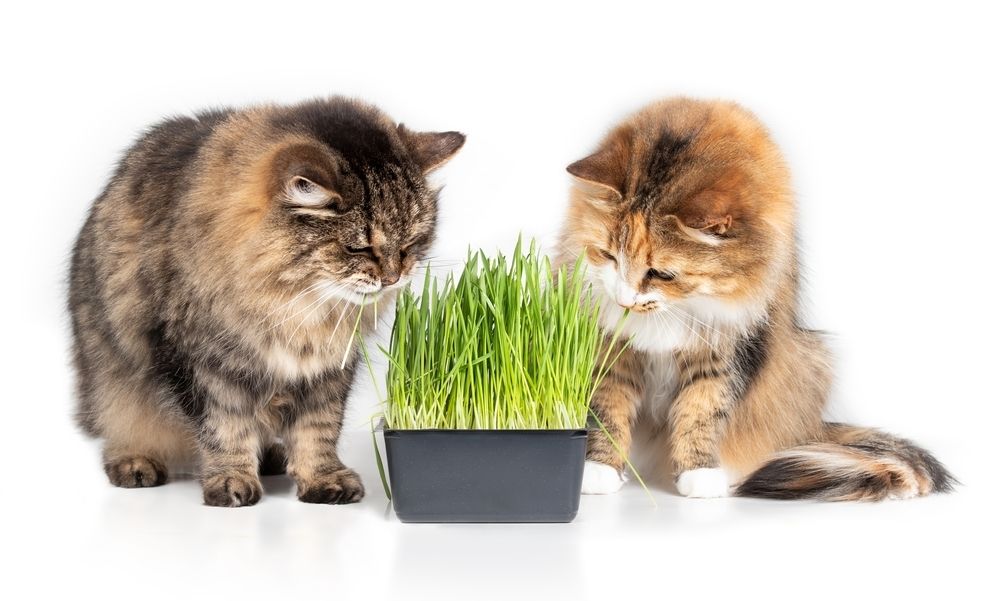
The commercial products you see are likely a mix of wheat, oats, rye, and other grasses. They’re better than allowing your cat to eat outdoor plants because there’s no risk of exposure to pesticides or parasites when you grow cat grass indoors. Many manufacturers sell kits that couldn’t be easier to use. You can even make it a project for your kids. Alternatively, you can also make your kitty garden from scratch.
Growing Cat Grass for Your Pet
To start, you’ll need a mixture of grass seeds and some potting soil. You can also use soil discs. Keep the seeds and soil moist by spraying them with a mister. They should sprout in less than a week. Place the container in a sunny location out of reach of your cat until they get a few inches high. Put the pot on the floor and watch your kitty enjoy their treat.
You’ll find that the grass may last a week or two with regular misting, depending on how quickly your cat goes through it.
Giving Your Pet Cat Grass
You may wonder how much cat grass a cat should have. It is safe for your pet to consume it as long as you know the source of the plants. The only drawback is the mess your kitty might make with the dirt. Otherwise, if your cat likes it, you can offer it regularly or as an occasional treat. That’s especially true for felines that are strictly indoor pets.
We recommend verifying the safety of any houseplants you have if you give your pet cat grass. While it’s safe, every species in your home may not be. Remember that your kitty likely won’t know the difference between something they should and shouldn’t eat.
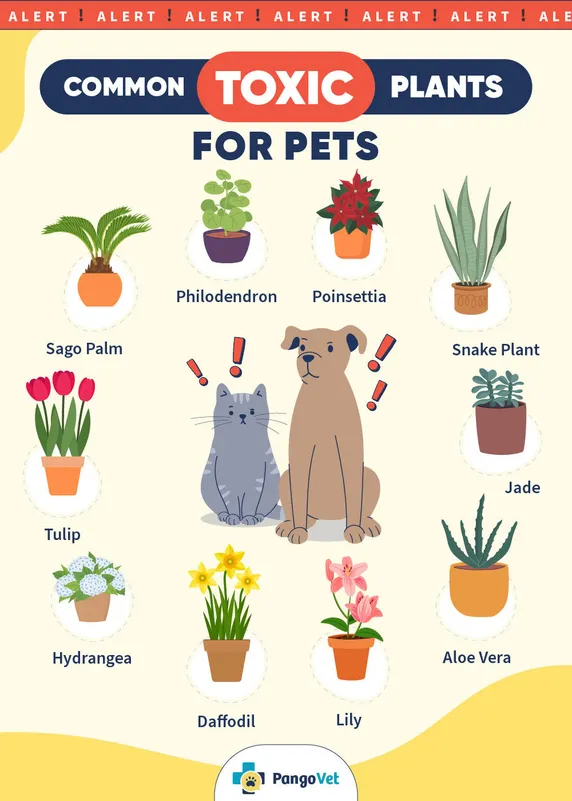
Can Kittens Eat Cat Grass?
As kittens are growing and maturing, so is their digestive system, as they change from a diet completely based on their mother’s milk to one that is completely solid and dairy-free. To avoid upsetting the balance of their development, we would recommend holding off on giving your kittens grass until they are approaching their adult size. By the time they are 6-7 months old, your kitten’s deciduous teeth will have been completely replaced by their permanent adult teeth, and this is a good age to allow them to explore cat grass.
Potential Problems With Cat Grass
Some cats can get a little carried away when it comes to enjoying a spot of the green stuff, which can result in a little more vomiting that we would like. Although some occasional vomiting after eating cat grass isn’t unusual, and may even help rid the body of hairballs or indigestible items, too much vomiting is a problem. If your cat tends to overindulge when it comes to eating grass, you should limit their access to just once or twice a week for no more than five minutes. If their vomiting persists, please contact a vet.
Another potential pitfall of eating grass is when it gets stuck in the back of the throat. Cats may develop a cough or sneeze after eating grass, and if this persists for longer than 24 hours, it could be an indication that a blade of grass has become stuck under their soft palate, which means a trip to the vet.
If your cat seems to be irritated after munching on grass, encourage them to eat some food and drink water to help dislodge any blades that may be stuck.
Final Thoughts
Plant-eating is normal behavior for cats—and dogs. Consumption is widespread among carnivores. Offering your pet cat grass allows your feline to engage in instinctive behavior while providing another source of enrichment. It’s also an excellent way to keep your kitty from chewing on your houseplants with something they can enjoy.
Sources
Featured Image Credit: sophiecat, Shutterstock
Expert cat care, straight to your inbox
News, insights, and useful advice, delivered to you.

No spam — unsubscribe anytime.
By signing up, you agree to our Terms & Conditions and Privacy & Cookies Policy.
How useful was this post?
Click a star to rate. You can leave written feedback afterwards. (We read all feedback.)
Chris has been a science-focused pet writer since 2009, specializing in health and the environment. She lives with her husband Norm and three amazing cats in the land of 10,000 lakes. When she's not writing about cats, Chris also enjoys boating and sampling wine. She has her WSET 1 and 2 certifications and is currently pursuing her Certified Wine Specialist Award (CSW).