How to Stop My Cat From Bullying My Other Cat: 7 Vet-Reviewed Tips & Tricks


In this article
Owning more than one cat can be fulfilling and joyful, but in some cases, it may also prove to be a challenge. Like humans, cats have their quirks, and sometimes, one strong personality can clash with another. The problem often arises when there is a lack of resources, such as an insufficient number of litter boxes, if one of the cats has not been properly socialized, when there is a different scent after returning from a vet hospital, or if there isn’t enough physical exercise and mental stimulation.
So, what do you do when one of your cats is bullying the other? We’ve found some helpful tips and tricks for navigating this tricky situation, depending on the underlying cause. Read on to find out how to deal with your pets and restore peace in your home.

How Do You Know if It’s Bullying or Playtime?
How can you be sure you have bullying on your hands and not two very playful cats? Cat bullying comes in many forms; some are obvious, and others are more subtle.
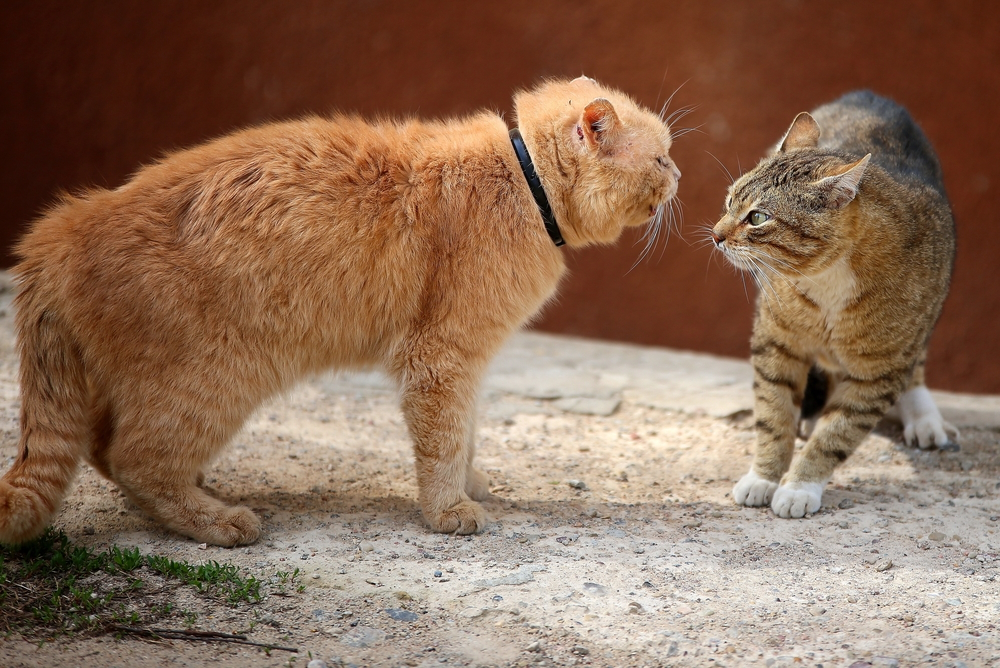
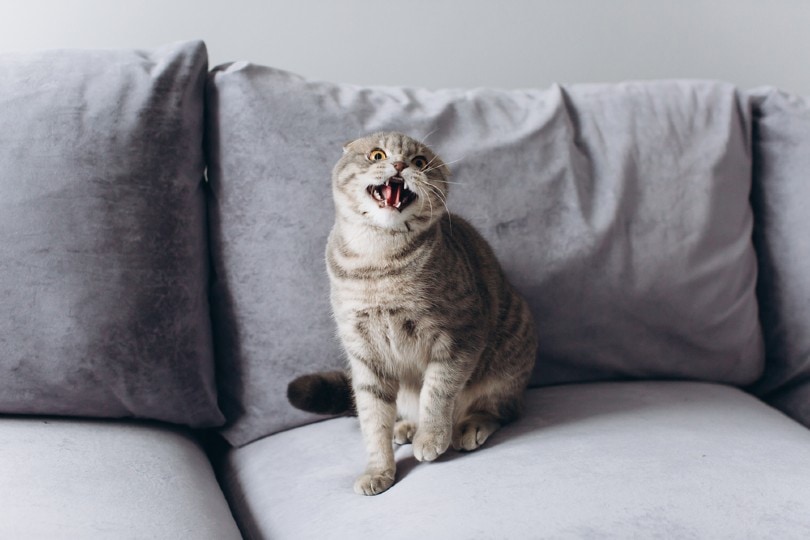
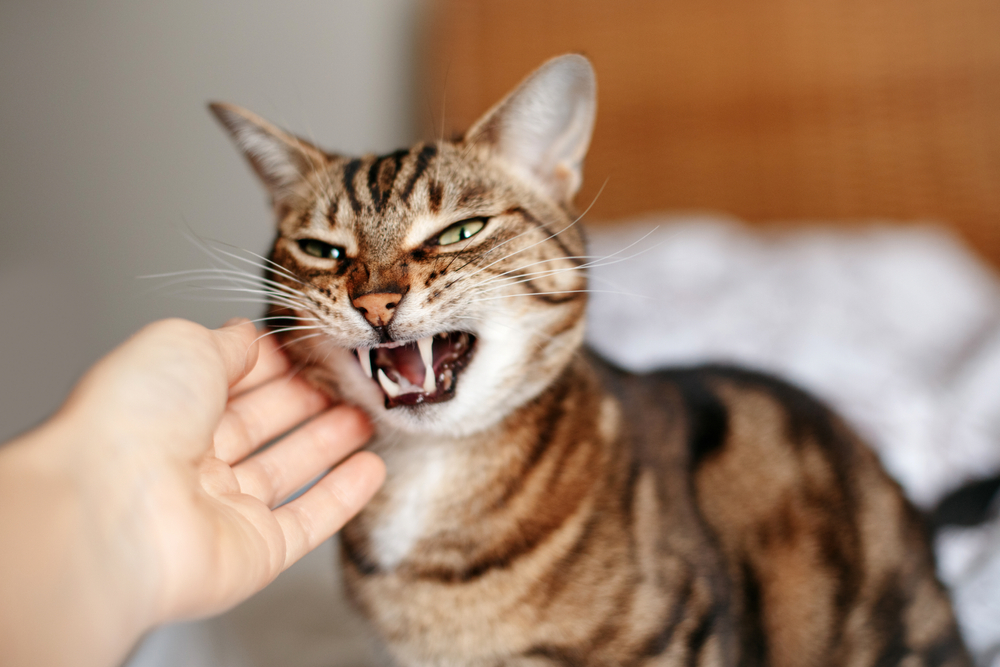
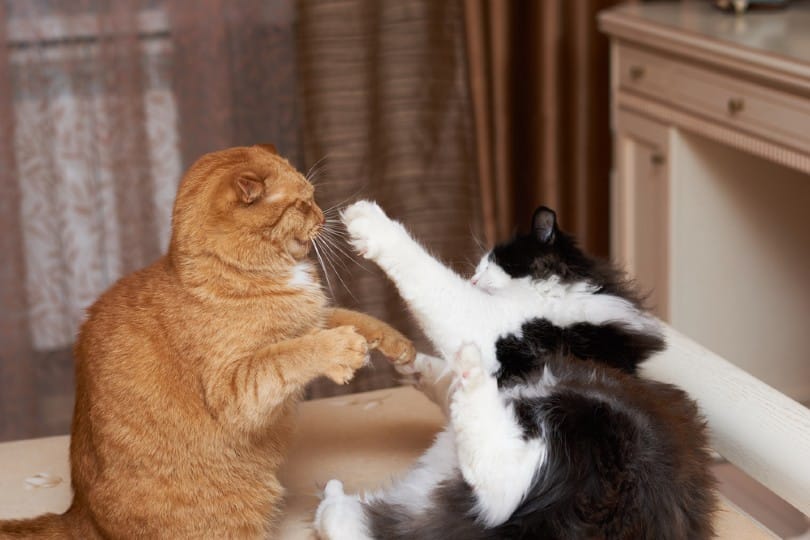
The main difference between playing and bullying is that bullying tends to be one-sided. Cats can go from cuddling to play-fighting and back to cuddling, which is a healthy relationship. Play can sometimes even appear aggressive, with some hissing involved. The difference is that the cat being bullied will seem fearful of the other cat.
Signs of Bullying

If your other cat is sometimes the instigator, it may just be part of a game. However, bullying is likely involved if one cat is almost always the aggressor. Other signs to look out for are:
- Avoiding each other or keeping distance
- Chasing
- Swiping
- Biting
- Dilated pupils
- Flattened ears
- Hissing
- Litter box guarding
- Urinating outside of the litter box
- Territorial aggression
- Toy hoarding
Signs your cat is being bullied may be a puffed-up tail and flattened ears, your cat running away, avoiding the other cat, hiding, loud hissing, and more. Some of these signs can be difficult to spot, and the more in tune you are with your cat’s habits and temperament, the easier it will be for you to determine when something is wrong.
The 7 Tips to Stop Cat Bullying
In order to significantly reduce and hopefully completely stop your cats from bullying one another, it’s crucial to first understand the causes behind it. Oftentimes, there are simple steps you can use to address the issue, but in the case you cannot identify or treat the cause, it’s crucial to consult with a veterinarian or a feline behaviorist.
1. Environmental Enrichment
Cats that are bored, stressed, or frustrated may be more likely to get into an argument with one of their household mates, or their playtime may become rough and easily get out of control. Enriching your cats’ environment enables them to express their natural behavior and feel more fulfilled on a daily basis. It doesn’t need to be big things, as there are ways to make their life much more interesting with little tweaks and changes to your home.
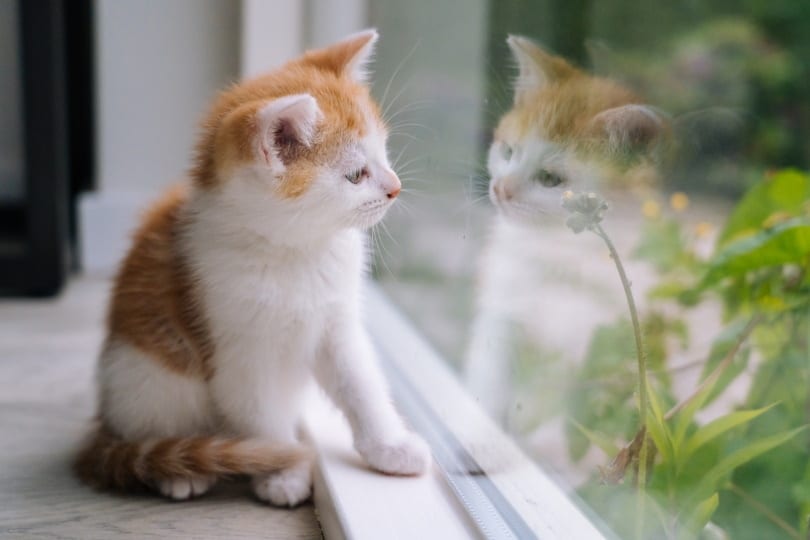
Environmental enrichment can include providing plenty of scratching posts, cat trees, vertical and window perches, cat TV, outdoor secure exercise areas (such as a catio), games that allow them to exhibit their hunting instincts, outdoor walks, and many more.
2. Sufficient Resources
Most cats are not great at sharing, and it’s important to provide each of them with their own resources, such as bowls, litter boxes, toys, scratching posts, beds, and more. The general rule for litter boxes is one per cat plus an additional one, as a minimum. That doesn’t mean that some cats won’t share, but this way, you are providing them their own private toilet space.
Cats that are feeling frustrated or stressed may block the other one’s access to the litter box, which leads to inappropriate urination or defecation outside of the litter box. Ensuring your cats have separate bowls and litter boxes can reduce bullying. Having separate bowls will reduce conflicts during meals, and separate litter boxes allow each cat to enjoy a space with their own scent.

3. Gradual Introductions
The way you introduce your cats to one another is the foundation of their relationship. Even if they’ve been living together for some time, you can reintroduce them if they weren’t properly socialized. Start by separating your cats into different rooms with a closed door between them.
Use something the other has touched, like a blanket, and allow them to sniff it. Then, supervise short visits between them both. You can cut the meeting short and return them to their respective rooms if there is any sign of fear or aggression.
4. Be Generous With Your Time

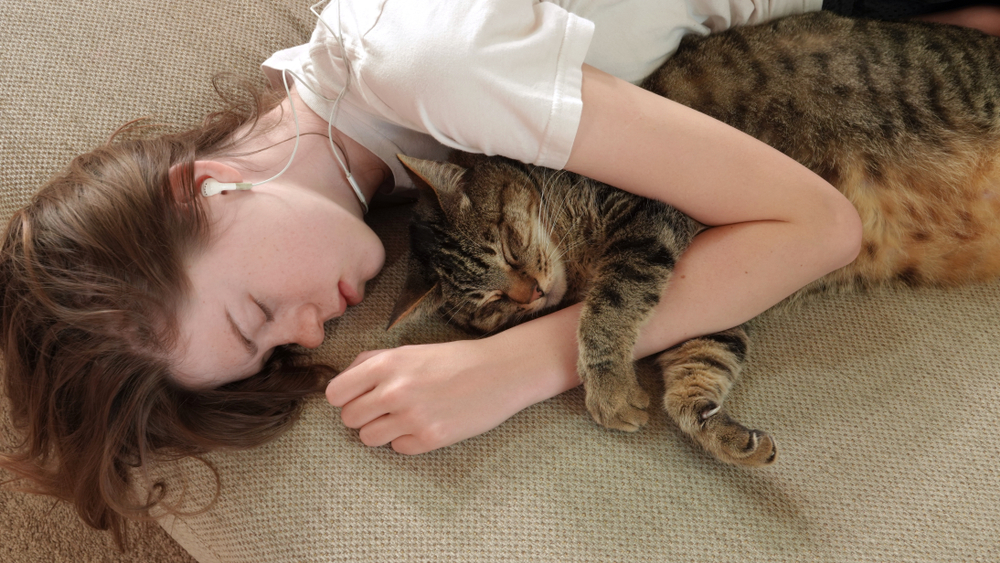
Try to give your cats an equal share of playtime and lap time, based on their preferences. This will provide an opportunity for you to bond and form a close relationship with each cat, while making sure they get all the exercise and cuddles they need.
5. Exercise and Playtime
Physical exercise and mental stimulation every day for each cat is crucial to prevent boredom and frustration. This can be done through playing, puzzle games/feeders, interactive toys, outdoor activities in a controlled environment, as well as many other ways.
One way of engaging with a bored cat is through toys and mental challenges. Invest in something unique for each cat. Does one enjoy puzzles while your other cat enjoys a feather teaser toy? Not only will playing with toys benefit your pets because they’ll feel special, but it will also burn off some of their pent-up energy.
6. Neuter & Spay

Neutering is one of the ways to prevent aggression in cats, as it can be set off or worsened by hormones. This is more common in male cats, leading to urine spraying and marking or territorial aggression and fighting, although females may exhibit it as well. Even if your cats are the same gender, it’s worth getting them both fixed to reduce aggression that can manifest as bullying behavior, not to mention the benefits of preventing unwanted mating.
7. Seek Veterinary Advice and Use Pheromones
Last but definitely not least, you’re never alone when solving your pet's problems. Your vet is on hand to give you advice and develop solutions. They may advise bringing your cat in for an examination to see if any medical conditions or pain might be causing aggression, particularly if it’s sudden and unusual for your cats.
If your vet rules out any health issues and the other factors mentioned above have been addressed, using pheromone diffusers and sprays may help to reduce tension between the cats. Pheromones send calming and reassuring messages to your cats, giving off familiar scents. They may be based on the cat-appeasing pheromone that is released by the queen when bonding with her kittens encouraging a feeling of safety. Such a diffuser should be used in the area cats spend most of their time, or in the area where a conflict commonly arises, but it’s likely that you will need more than one, depending on the size of the house.
Consulting with a feline behaviorist is also important in order to better understand the root cause of the problem and address it promptly before it leads to severe issues and aggression between the cats.
What Should You Not Do?
Avoid punishing your cat verbally or physically for the bullying behavior. Yelling and swatting at your fighting cats only leads to more aggression. When breaking up a fight, a spray bottle is an effective short-term solution but teaches your cats nothing.
It’s also crucial that you don’t break up fights with your hand since you might become the new target for your cat’s aggression and acquire severe injuries. Using a blanket to cover one of the cats and break up the fight usually works, and it will save you from being clawed and bitten when you carry the cat into another room.
Final Thoughts
The thought of your cats not getting along or one of them getting injured is difficult to comprehend, but it could happen if you cannot identify and address the cause for bullying. We hope this guide has been useful in helping to understand and reduce aggressive behavior in felines. Consult your veterinarian, who can rule out underlying health issues or pain as cause of bullying, if you have addressed the other possible issues, such as insufficient resources or a lack of enrichment and exercise.
Sources
Featured Image Credit: Samarskiy, Shutterstock

Expert cat care, straight to your inbox
Vet-reviewed advice, behavior tips, and the best of Catster. Free, and you can unsubscribe anytime.
By signing up, you agree to our Terms & Conditions and Privacy & Cookies Policy.
Kerry-Ann lives in Scotland and would love to have a bigger garden so she could have her very own Highland cow. But her dogs probably wouldn’t like that idea very much. She has a La Chon called Harry who was sick with a liver shunt when he was a puppy. It wasn't likely he would make it into adulthood, which was difficult to comprehend, but he beat the odds and is a healthy old man now. She also has a Pug called Maddie who is a big foodie. She’s small, sassy, and every day she finds a new way to wind her brother up.
When she isn’t writing you can find Kerry-Ann going for long walks when it isn't raining, reading, or watching cartoons. She would one day like to be a tourist in her own country and travel through the Highlands with her family.
Join the conversation
Ask a question, share your story, or send private feedback.