Get

In Your Inbox

Catster is reader-supported. When you buy via links on our site, we may earn an affiliate commission at no cost to you. Learn more.

Why Are My Cat’s Eyes Dilated? 5 Vet-Reviewed Reasons & What To Do

Share

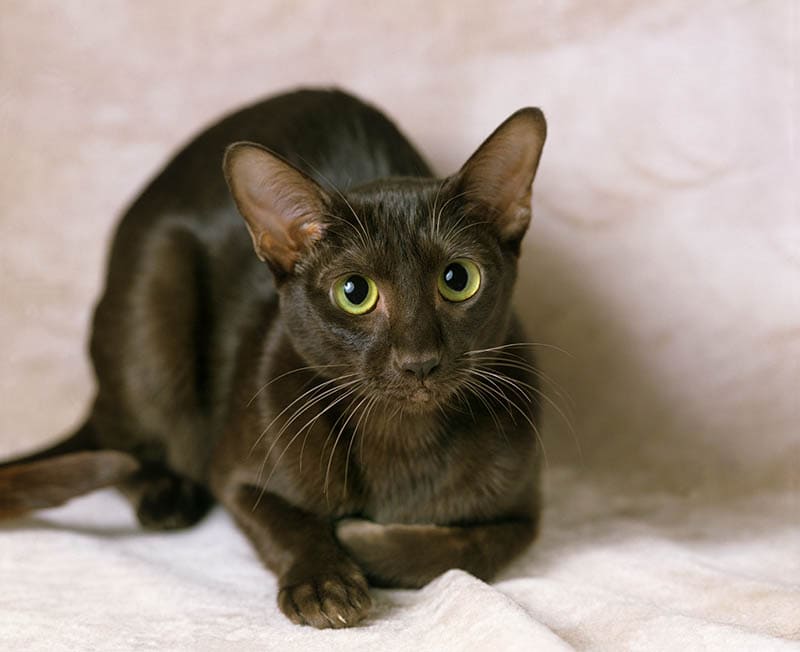
Havana Brown cat

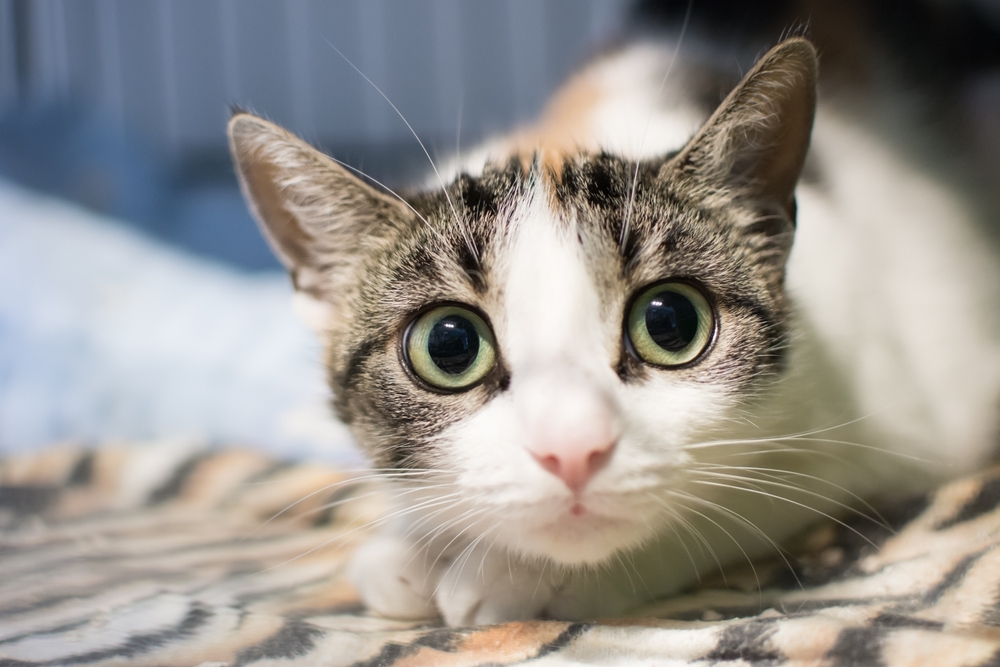
If you’re a cat owner, you’ve probably noticed that your cat’s eyes sometimes get wide and dilated, like those of Puss in Boots from the “Shrek” movies. Although the big kitten eyes (a.k.a. dilated pupils) are normal in most situations, they can sometimes indicate a serious medical condition.

So, how do you know whether or not your cat’s dilated eyes are normal? Read on to learn more about the reasons behind the dilated pupils and when it’s necessary to seek veterinary attention.

divider 3 paws

The 5 Reasons Why Your Cat’s Eyes Are Dilated

1.  Excitement & Stimulation

Cats’ pupils dilate when they experience excitement or stimulation, such as during playtime. When felines play and pounce, their pupils dilate to let in more light, similar to what would occur in a genuine hunting scenario.

If your cat’s eyes dilate during mealtime or when they’re anticipating their favorite treat, it’s also a natural response. However, if your cat is frightened, angry, or surprised by something, their pupils can suddenly dilate. But don’t worry, they will return to their normal shape once the intense emotion has subsided.

american shorthair cat playing
Image Credit: MTS_Photo, Shutterstock

2.  Low-Light Conditions

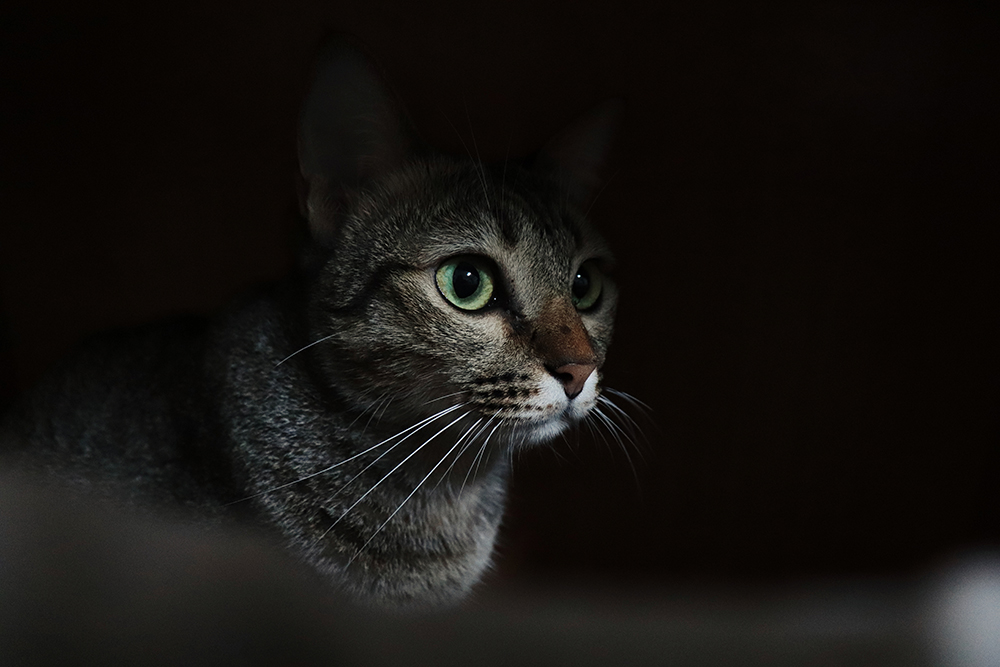
Cats have the unique ability to see in low-light conditions. Their pupils naturally dilate in dimly lit areas, enabling more light to enter their eyes. That is why your cat’s eyes appear wider in the dark. The dilation of the pupils is entirely normal and helps the cat see better in the dark.

In total darkness, cats can’t see anything, just like humans! But even a tiny source of light, like a candle or moonlight, will help them find their way in the dark. Expanding and reducing the amount of light entering their eyes is vital for cats. Otherwise, they would not be the formidable nocturnal hunters that they are.


3.  Fear or Anxiety

When a cat becomes frightened or anxious, their pupils dilate as a part of their natural “fight or flight” response. However, if your cat’s eyes are frequently dilated, it may be wise to consult a veterinarian to ensure there are no underlying health or behavioral concerns.

If you need to speak with a vet but can't get to one, head over to PangoVet. It's an online service where you can talk to a vet online and get the advice you need for your pet — all at an affordable price!

Preventative wellness PGV mention keep cat healthy Preventative wellness PGV mention keep cat healthy mobile

4.  Pain

Dilated pupils in cats can be a sign of pain, even if the discomfort is mild. It’s essential to watch for other indications of pain, such as aggression or hiding, and promptly take your cat to see a vet if you suspect they’re in distress.


5.  Medical Conditions

It’s not normal for your cat to have permanently dilated eyes. Health conditions that can cause your cat’s pupils to be dilated include feline dysautonomia (also known as Key-Gaskell syndrome) and hypertension. Your cat can show other clinical signs, such as weight loss or gain, sudden loss of appetite, excessive thirst, difficulty urinating, vomiting, and diarrhea.

Dilated pupils can also be caused by poisoning from toxic plants, medication, or venomous animal bites. If your cat has unevenly sized pupils (one is dilated and the other is not), it could be a sign of a serious medical issue.

Conditions such as retinal disease, cancer, skull injuries, glaucoma, or neurological disease may be the underlying cause. Therefore, taking your cat to a veterinary clinic immediately is crucial if you observe this condition (called anisocoria).

vet checking a white cat's face
Image Credit: MakeStory Studio, Shutterstock

divider 3 paws

What to Do If You’re Worried About Your Cat’s Dilated Eyes

Unless your cat displays serious signs of illness or injuries or the dilation is prolonged, it’s more likely that excitement, playfulness, low lighting conditions, or temporary fear caused their dilated pupils.

It’s normal and healthy for your feline’s eyes to change and dilate throughout the day, but if you suspect that your cat’s dilated eyes result from a health problem, it’s best to contact your veterinary team without delay.

divider 3 paws

Conclusion

A cat’s pupils change depending on their mood and the lighting. If you catch your cat staring at you with big, dilated eyes, it’s usually a sign that something has caught their attention. However, if you notice that their pupils are consistently and excessively dilated, it’s vital to seek advice from a veterinarian to ensure your cat is healthy.


Featured Image Credit: slowmotiongli, Shutterstock

Want content like this delivered to you?

Sign Up For Our Newsletter

News, insights, expert advice, and everything cat

* By submitting, you agree to our Terms & Conditions and Privacy & Cookies Policy.


How useful was this post?

Click on a star to rate (you can leave written feedback after clicking submit)

Help us improve Catster for pet parents!

Your feedback really matters.

What did you like about this post? Also how can we improve it?

Join the conversation

Leave a Reply

You’re very welcome to leave a comment or question. Please know that all comments must meet our community guidelines, and your email address will NOT be published. Let’s have a positive and constructive conversation.


Talk With A Vet Online

Peace of mind,
anywhere, anytime

Affordable vet advice

Why Chicken Bones Are More Dangerous for Cats Than Most Parents Realize

Chicken bones seem harmless enough, but for cats, they can cause serious damage quickly. Whether your cat swiped a piece off the counter...

Fantastic Pet Pantries and Where to Find Them

Let’s face it: times are really tough right now, and those of us in the 99% are struggling with the cost of just...

Ask Dr. Paola – Help! My Cat Refuses to Drink Water! (April 13, 2026)

Welcome to our “Ask Dr. Paola” series, where every Monday we bring expert advice straight from Dr. Paola Cuevas (MVZ) to help our...

Why Healthy Cats Still Vomit Sometimes (And How to Respond)

A cat that just vomited needs a specific kind of care, and the feeding decisions you make in the next few hours actually...

More related

How to Tell If My Cat Has Ear Mites: 5 Vet-Reviewed Signs To Look For

Ear mites are small parasitic creatures that can cause significant damage to cats’ ears. Left untreated, ear mites can lead to a serious...

Can Cats Get Dizzy? Vet-Reviewed Science & Facts

While dogs are often jokers, cats are the elegant masters of the home. We rarely see cats, especially adult felines, tripping around the...

Siamese Kittens for Sale in Virginia: Breeders List 2026

Catster advocates for adopting before shopping, though we fully understand there are many reasons for seeking a breeder. So, we encourage it to...

19 Scottish Fold Cat Colors & Patterns (With Pictures)

Scottish Folds cats are the result of a spontaneous mutation in farm cats in Scotland. They have folded ears, hence their name. While...

Keep reading

Can Cats Eat Turmeric? Vet-Approved Benefits & Advice

Cats may be carnivores, but they sometimes like to munch on plant foods like carrots and bananas. They might snatch our almost-finished muffin from the table when we are not looking. They might even scrounge around in the garbage to...

Can Cats Eat Turmeric

How to Stop Cats From Getting Pregnant Naturally: Vet Approved Advice

Preventing a cat from getting pregnant is most commonly accomplished through spaying and neutering. But there might be times when a cat owner doesn’t want such a permanent solution and would rather investigate other options. It’s even better if it...

cat-having-a-vaccine

Are Croton Plants Toxic to Cats? Our Vet-Approved Advice

The croton (Codiaeum variegatum) is a popular houseplant. This leafy, ornamental plant is native to tropical areas but adapts well indoors. But if you have a cat, this isn’t a plant you want in your home. All croton varieties—including evening...

Catster_Are Croton Plants Toxic to Cats

Are Lilacs Poisonous to Cats? Vet-Verified Facts & Info

If you love the look and smell of lilacs and tend to pick a few when out walking, you may be wondering if lilacs are poisonous to cats. You don’t have anything to worry about because the common lilac plant...

Catster_Are Lilacs Poisonous to Cats

Why Do Cats Act Weird When Scratching the Base of Their Tail? 10 Vet-Reviewed Reasons

It’s not uncommon for cats to act weird when you scratch the base of their tail. This area is quite sensitive, and cats respond one way or another. Additionally, a tail that sticks straight upright into the air is referred...

young cat breathing heavily

10 Best Cat Treats in Canada in 2026 – Reviews & Top Picks

Cats are highly food-motivated animals that will do just about anything for their favorite treat. However, they are also picky and won’t work for just anything. Whether you are clicker training your cat to perform tricks or just want to...

Blue maine coon cat with treats outdoors

Cat Eyes: Vet-Reviewed Genetics, Color Changes & FAQ

Have you ever cuddled your cat in your arms, stared into their eyes, and been blown away at how beautiful and unique they are? One of the most captivating features of a cat’s eye is their pupils, which are in...

White cat with green eyes

Is Your Cat Your Bathroom Buddy? 7 Vet-Reviewed Reasons Why Cats Sit At Your Feet

If you’re a cat owner, you know how much your feline loves to join you in the bathroom. Your cat often interrupts what feels like a private and quiet time, leaving you with the question, “Why does my cat sit...

light grey cat with rubber ducky bath bathroom shampoo

Love Cats? So Do We! Join the Catster Community

Stay informed with expert pet care insights delivered straight to your inbox! Discover professional guidance on animal behavior, feeding tips, trusted product picks, and much more.


Sign up for the Catster Email Newsletter

Stay informed with expert pet care insights delivered straight to your inbox! Discover professional guidance on animal behavior, feeding tips, trusted product picks, and much more.