My Cat Suddenly Doesn’t Want to Be Touched - 5 Vet-Approved Reasons


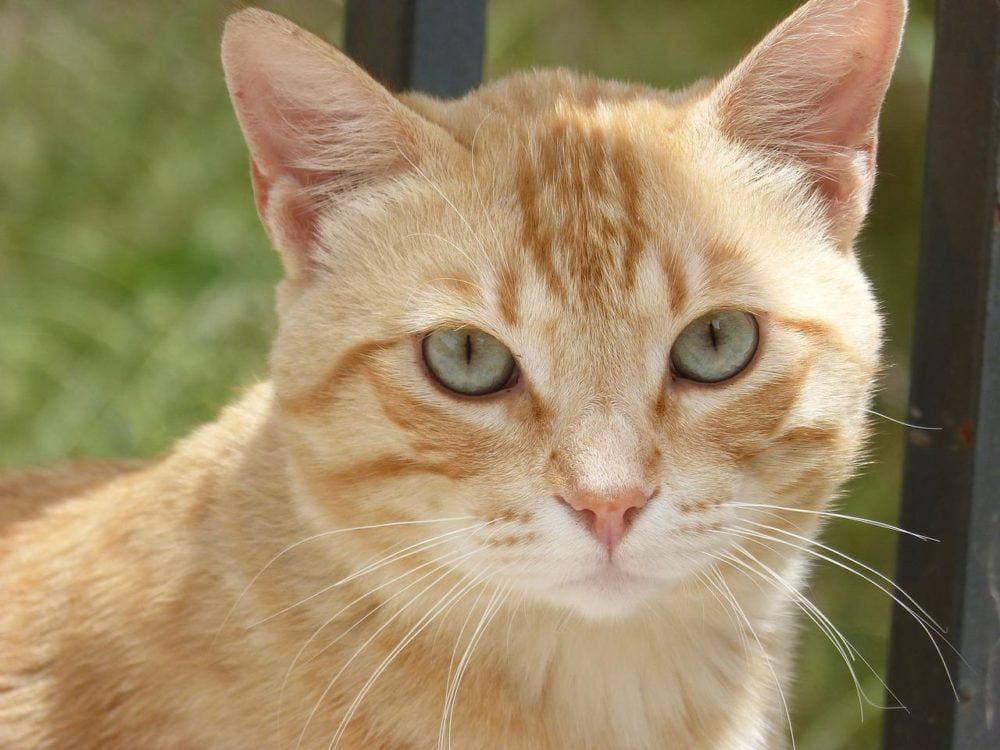
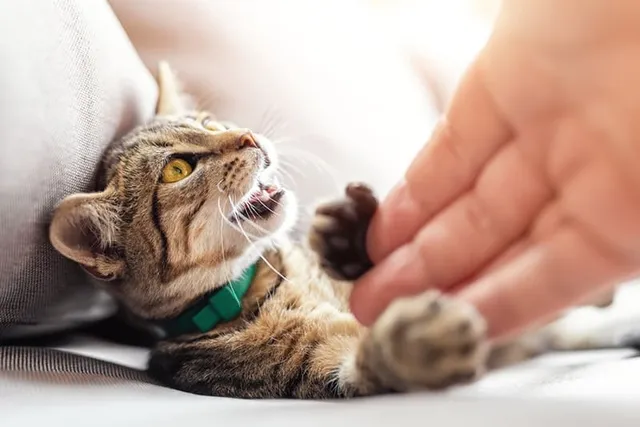
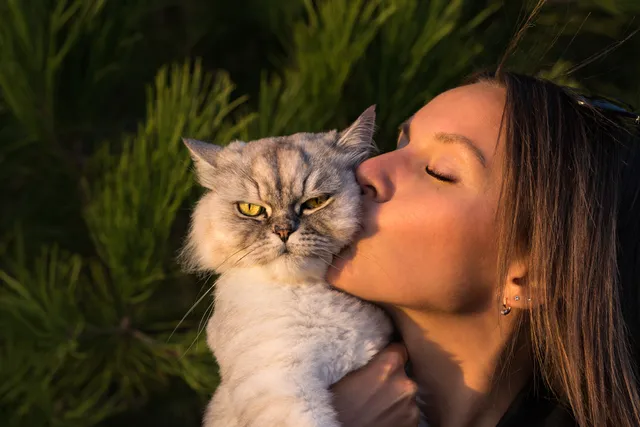
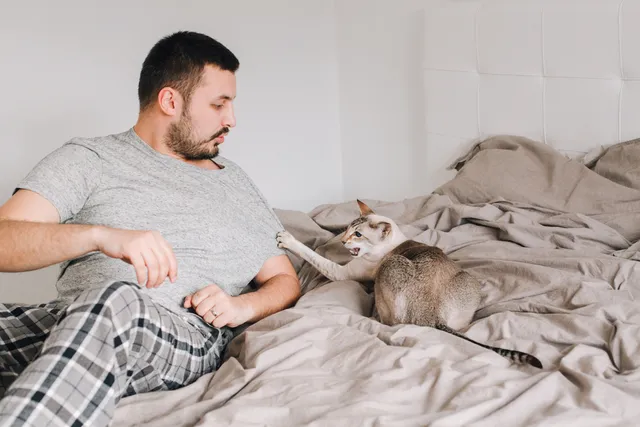
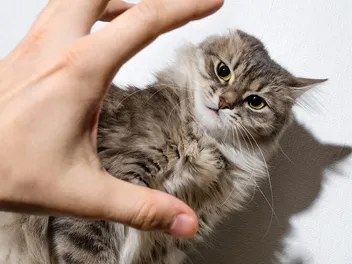
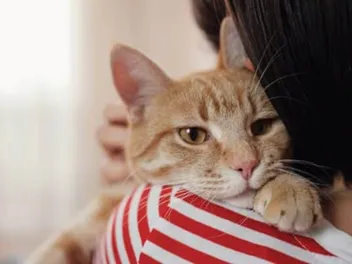
If your usually loveable cat suddenly doesn’t want to be touched, you probably have reason to be concerned. It isn’t normal for cats to suddenly not like affection. Typically, there is an underlying reason, though not all of these reasons are necessarily bad. Still, a suddenly uninterested (or even aggressive) cat can be a bit of a problem, especially since there may be a troublesome underlying cause behind it all.
Here are some of the reasons your cat may suddenly avoid your affection.

The 5 Reasons Your Cat Suddenly Doesn't Want to Be Touched
1. Hormonal Changes
Cats have hormones that fluctuate, just like people. These hormones will affect your cat’s personality and mood. Therefore, if your cat suddenly stops being affectionate, it could be their hormonal fluctuations.
These fluctuations should only occur if your cat is not spayed or neutered. Therefore, if the hormones seem to be seriously affecting your cat’s mood, you may want to consider getting them spayed or neutered. Females seem to be most affected by their hormones, though males will have fluctuations, as well.
Usually, when a female cat goes in heat, she will become more affectionate. However, this isn’t always true. Different cats are affected differently by their hormones. Therefore, some cats may suddenly decide that they don’t like to be touched. There isn’t much you can do in this circumstance besides to wait it out.

2. Pain or Underlying Illness
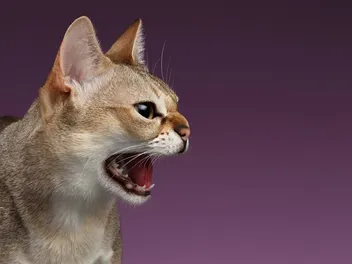
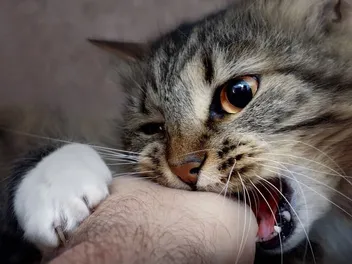
When a cat is in pain, it isn’t uncommon for them to hide or avoid being touched. If a cat’s pain increases when touched, they may even become aggressive. Cats that are suddenly aggressive are likely to be sick and in pain. Therefore, if your cat gets aggressive suddenly, then you should call your vet.
Cats are extremely good at hiding their illnesses, so if your cat is showing signs of pain, then they are likely really in pain. It isn’t uncommon for cats to act completely fine until they are very sick. So, visiting a vet right away is recommended.
There are several other signs that your cat may be in pain as well. While your cat likely won’t show many of these, just one or two is enough to prompt a vet visit.
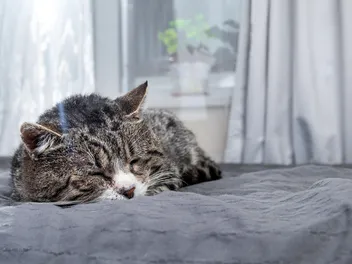
- Change in sleep habits
- Urinating outside of the litter box
- Decreased scratching post use
- Glossy eyes
- Increased drooling
- Aggressiveness
- Hiding
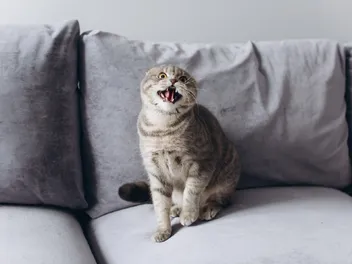
- Meowing excessively or other vocalizations
3. Change in Scent
If you change your shampoo or laundry soap, then your cat may dislike your new smell. Cats have a stronger sense of smell than us and use this sense to identify people and cats.
For instance, littermates won’t recognize each other after being separated, as their scents would have changed. Therefore, if you change your scent, there is a possibility that your cat may become act differently around you. While this change is only temporary, it can be distressing for many cats and their owners. Therefore, you may want to think twice about changing how you smell.

4. Stress
When a cat is stressed, they may not act as lovingly as we are accustomed to seeing. They may prefer to hide and be left alone, even if they are typically very affectionate. Stress can also lead to fearful behaviors, which may cause cats to become aggressive.
Cats react to common events differently from us. Even a very small change in the environment or routine can make your cat stressed. For instance, introducing a new piece of furniture or even rearranging your furniture can cause stress until your cat becomes used to it.
Luckily, this stress usually dissipates after a week or so. The cat will become used to the new situation, though they may appear quite stressed in the meantime.
There are several other signs of stress, too. For instance, your cat may not urinate in the litter box and spend much of their time hiding. Pain and stress signs are quite similar, likely because pain often causes stress.
Luckily, there are several things you can do to reduce stress:
- Increase exercise. A tired cat is less likely to worry about small problems in their environment.
- Add more hiding spaces. A cat will often hide to unwind. Increasing the number of hiding places can increase their relaxation time.
- Use pheromones. Several commercial pheromone diffusers exist that may help decrease your cat’s stress. Use these when the stressful situation cannot be removed (such as the introduction of a new baby or pet).
- Make transitions slowly. If you plan on changing the environment or routine, do it as slowly as possible. For instance, only rearrange the furniture in one room at a time.
- Add distractions. Consider adding toys, food puzzles, and climbing structures to provide a distraction.
5. Trauma
Physical abuse, abandonment, and pain can all lead to personality changes. While many cats are resilient, others are not. If you adopt a cat from an animal shelter, it may have experienced trauma. In many cases, cats don’t do well with leaving their home, which is especially true in older cats, who tend to be more attached to their “normal” than kittens.
Older cats being rehomed will almost always develop some trauma from the experience. Furthermore, abuse from a previous owner may be linked to trauma as well. Of course, when you’re adopting a cat, you may be unaware of this. Some cats may link the stress and pain associated with visits to the vet hospital to treat illness and form trauma around these experiences.

Conclusion
If your cat suddenly doesn’t want to be touched, we typically recommend seeing your vet. While there are several reasons why this may occur, one of the most common reasons is pain, which typically means a trip to the vet is in order. Before you consider other possible reasons, ruling out an injury is vital.
If your cat gets a clean bill of health from the vet, then you may want to start looking at other reasons. First, consider if it may be caused by stress or trauma. There are several things you can do to reduce the effects of each, which may help make your cat become affectionate again.
See also:
Featured Image Credit: makamuki0, Pixabay
Expert cat care, straight to your inbox
News, insights, and useful advice, delivered to you.

No spam — unsubscribe anytime.
By signing up, you agree to our Terms & Conditions and Privacy & Cookies Policy.
How useful was this post?
Click a star to rate. You can leave written feedback afterwards. (We read all feedback.)
Kristin is passionate about helping pet parents create a fulfilling life with their pets by informing them on the latest scientific research and helping them choose the best products for their pets. She currently resides in Tennessee with four dogs, three cats, two fish, and a lizard, though she has dreams of owning chickens one-day!